



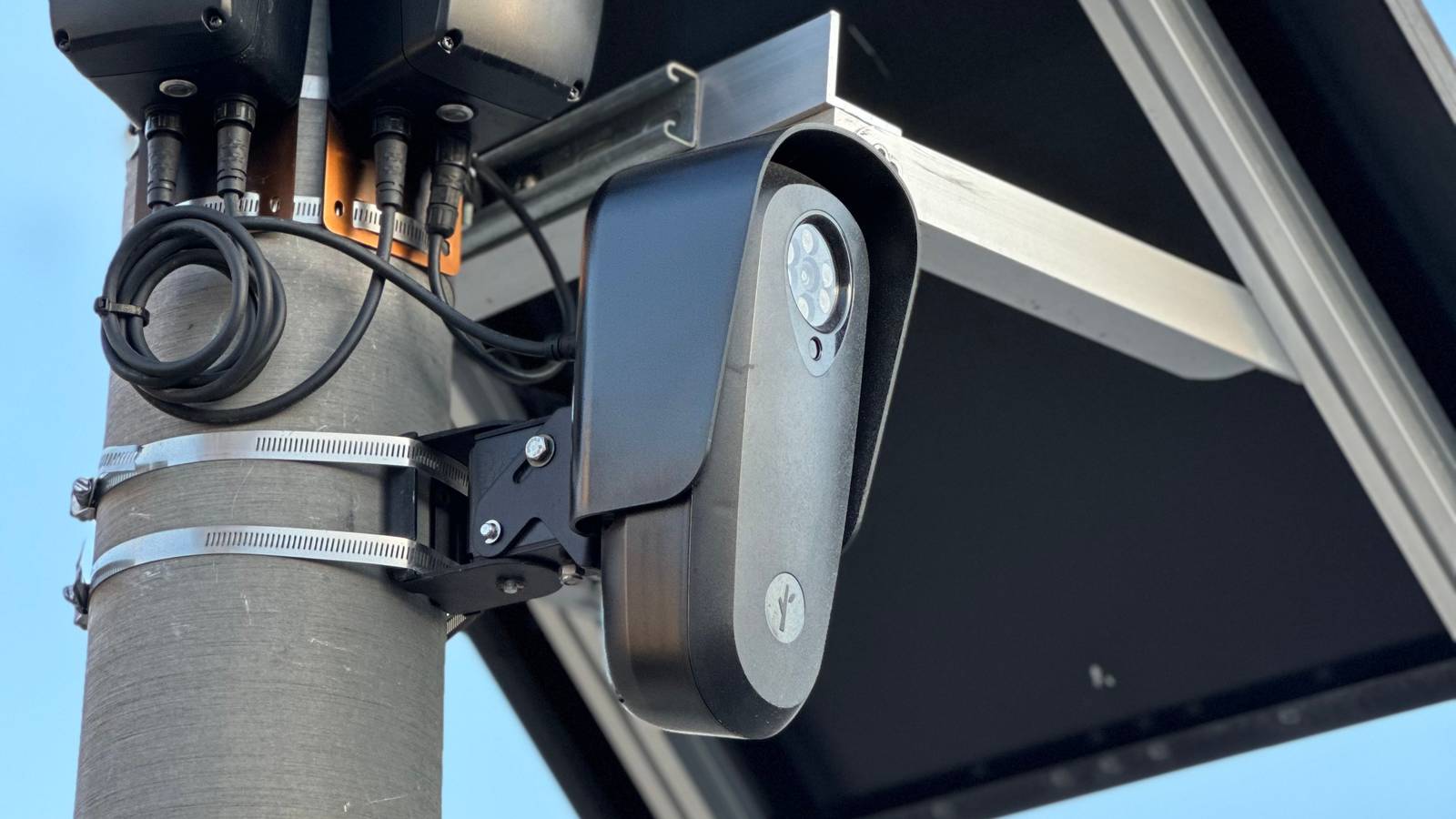

A wave of public backlash is pulling Flock’s license plate reader cameras off streets nationwide. But in many communities, surveillance isn’t ending and cameras are actually just changing brands.
As cities cancel their contracts with Flock Safety, more are hiring Axon instead. They are another law enforcement technology company that installs cameras that scan and track passing vehicles much as Flock cameras do, and they lack the public attention that Flock has received over the course of the past few months.
That trend has even reached the Florida Department of Transportation. They ordered all license plate readers removed from state roads on Aug. 31, revoking permits for Flock, Axon and Motorola cameras alike and giving agencies 30 days to take them down.
The order affects hundreds of cameras and marks the first time a state has pulled the entire category off its roads rather than leaving the choice to individual cities.
Gov. Ron DeSantis, a Republican who has pushed for what he calls an artificial intelligence bill of rights, told attendees at a Florida International University event in late August: “I don’t want to have this become a surveillance state.”
Shell Game
Elsewhere, the pattern has been to switch providers rather than remove the cameras.
Denver is the most documented example. The city let its Flock contract lapse amid controversy over the company’s data-sharing practices, then approved a new agreement with Axon in a narrow 7-6 city council vote in March. The deal cut the number of cameras from 111 to 50.
Douglas County, Colo., went a different direction on the numbers. County commissioners approved a nearly $22.8 million contract with Axon that replaced the county’s 50 Flock cameras with 100 Axon cameras, along with a fleet of what officials described as first responder drones.
Privacy advocates are arguing that these swap-outs do not address the main issue. Both companies build automated license plate readers that log ordinary drivers’ movements. Replacing one with the other leaves that core capability intact.
The number of cameras may fall, they say, but the tracking does not stop.
Where There is Change
City officials countered that the new contracts are not simply cosmetic.
In Denver, officials said the Axon system, unlike Flock’s, does not feed a national, searchable database. This feature drew some of the sharpest criticism of Flock.
Denver officials also negotiated a shorter data retention period, ownership of its own data, and restrictions on sharing it with federal immigration authorities.
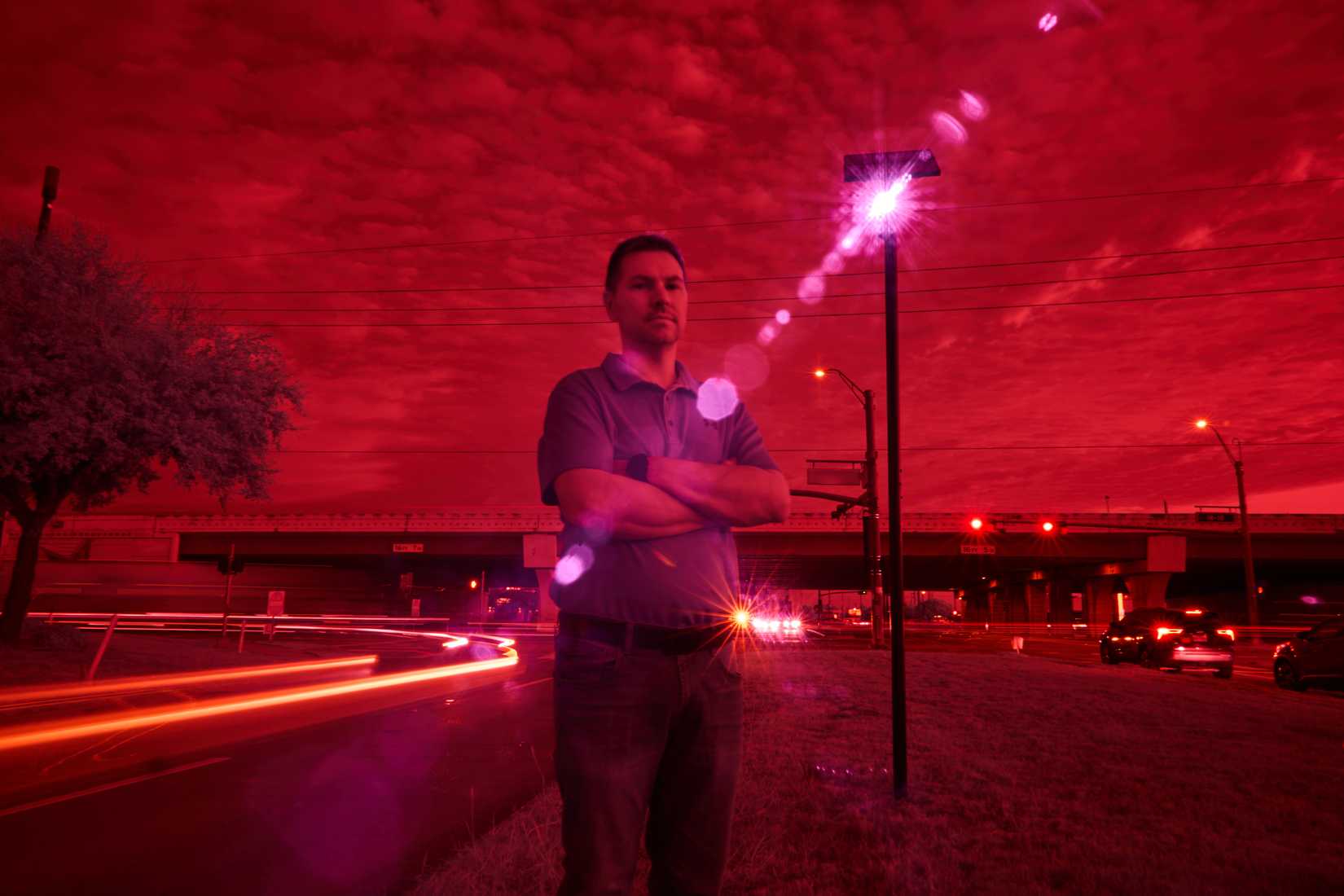
Critics claim the contract terms offer little protection. Local limits can be overridden by the federal government, they argue, and only state law can lock in restrictions that survive the next vendor change.
Some Denver council members acknowledged during the debate that whatever limits they imposed might not stop federal agencies from accessing the data.
Behind the Backlash
Denver ended its Flock relationship in part over reports that the company had shared license plate data tied to federal immigration operations, a concern that has fueled opposition in other cities as well.
In at least two Florida cities, police officers were fired and arrested on allegations they misused the cameras to track romantic interests.
The resistance has taken more visible forms as well. Across the country, people have physically dismantled Flock cameras—with videos of the act plastered on social media, receiving tens of millions of views.
In Florida, a 77-year-old man protested by standing in front of the devices and covering their lenses.
Texas Gov. Greg Abbott has ordered a halt to state funding for Flock programs.
Law enforcement agencies defend the technology as a crime-fighting tool. Denver officials said the cameras helped police recover hundreds of stolen vehicles and make hundreds of arrests, and that plate reader data played a role in a large share of the city’s homicide investigations last year.
Still, critics maintain that instituting a widespread trend like this will have nefarious impacts on personal freedoms in years to come.
Read the full article here
