



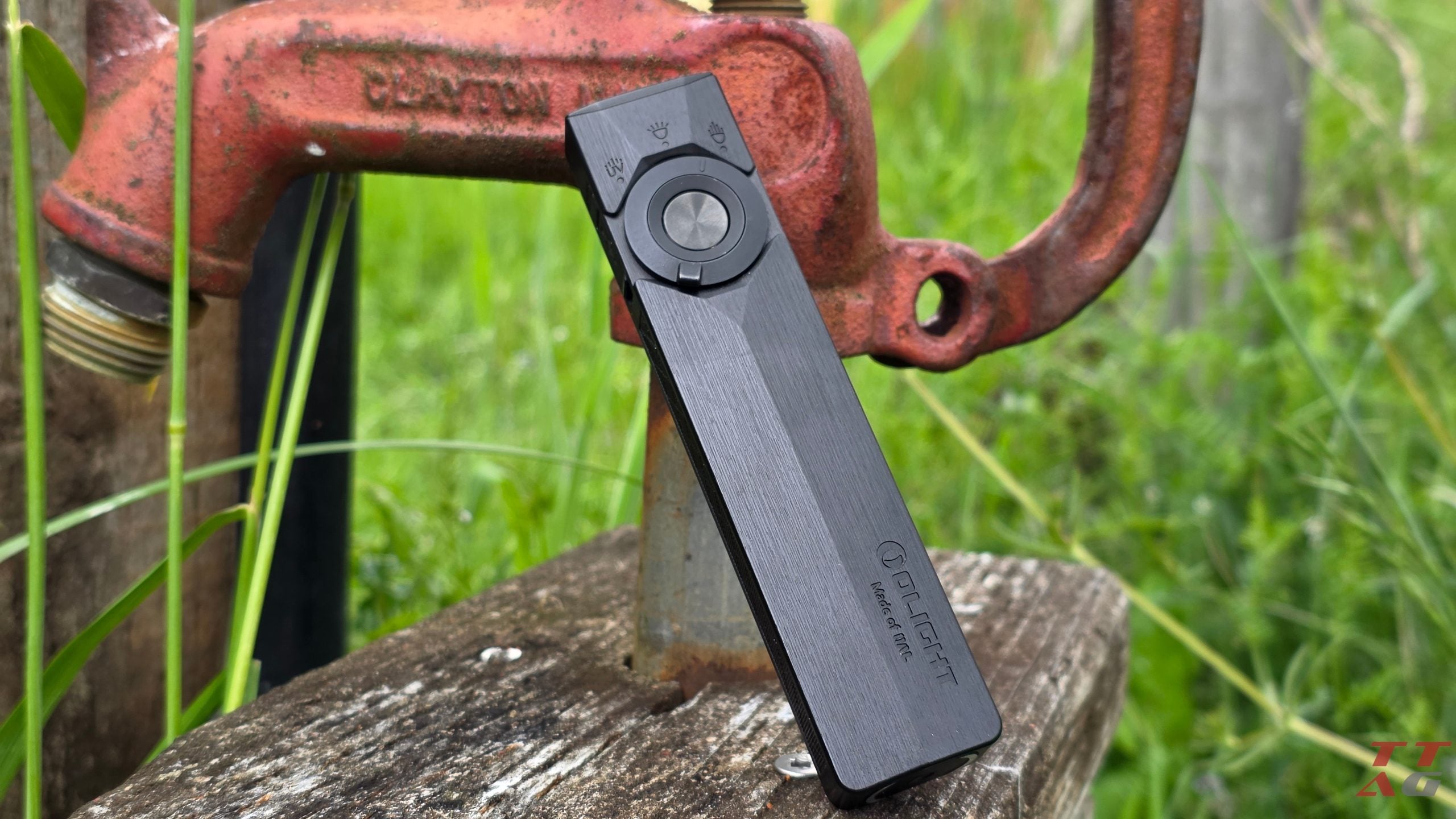

I’ll be upfront: I’ve been a longtime Olight doubter. On top of that, I find it incredibly difficult to gather my thoughts on something that I actually like. For context, back in the day, when a much younger me first started writing firearm and gear reviews, a few of their early lights (specifically the S2R Baton II) left me initially amused, but eventually unimpressed with their long-term durability.
Olight products, in their early days, in my experience, didn’t always hold up in real use, with durability questions and performance that sometimes pushed the envelope of what you could squeeze out of budget components a little too far. Historical performance aside, Olight has always had novel, genuinely useful feature sets, and that DNA clearly carries forward.
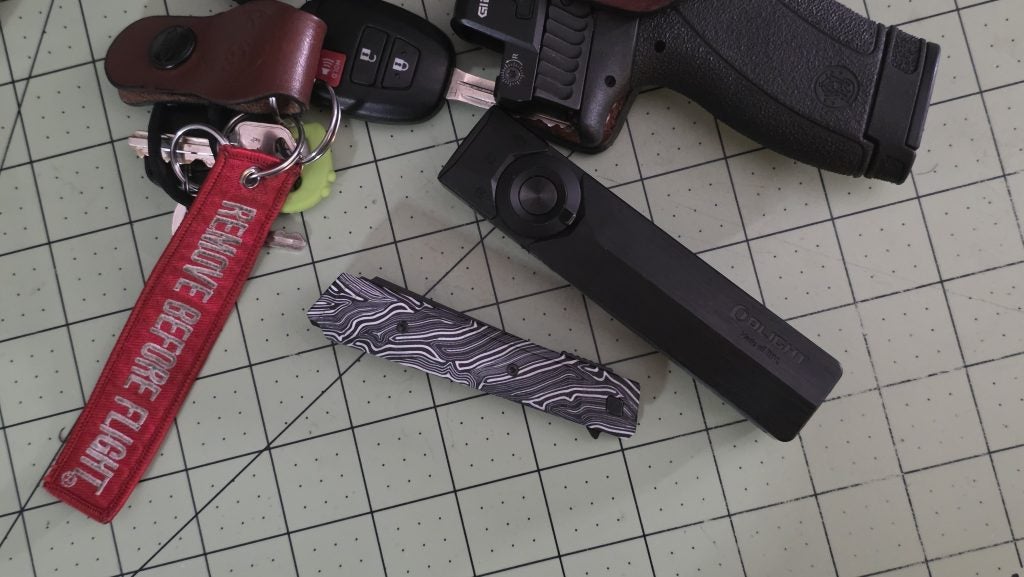
I’ve recently had the chance to get my hands on a brand new, recently released ArkPro Ultra, which builds on the first-generation ArkPro with some truly meaningful refinements that make it one of the more complete flat EDC tools I’ve tested lately. It’s not perfect, but it’s also only $125. Let’s check it out and see what it has to offer the EDC guy on a budget.
TTAG Review: Olight’s Updated ArkPro Ultra EDC Flashlight
Specifications
Product Link: https://www.olight.com/store/arkpro-series-flat-edc-flashlight
Here are the specifications pulled directly from Olight’s product page and official materials:
- Max Output: 1,700 lumens (Flood Turbo)
- Spot Output: 800 lumens
- UV: 365 nm, up to 1,200 mW (dual levels)
- Green Laser: Class 3R, 510–530 nm (dual output, combinable with other modes)
- Battery: Built-in 2,000 mAh LiPo (non-removable)
- Dimensions: 124 mm × 27 mm × 16 mm (4.88″ × 1.06″ × 0.63″)
- Weight: Approximately 115–123 g (4.05–4.23 oz) with battery
- Charging: USB-C + Olight MCC magnetic charging
- Material: O-Aluminum (OAL) proprietary alloy
- Water Resistance: IPX7
- Other: Rotary selector, two-way deep pocket clip, magnetic tailcap, ArkBeat indicator
- MSRP: 129.99
Now there is no getting around it, this light is 100% Chineese. Olight has never tried to hide the fact that they’re a Chinese company, and I have to applaud them for that. Instead of playing games with vague branding or shell companies like so many others in the industry, they own it completely. So, while I do still loathe that it’s not an American-designed, produced, or made product, that one layer of up-front transparency is refreshing in what I consider to be a market full of American companies that just get Chinese companies to white-label a generic light design for them.
Over the last several years, Olight has used that home-field advantage to iterate quickly, pack impressive feature density into compact designs, and steadily improve quality control and materials. The ArkPro Ultra is a good example of that progress. While some buyers will still prefer American or European brands for their perceived (and sometimes very real) durability or support reasons, Olight continues to close the gap with strong warranties, consistent innovation, and competitive execution, along with their standard budget-tier pricing.
All that is to say that even before I opened the box, I felt like Olight had packed a lot into this slim package in this particular design during its first iteration, but improved it in some meaningful ways. A couple of months down the road, and I already feel like the ArkPro Ultra is a genuine multi-tool rather than a gimmick with a bunch of useless features. So let’s talk about the differences between the old and new versions of the ArkPro, and what makes this light family a handyman’s or die-hard EDC guy’s best friend.
Primary Differences: ArkPro vs. ArkPro Ultra
The ArkPro Ultra is an incremental but noticeable upgrade over the standard ArkPro.The most important changes (to me anyway) include a bump to 1,700 lumens on flood turbo (versus 1,500 lm), the use of Olight’s proprietary premium O-Aluminum construction instead of standard alloy, the addition of Olight’s pulsing/colored ArkBeat battery and mode indicator, and slightly revised texturing and aesthetics. It also uses Olight’s custom EIP 1 emitter for the flood channel.
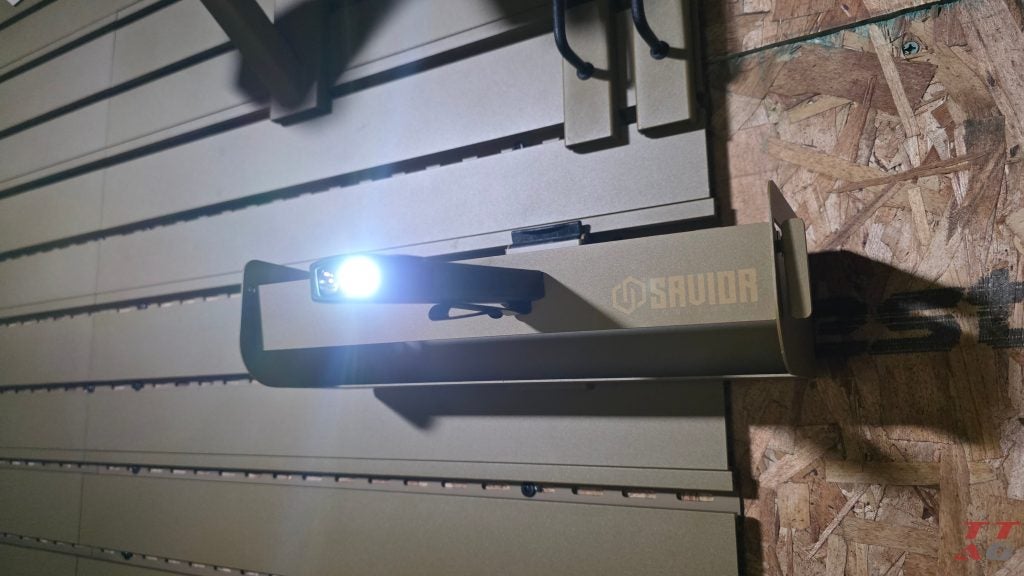
Dimensions, battery capacity, user interface, charging options, and core functionality remain nearly identical so if you’re already a fan of the original ArkPro and its close to giving up the ghost, the Ultra simply feels more premium in the hand, with small but worthwhile refinements so it might be a great way to replace your aging EDC light with something still affordable but more up to date.
O-Aluminum (OAL) Alloy
I wanted to dedicate an entire section to Olight’s alloy, partially because I think Olight really wants to emphasize it. In fact, they’re so proud of their proprietary alloy that they’ve engraved the text right onto the light body. So… what is OAL?
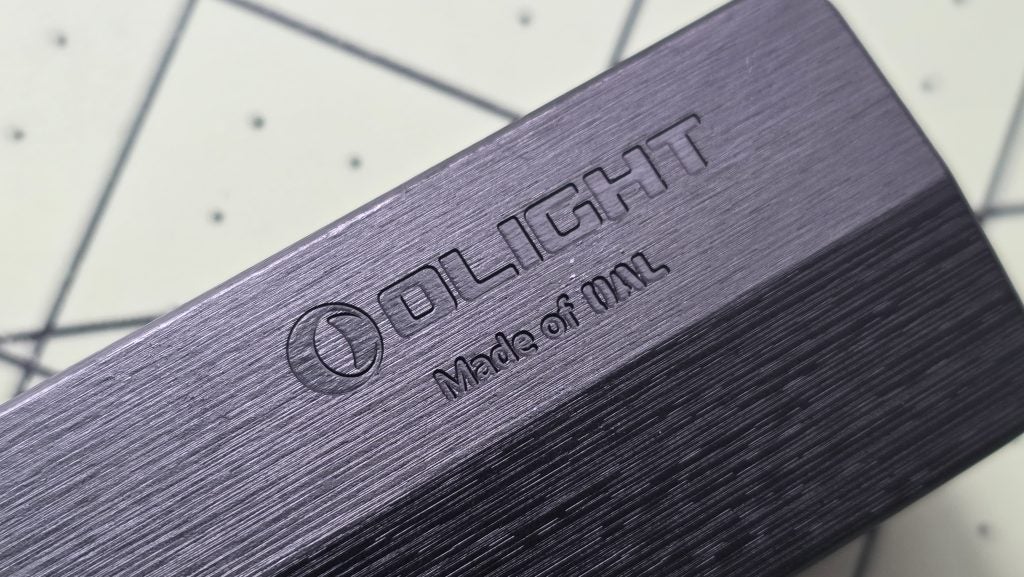
Olight’s O-Aluminum (OAL) is a proprietary aluminum alloy they developed in-house and is one of the more notable upgrades from the original ArkPro iteration. According to Olight, it is approximately “1.73–1.77 times harder than standard 6061 aluminum alloy,” with significantly higher yield and tensile strength if you know anything about aluminum. This is even approaching certain grades of titanium in some metrics, from my recollection back to my machinist days.
The result in Olight’s eyes is a material that’s noticeably more resistant to scratches, dents, and general pocket wear while maintaining the light weight of aluminum. This is ideally supposed to keep keys and other items from scratching up your light body, and so far I think it holds up better than regular anodized aluminum and keeps looking newer longer. Just ask my Streamlight USB Microstream.
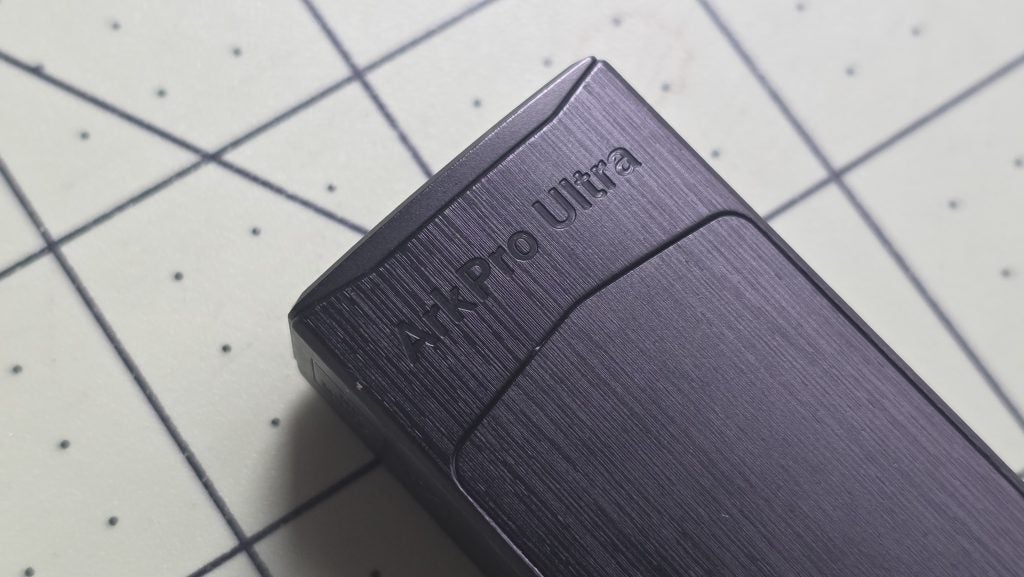
There are potential downsides if you’re already a fan of the regular aluminum body ArkPro. Because the material is harder, the anodized finish can sometimes be more prone to chipping rather than denting on hard impacts (like concrete). So far, I’ve only managed to scuff the finish up a tiny bit after a few months of use. Still, I assume it, like any of my other EDC items, will eventually develop a nice scuffed-up patina after a few years of being tossed around and used as it should.
The ArkPro Ultra also comes with a premium price bump, so buyers are essentially paying extra for the extra material costs and the improved emitter array. Whether that’s worth it depends on how hard you are on your lights. I’m notoriously hard on my gear, so I’ll take any extra durability or survivability I can get out of it.
Handling and Ergonomics
Along with a sensible amount of heft (like with similar EDC flat pocket lights), the flat profile makes the ArkPro Ultra far more pocketable than most traditional tube lights, save for pen lights, which are often still underpowered for a lot of more serious EDC or work tasks. It disappears nicely in a front pocket more so than something like the Streamlight.
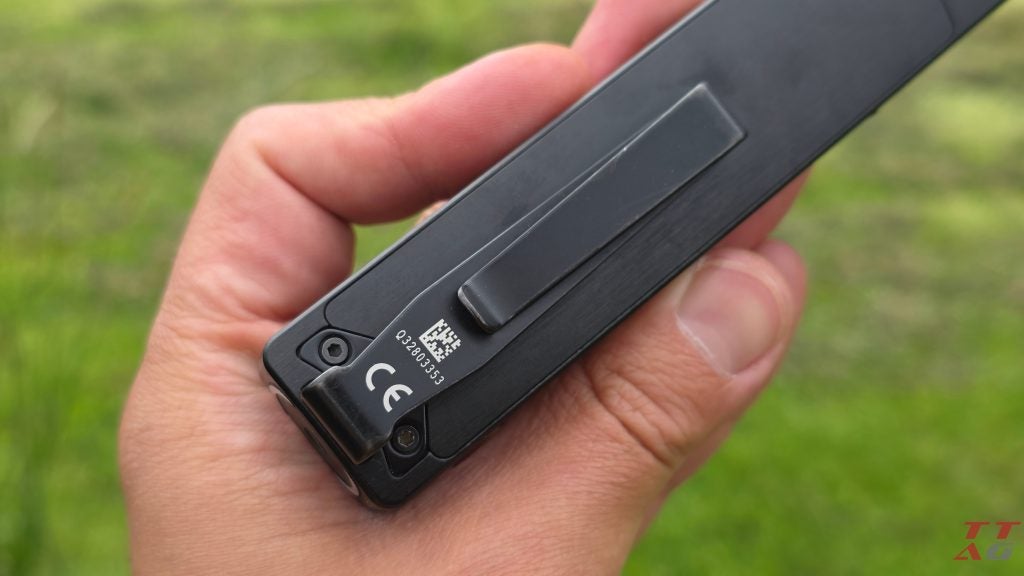
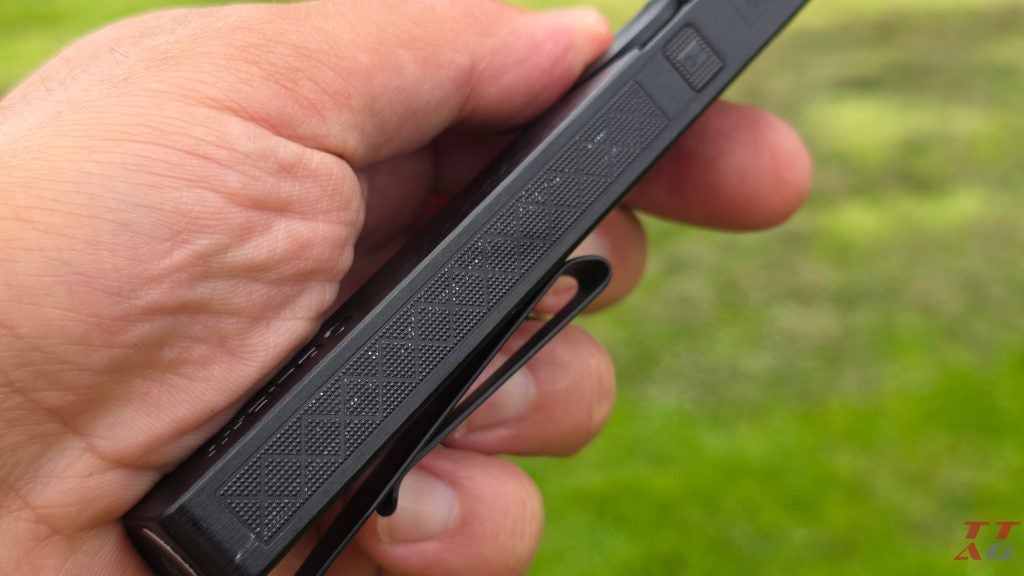
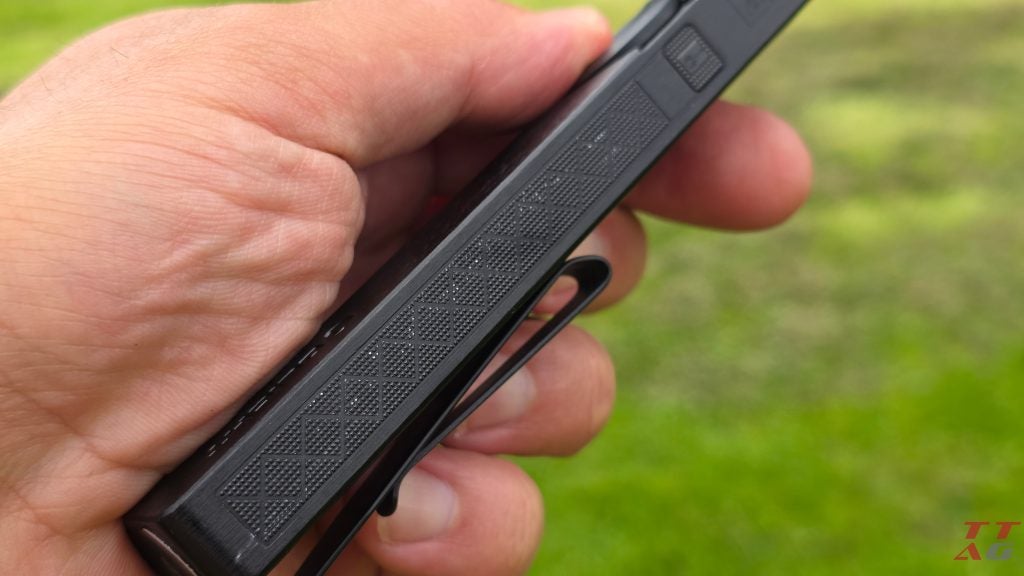
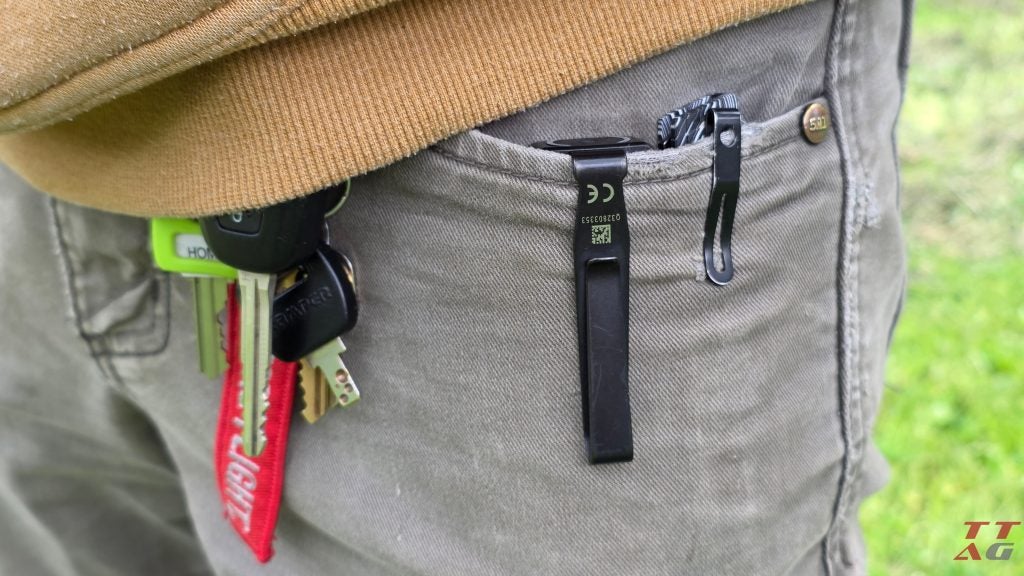
The deep two-way clip is secure and well-designed for both tip-up and tip-down carry. Edges are smoothly finished, and the overall ergonomics are comfortable for extended use. The magnetic tailcap comes in handy not just for charging but also works insanely well for hands-free tasks like working under the hood of your vehicle, or in tight spaces when you need both hands.
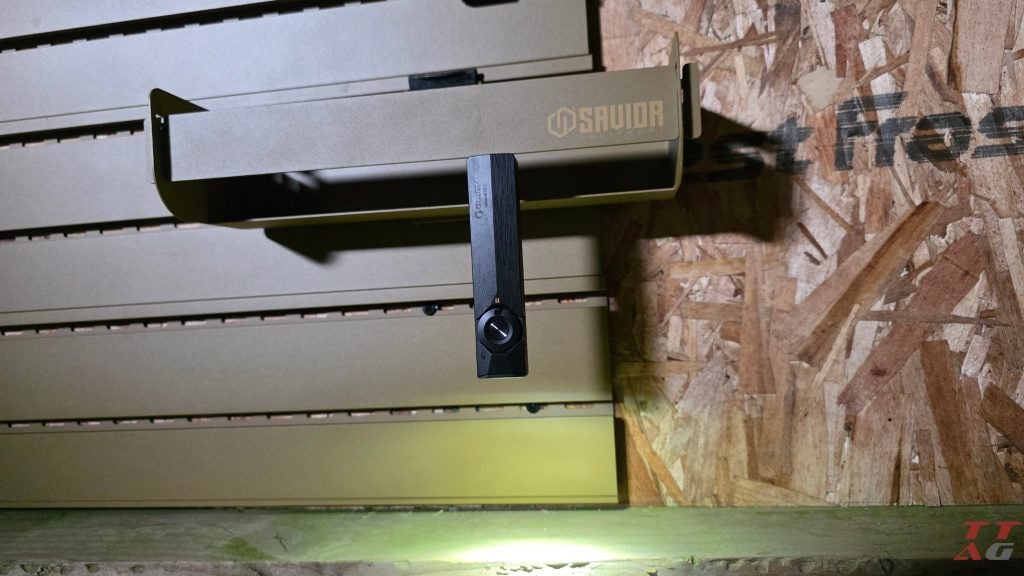
Overall, I think the handling, in addition to the build quality, is actually excellent, with a tight fit and finish typical of higher-end Olight products. The light is just at the right size and weight to disappear into your pocket more or less without interfering with other daily carry items. If there is anything you can criticize Olight for, it’s definitely not the fit and finish of their lights.
Rotary Selector and White Light Modes
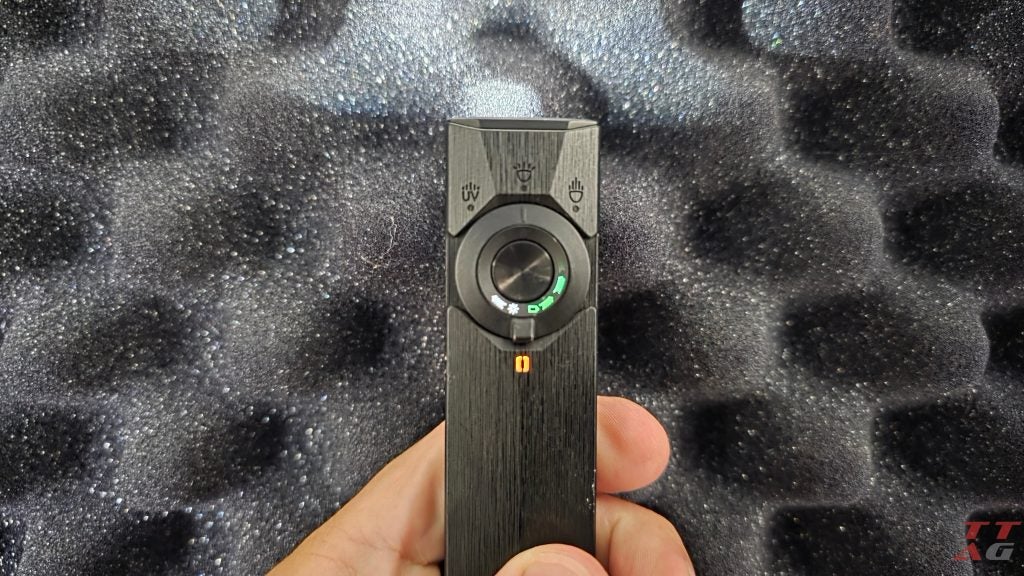
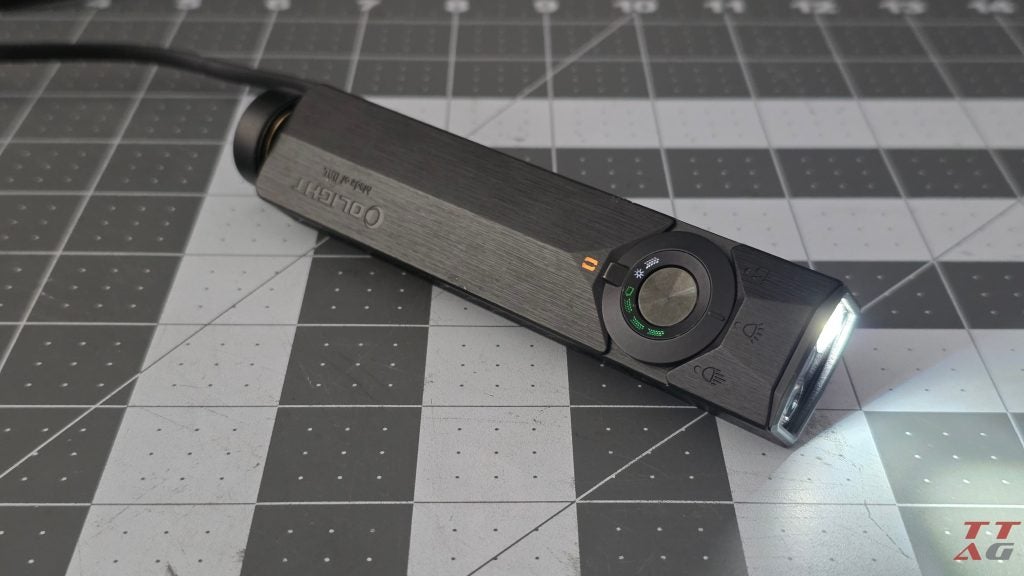
A rotary selector on the head lets you pre-select between flood, spot, or UV before turning the light on. It has positive detents and operates cleanly. Combined with the top e-switch for power and brightness, the interface is straightforward with a minimal learning curve. This gives the ArkPro Ultra more flexibility than simpler flat lights like the Streamlight Wedge XT, though it does introduce another mechanical part that could wear over years of hard use. Olight’s execution feels solid so far, and I’ve found each of the modes useful in their own distinct ways as I’ve been doing some spring maintenance on my house and horse barn.
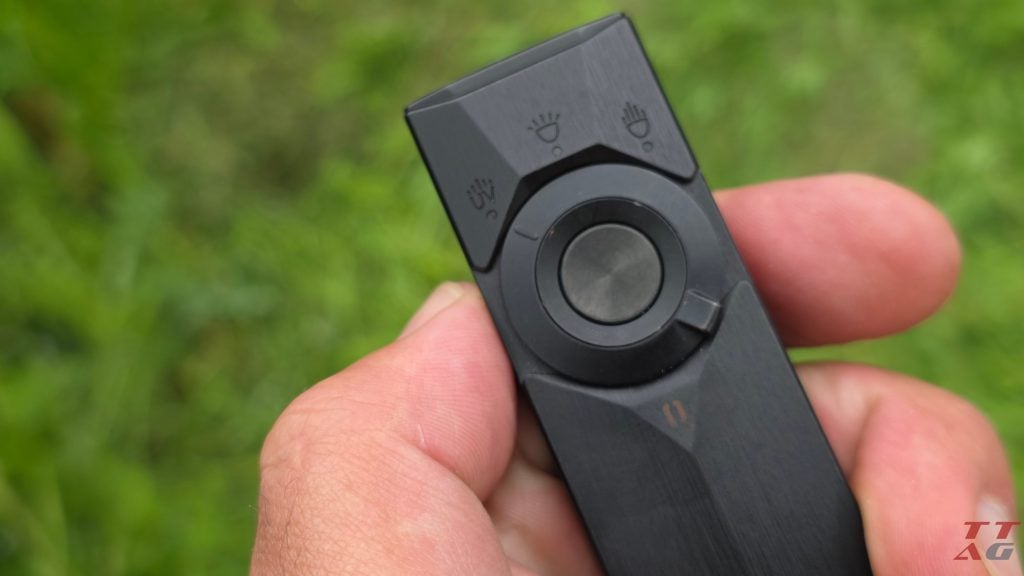
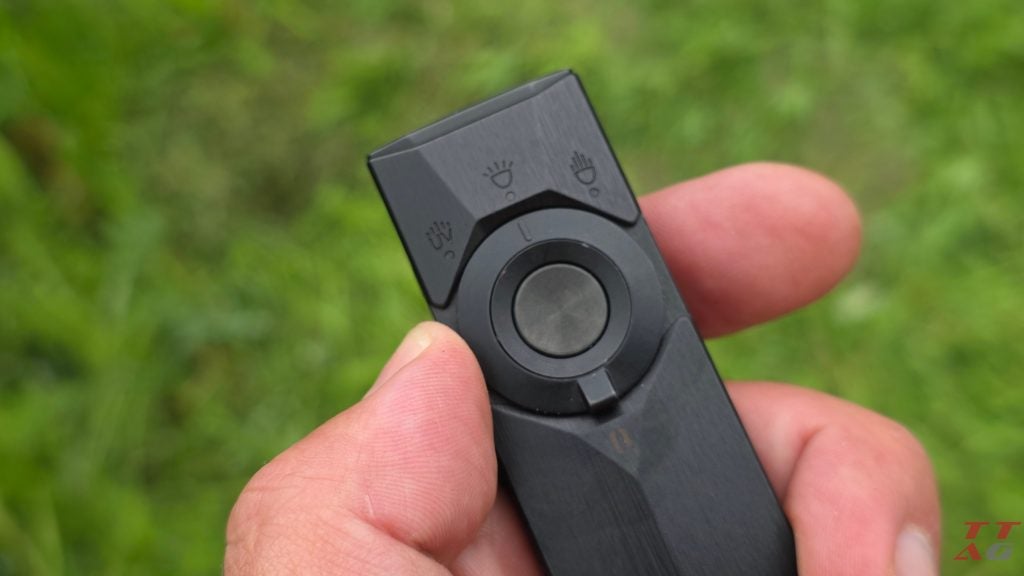
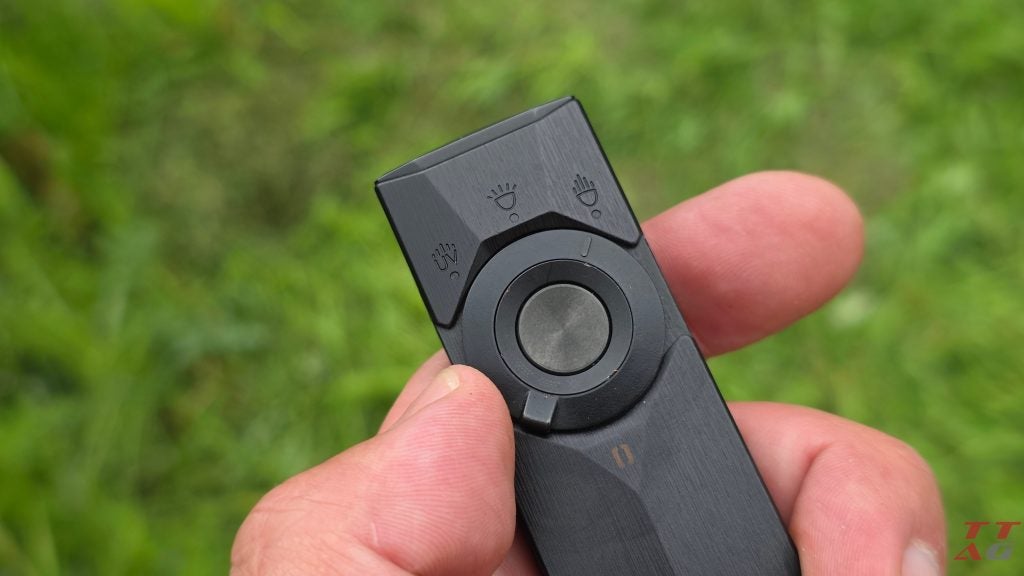
Flood Mode Performance
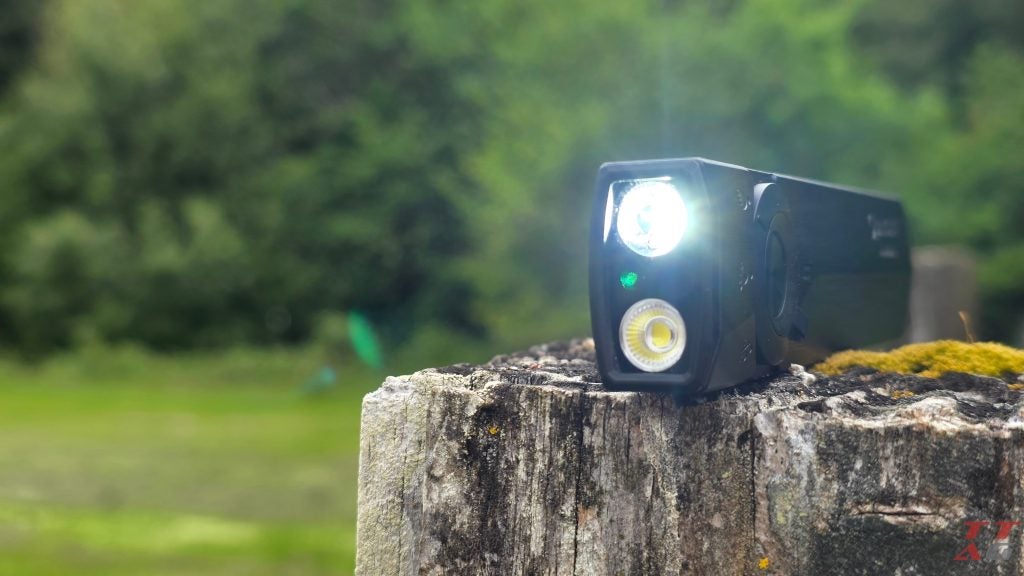
Flood mode, as should be expected, gives you a wide, even beam well-suited for close-to-medium range tasks. Turbo output is impressively bright initially, but like many Olights, it steps down after a short period to keep itself from overheating and accidentally draining your entire battery supply.
Lower modes, including the “moonlight mode,” provide good runtime, often measured in dozens of hours. The beam is clean with minimal artifacts thanks to the TIR array, but the tint is cool white, and there is no high-CRI option. This is probably just a minor concern, only for chromaphiles.
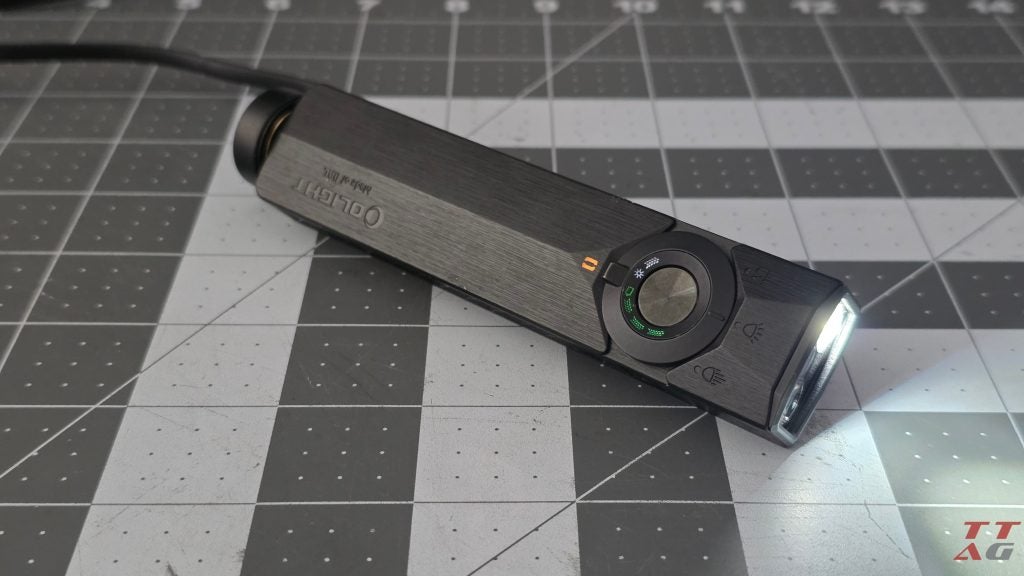
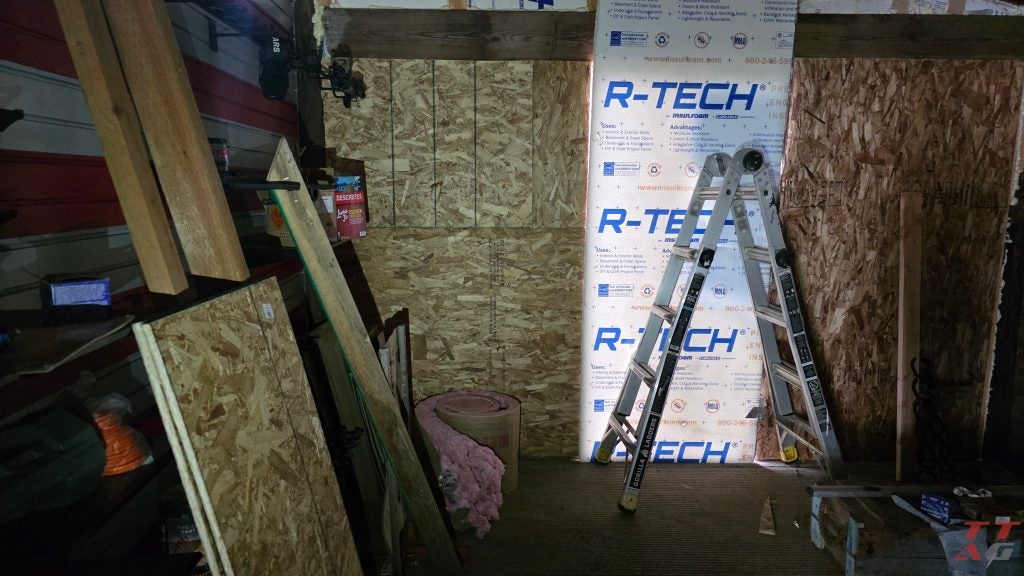
Spot Mode Performance
Spot mode, obviously, produces a tighter hotspot with usable throw for the slim form factor. I find myself using this one a lot when I need to reach farther without flooding the entire area, which can often create a “photonic barrier” that prevents me from seeing further away. This mode, in other contexts, is handy for outdoor identification or security work and can often give you better overall illumination on a single object for better identification.
In terms of power, its max performance mirrors the flood channel in that it has a strong initial output followed by a timed stepdown to prevent overheating. Regulation is adequate but not class-leading, and turbo availability drops at lower battery levels. The beam profile is controlled and functional.
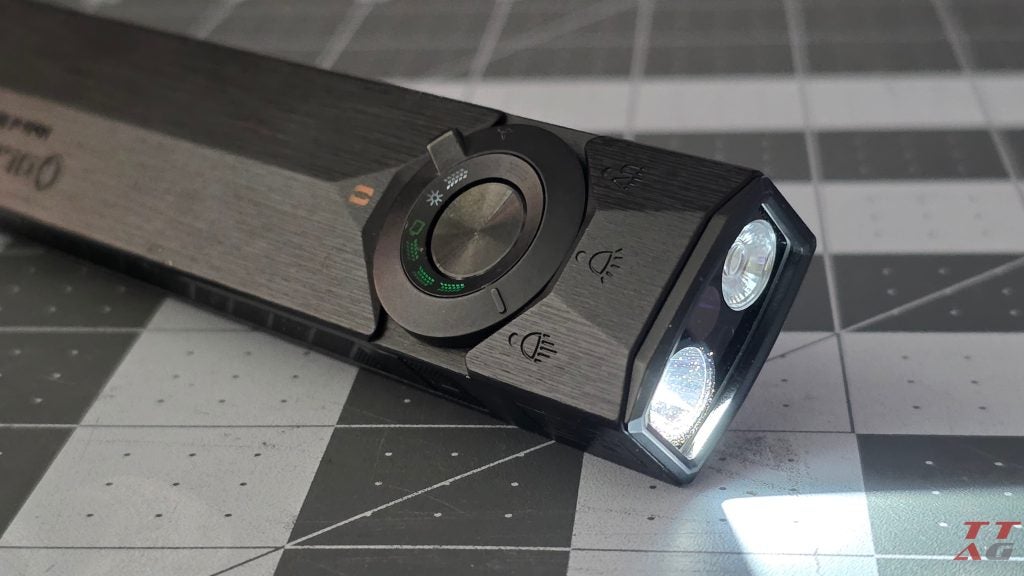
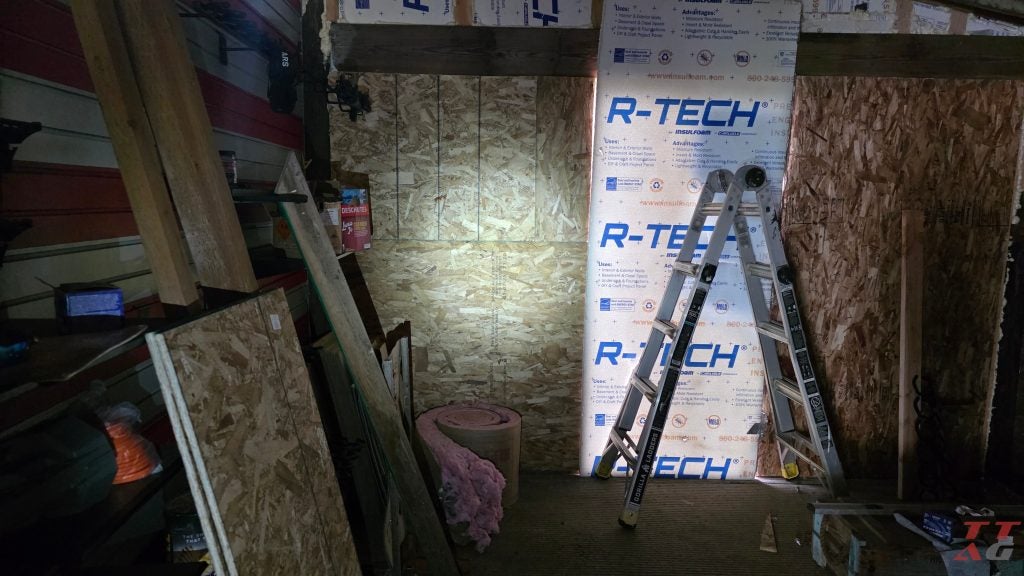
UV and Laser Modes
The UV mode is an absolute nightmare for germaphobes or neat freaks, but simultaneously one of the more helpful modes if you’re looking for UV-sensitive targets. This mode works well for practical inspection tasks or for spotting critters in the dark (scorpions in particular, glow very bright under UV).
The improved filter reduces visible light bleed compared to earlier generations, even on its low setting, making fluorescent targets easier to spot; they literally glow on the higher setting.
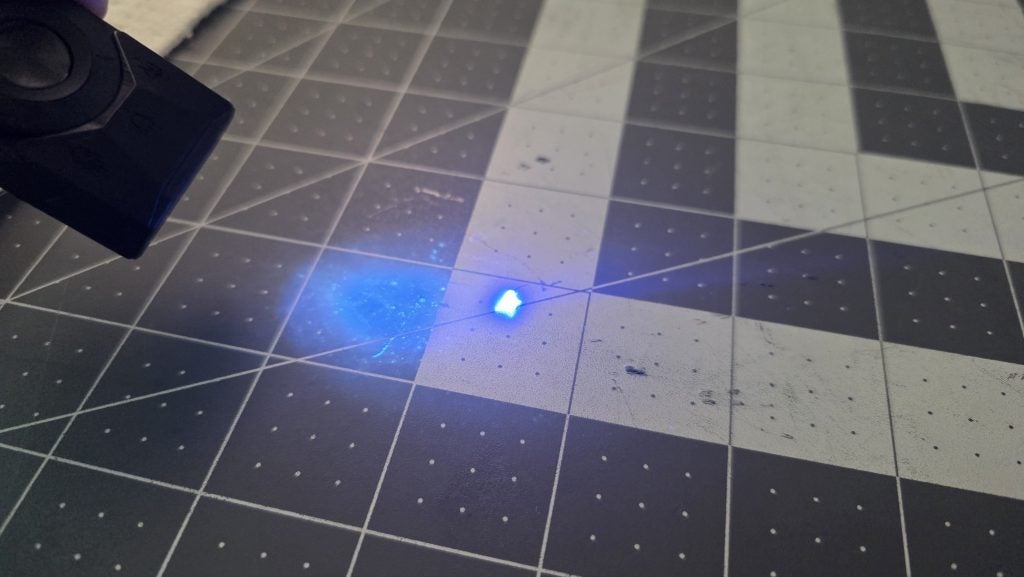
The dual brightness levels add versatility, but the UV mode is mostly usable only in the darkest of environments, as it gets washed out in any meaningful amount of natural light except at very short range. What I mean to say is that it’s not the most powerful UV light available, but there are really only three other options on the market that have a similar setup. The ArkPro Ultra’s filter is by far the cleanest beam amongst them, which should give you the best contrast in this class of pocket-UV light.
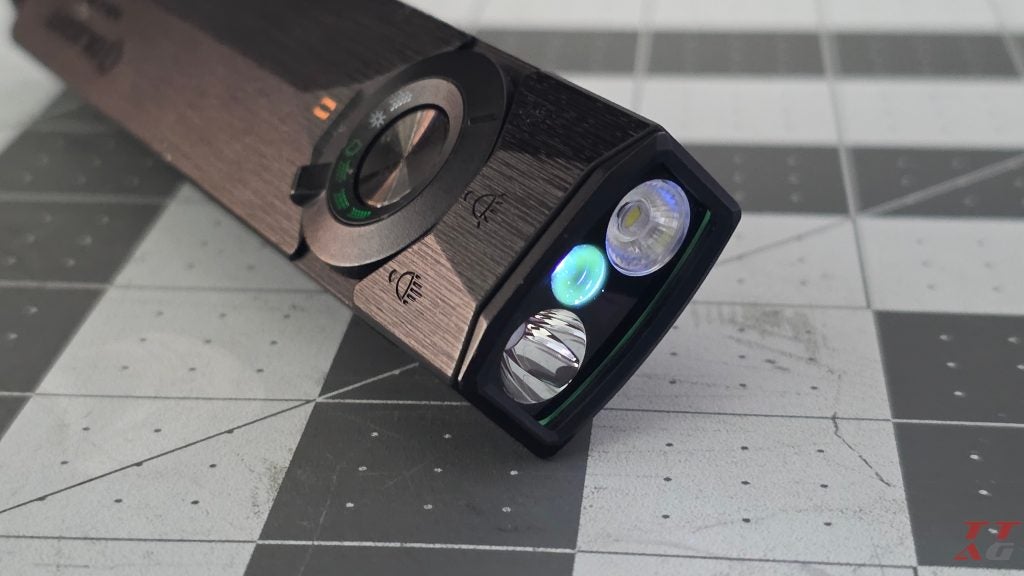
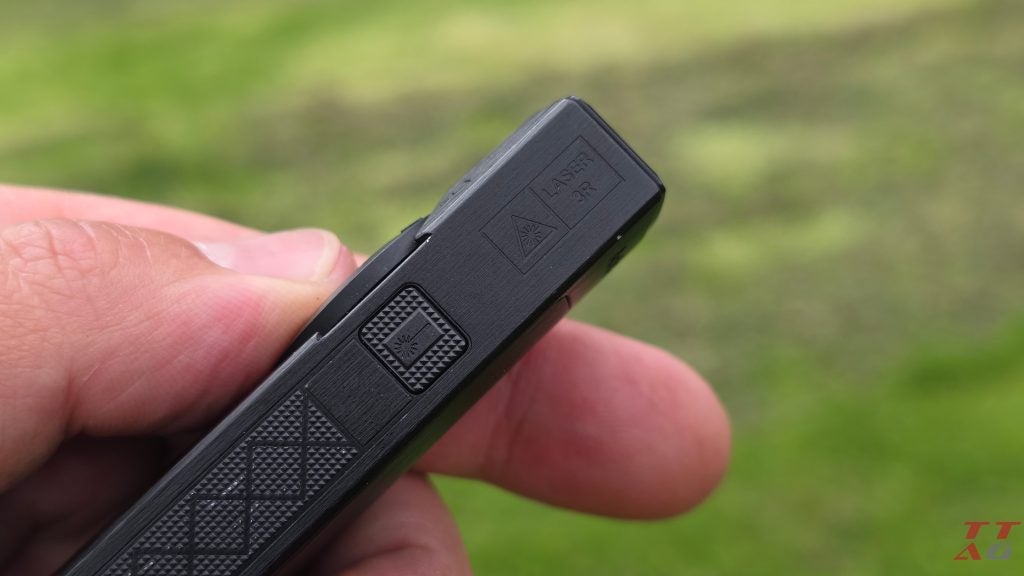
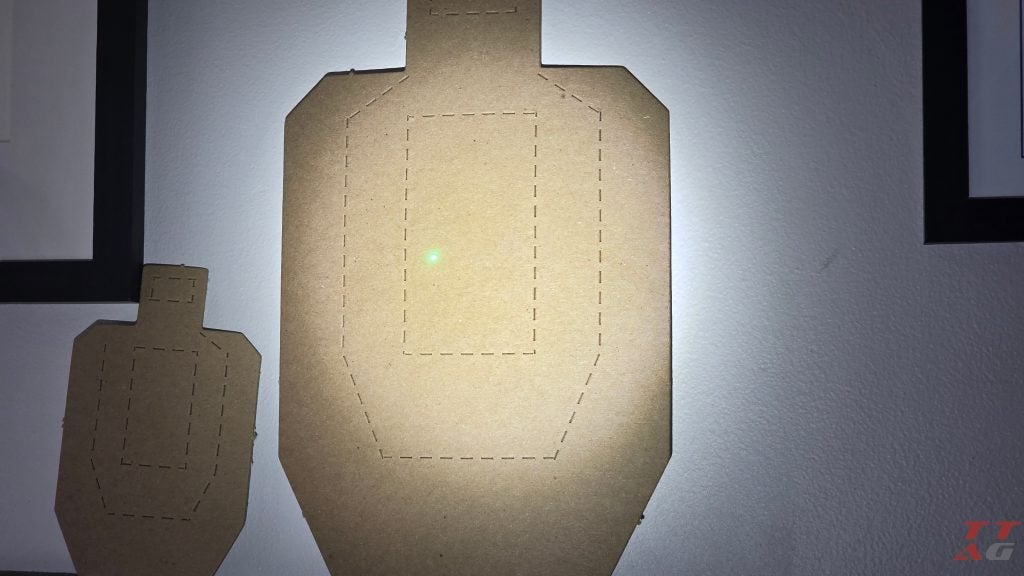
At first, I thought the onboard 5mW laser was sort of just a gimmick. Little did I know that pointing at things is quite primitive, and a laser pointer that can be used in tandem with a flashlight is extremely helpful when trying to point out specific details to someone else. The green laser is activated via a separate side switch and can be used alone or in combination with white or UV light.
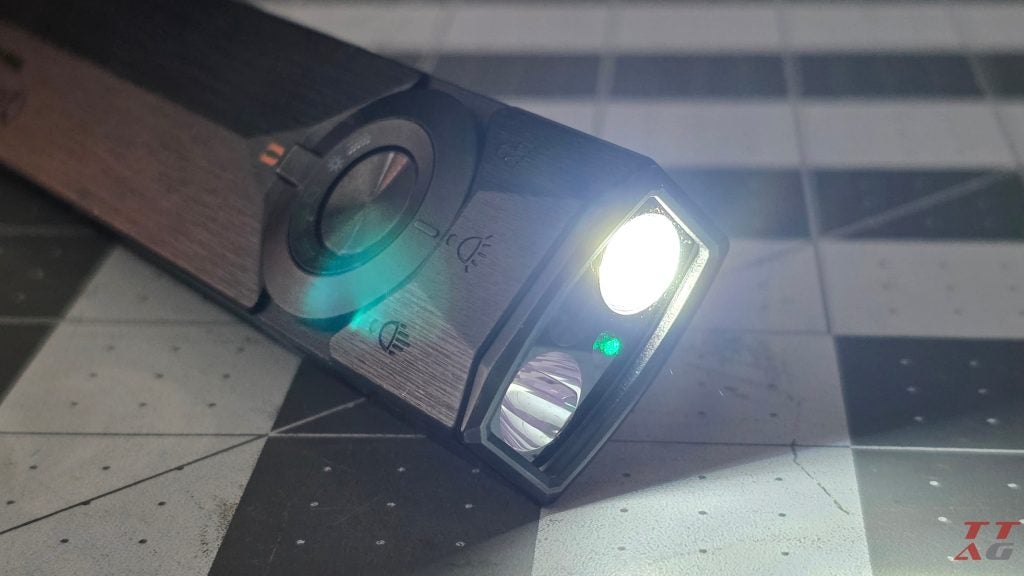
The laser’s 5mW output is what I’d call sufficient for typical indoor and short outdoor pointing/signaling distances. The dedicated switch sits flush with the sides of the light body, which should help prevent any accidental activations, which is important for any laser device.
Activation also requires deliberate pressure, and I think it has a reasonable balance between accessibility and safety. This multi-mode capability alone is what I think helped distinguish the ArkPro and now the ArkPro Ultra from its contemporaries like the SureFire Stiletto Pro II, Streamlight Wedge, and now Modlite ANARK, most of which are magnitudes more expensive and less feature-dense than the ArkPro Ultra.
Charging and Other Features
There are a couple of other novel features that are pretty standard for Olight products, but are either entirely foreign or just now being adopted by other competing light companies.
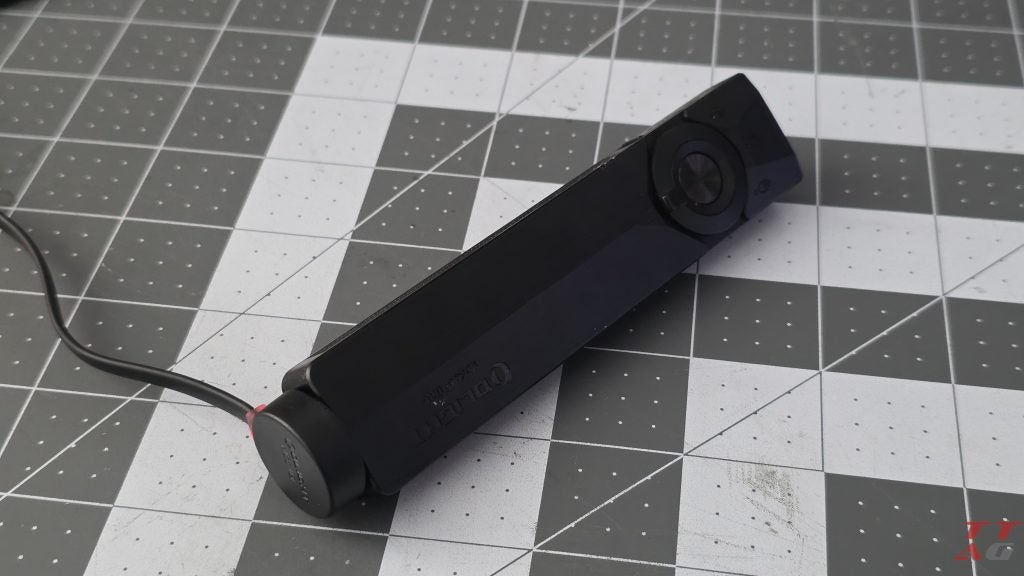
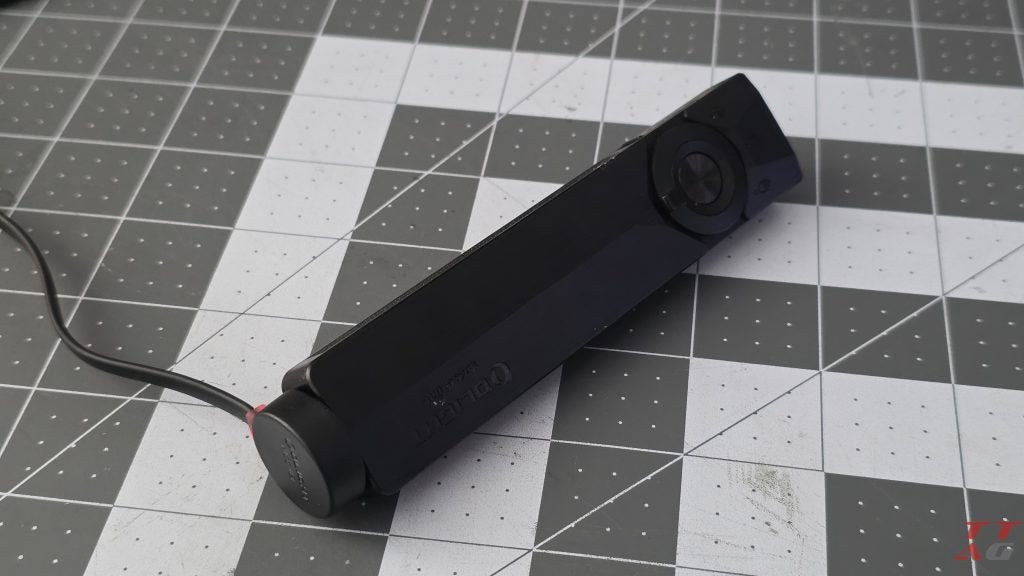
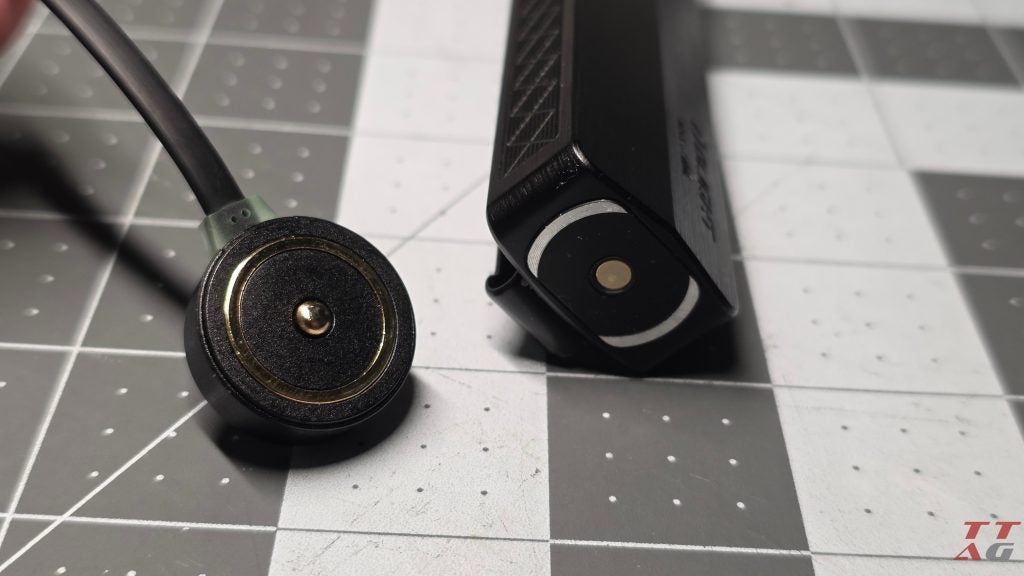
First is the Dual charging options (USB-C and MCC), which gives you the flexibility and convenience of a magnetic tailcap charger, or the ubiquity of the standard USBC cable. The light can be used while charging, though the turbo mode is disabled when charging, presumably to prevent overheating, which I hear is sometimes a sensitive topic when it comes to Olight’s old batteries.
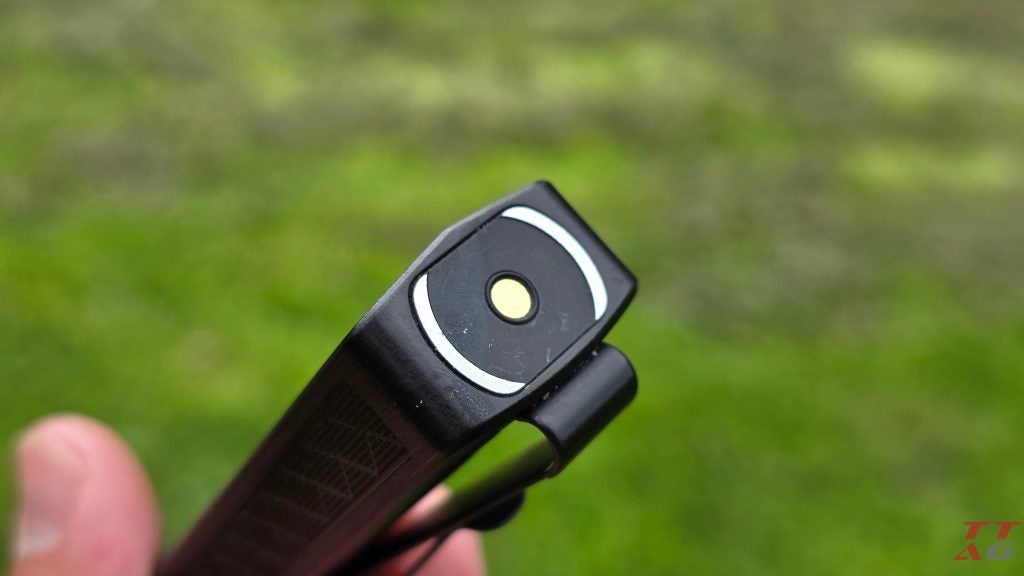
The ArkBeat indicator, which is the new display on the top face of the ArkPro ultra, is a nice visual touch that gives you a visual cue for battery level and mode feedback; even the Olight O logo lights up.
The ArkPro Ultra also has an electronic lockout, but it’s entirely digital and lacks a mechanical option; either way a good feature to have if you’re packing the light in a bag with other stuff that could inadvertently trigger the light.
Final Thoughts
The ArkPro Ultra won’t instantly convert every former skeptic. I’m still really not entirely satisfied that I’ve tested the ArkPro Ultra to a truly grueling set of work, but for now, it’s holding up as an EDC light as I fix my house up as spring emerges here in the PNW.
I like that Olight has dug in to their calling card features like a non-replaceable internal battery, timed stepdowns, cool-white tint colored light, and of course, its magnetic charging capabilities and densely packed emitter package.
Even if you factor in that this is a product produced in China, which typically doesn’t have the best reputation for quality, the ArkPro Ultra delivers is a fine example of an EDC light done not just right, but better. Flat-lights are only going to get more popular, and I think the ArkPro, Wedge, and Stiletto are all helping popularize the category.
I only hope that in the future, others start offering genuinely useful auxiliary features like separate flood, spot, UV, and laser options (maybe even a red light?) in a slim, durable, weather-resistant, well-built package that carries comfortably and works intuitively. The refinements over the first-generation ArkPro are noticeable but subtle, and worthwhile for any blue-collar guy, the weekend warrior.
In a word, the ArkPro Ultra is one of the stronger players in the flat EDC category right now, and I begrudgingly recommended with what I’ve experienced with it so far.
More Gear Reviews on TTAG:
Read the full article here
