



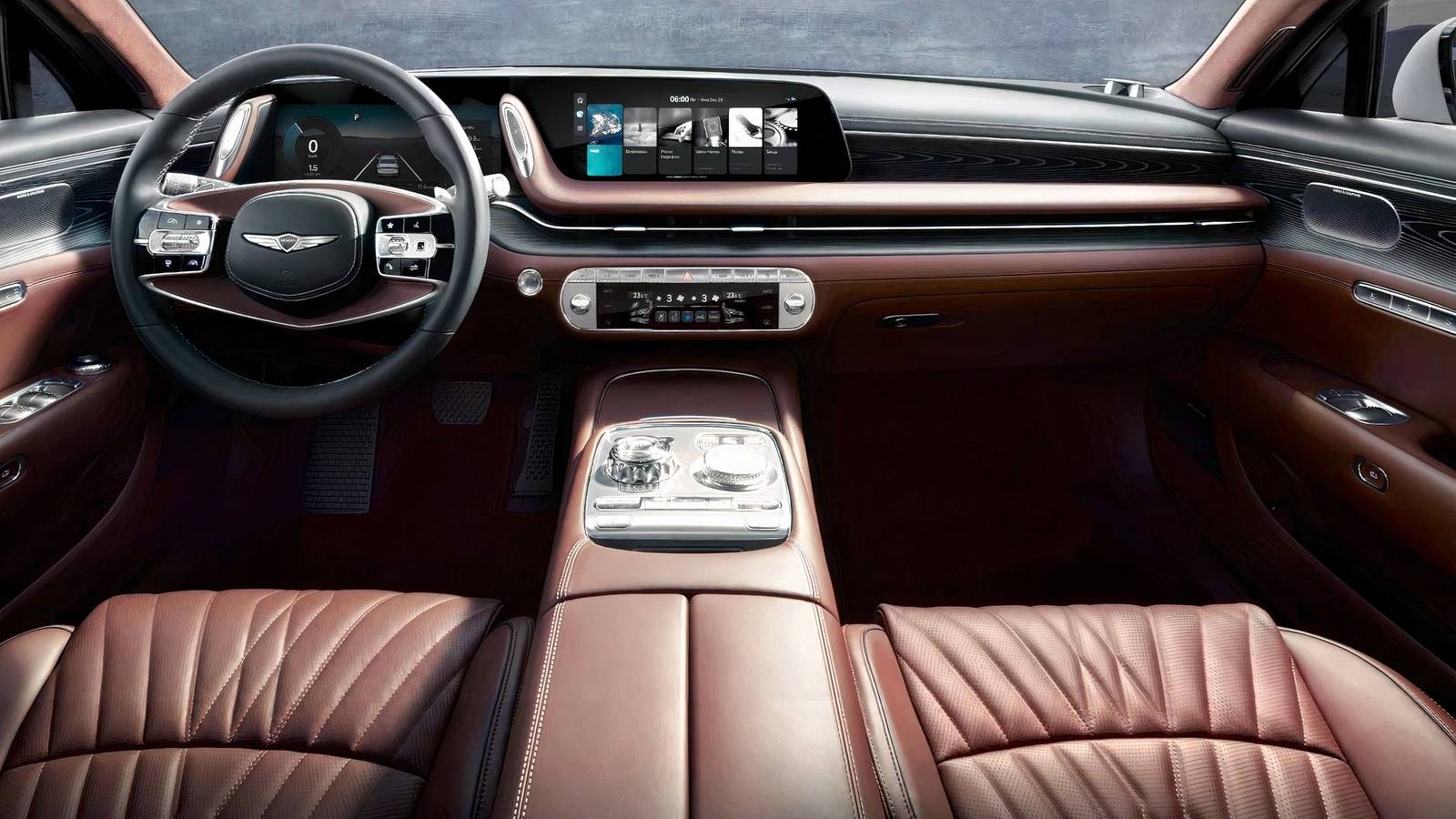

Many luxury automakers seem to think more screens – or bigger screens that take up most of the dashboard’s space – is the future. Models like the all-new Mercedes-Benz C-Class, for example, have so much space allocated to digital displays for the driver and passenger that the brand’s elegance can feel… lessened. While luxury interiors were once distinguished by high-end materials, clocks, and other interfaces that were easy to understand and felt nice to touch, it feels as though some automakers have lost their old visions.
However, Hyundai’s luxury division thinks differently.
Genesis is a high-end luxury brand that rose from an unassuming South Korean brand to battle directly against the top German names in the business. Genesis offers models like the flagship G90 sedan that follow its “Beauty of White Space” design philosophy.
In this article, we’ll discuss why so many luxury cars are screen-forward in the first place today, if people even want that many screens, what makes Genesis unique, and more.
All specifications are sourced directly from the manufacturer. Prices are correct at the time of writing, and exclude destination, options, taxes, incentives, and other potential fees. Automakers reserve the right to change prices at any time without notice.
Why do Luxury Cars Have so Many Screens Now?
A seemingly simple question — why do cars have huge screens these days? One theory is that it saves the manufacturers money. Choosing to make an entire dash out of screens (or, in some cases, a single massive screen from one wall to another) allows the automaker to cut costs that would have otherwise been spent designing and manufacturing more complicated interfaces with buttons, knobs, and nicer surfaces to look at.
Building luxury cars can still come with the usual nicer materials like leather seats, but brands save money in development and material costs by replacing entire surfaces with screens. More screens means more tech, tech that will eventually fall out of style or become obsolete.
In other words, auto manufacturers could be following many tech companies’ policies of planned obsolescence. Screens, like old smartphones, will eventually become obsolete as newer, faster interfaces become available. That means automakers not only save money by including them, they make money by having buyers return to purchase newer models with updated systems.
Do Buyers Even Want More Screens?
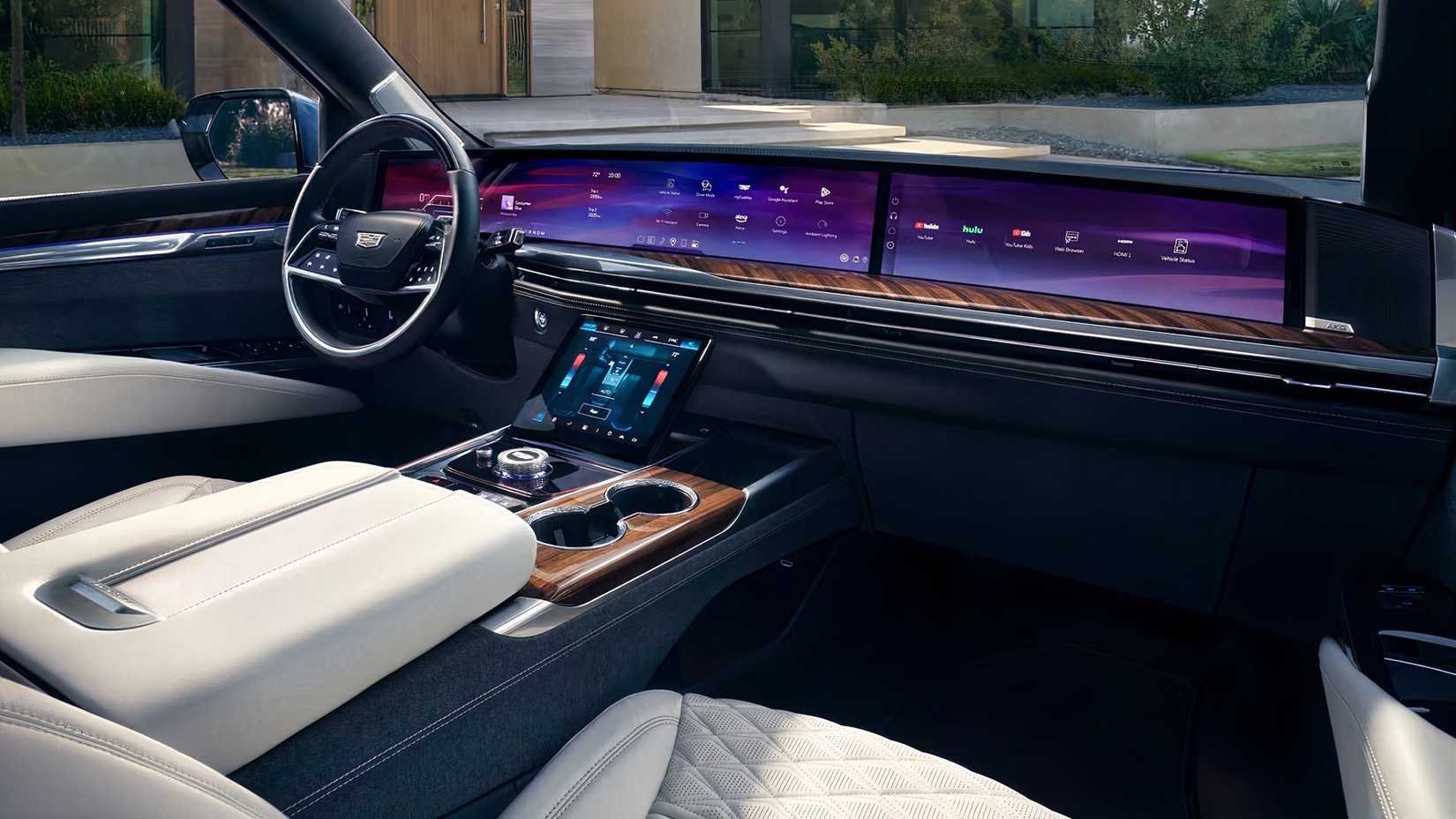
So automakers think they can get away with offering less appealing products in the name of saving money. Many of them advertise huge screens as being more luxurious, which seemingly turns the table on us — we now know that big screens don’t cost more to make, so why would consumers pay more for them?
According to a report by JD Power, buyers don’t want to buy cars with giant screens. In fact, five of the top 10 most frequently cited issues by drivers involve faulty multimedia systems. People are tired of finicky screens. The same report explains how “touchscreen and digital display problems increased year over year to 4.2 problems per 100 vehicles from 4.0 PP100.”
“Vehicle owners desire technology that is easy to use and minimizes distractions while driving. User frustration builds when controls are confusing and screens are cluttered. Data shows that a blend of touchscreen and physical buttons enhances usability – the goal isn’t simply fewer buttons, but also intuitive design.” – Lisa Boor, senior manager of auto benchmarking and mobility development, JD Power
Genesis’ “Beauty of White Space” Design Philosophy
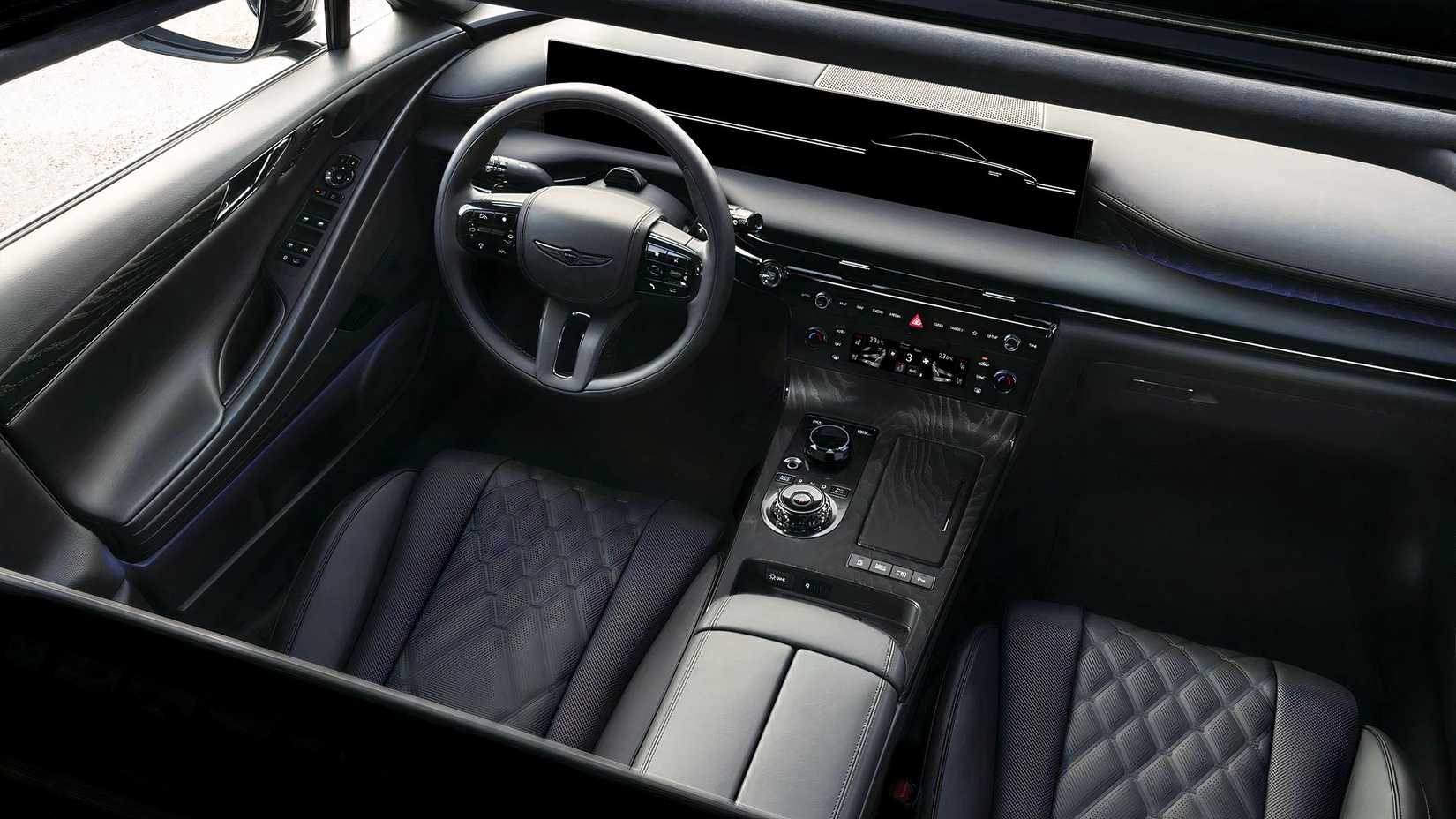
Genesis changes the game, not by excluding screens entirely, but by choosing to limit the number and size of the screens they install. For example, the G80 Prestige Black pictured above still features a screen that includes all driver display/gauge cluster functions and infotainment system, but there are plenty of physical buttons in the center stack.
By keeping physical buttons around, Genesis hopes to increase customer satisfaction via a tactile feel in addition to being more pleasing to look at than screens. Buttons and knobs also help reduce driver distractions, since the driver can learn muscle memory and adjust the climate or volume without looking.
The brand has explained how its Beauty of White Space design philosophy does not mean eliminating screens. The brand practices this design language everywhere — including in its own offices and other physical spaces.
Rather than trying to fill every last square inch of space with screens or other visual fillers, Genesis finds beauty in the blank space filled by quality materials. Surfaces that are nice to touch, combined with buttons and knobs to the same effect, transform the brand’s car interiors more than Mercedes-Benz’ current attempt to “wow” its buyers with dazzling colors and bright screens from wall to wall.
The Korean automaker wants to leave a lasting impression on its buyers by providing a multi-functional experience; everything from the sights to the feelings, sounds, and even smells are considered from start to finish in its design process.
It uses just the right amount of spice without over-seasoning the dish, so to speak. Special features like crystal shifters stand out, but they’re usually limited to a single aspect, rather than spreading across the cabin. Each model carries its own motifs without overtaking the cabin.
“We will maintain clutter-free interior designs while integrating key controls through AI and voice recognition. However, for safety and usability reasons, essential buttons will remain analog. The challenge will be to find the right approach to consolidate and streamline these physical controls.” – Jaeho Oh, head of interior design, Genesis
Read the full article on CarBuzz
This article originally appeared on CarBuzz and is republished here with permission.
Read the full article here
