



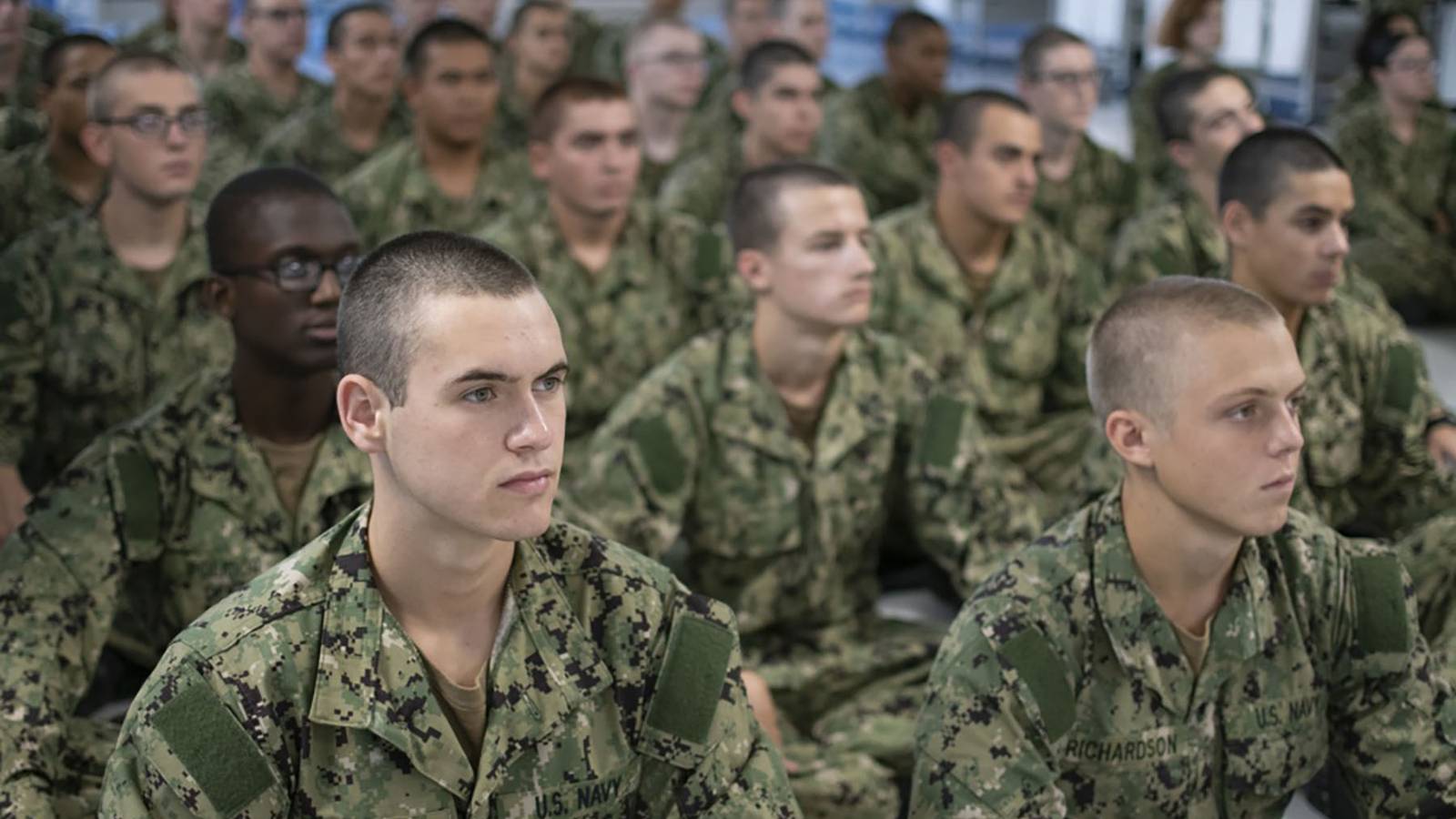

Every year, tens of thousands of young Americans stand at a pivotal crossroads, weighing whether military service is the right path for their future. Enlisting offers extraordinary opportunities; unrivaled professional development, full college tuition assistance, comprehensive healthcare, and a sense of purpose that few civilian careers can replicate. However, military service is not just another job; it is a profound lifestyle shift that demands discipline, resilience, and personal commitment. To ensure your military experience becomes a foundation for lifelong growth and success, preparation must begin long before you sign an enlistment contract or step foot onto a base.
Preparing for the Recruiter: Your First Strategic Move
Walking into a military recruiter’s office unprepared is one of the most common mistakes prospective recruits make. Remember, recruiters are active-duty professionals whose primary goal is to fill specific service needs, but your goal is to map out a path that aligns with your long-term personal and career aspirations. By taking control of the process early by educating yourself on service branches, gathering necessary documentation, and understanding eligibility requirements, you position yourself as an informed candidate who commands respect. Treat your initial recruitment visit like a high-stakes job interview: come equipped with clear goals, insightful questions, and a realistic expectation of what lies ahead.
Here are the top 10 things you need to consider before meeting with a recruiter:
1. Self-Motivation
Joining the military is often a life-defining decision. Your greatest opportunity for a successful enlistment or long-term career will suffer if you have been “talked into” joining. Make sure you can articulate why you want to join and be confident in your decision.
2. Best Fitness
The purpose of basic training, or “boot camp,” is to turn recruits into soldiers, sailors, airmen, Marines and guardians. This training is rooted in education, tradition and, yes, physical strength and stamina. All services have specific minimum requirements, but they represent only a starting point for recruits. Get into shape as far in advance of joining as possible.
3. Personal Initiative
Research important things about your future profession. Learn about current events around the world, because they may affect your potential assignment. Talk to veterans. Read stories about missions involving all services. Consider what you want to do when you enlist.
4. Plan Your Recruiter Visit
Call to make an appointment to meet face to face. Be persistent. Prepare questions ahead of time. Know what you need to bring and what you want to do in the military before visiting. Anticipate what you will need, such as a Social Security card, birth certificate, other IDs, and high school and college transcripts.
5. Gather Medical Records
The military will screen you medically, but you may be eligible for a waiver if you have had any previous surgeries, broken bones, or major illnesses. Know which ailments are potentially disqualifying. Check here for more info. Make copies of your records before submitting them.
6. Ace the Armed Services Vocational Aptitude Battery (ASVAB)
Learn how to How to Get the ASVAB Score You Want before taking the ASVAB. Many ASVAB study guides are available in bookstores and online. Your ASVAB score can determine what military specialty you qualify for in the military.
7. Best Behavior
“Good order and discipline” are core characteristics of the military. You will undergo a background investigation to ensure you have no disqualifying events in your past. Criminal behavior may be a disqualifier. Inform the recruiter of any arrests. An omission may be detrimental to progressing further due to a perceived character issue. A successful stint in the military depends heavily on trust.
8. Higher Discipline
Besides trust, a successful stint in the military relies on discipline. That discipline starts the minute a recruit arrives at basic training. Accept feedback constructively; it is key to developing the personal discipline necessary to succeed in the military. Learning to be led is the most important lesson in learning to lead.
9. See the World
Often, enlisting takes the newly minted Soldier, Sailor, Airman, Marine or Coast Guardsman, or Space Force Guardian, far from family, loved ones, and home. You will accrue travel and professional experiences that may shape the way you see the world at a very early age. Embrace the opportunity.
10. This Change Is Forever
Marines say, “The change is forever.” The military experience will shape your life through the development of self-reliance and relationships that may last a lifetime. You will learn how to react quickly to high-stress situations, and you will rely on your training to help others through traumatic events.
Many educational opportunities are available, including occupational training courses and potentially full college tuition paid in undergraduate and graduate programs. Choosing the military as a career also has its benefits (such as retirement and health care) and challenges. Here’s more info on the GI Bill and other military college/training programs.
Do your homework before seeing a recruiter. Take the time to educate yourself on all the pros and cons, and opportunities in front of you. It is your life; make it a good one. Start now.
Read the full article here
