





The Department of Veterans Affairs (VA) may have unnecessarily spent about $1.7 billion annually by sending some veterans to outside medical providers even though VA facilities may have been able to provide care, according to a new audit from a government watchdog.
The VA Office of Inspector General said in a report published Wednesday that the Veterans Health Administration (VHA) could have avoided roughly $440 million in spending during one quarter of Fiscal Year 2025, or $1.7 billion over a full fiscal year, if community care eligibility determinations had been made accurately and veterans had been referred to VA facilities with available services.
The audit was required under the Senator Elizabeth Dole 21st Century Veterans Healthcare and Benefits Improvement Act, which directed the watchdog to review VA’s handling of community care eligibility determinations.
VA press secretary Quinn Slaven told Military.com on Wednesday that the “VA is aware of this issue stemming from the Biden administration,” adding that the under secretary for health concurred with both OIG recommendations and submitted corrective action plans.
Those steps include a review of facility scheduling processes to ensure they align with national workflows and standard operating procedures, as well as an assessment of the Integrated Scheduling System. The VA said the review is expected to be completed by June 2027.
The VA also said the OIG agreed to close a second recommendation after the department established procedures to track and oversee consultations that had not been acted on by schedulers.
Watchdog Findings, Scrutiny
The audit found that roughly 25% of 1.4 million veterans referred to community care during the review period did not meet eligibility requirements, raising questions about how VA is managing a program that has grown rapidly since the MISSION Act expanded veterans’ access to care outside the department.
At the same time, the watchdog found the opposite problem for millions of other veterans. About 38% of 4.8 million veterans who received care directly from the VA did not have documented evidence showing they had been assessed for community care eligibility.
That means some veterans may have been sent to outside providers when VA care was available, while others may not have been properly evaluated for outside care when they might have qualified.
The OIG said the problems were caused in part by guidance from VA’s Office of Integrated Veteran Care that did not align with the MISSION Act. The report also said scheduling system limitations prevented staff from seeing appointment availability across all VA medical facilities, while schedulers lacked complete access to community care wait time information.
The audit comes amid mounting scrutiny of VA community care spending.
In February, Sen. Richard Blumenthal (D-Conn.), the ranking member of the Senate Veterans’ Affairs Committee, raised concerns that funding for VA community care had grown from $9 billion in 2019, to more than $48 billion in the VA’s FY26 request, representing an increase of about 530%.
Community care was expanded to give veterans more options when VA care is unavailable, too far away, or cannot be provided within certain wait-time standards.
The program has also become one of VA’s largest cost and oversight challenges, with lawmakers, watchdogs and veterans groups questioning whether the department is accurately determining eligibility and tracking whether veterans are receiving timely care.
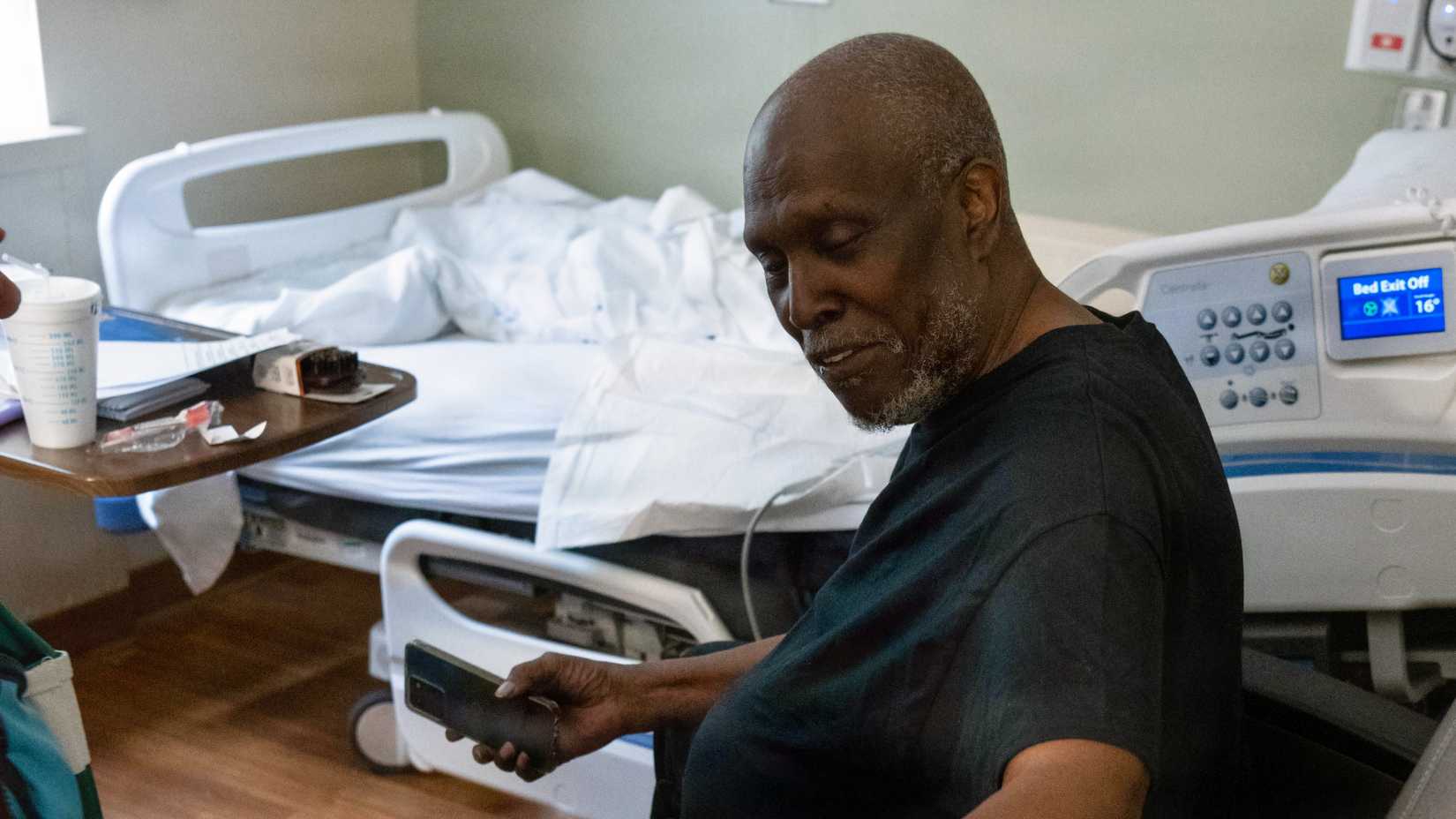
Center in Milwaukee, Wis., receive gift bags from volunteers on Dec. 22, 2025. Volunteers visited several different floors of the facility to personally thank veterans for their service. (U.S. Air National Guard photo by A1C Amelia Buell) (This photo has been exposure and color corrected to enhance detail)
The OIG made two recommendations to the VHA. One called for a strategic review of VA medical facilities’ scheduling departments to determine whether alternatives could improve consultation processing, scheduling efficiency and timeliness.
The second called for VA to establish procedures to track and oversee consultations that schedulers had not acted on, so those cases could be identified and prioritized. That recommendation was closed and implemented June 17.
The under secretary for health concurred with both recommendations, according to the report.
The latest audit follows previous watchdog findings that have raised concerns about community care management. A 2025 OIG review of one regional VA network found schedulers did not always accurately determine veterans’ eligibility for community care or reliably provide timely care.
The network’s delays risked some veterans not receiving care when needed, per the report.
Read the full article here
