




Complexity is the enemy of affordability, and cars have an affordability problem. An automobile has always been a big investment, but now, more than ever, the problems come once the car leaves the dealer’s lot. While an out-of-warranty repair or a minor collision was once somewhat affordable to fix, even the simplest-seeming parts of a car can cost thousands of dollars. A new bumper, for example, is no longer something simple and relatively inexpensive to replace.
Cars Have Become Rolling Computers
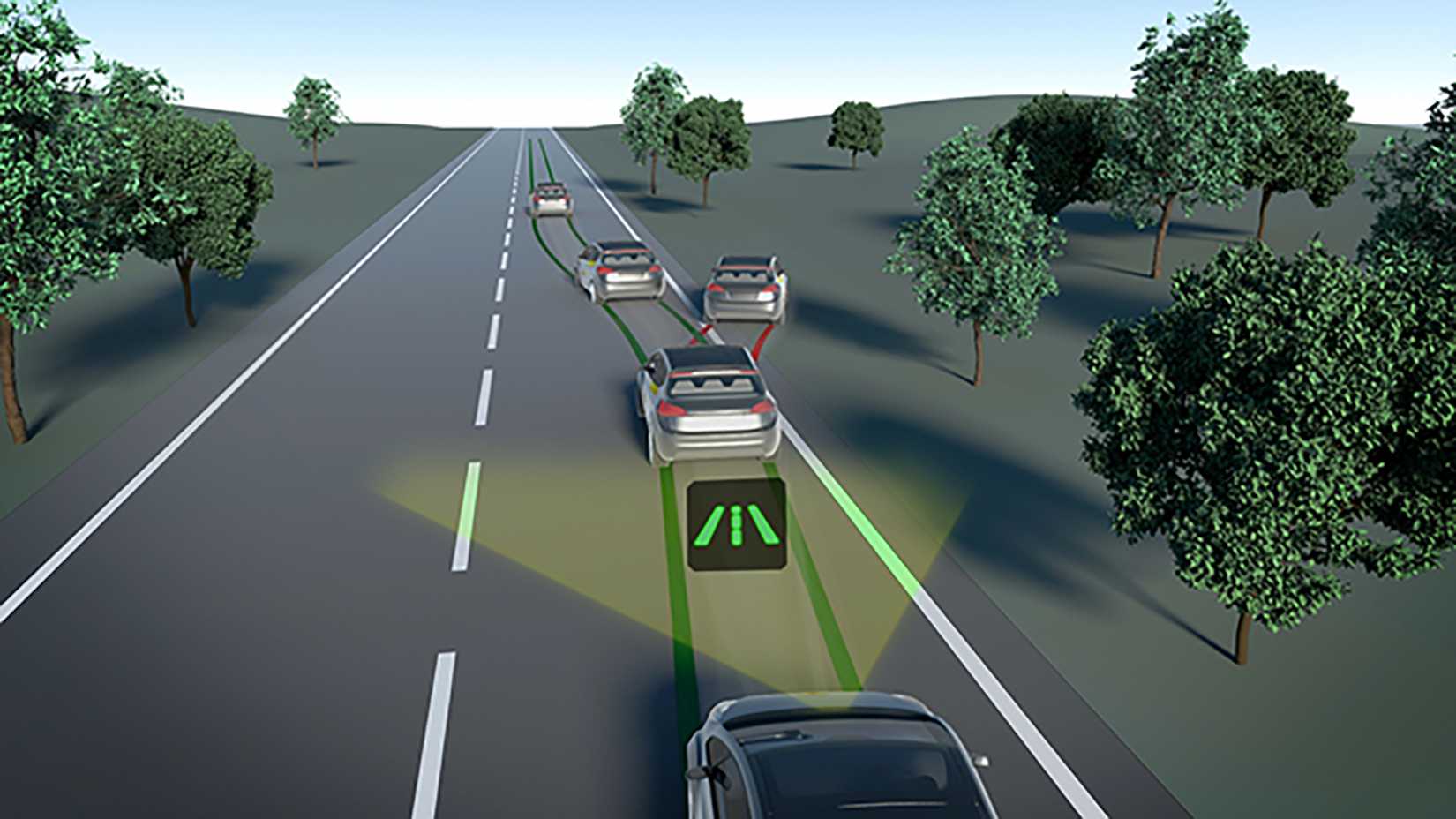
Cars becoming rolling computers isn’t a new complaint, but we’re not talking about a fairly basic ECU chip or sensors for the engine and brakes anymore. We’re referring to full computer systems that pull data from all around the car, and this tech controls the vehicle based on that input. Even fairly basic driver-aid systems like adaptive cruise control and blind-spot monitoring can require cameras, radar, and even lidar (consisting of laser imaging, detection, and ranging).
To create a package of advanced driver-assistance systems (ADAS) or safety systems that includes adaptive cruise control, automatic emergency braking, blind-spot monitoring, lane-keep assistance, and so on, the sensors require dozens of electronic control modules to process and respond to inputs. Add torque control to the electronic stability control (ESC) system, and that’s a lot of processing and sensors working together.
Small Damage Can Mean Big Repairs
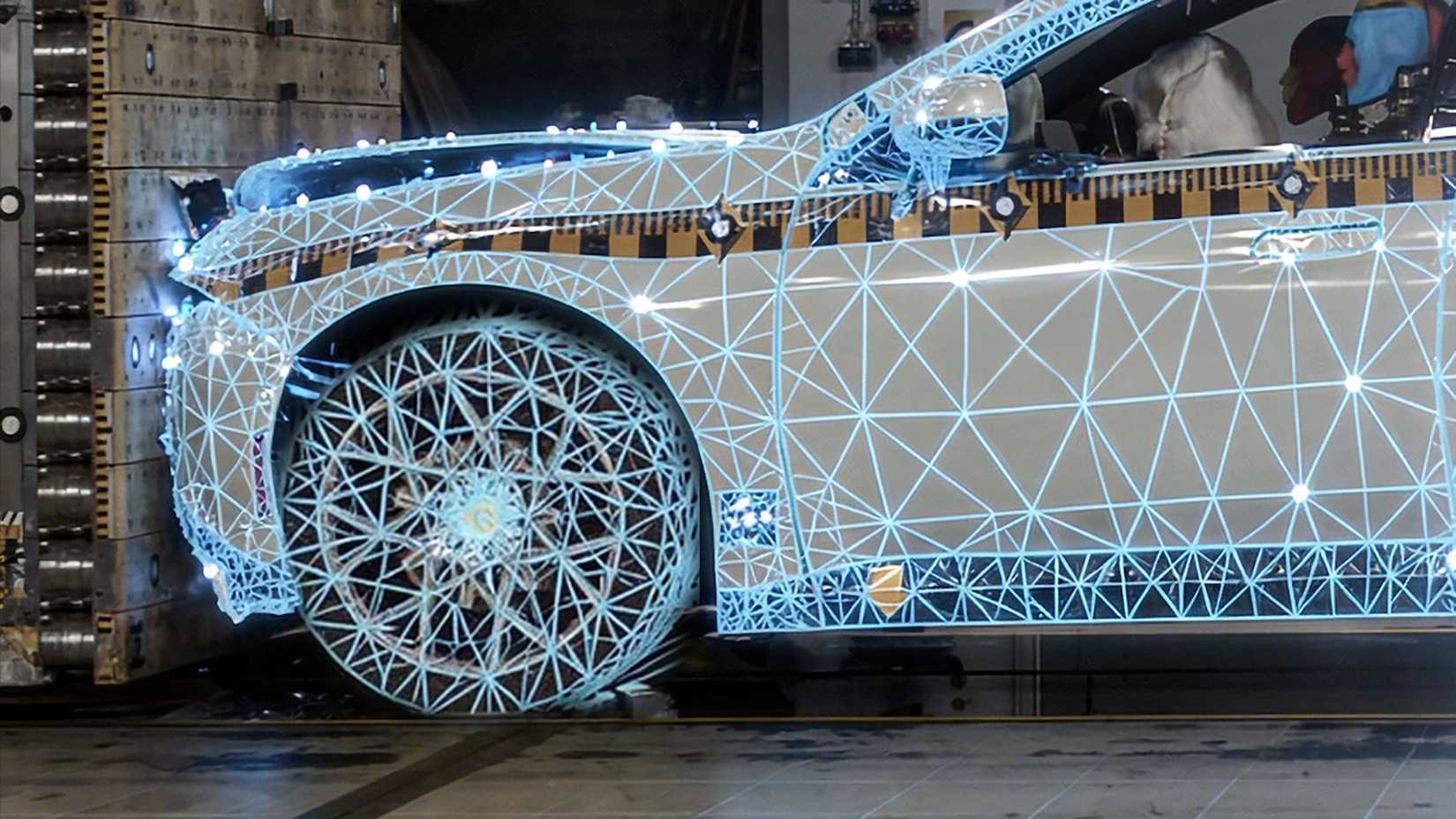
The complexity of computer systems means many things can fail and require repair. But a small impact can cause expensive damage. Parking sensors in a bumper will need to be repaired and calibrated or recalibrated if reused. New sensors cost between $100 and $300 each, while lidar and radar units for adaptive cruise control and automatic emergency braking can run from $900 to $2,000 each.
Radar and lidar units aren’t in the bumper so much anymore, but in a heavy crunch, a front grille can be shockingly expensive to replace. A luxury car can now contain four cameras and six sensors in a single bumper. Calibrating sensors is a complex process that requires specialized equipment costing shops tens of thousands of dollars. The calibration takes one to two hours and requires specific procedures for each make and model.
Even a cracked bumper isn’t necessarily easy to repair now, as it often requires specialized materials and repair and paint techniques. A crack near a mounting point typically means replacing the whole thing, and welding isn’t often a viable option anymore.
That’s mixing in software and hardware, and it just increases with a sophisticated all-wheel-drive system. There are huge expansions in software integration happening. For example, many modern infotainment systems can display data from the vehicle’s other computers while also requiring their own hardware, such as a screen and possibly buttons.
Safety Is Expensive
A car’s bumper is also a piece of technology now, not to mention the sensors. There’s a reinforcement bar behind the cover with specific crush characteristics to work with the vehicle’s crumple zones. Crash safety has evolved to the point where it’s carefully engineered to absorb impact without transmitting it to the passenger area. The result is brilliant for crash safety, but the car is designed to crumple as a whole from the front and back in a collision.
There have also been tales of accidents that cause minor damage but still set off airbags, leading to a car being written off by an insurance company. There’s a truth in that because airbags are expensive to replace, there is a lot in even the most affordable new cars now.
Read the full article on CarBuzz
This article originally appeared on CarBuzz and is republished here with permission.
Read the full article here
