



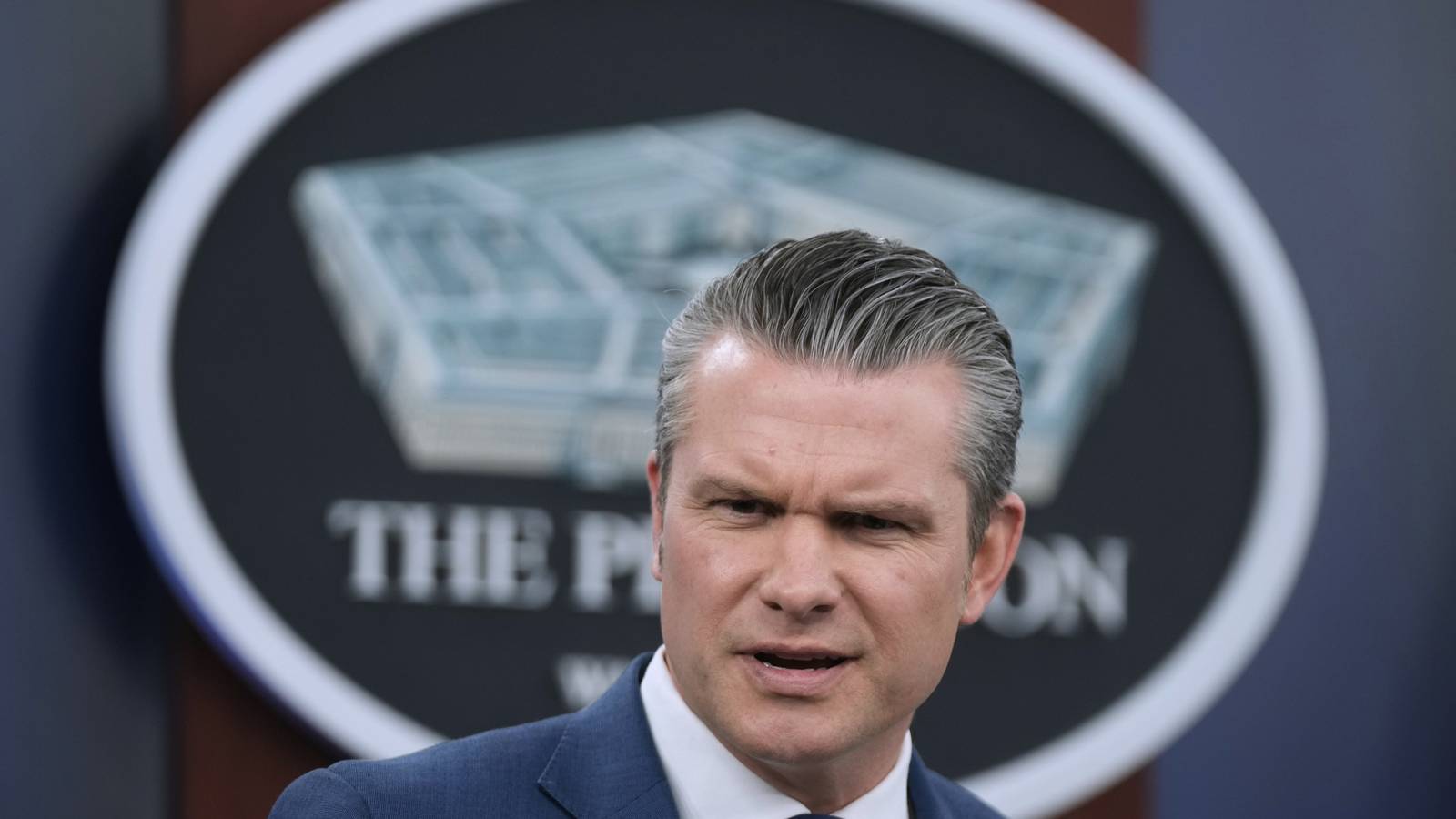

Defense Secretary Pete Hegseth has ordered military service academies to stop granting tenure to civilian professors, arguing that academic job protections undermine their war-fighting mission.
The Pentagon declined to explain to Military.com who the policy affects, the evidence behind it, how the academies will recruit and retain qualified professors, and what will protect faculty from political pressure once tenure is removed and a more liberal administration is inevitably elected in the future.
When reached with those questions, a Pentagon official responded: “We have nothing additional to provide beyond the statement and the memo.”
The Sept. 29 memo stops new tenure appointments; it does not explicitly revoke tenure already granted. Neither the replacement employment structure nor treatment of professors already pursuing tenure is specified.
Faculty already employed on tenure tracks could consequently lose the opportunity to earn protections they expected, even if existing tenured professors retain theirs.
For professors who already hold tenure, another unanswered question is whether those protections survive promotion, reassignment or transfer into a newly created administrative position.
Many of Those Considered Civilians by Hegseth Have Actually Served
The Naval Academy reports 217 tenured civilian professors and another 67 on tenure tracks.
West Point’s faculty is approximately 27% civilian. The Air Force Academy reported a 34% civilian faculty share at its December 2025 Board of Visitors meeting. These figures describe employment status, not whether those professors previously served in uniform.
Government records document veterans within the civilian faculty at all three institutions. Among civilian respondents to a 2003 Government Accountability Office survey, approximately 27% at West Point, 23% at the Naval Academy and 51% at the Air Force Academy reported prior military service.
Those percentages, calculated from the survey’s employment categories, describe respondents more than two decades ago, not today’s faculty.
A separate 2010 congressional report found that 30% of the Air Force Academy’s civilian faculty were military retirees. That narrower category excludes veterans who left service before retirement, so it does not capture every civilian professor with military experience.
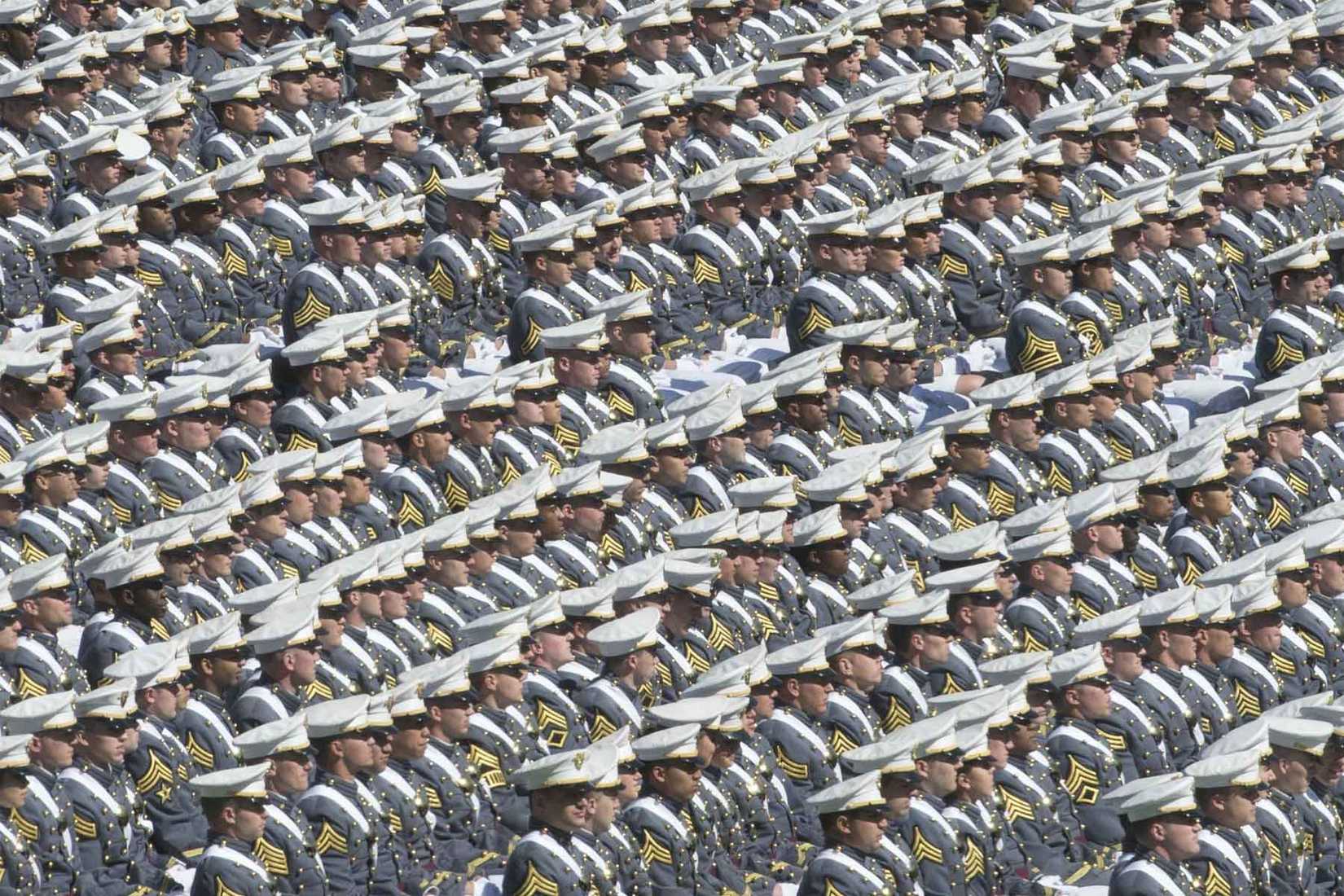
In speaking with professors from the service academies, Military.com learned that many civilian professors are combat veterans, with some having more combat time than their active military counterparts. Some “civilians” are considered the most operationally relevant in their department.
The distinction has consequences under a directive that contains no stated exemption for either group. Veterans already teaching on tenure tracks could lose access to protections their institutions previously offered, regardless of whether they served four years or completed a military career.
When asked how many professors considered to be civilians had served in the military and whether their service would receive separate consideration, the Pentagon provided neither a current breakdown nor an explanation.
The available evidence establishes that veterans do fall within the affected category, and historical figures show that the civilian faculty category includes a substantial contingent of veterans.
A Remedy for a Problem Leaders Said They Could Address
Hegseth argues that tenure encourages stagnation, complacency and curricula shaped around professors’ research rather than military requirements.
His directive calls for hiring plans emphasizing flexibility and contributions to war fighting. The Pentagon did not answer Military.com’s request for specific evidence, nor did it provide any examples of a time tenure had weakened officer education or readiness.
Academy leaders previously described a different relationship between tenure and military education.
During a March 26, 2025, Senate hearing, then-Naval Academy Superintendent Vice Adm. Yvette Davids called tenure “a wonderful recruiting tool” and an incentive for “the best and the brightest” to stay at the academy.
Then-West Point Superintendent Lt. Gen. Steven Gilland emphasized that faculty had to demonstrate qualifications to earn it. Then-Air Force Academy Superintendent Lt. Gen. Tony Bauernfeind described tenure as part of civilian faculty members’ academic progression.
All three also confirmed that established procedures allowed them to dismiss tenured professors. Gilland said West Point had that authority, Davids identified a human resources process, and Bauernfeind confirmed a process existed for civilian and military personnel who failed to meet standards.
None reported dismissing a tenured professor during their own time as superintendent. When asked what shortcomings Hegseth identified in those procedures, the department offered no explanation.
Ending new tenure appointments could make recruitment harder if qualified applicants can obtain those protections elsewhere, while also adding to existing retention pressures.
Air Force Academy officials acknowledged faculty losses at their December 2025 Board of Visitors meeting.
In written comments submitted for that meeting, retired Air Force Col. Kent Murphy asserted that “almost all of our current civilian faculty members are actively seeking employment elsewhere.”
“We’re continually hemorrhaging them, and to make matters worse, many of our military educators are putting their papers in for early retirement. They simply don’t want to teach in an academically understaffed, low-morale environment,” Murphy added.

Civilian professors—who are also military veterans—told Military.com in the months before the Sept. 29 memo that discussions about ending tenure had prompted them to begin seeking employment elsewhere.
The Pentagon did not explain how it plans to recruit and retain a competitive faculty.
Protections That Have Also Defended Conservatives
Tenure and academic freedom protections have historically benefited conservative professors whose views clashed with their employers.
Marquette University suspended political science professor John McAdams after his 2014 blog post criticized a graduate student instructor by name for refusing to allow debate over same-sex marriage. Marquette argued that identifying her and linking to her contact information exposed her to harassment and threats.
In 2018, the Wisconsin Supreme Court ruled that the post fell within his contractual academic freedom protections and ordered his reinstatement with unimpaired rank and tenure.
When University of Pennsylvania law professor Amy Wax said the United States would be better off with less Asian immigration, then-law Dean Theodore Ruger condemned her comments as racist but acknowledged that tenure and academic freedom also protected scholars whose views the university opposed.
Penn later imposed a one-year suspension at half pay and other sanctions in 2024, without firing her or stripping her tenure.
Portland State University similarly defended political science professor Bruce Gilley’s academic freedom after his 2017 article, “The Case for Colonialism,” argued in favor of colonial rule and generated widespread criticism. The university rejected his views but affirmed his right as a tenured professor to research and publish controversial arguments.
When asked what would protect academy professors who disagree with their superiors or a future liberal administration, the Pentagon did not identify replacement safeguards. Removing tenure could increase dependence on renewal decisions; the political consequences would depend on who controls those decisions and what protections remain.
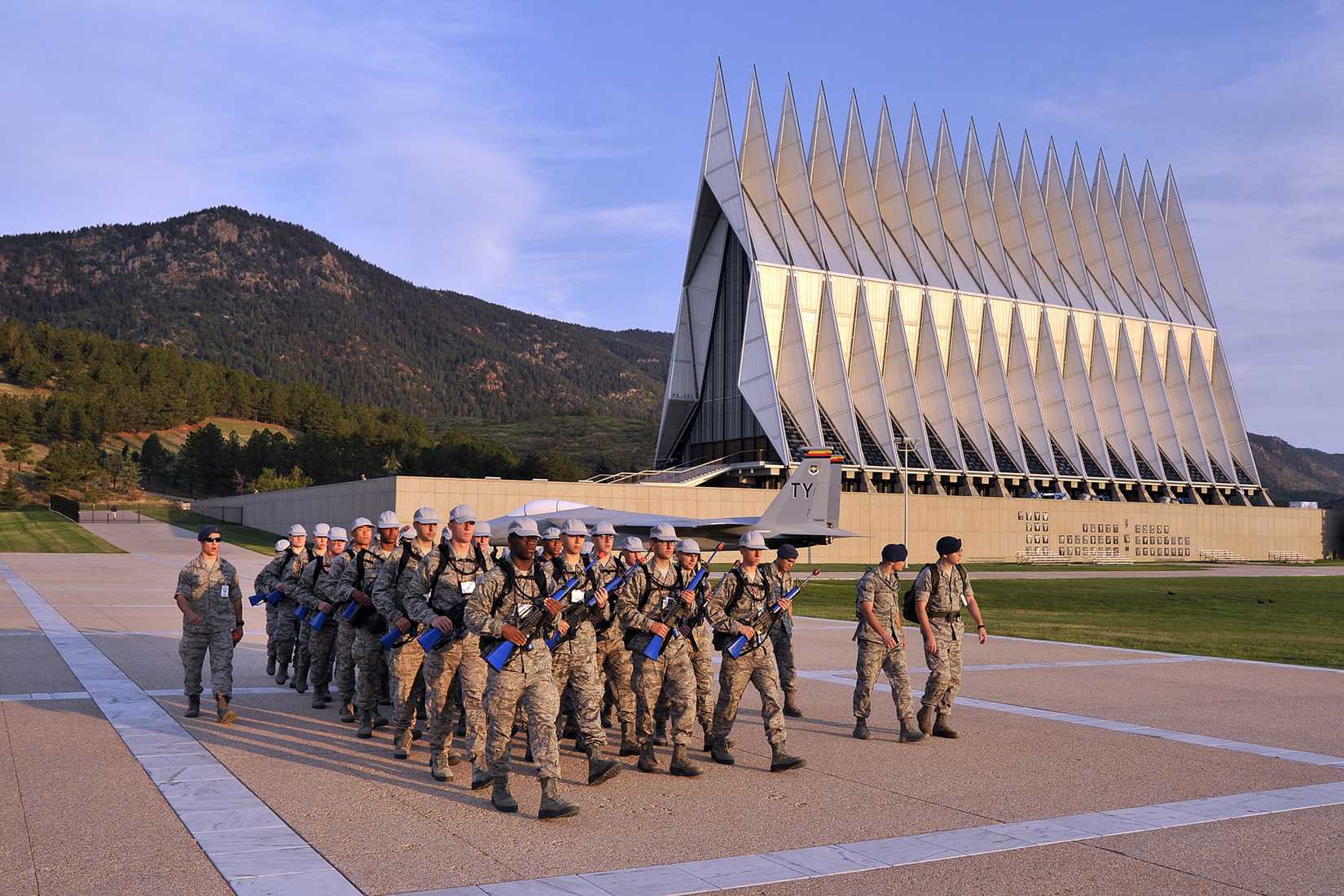
Constitutional limits already constrain academy leadership. A Sept. 8 stipulated judgment declared West Point’s challenged civilian-faculty speech restrictions unconstitutional and permanently barred their enforcement.
The government preserved its appeal rights and agreed to a judgment without admitting liability. That case addressed speech restrictions, not tenure, but ending tenure would not erase the First Amendment.
Although a draft tenure proposal had circulated before the final judgment, Hegseth issued the directive three weeks after the court permanently barred West Point’s speech restrictions.
That sequence raises whether the legal setback regarding speech restrictions on civilian faculty influenced the decision to proceed with eliminating civilian tenure.
Borrowing From Civilian Universities
While Hegseth’s memo states he is looking to “address the structural mechanisms that have allowed civilian academic norms to dilute our focus on lethality,” the Air Force Academy is simultaneously creating four interdisciplinary schools and adopting civilian-adjacent titles such as provost.
These actions explicitly adopt “civilian academic norms.” When asked how Hegseth distinguishes beneficial civilian academic practices from those he says undermine military education and lethality, no answer followed.
The restructuring also raises questions about whether existing employment protections follow professors into new positions. If accepting an administrative appointment requires relinquishing a tenured faculty position without a guaranteed right to return, a promotion could leave that professor more vulnerable to dismissal.
The published announcements do not establish whether such terms apply.
A Broader Campaign Against Academic Independence
Ending new tenure appointments fits into Hegseth’s broader campaign to reshape where officers study and how independently their professors can teach.
He previously restricted military participation in programs at Harvard and other prominent civilian universities, portraying those institutions as sources of ideological indoctrination.
Those decisions, again, raise a question the Pentagon has yet to answer: How does it distinguish education that challenges officers to think from education it considers a threat?

Hegseth himself earned a Harvard master’s degree before restricting military participation in Harvard programs. When asked what changed between his own educational choice and his policy for today’s officers, the Pentagon offered no explanation.
At a June 2025 House Armed Services Committee hearing, Hegseth repeatedly avoided direct answers about his use of Signal to discuss military operations.
The new emphasis on war fighting sits beside Trump’s appointments to the Air Force Academy’s Board of Visitors, which advises on curriculum, instruction and academic methods.
Murdered conservative activist Charlie Kirk joined without military service or an earned college degree. Trump then appointed his widow, Erika Kirk, who also has no military service.
Board Chair Rep. August Pfluger (R-Texas) promoted her selection as a way to “carry on Charlie’s legacy,” rather than identifying expertise in military education. A family connection to a political activist could be perceived as warranting an endorsement that experienced civilian professors, including veterans, now struggle to secure.
Professors awaiting tenure still lack a public transition policy, recruitment concerns remain without a stated remedy, and the Pentagon has identified no replacement safeguards against inevitable political pressure from future administrations.
Its response supplied none of the information needed to assess whether eliminating new tenure appointments will improve the officer education Hegseth seeks to “strengthen.”
Officers and the professors who educate them are being asked to accept that promise without the evidence needed to evaluate it.
Read the full article here
