



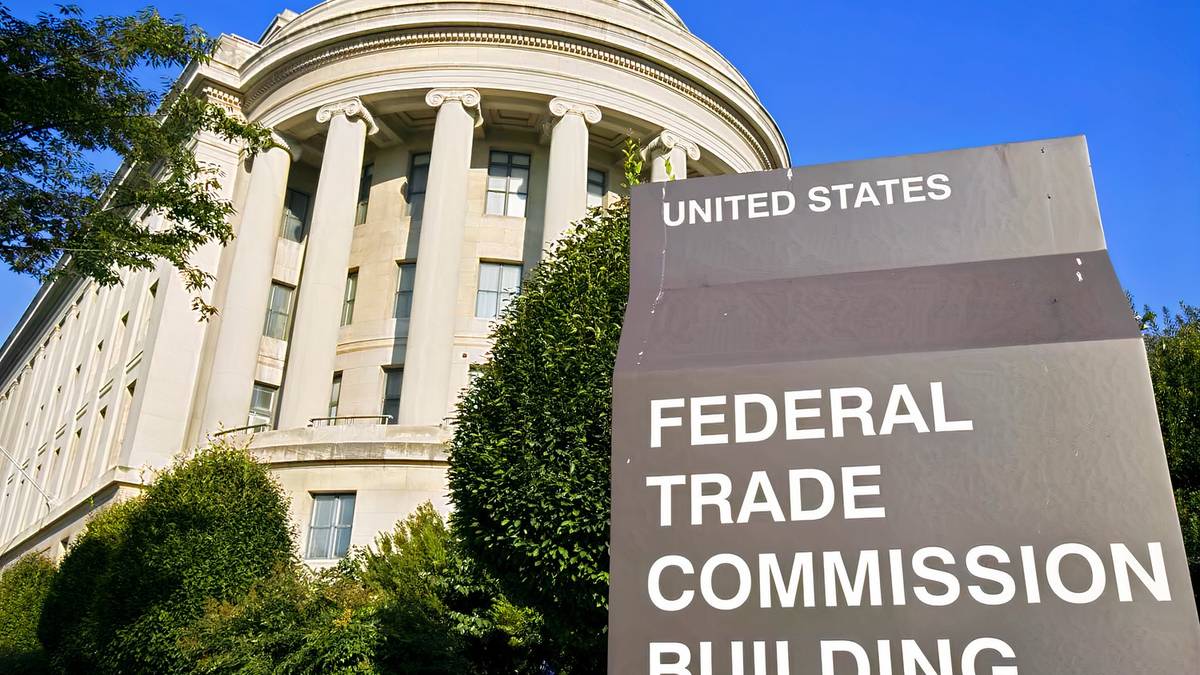

The federal government has issued guidance to veterans to help them avoid scammers who target recipients of benefit schemes.
In a memo posted by the Federal Trade Commission, the agency warned veterans against those posing as staff from the Department of Veterans Affairs (VA) to seize veterans’ money and data and provided them with go-to red flags to ascertain real VA staffers from scammers.
“Scammers know that applying for veterans benefits is at the top of the to-do list when you’re getting ready to leave the military,” said the memo, published on Monday. “That’s why they pretend to be with the Department of Veterans Affairs (VA) and offer to help you apply for benefits if you pay them, even though it’s free to apply with the VA.”
Risks to Veterans
It comes amid rising concerns about scammers targeting veterans in this manner.
According to a 2025 survey by AARP Research, 39 percent of veterans had been solicited by someone claiming to represent the VA or another government agency. Another 28 percent believed their veteran status made them a target. More than a quarter said they had lost money to fraud, most losing over $500.
AARP also found veterans are more likely than non-veterans to receive repeated robocalls, phishing attempts, and fraudulent “benefit assistance” offers that exploit their service background and access to federal programs.
To combat issues like these, the VA joined eight federal partners in August 2024 to launch VSAFE.gov, which came with a companion hotline at 1-833-38V-SAFE. Veterans can also file a report at reportfraud.ftc.gov.
The memo said that the VA will never charge veterans to apply for benefits, so if someone suggests a payment is needed, this is a major red flag for a scam.
It added that veterans who want to apply for benefits should do so directly with the VA and that working with a VA-accredited representative will ensure a person claiming to help a veteran is actually approved by the VA. “Only the VA can determine your eligibility and award benefits,” the memo said. “Anything else is a scam.”
In another memo, also published on Monday, the agency said that talking about scams helps people avoid them and that staying informed about different potential scams will defend them against them.
The memo advised veterans to tell the FTC at ReportFraud.ftc.gov and to tell their state attorney general if they spot what they suspect is a VA impersonation scam.
Read the full article here
