



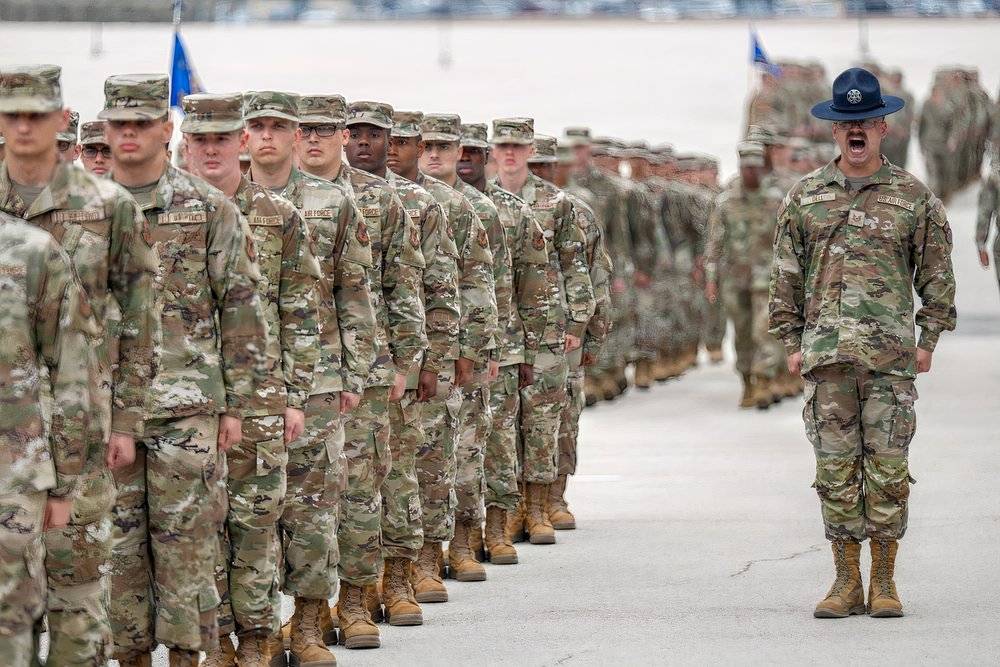

The U.S. Air Force is undertaking what leaders describe as its most significant overhaul of basic military training in more than seven decades. Maj. Gen. Davidson told Military.com that the effort is designed to fundamentally change how new Airmen think about their role in war.
At the center of that transformation is a concept Davidson calls “airmindedness.” A mindset shift, he believes, is essential for the future fight.
We had been wrestling with this identity problem for years, Davidson told Military.com.
For decades, Air Force Basic Military Training (BMT) at Lackland Air Force Base, TX, has succeeded at producing disciplined recruits and technically capable Airmen. But Davidson said it has not consistently defined what the Air Force is trying to create at the most fundamental level.
When he took command of 2nd Air Force, he started with a basic question: What are the objectives of training?
“What I found is we didn’t have clear objectives to define what it was,” he said.
“In the absence of that, we just kind of wandered our way through basic training based on where we were in the time and place.”
That realization led to a more deliberate effort to define the end state of basic training: what kind of Airman the service is trying to produce.
Defining the ‘Airmindedness’
Davidson said that process ultimately led to the concept of “airmindedness.”
“We ended up with this term, airmindedness, as the product that we were trying to create,” he said.
He described airmindedness as distinct from general military professionalism, something unique to the Air Force mission.
It’s the mindset of an Airman built around a basic understanding of the Air Force mission and ownership of their role in defending, operating, generating and sustaining airpower, he said.
To build that mindset, the Air Force restructured training around a layered model:
- Core values
- Military Professionalism
- Airmindedness
- Specialty Skills
The first three layers are now the focus of basic training, while technical expertise is primarily developed later in follow-on training.
Davidson said the issue was not that core values were missing, but that airmindedness “just was completely absent” from how basic training was originally designed.
“Basic training was never designed to attach Airmen to the Air Force mission,” he said.
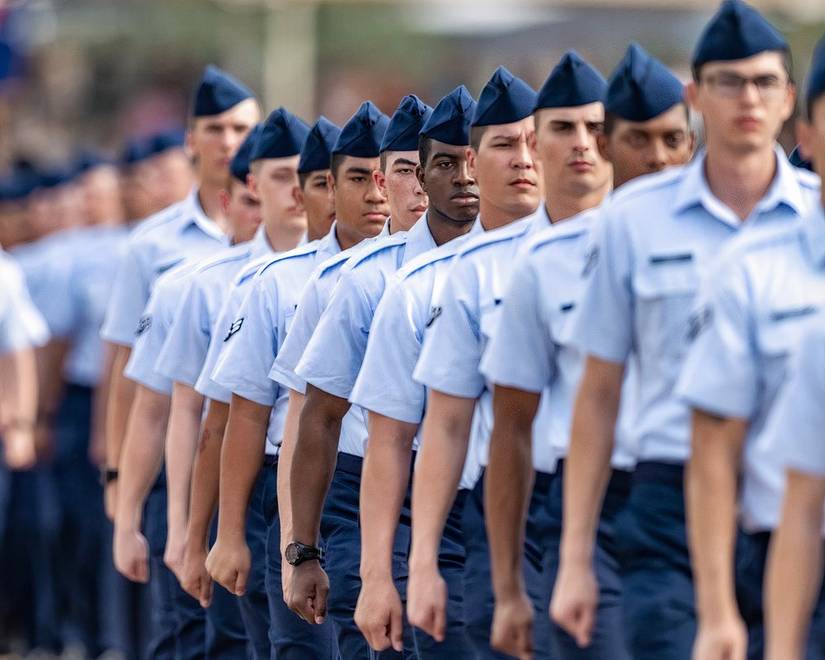
From Technicians to Airmen
That gap has had downstream effects on how Airmen understand their role.
Davidson said recruits often left basic training with pride in what they accomplished, but without a clear connection to the broader mission.
“They left proud of what they did, but unsatisfied with the thing that they joined,” he said.
The new model is designed to change that by shifting the emphasis from technical identity to mission identity.
Davidson described the goal as transforming training from producing “technicians” to producing Airmen who understand their role in combat power.
In practical terms, that means ensuring every Airman, regardless of specialty, understands how their work contributes to the mission.
“It doesn’t matter what your specialty is. All Airmen defend, operate, generate and sustain airpower,” he said.
“That connection, he added, changes how Airmen see themselves.If I know how I’m connected, I walk a little taller,” he said.
Why the Shift Matters Now
The push comes as the Air Force prepares for a future defined by near-peer competition and more contested environments.
Davidson said the service must prepare Airmen for a different kind of fight.
We have to prepare this Airman for the wars they will fight, not the wars we have fought, he said.
That includes operating under conditions where traditional assumptions, including relative safety at forward locations, may no longer hold.
In that environment, specialization alone is not enough. Every Airman must understand the mission and be prepared to operate within it.
From Drill Pad to Airfield
The transformation also requires rethinking how training is delivered.
For generations, drill and ceremony have been a central feature of basic training. Davidson said those elements remain important, but only as tools, not outcomes. The real objective is discipline, teamwork and attention to detail.
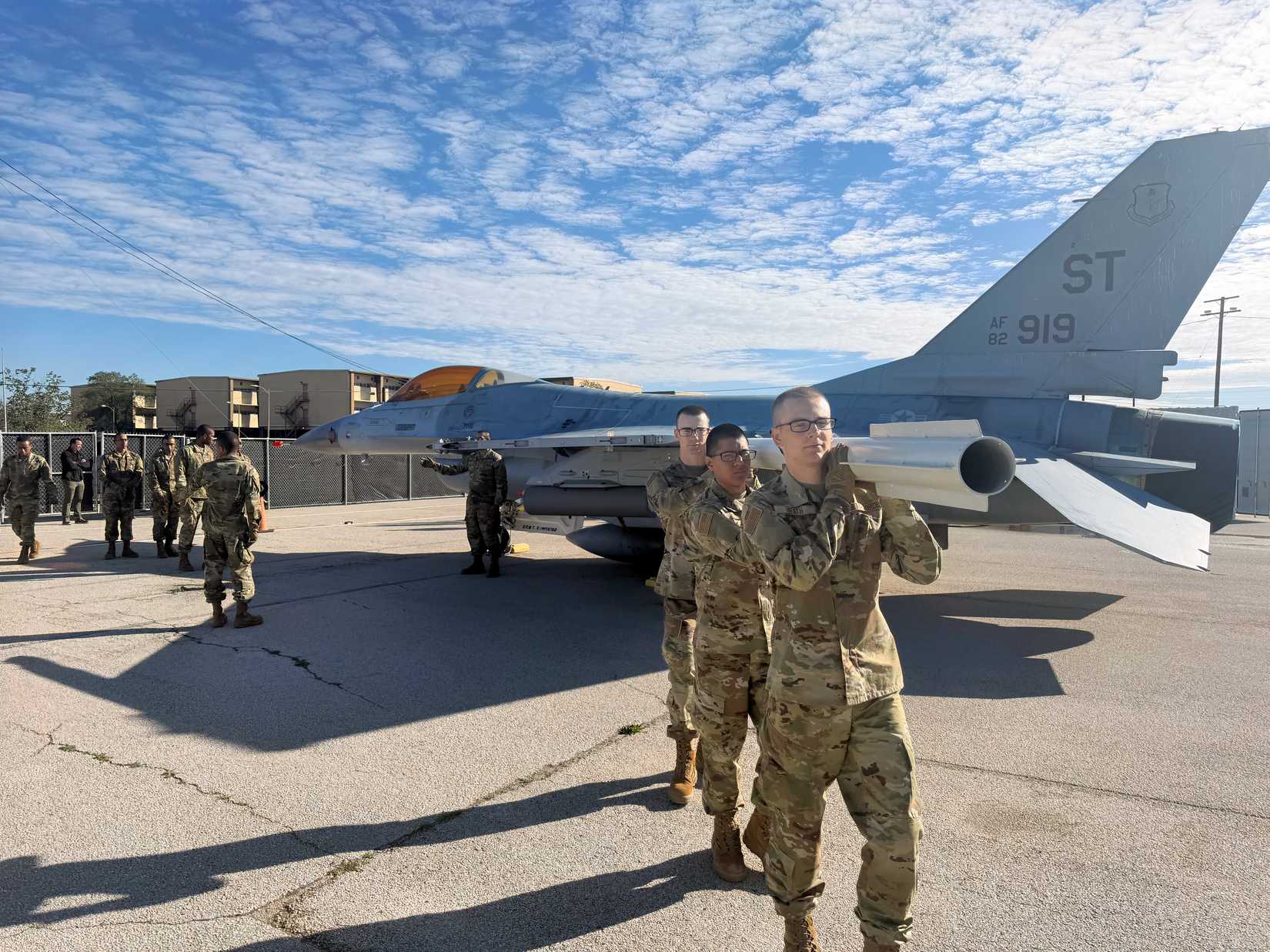
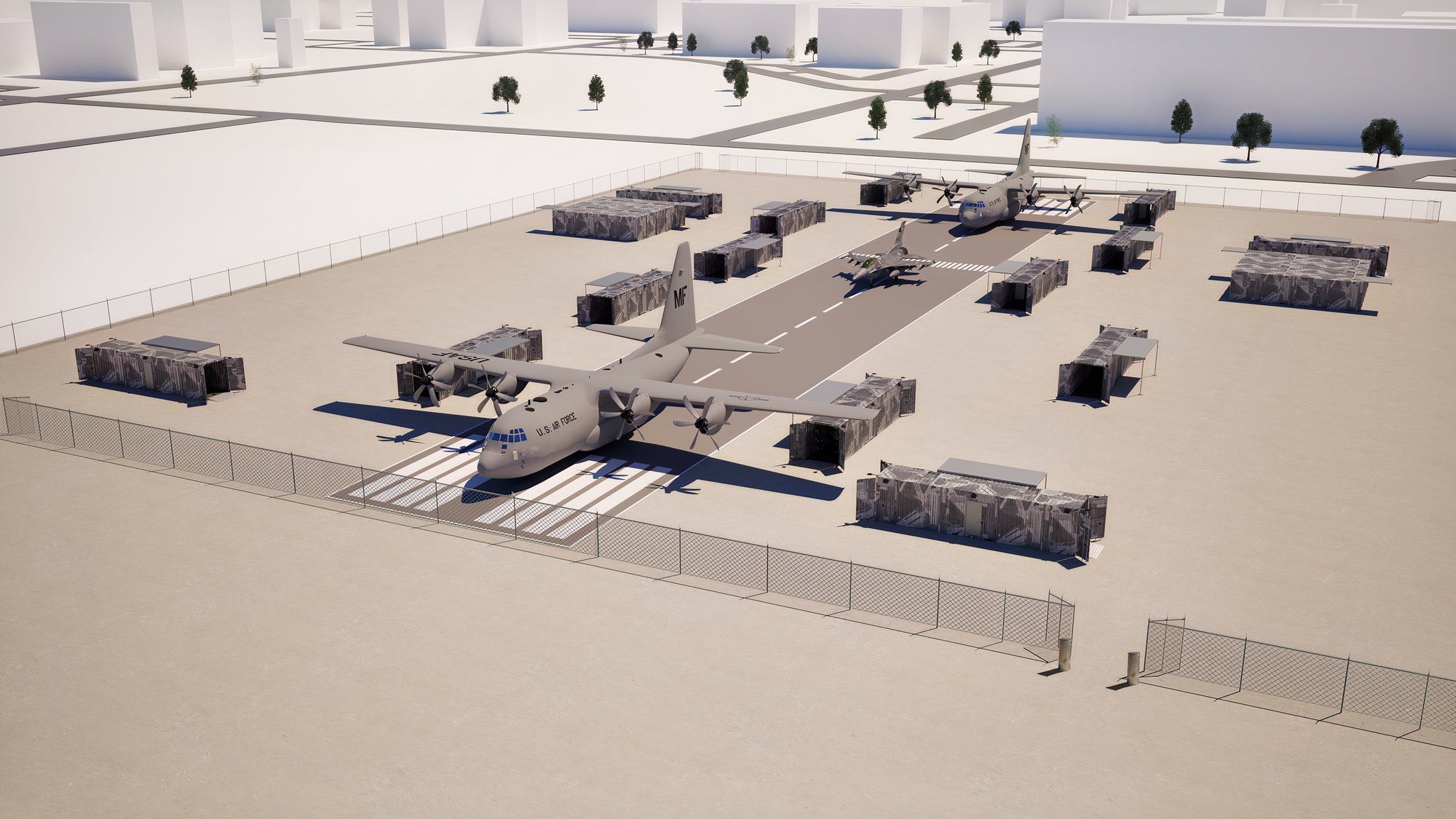
That shift is reflected in what Davidson described as moving from a “drill pad-centric” model to one that is more aligned with real-world operations: “an airfield-centric” approach.
Reconnecting Trainees to the Mission
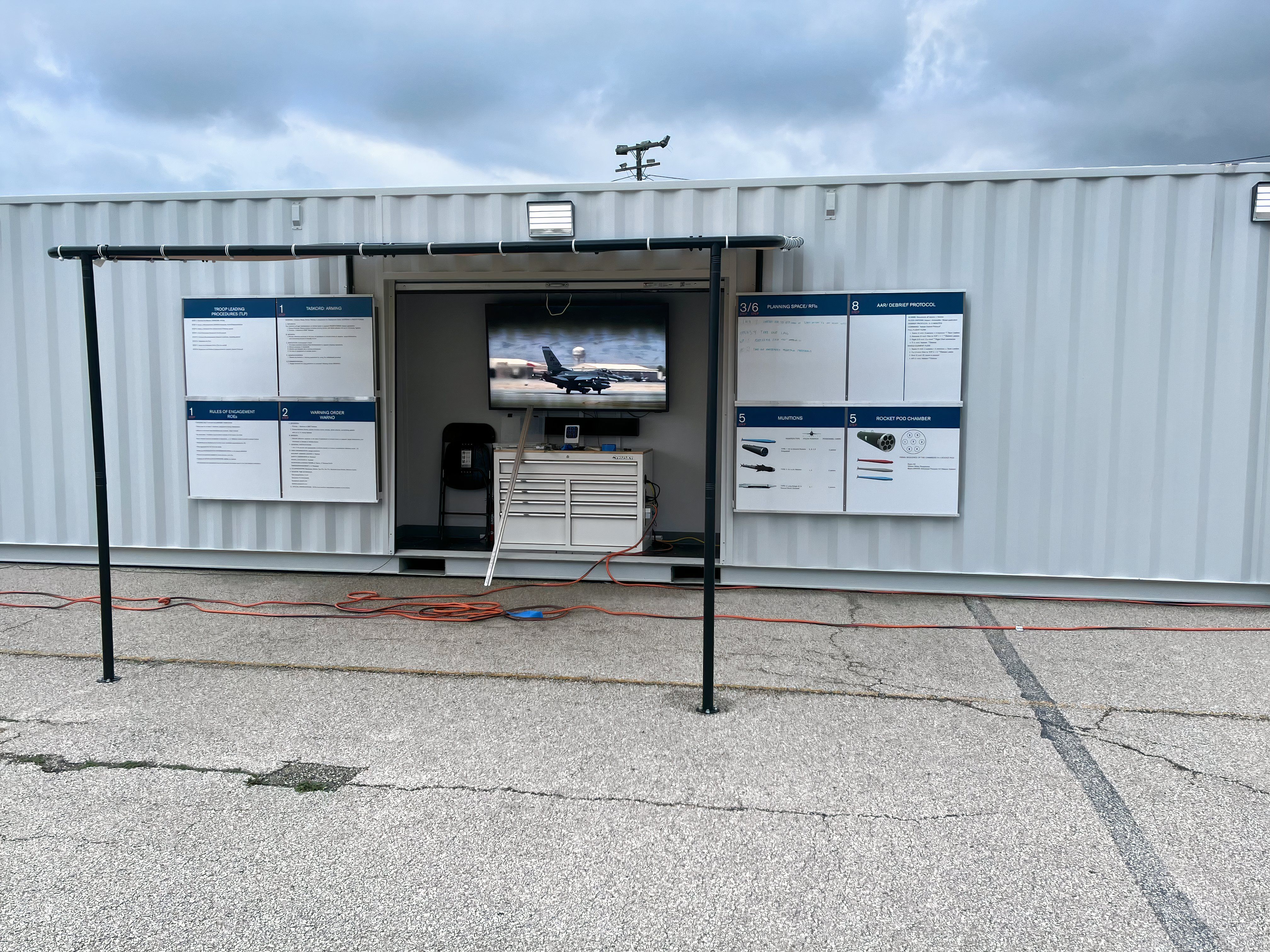
One of the most visible changes has been increased exposure to aircraft and mission-focused scenarios during training.
Davidson said early efforts to integrate those elements have produced immediate results.
“These kids are lighting up,” he said.
He pointed to trainees interacting with aircraft, participating in reconnaissance exercises and engaging with operational scenarios as examples of how the new approach is building connection early.
“Somewhere along the way, we kind of lost that connection,” he said.
Building Identity Early
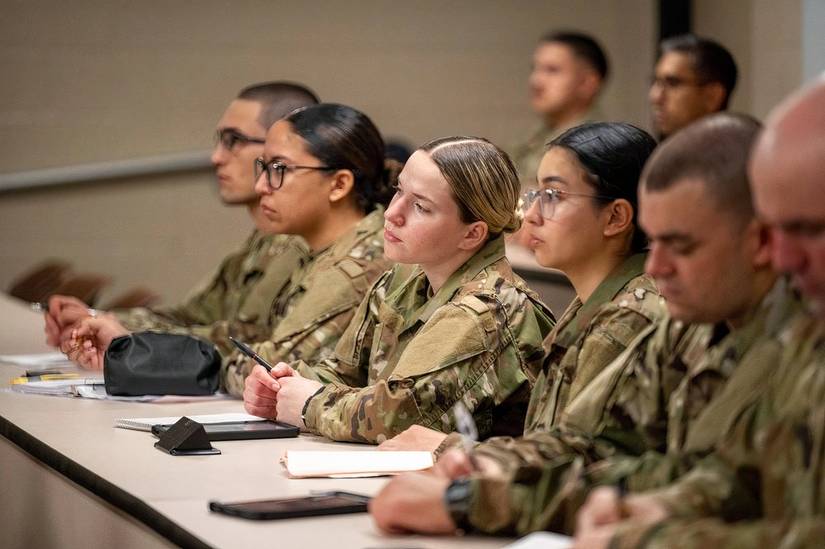
A key driver behind the overhaul is the recognition that identity is formed early, often during initial entry into an organization.“You have to instill that sense of belonging at the onset,” Davidson said.
Without that, he said, Airmen will attach to smaller groups or technical roles rather than the broader mission.
Under the previous model, that often meant recruits didn’t fully connect to the Air Force until technical training, or even later.
The new approach is designed to change that trajectory.
A Transformation Still in Progress
The effort, however, is far from complete.
Davidson said what began as incremental changes quickly evolved into something larger.
What we needed was not some changes. What we needed was a complete transformation, he said.
That realization led to what is now referred to as “BMT 3.0,” though its rollout has been delayed to allow for deeper curriculum development and instructor preparation.
Unlike traditional updates, the new model requires a fully integrated approach.
“The trainee doesn’t care what block you’re teaching,” he said. “They just absorb it.”
 Early Momentum — and Resistance
While some aspects of the transformation, particularly those tied to military professionalism and resilience, are still developing, Davidson said the airmindedness component has gained traction quickly.
“The airmindedness piece is like wildfire,” he said.
At the same time, he acknowledged resistance rooted in tradition and experience.
“People know what they went through, and they think that’s what right looks like,” he said.
 Looking Ahead
Over the next several years, tens of thousands of Airmen will enter the force under this new model, a shift Davidson believes will reshape the service from the ground up.
“A third of the Air Force over the next three years is going to have this experience,” he said.
For Davidson, success comes down to a simple moment: when a new graduate is asked what they learned in basic training.
“I want them to say why the Air Force will never be defeated as long as the United States Air Force is in the fight,” he said.
If they can answer that clearly, confidently, and with conviction, then the transformation has worked.
Because at that point, they’re not just trained.
They’re Airminded.
Read the full article here
