





A seven-year car loan might help you to get those monthly payments nice and low, but think about it, you’re going to spend 84 months paying this thing off. Even if we assume a nice, low interest rate of just 5%, that comes out to total loan interest of more than $9,000 on a $50,000 vehicle, meaning that we’re paying close to one dollar to our lender for every five we’re spending on a new Ford F-150 or Chevy Silverado.
And it’s not just the borrower’s pockets that are hurting as a result of these long-term loans. When loans take longer to pay off, the cars eventually hit the market with higher miles and more wear and tear. If you’re wondering why it’s so hard to find a reliable used vehicle these days, these seven-year loan terms are a big part of the problem.
How Did Seven-Year Loans Ever Become The Norm, Anyway?
Six-year loans are currently the most common type of loan, making up 36.1% of all car loans, while seven-year loans make up more than one in five, at 21.6% of all new car loans, based on data from 2025’s second quarter. If you want to know how the heck that happened, well, hard times have a way of compounding. It seems like it’s never just stagnant wages, it’s also higher prices and supply chain hangups and shortages, too. Bad news never comes in ones.
In the case of the auto industry, we’re seeing record high prices on vehicles, and on gas, while car insurance and maintenance have both gotten to be very expensive, while inflation has stifled the value of a dollar, and median household income is growing at a very slow rate. Put that all together, and it’s not hard to imagine why someone would look at a seven-year loan term and decide that paying more interest in the long-term beats monthly payments that will be a struggle to keep up with.
Long-Term Loans Eat Up Thousands Of Dollars You Should Be Saving
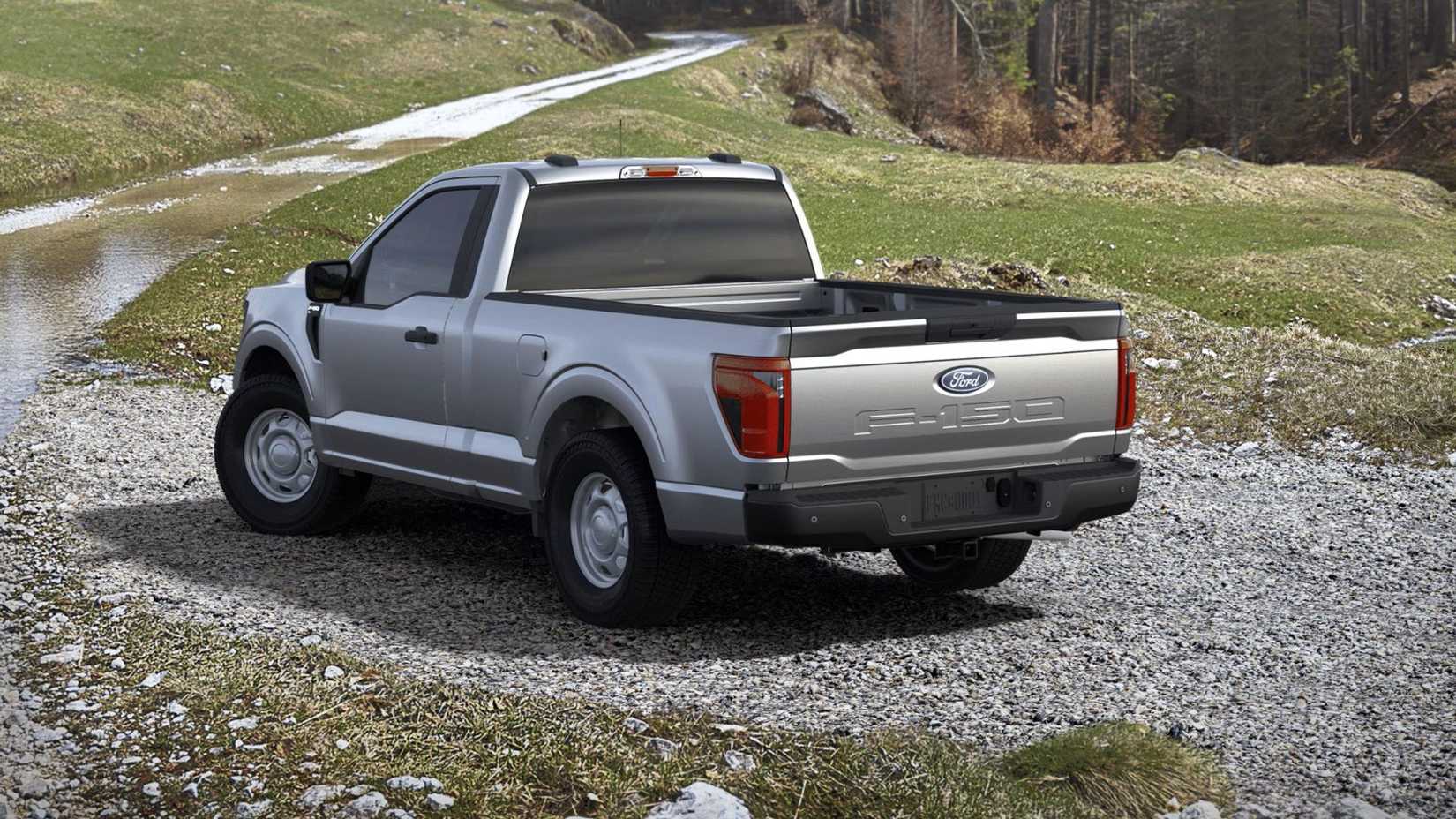
The average price of a new vehicle landed at $50,326 at the start of the year. If we plug that into the auto loan calculator, comparing three-year, five-year, and seven-year loan terms, here’s what we get.
|
Loan Term |
36 Months |
60 Months |
84 Months |
|
Vehicle Cost |
$50,000 |
||
|
Interest Rate |
5% |
||
|
Sales Tax |
6% |
||
|
Down Payment |
$10,000 |
||
|
Monthly Payment |
$1,299 |
$817 |
$612 |
|
Total Interest |
$3,422 |
$5,733 |
$8,116 |
With these numbers, you may think you’re “saving” a couple hundred dollars a month, but you’re actually taking it out of your own pocket, as you’ll be spending more than a couple thousand extra by the end of the loan. These terms all assume a 5% interest rate, but you could be spending twice that.
In more circumstances than not, we’ll advocate for shorter loan terms with higher payments. Future-you will thank past-you for doing a little budgeting and making up the difference, because it could mean thousands of dollars in your pocket once the car is paid off.
How Long Loan Terms Are Killing The Used Market On Reliability

In 2021, the average age of a car on an American highway was around 12.1 years. In 2024, J.D. Power reported that the average age of a car on the road was 12.6 years. In 2025, the number was reported at 12.8 years, and the average age of a vehicle on an American highway is projected to top 13 years by the end of 2026.
The EPA assumes an average mileage of 15,000 miles per year, so we’re looking at, at least, an extra 13,500 miles on a typical used car compared to five years ago by the time it hits the market, if people are tending to hold onto a vehicle for a year longer than they used to.
So, for starters, that new-to-you used car is now 13,500 miles less reliable to begin with. But, if it’s coming from someone who couldn’t afford an extra $100 or $200 to make bigger payments and save themselves a few thousand in the long run, it’s safe to assume that the car has missed out on some basic maintenance, as well.
Read the full article on CarBuzz
This article originally appeared on CarBuzz and is republished here with permission.
Read the full article here
