



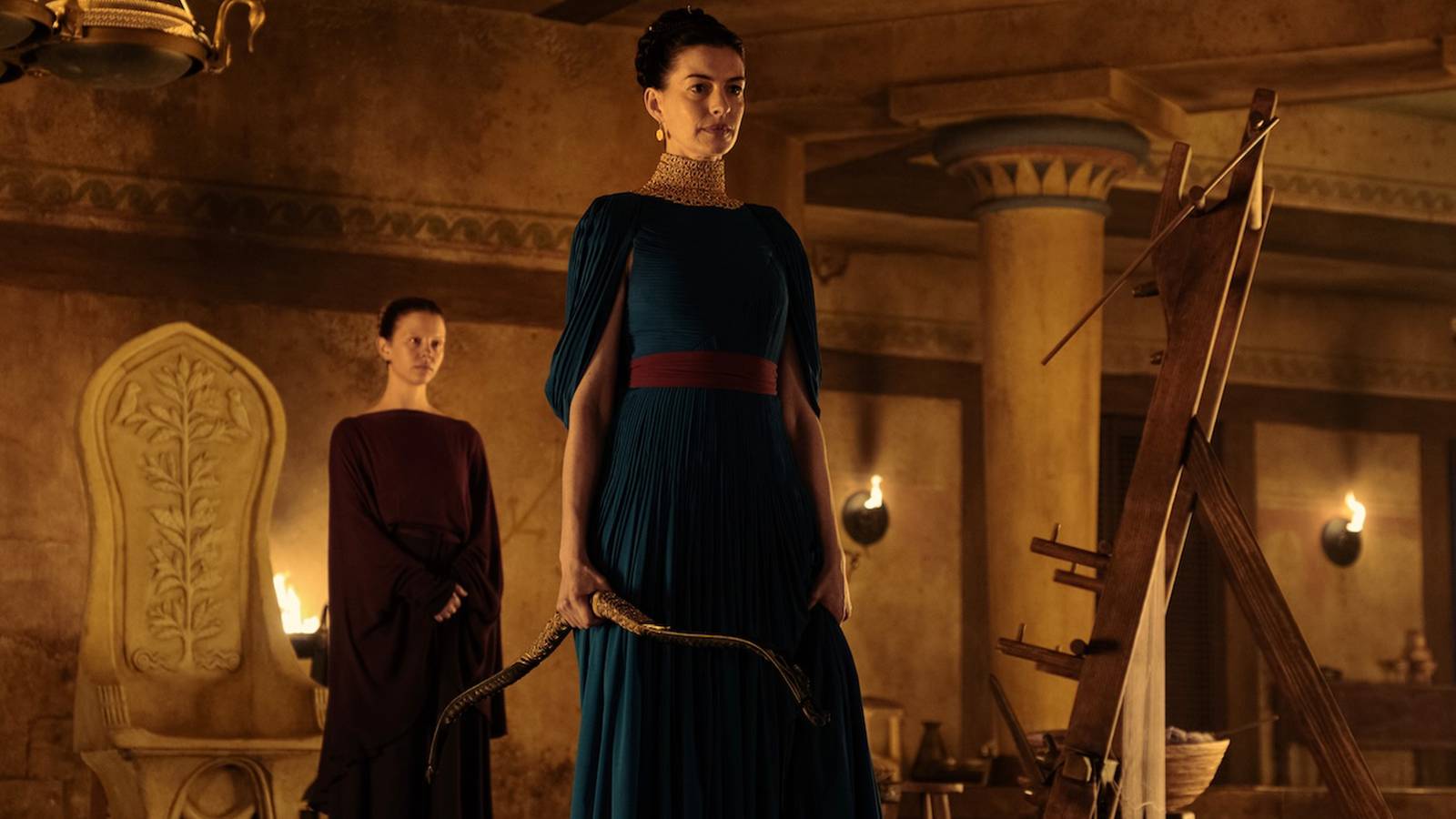

When The Odyssey begins, the war has already ended. Troy has been captured. The remaining Greek ships have set sail for their homes. The songs have started to turn the battlefield into legend. Odysseus is still missing.
For that reason, Homer’s poem has a different effect after having served in the military. Many veterans know this feeling deeply: the war may be over, but the real challenge begins with returning to a world that has changed in their absence.
The hero’s main problem is no longer one of winning a war but instead finding his way back to a family that has learned to live without him and to a home he may no longer recognize.
The journey involves monsters, shipwrecks and angry gods, but its most lasting question is a quieter one: what occurs when the individual who goes off to war is not the same person who returns?
The psychiatrist Jonathan Shay spent many years working with veterans of the Vietnam War and examined this issue in his book Odysseus in America: Combat Trauma and the Trials of Homecoming. He interprets Homer’s epic as a tale of the lengthy, damaged, and at times incomplete journey back from war and believes that the abilities which helped a person survive in combat can cause problems when they continue to function in civil life.
The Odyssey is almost 3,000 years old, yet these seven lessons have not changed much since the story was first committed to the written form.
1. Coming Home Is Its Own Mission
A deployment may officially end when the aircraft lands or the ship pulls into port. Military service ends on the date printed on a DD214. Those milestones close the orders, but they do not automatically return a person to ordinary life.
The body may be home while the mind is still checking exits, measuring strangers or waiting for the next emergency. Civilian life can feel shapeless after years in a system that supplied the schedule, the standards and the mission.
Even small choices can become strangely difficult when nobody is telling you what comes next.
Jonathan Shay puts the problem plainly:
Actually being at home involves being emotionally present and engaged.
Odysseus’ voyage is not an epilogue to the war. It is the harder half of the story.
2. The Person Who Returns Is Not the Person Who Left
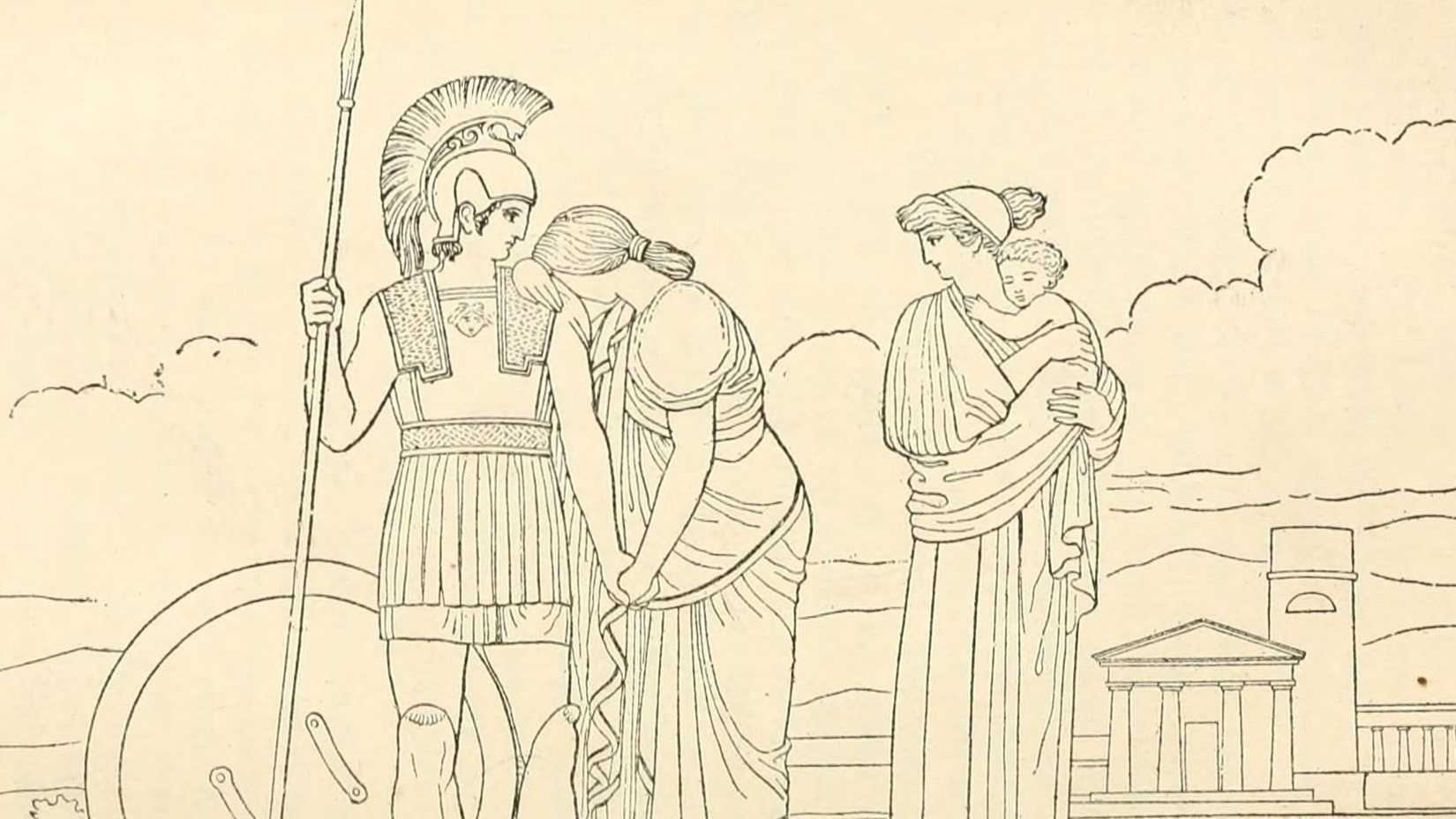
When Odysseus leaves Ithaca, he is a husband, a father and a king; twenty years later he returns as a beggar. When he left, his son Telemachus was only a baby, and ever since then Penelope has had to get on with her life amid his absence. Everything in the household has changed and so has the kingdom. Meanwhile, Odysseus has memories which no one else in Ithaca has.
People who have served frequently return to places they know and find that merely because something appears the same doesn’t mean it will always feel comfortable. The bedroom could be exactly as it used to be. Friends may still meet at the same bar. And the family might expect their loved one to return with the same personality as before their deployment.
The person returning home may not know how to regain that sense of self. In some severe cases, that version of themselves may no longer exist.
Shay also sees this conflict in the episode involving the Cyclops. Odysseus manages to survive by hiding his name and referring to himself as “Nobody”. But as soon as he has escaped, he can no longer bear that state of anonymity and calls out his true name to the monster, thus recovering his identity as a warrior and conqueror.
The desire to be known has a destructive effect on him. Some veterans go back to communities that cannot grasp the significance of their service. In contrast, others keep that part of themselves hidden because they anticipate being judged, treated indifferently, or being asked awkward questions. In either case, a person can end up caught between two identities.
As a returning veteran, to truly make your way home, you have to face all the ones you’ve left behind, including yourself.
3. Pride Can Make the Journey Longer
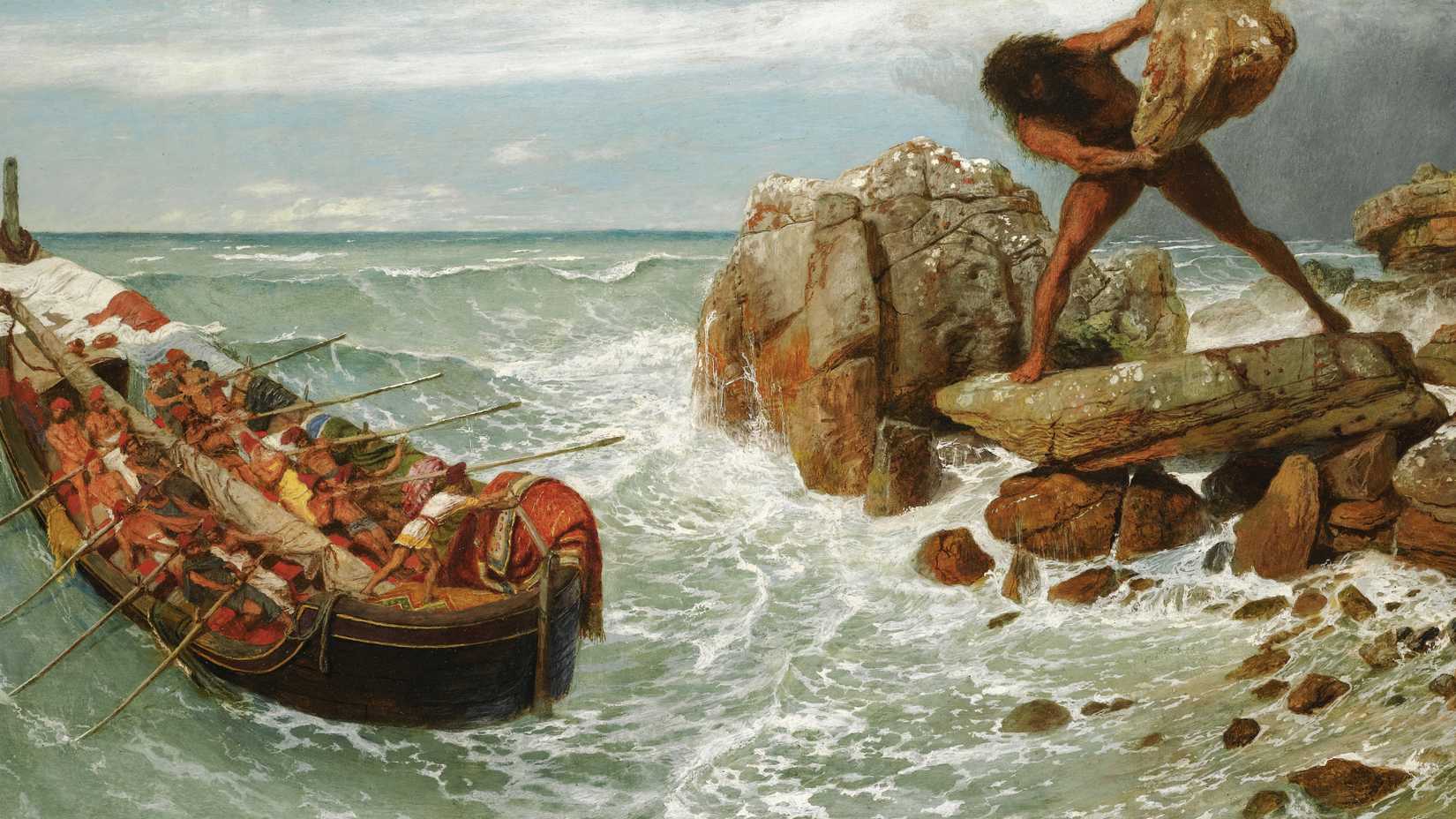
Odysseus escapes the Cyclops through patience, deception and restraint. He calls himself “Nobody,” blinds the giant and slips out of the cave beneath the bellies of the sheep.
It is one of his finest victories. Then he nearly ruins it. Once the ship is safely offshore, Odysseus shouts his real name back at the Cyclops. Escape is no longer enough. He needs the monster to know who defeated him. That boast gives the Cyclops the information he needs to call on Poseidon and curse Odysseus’ voyage home.
Military service builds confidence for good reason. People must make fast decisions, speak with authority and trust their training when everything turns ugly. Those habits can save lives, but they do not always travel well. Competence can harden into impatience. Self-reliance can become isolation. Pride can keep someone from asking for help until the problem has already grown teeth.
Odysseus had already won. He simply could not leave without taking credit. Sometimes the smartest move is to let the victory stand and keep sailing.
4. Some Dangers Look Like Relief
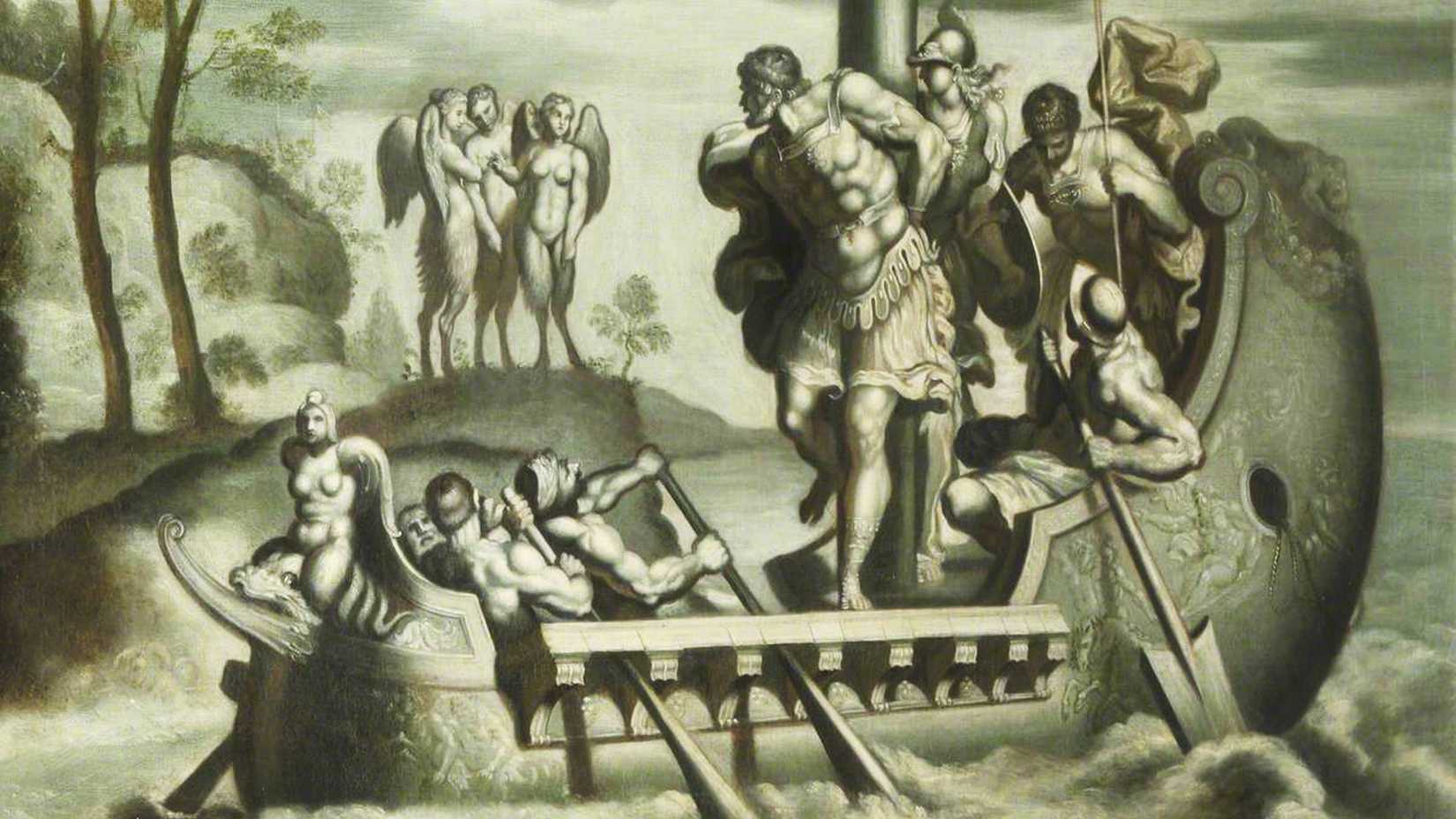
The monsters in The Odyssey are easy to recognize. They have too many heads, enormous teeth or a taste for sailors. The quieter threats are more inviting. The Lotus-Eaters offer oblivion. Circe offers comfort. Calypso offers safety, pleasure and immortality. The Sirens promise knowledge worth dying for. Each temptation gives Odysseus a reason to stop moving and forget the life waiting for him.
Veterans may encounter their own lotus flowers. Isolation can feel easier than explaining what happened downrange. Alcohol may quiet the noise for a few hours. Work can crowd out every memory. Nostalgia can make military service feel like the last time life had structure, purpose or people who understood.
None of these choices arrives looking dangerous. At first, they feel like relief.
Odysseus survives because he never fully forgets Ithaca. Even when home is nowhere in sight, he remembers that he is still trying to reach it.
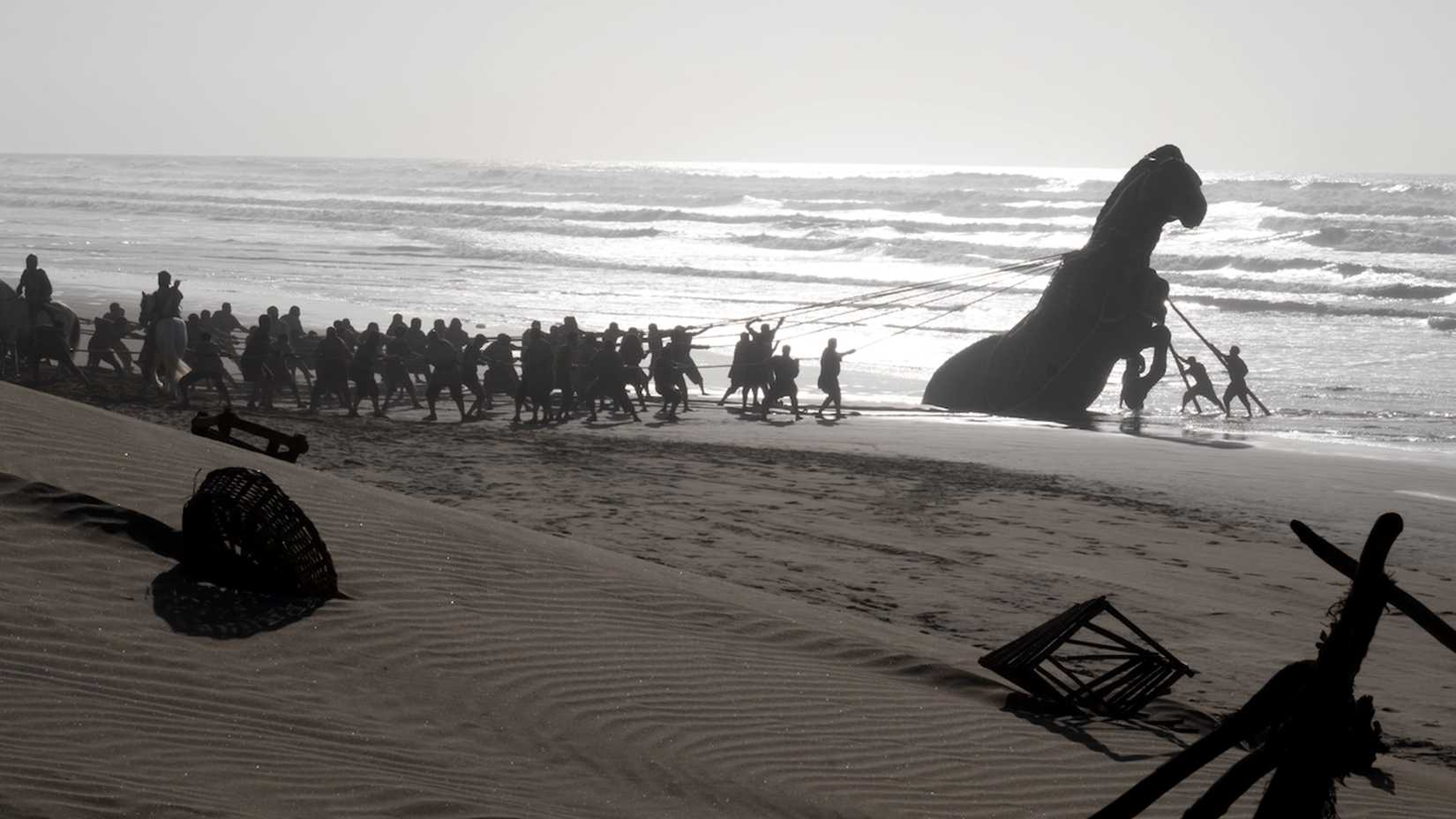
5. Leadership Means Carrying Decisions Nobody Else Had to Make
Odysseus is not always a good leader. He withholds information, misjudges danger and sometimes loses control of his crew. He also faces choices no commander could make cleanly.
To pass between Scylla and Charybdis, he must choose between two disasters. One route may destroy the entire ship. The other will cost six men. Odysseus takes the path that saves the greatest number, knowing exactly what it will demand.
Military leaders understand that the least-bad decision can still leave blood on the deck. An order may be right for the mission and impossible to live with afterward. Years later, the mind can keep returning to the same questions: another route, another call, another few seconds.
That burden resembles what many veterans describe as moral injury. A person can follow orders, make the best choice available and still feel estranged from the values or identity they carried into the moment.
Homer does not reward Odysseus with a clean conscience. He makes him carry the decision the rest of his journey.
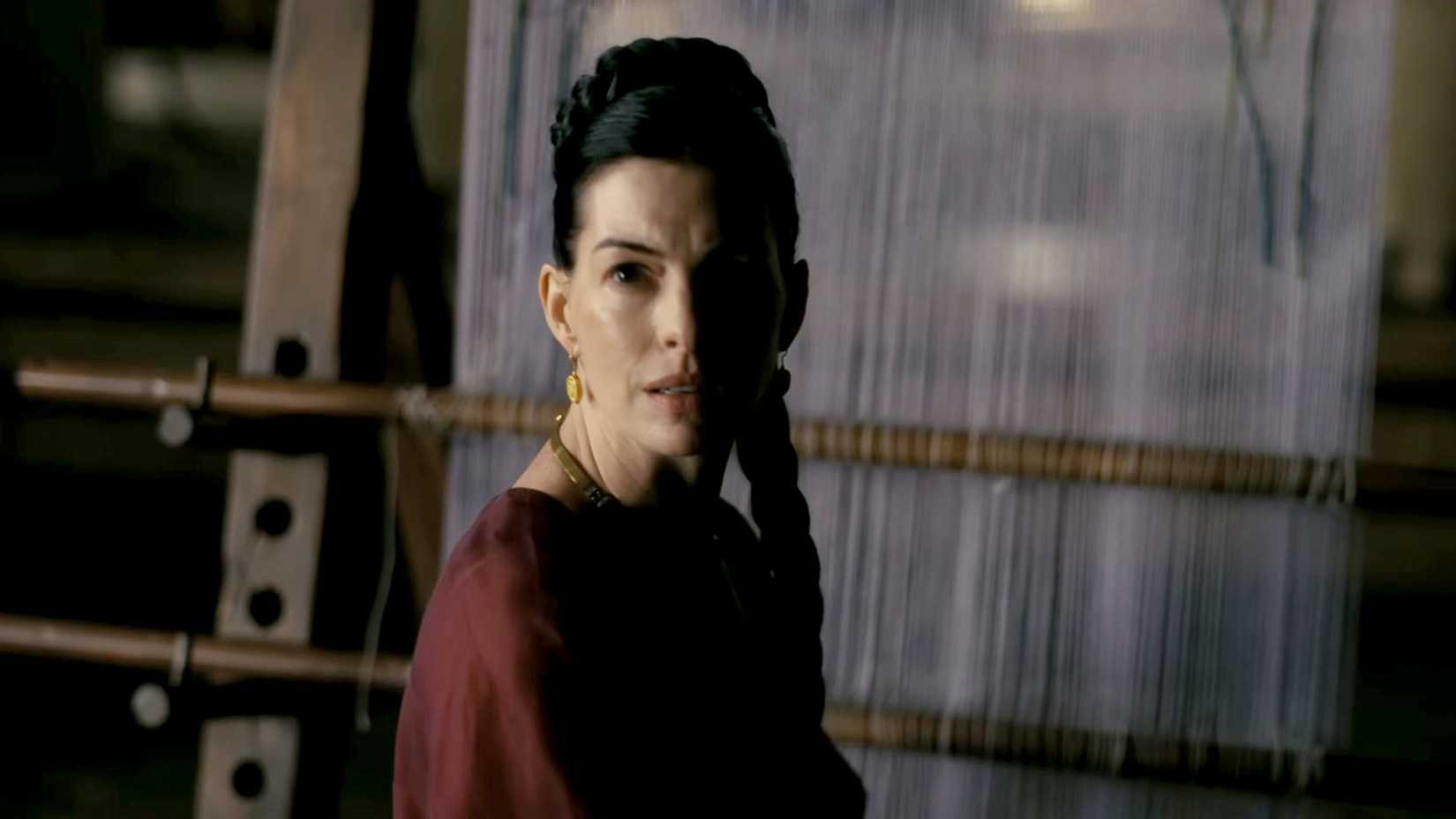
6. The People at Home Fought Their Own Battle
People often see Penelope merely as the wife who waits. However, this view ignores almost all of what she actually does.
She guards her house against men who are trying to get its wealth; at the same time, she raises her son Telemachus despite the real possibility that her husband is dead, and she delays remarriage using clever schemes, such as making a burial shroud during the day and then secretly taking it apart at night. She is very much fighting a battle in her home; this battle just so happens to take place within the walls of her home.
Military families are aware that separation comes with a unique set of difficulties. The bills still have to be paid. The children grow older. Cars eventually break down. Holidays pass by with one chair left empty.
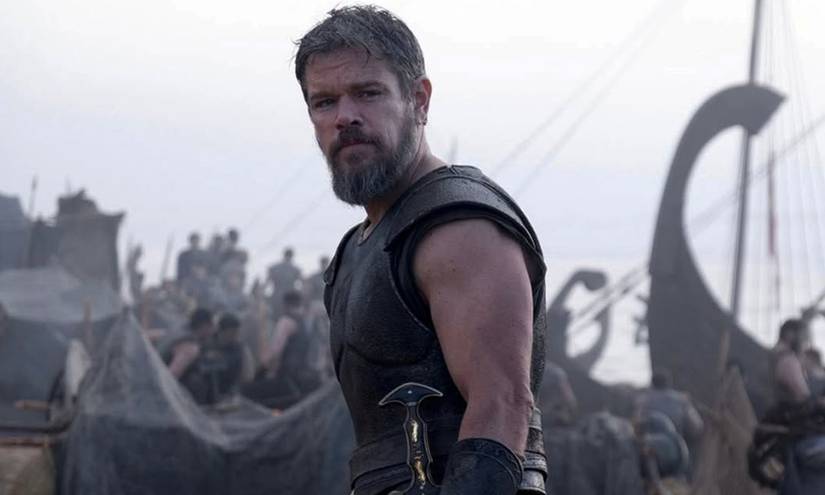
7. Nobody Makes It Home Alone
Odysseus is remembered for his cunning and endurance, but willpower does not carry him back to Ithaca. The goddess Athena protects him. The Phaeacians give him passage home. Eumaeus shelters him. Telemachus stands beside him. Penelope recognizes him because she knows the private history no stranger could possess.
Even the great solitary hero needs a crew.
Military culture often celebrates the person who absorbs pain, adapts under pressure and keeps moving without complaint. Military life itself works differently. Pilots depend on maintainers. Infantry troops depend on medics. Ships move because hundreds of people perform separate jobs correctly. Deployed service members depend on families and friends to preserve the life they hope to return to.
That dependence does not end when the uniform comes off.
The gods and monsters give The Odyssey its grandeur, but the homecoming gives it weight. Odysseus returns older, wounded and unsure of where he belongs. He must learn what his family endured, decide which parts of the warrior still have a place at home and discover whether the life interrupted by war can still be his.
Veterans have faced those questions for as long as people have returned from battle.
Homer offers no reliable map home. He gives us a harder truth: the road back is marked by grief, pride, failure and help arriving from places the hero did not expect. The war may be over, but the voyage is not.
Read the full article here
