




Some military quotes survive because they captured a decision made under fire. Others lasted because they explained war, leadership or sacrifice in a sentence short enough to carry across generations.
This list favors lines with strong historical sourcing. A few are preserved through later eyewitness accounts, which is noted where necessary. Widely shared quotations with disputed or invented attributions were left out.
1. “Supreme excellence consists in breaking the enemy’s resistance without fighting.”
Sun Tzu
The heart of The Art of War: victory is greatest when strategy makes battle unnecessary.
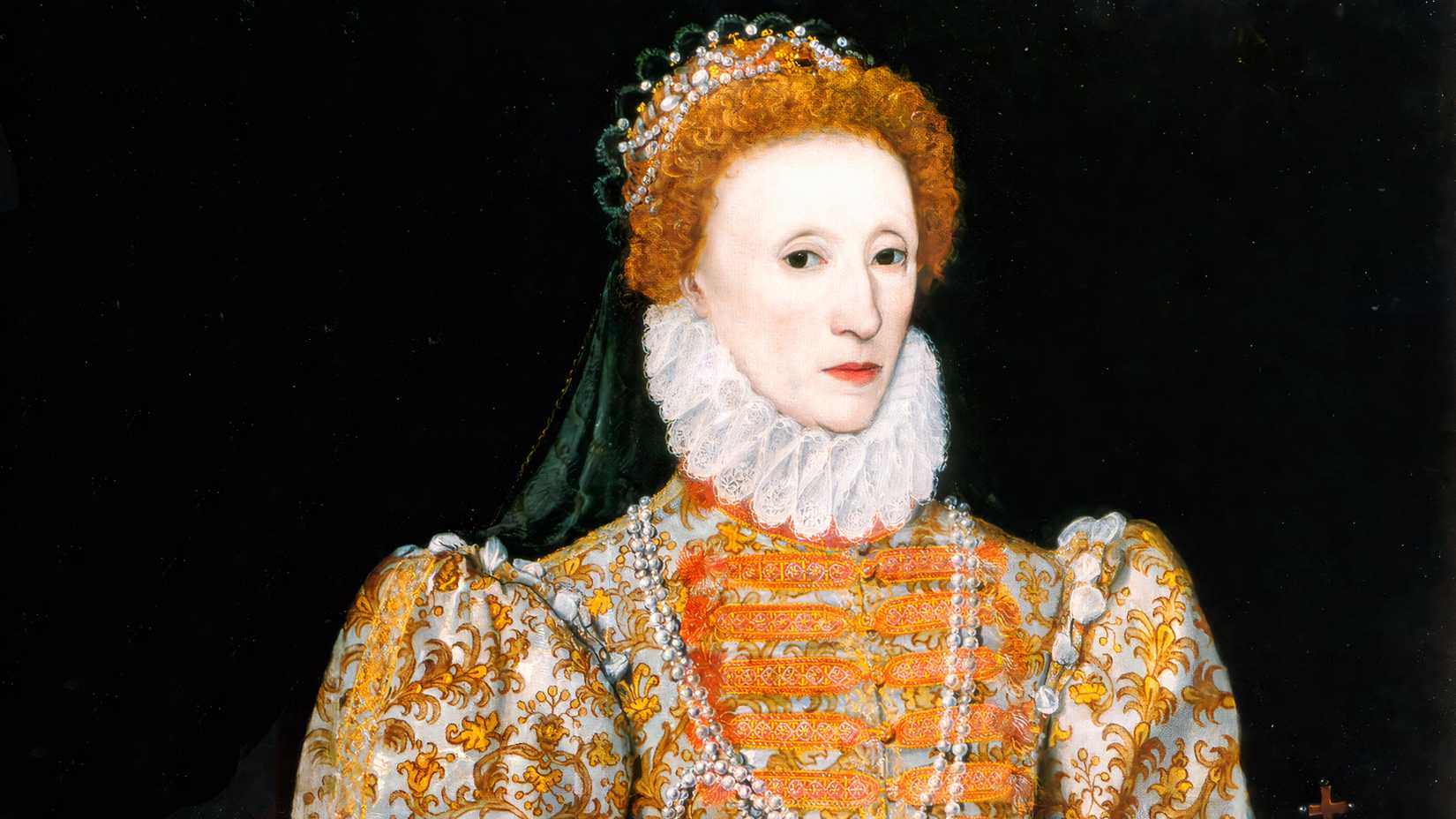
The Darnley Portrait, c. 1575. (Photo credit: Wikimedia commons)
2. “I have the heart and stomach of a king, and of a king of England too.”
Queen Elizabeth I
Elizabeth delivered the famous Tilbury speech in 1588 as England prepared for a possible Spanish invasion.
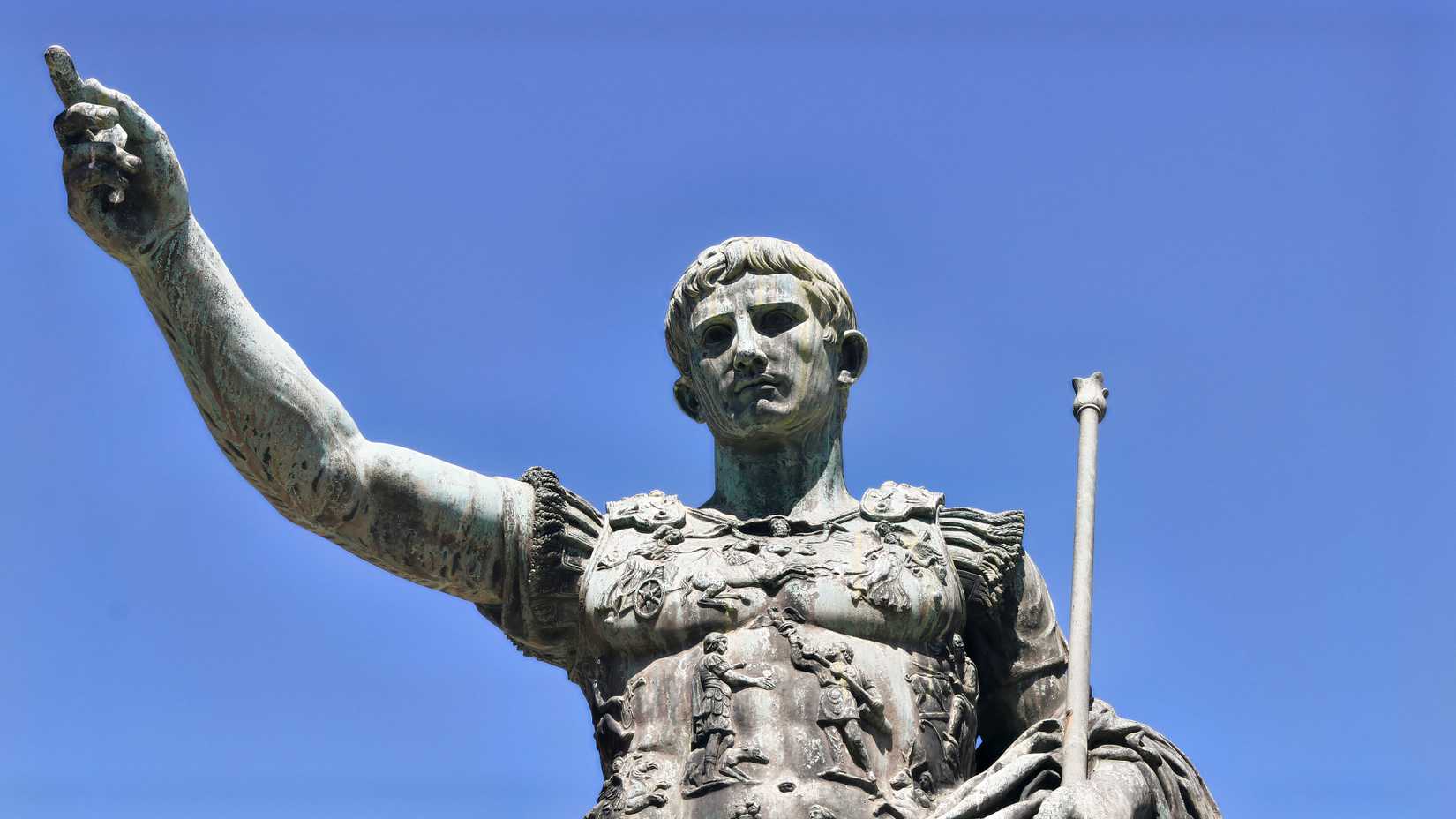
3. “I came, I saw, I conquered.”
Julius Caesar
Caesar used the three-word Latin phrase, Veni, vidi, vici, to announce the speed of his victory at Zela in 47 B.C.
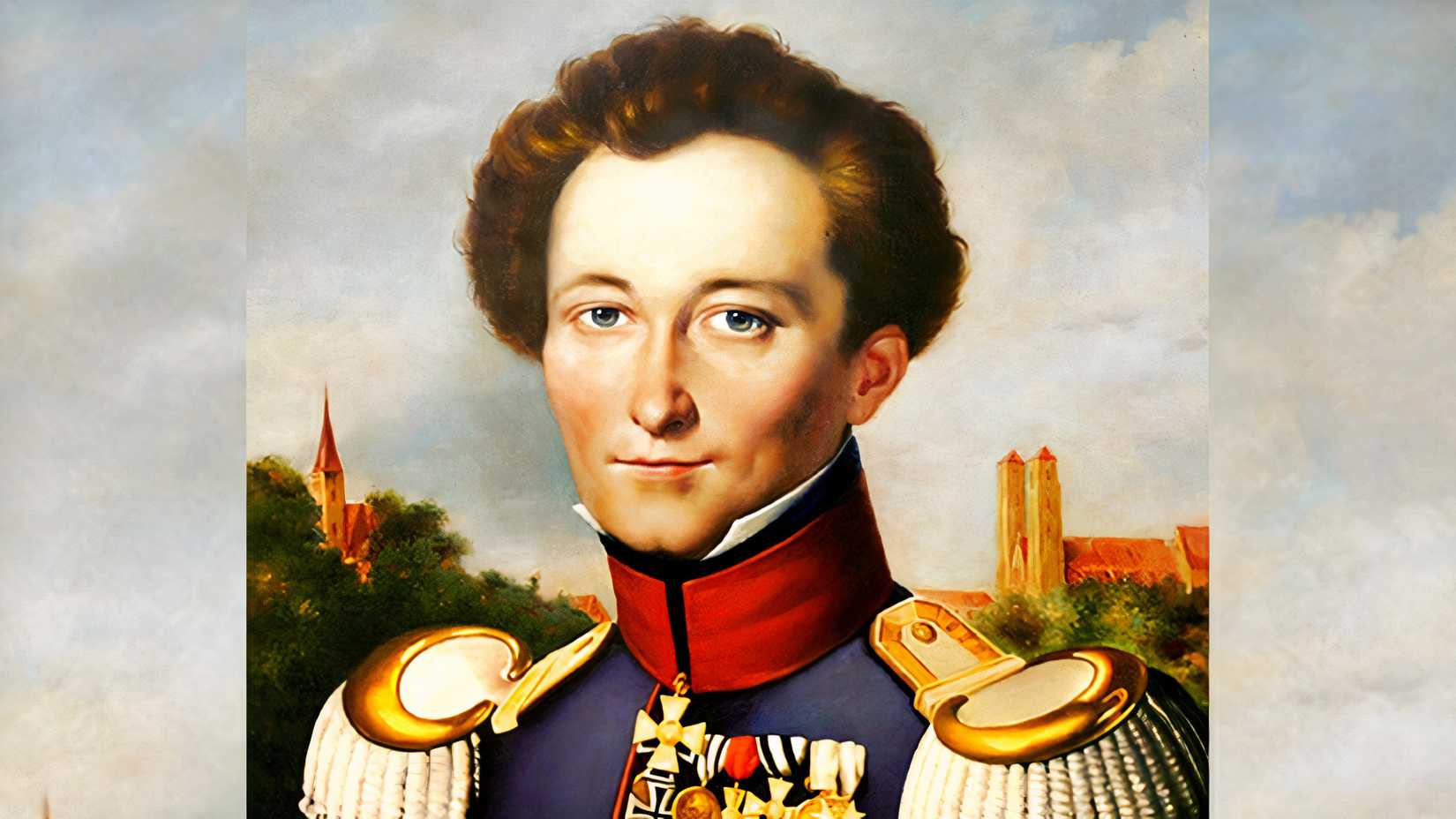
4. “War is a mere continuation of policy by other means.”
Carl von Clausewitz
Clausewitz’s most famous line warns that war remains tied to political aims, even when armies take over the argument.
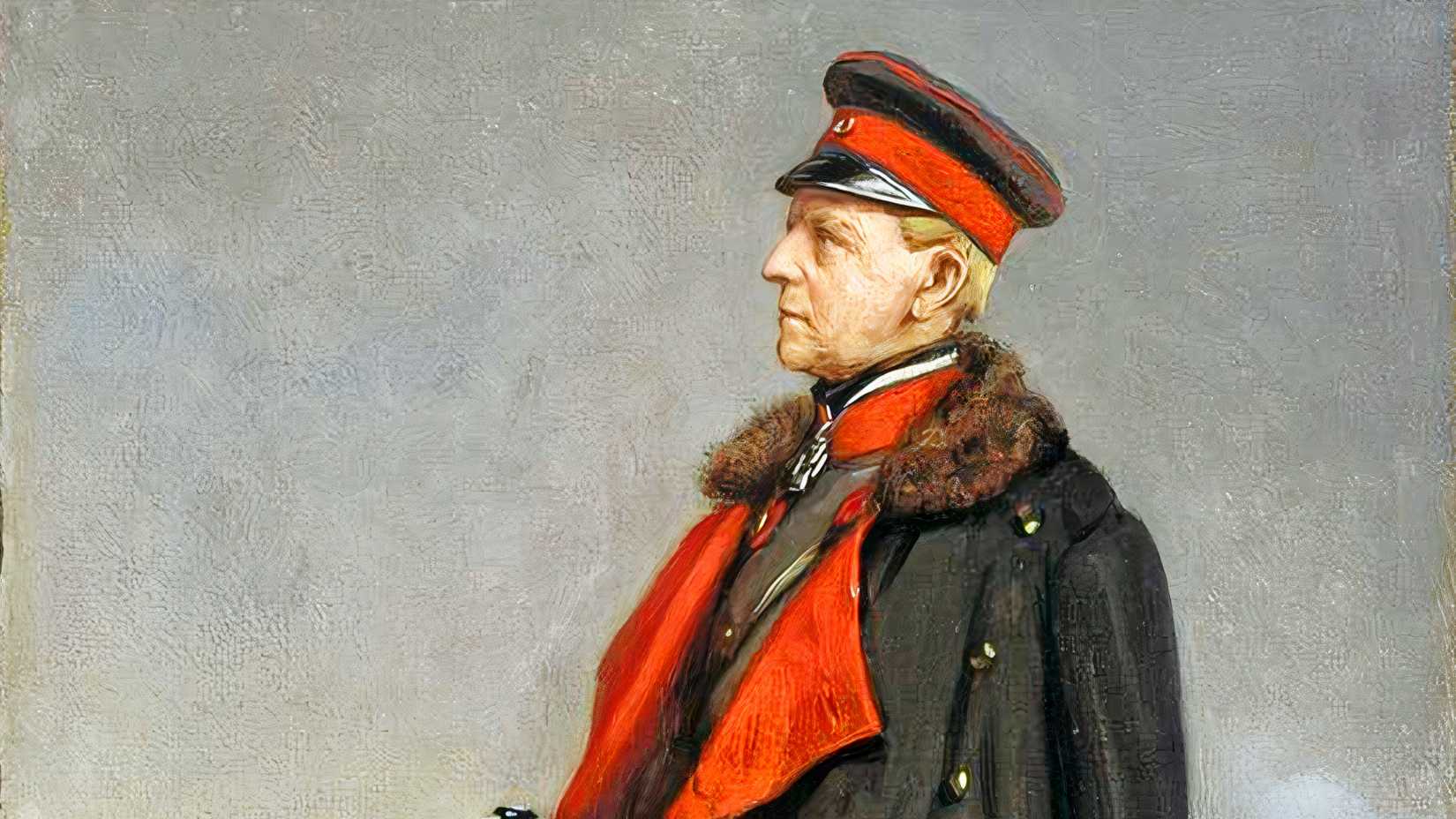
5. “No plan of operations extends with any certainty beyond the first contact with the main hostile force.”
Helmuth von Moltke the Elder
Usually shortened to “No plan survives contact with the enemy,” Moltke’s actual point was that commanders must be ready to adapt.
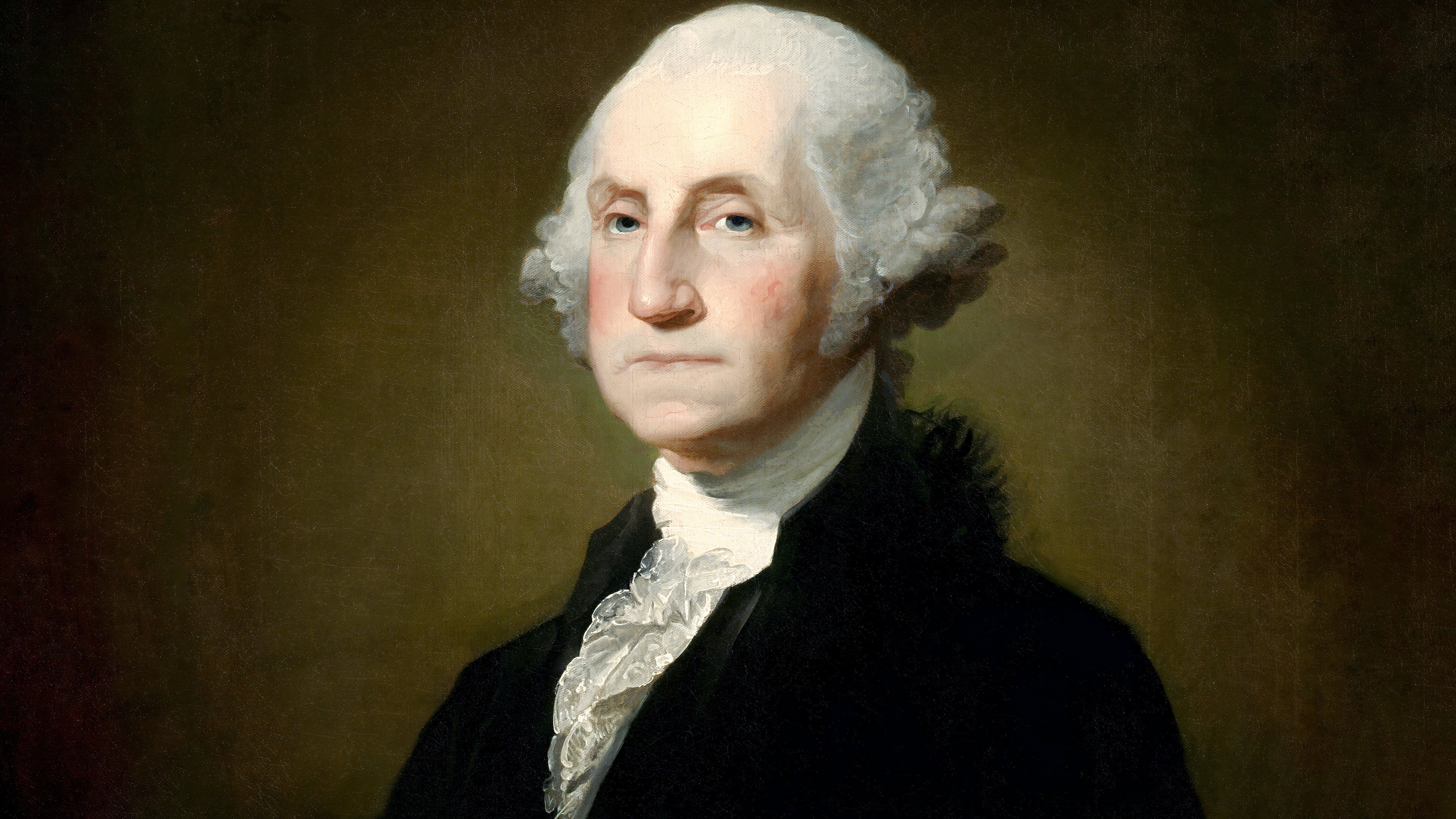 6. “To be prepared for war is one of the most effectual means of preserving peace.”
George Washington
Washington made the argument during his first annual address to Congress in 1790, linking military preparedness with deterrence.
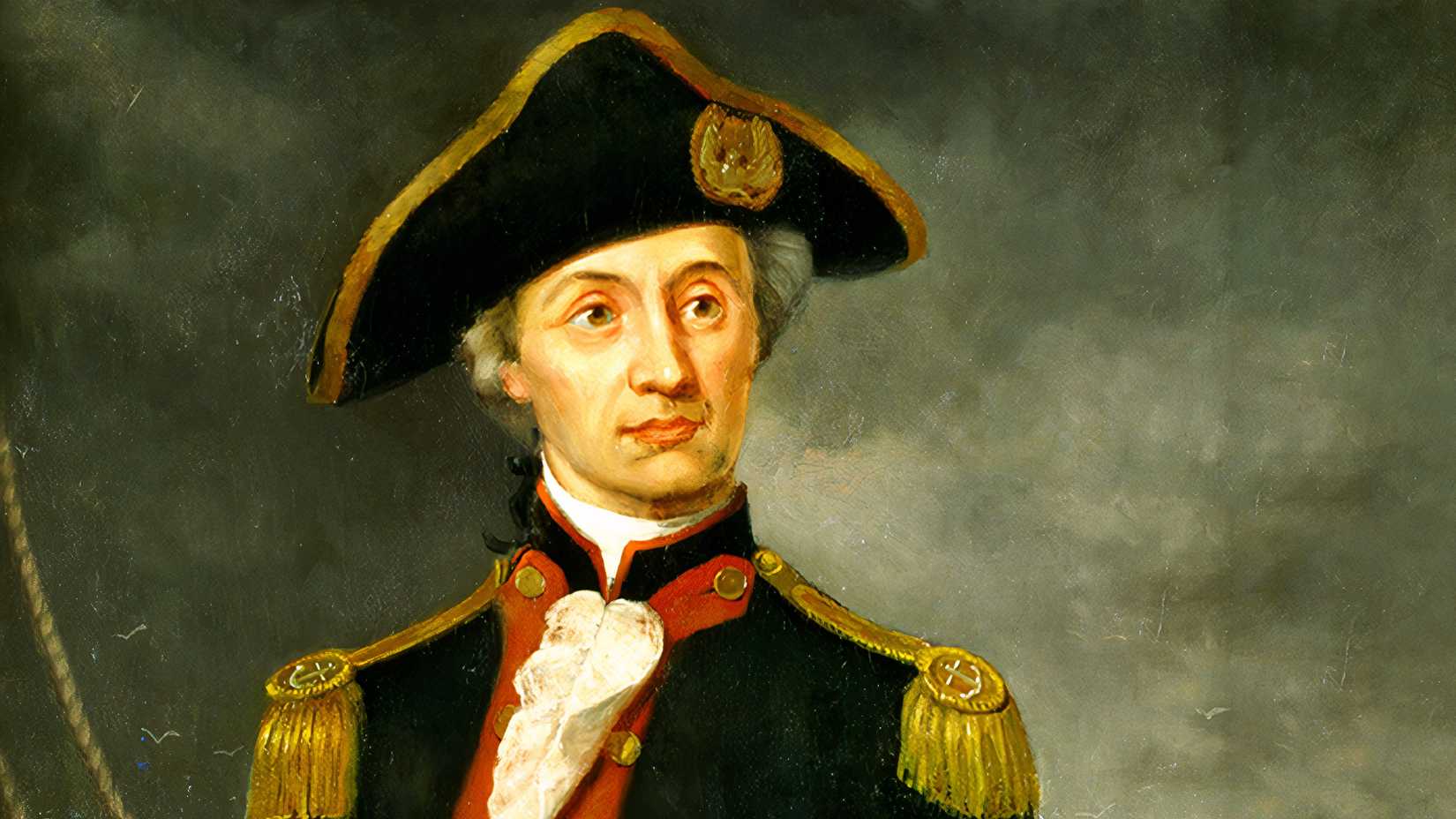
7. “I have not yet begun to fight!”
John Paul Jones
The defiant answer from the battle between Bonhomme Richard and HMS Serapis was recalled decades later by Jones’ first lieutenant.
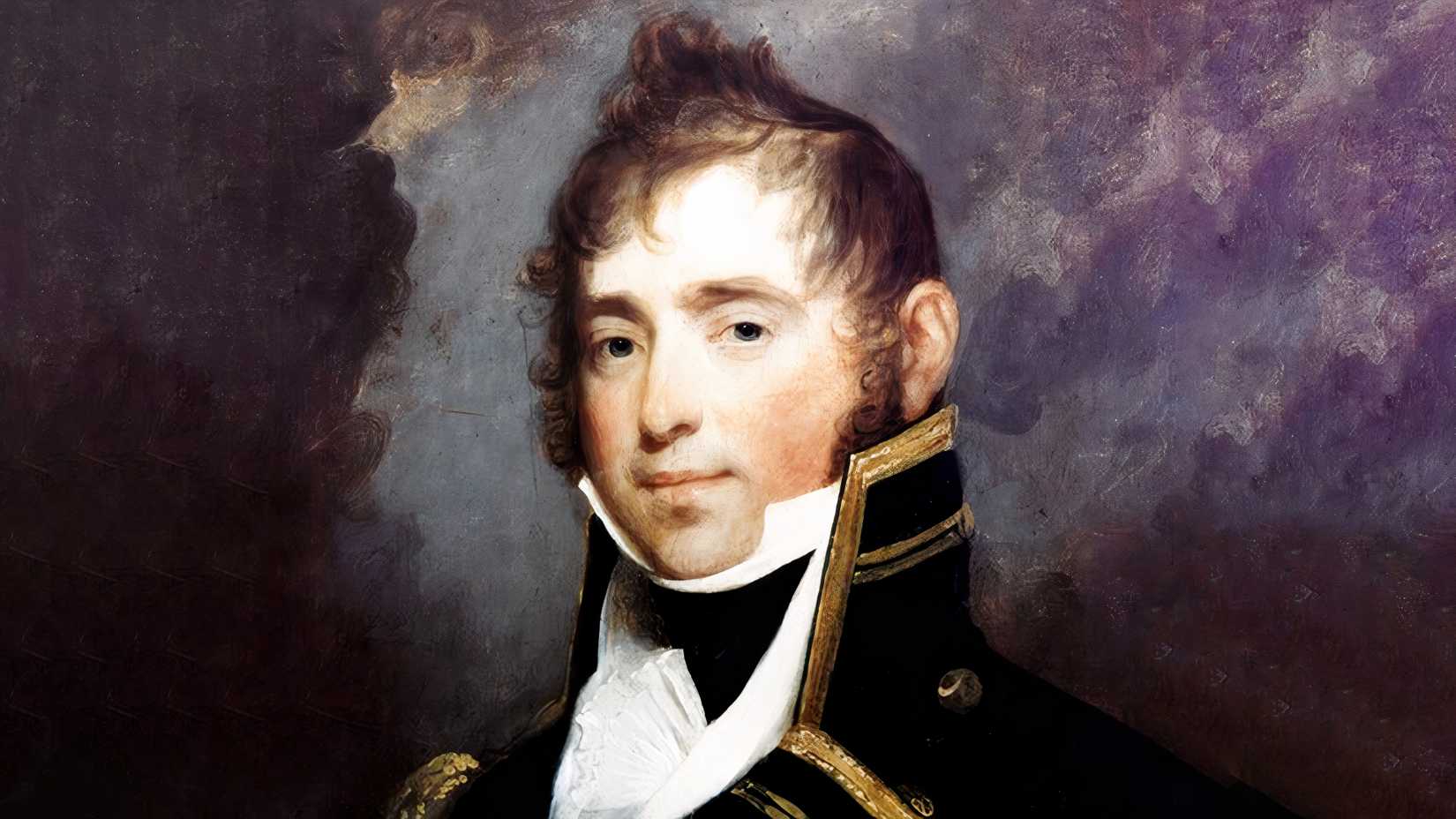
U.S. Navy Capt. James Lawrence, whose dying command “Don’t give up the ship” became a lasting naval rallying cry, is shown in a portrait painted around 1812. Lawrence died from wounds suffered
8. “Don’t give up the ship!”
James Lawrence
Mortally wounded during the 1813 fight between USS Chesapeake and HMS Shannon, Lawrence gave the Navy one of its lasting rallying cries.
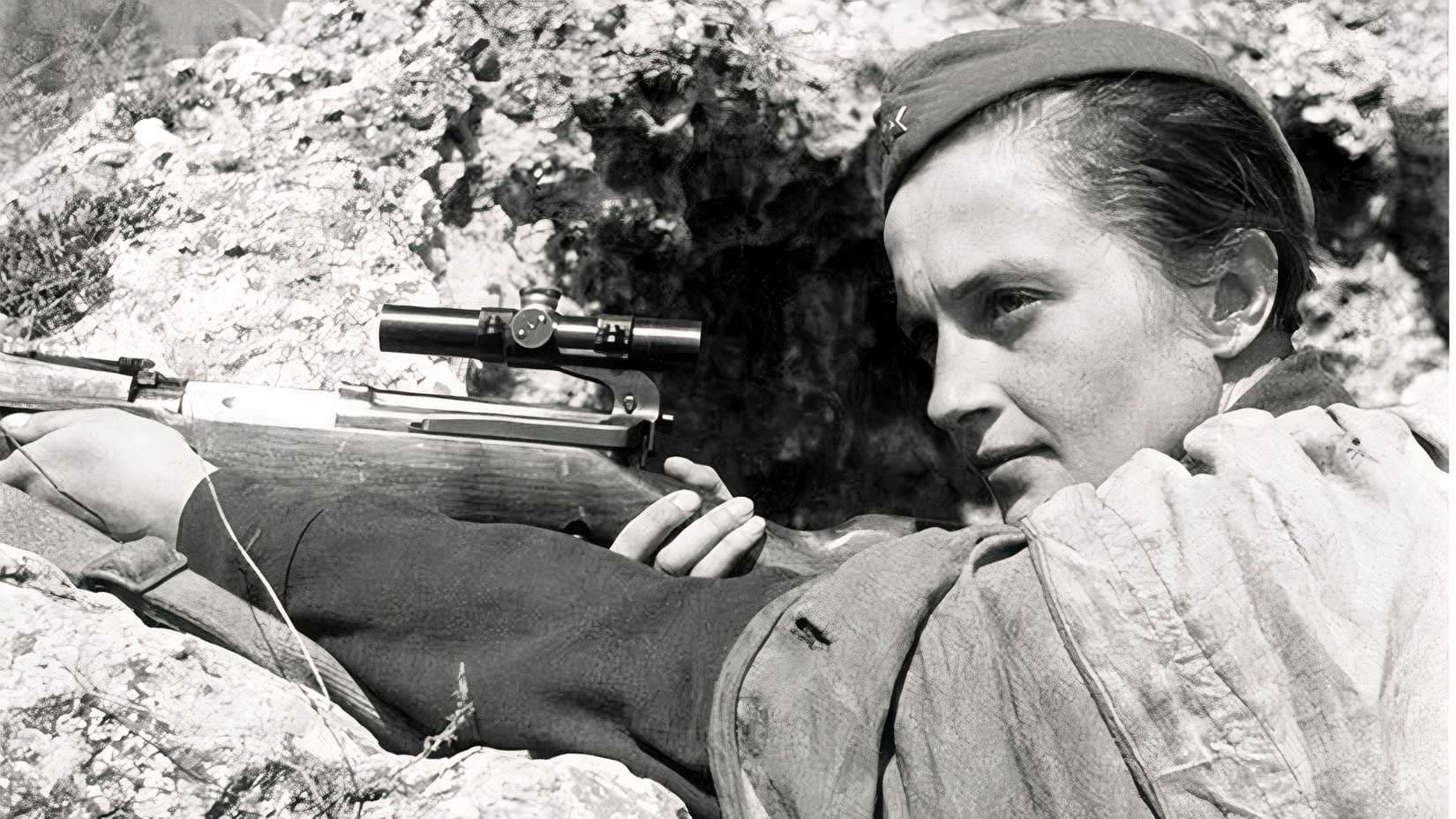
9. “Don’t you think, gentlemen, that you have been hiding behind my back for too long?”
Lyudmila Pavlichenko
The Soviet sniper challenged an American audience to support a second European front after noting that she was 25 and had killed 309 enemy combatants.
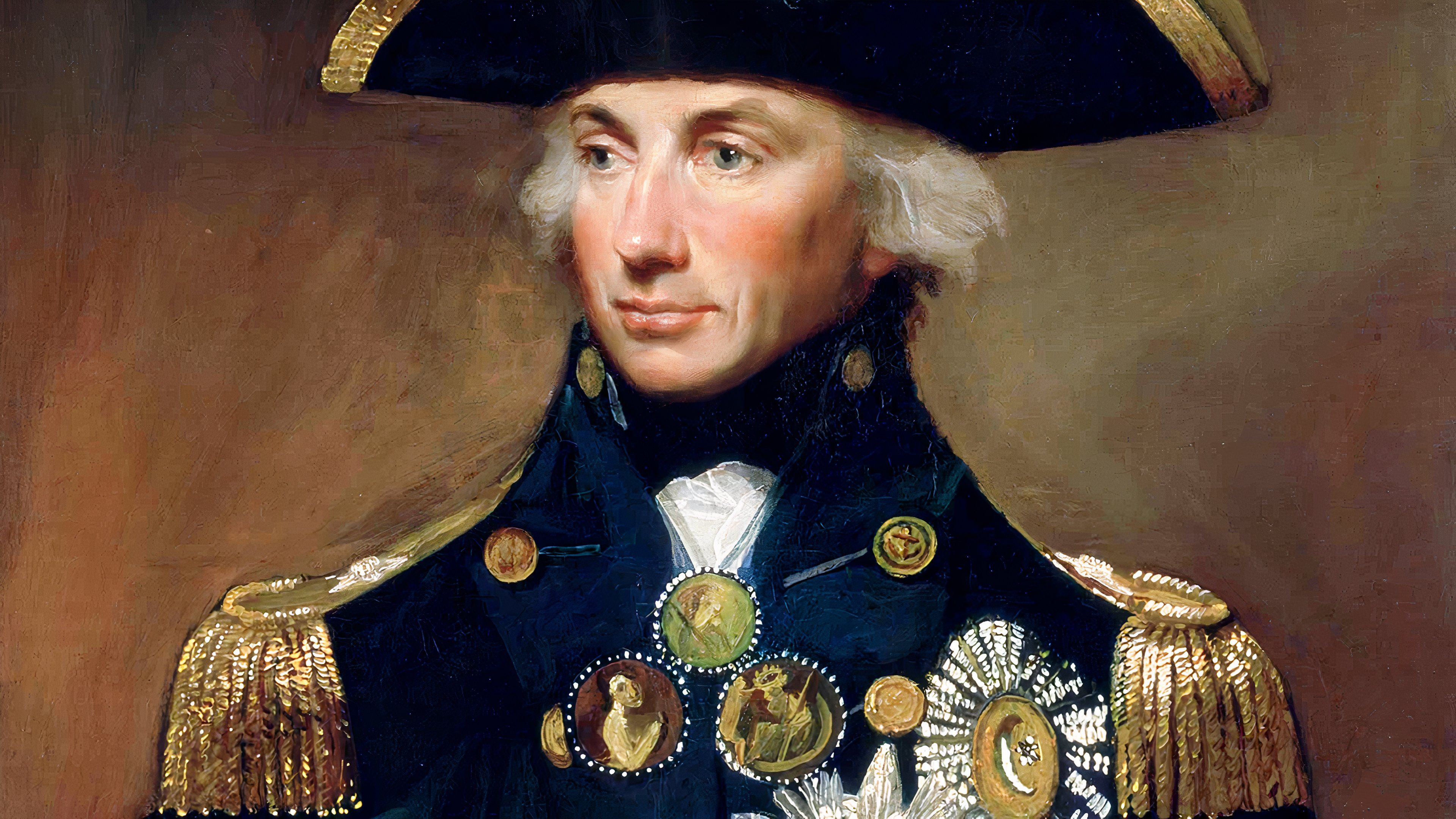 10. “England expects that every man will do his duty.”
Horatio Nelson
Nelson ordered the signal raised aboard HMS Victory shortly before the Battle of Trafalgar began in 1805.
Ulysses S. Grant
Grant’s reply at Fort Donelson helped earn him the nickname “Unconditional Surrender” Grant.
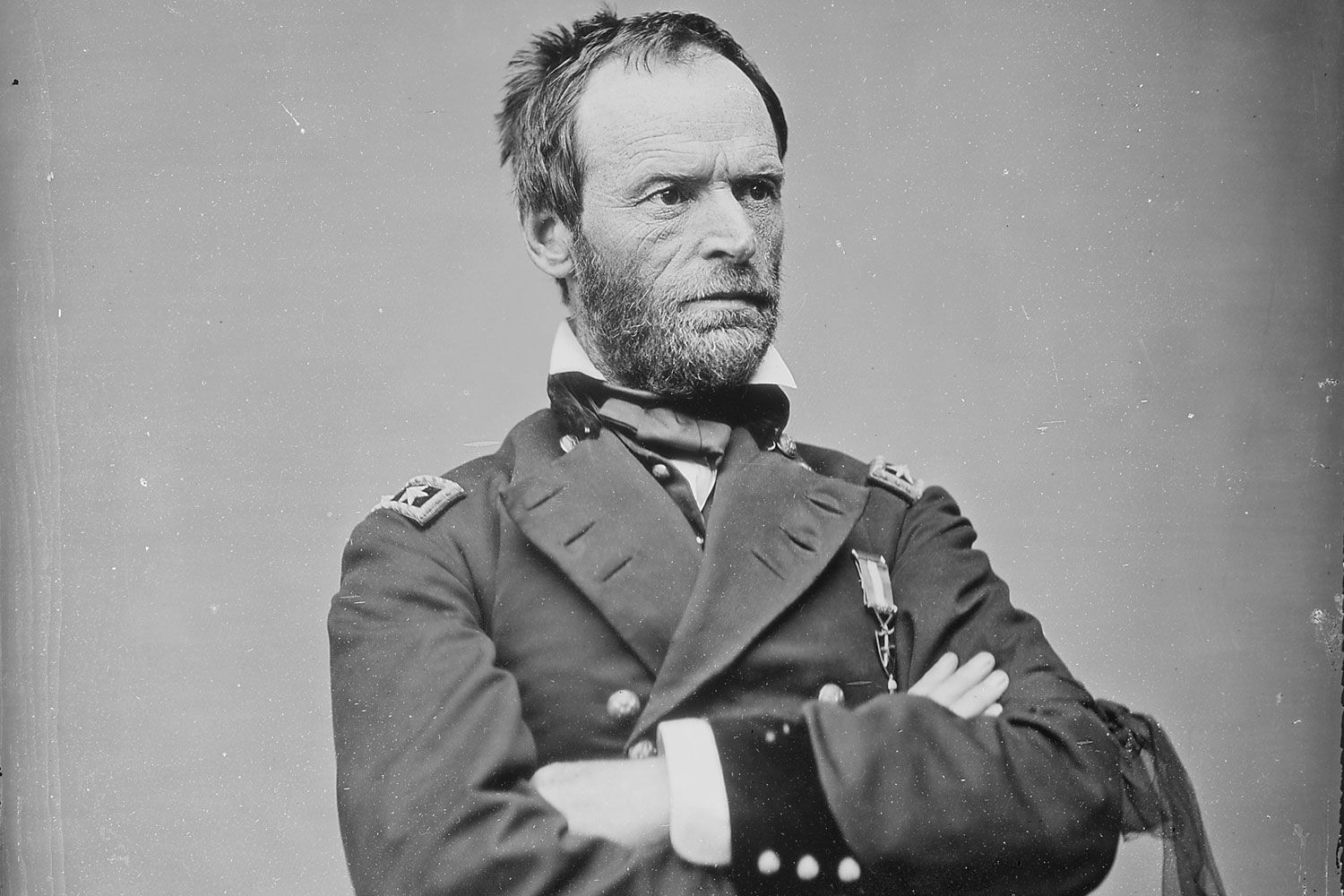 12. “War is cruelty, and you cannot refine it.”
William Tecumseh Sherman
Sherman wrote the line to Atlanta officials while defending the city’s forced evacuation in 1864.
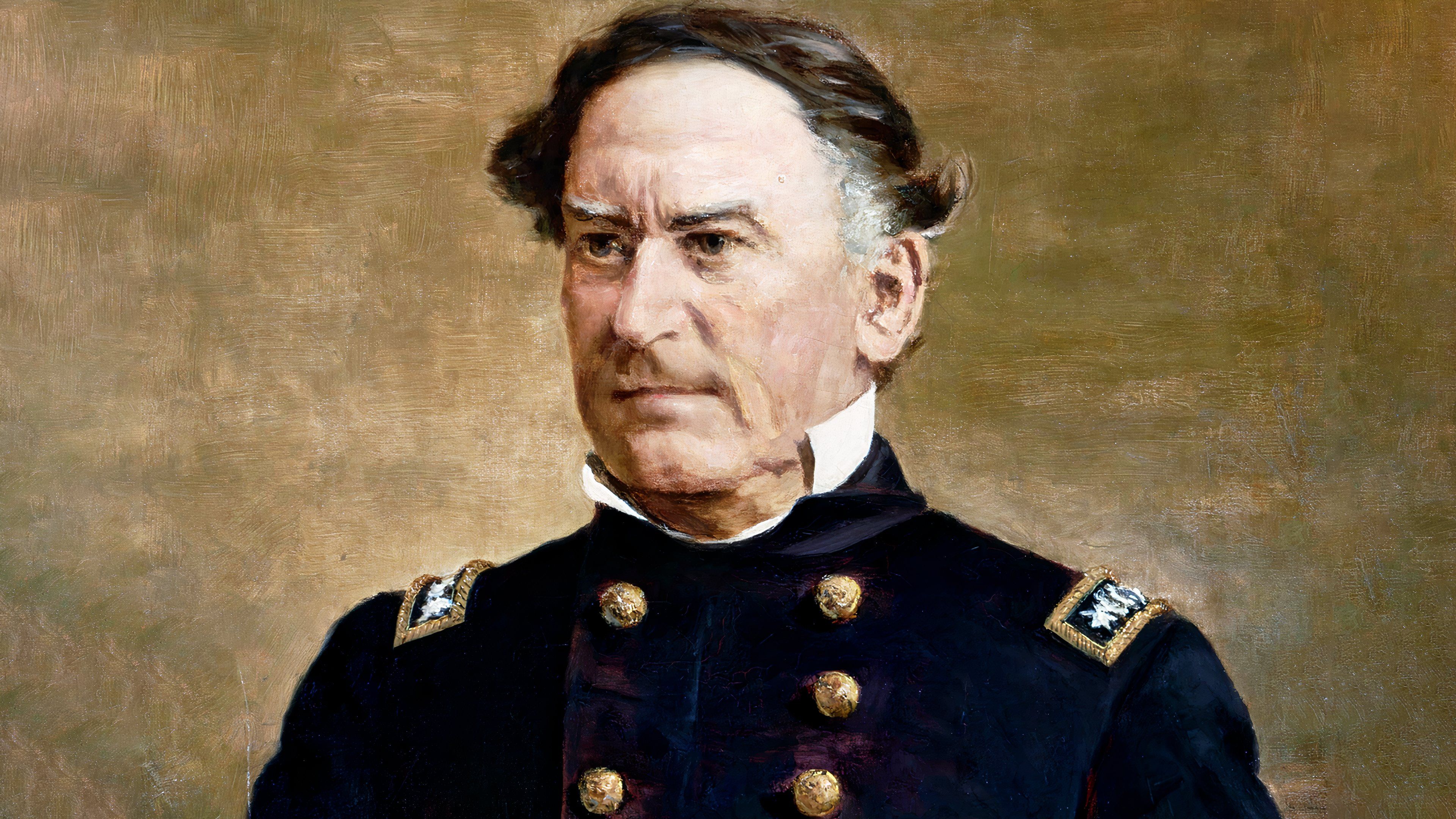 13. “Damn the torpedoes! Full speed ahead!”
David Farragut
The remembered version compresses several orders Farragut gave as his fleet crossed a minefield during the Battle of Mobile Bay.
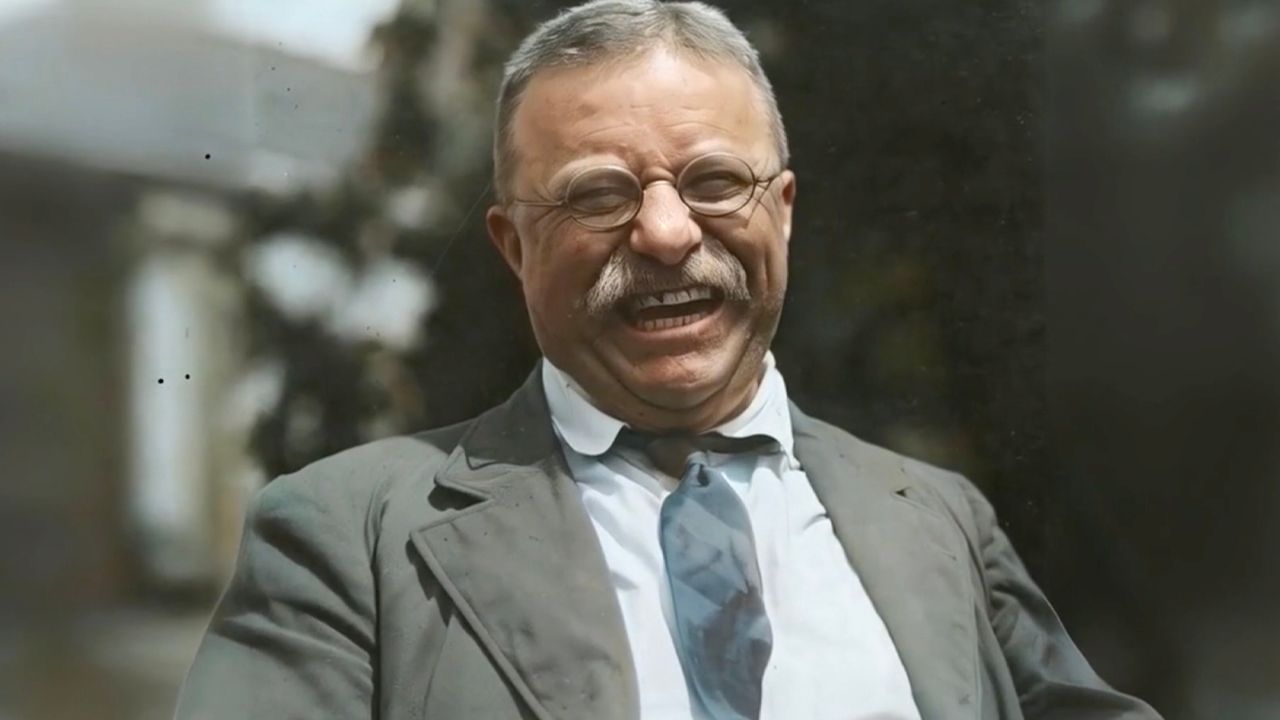 14. “Speak softly and carry a big stick; you will go far.”
Theodore Roosevelt
Roosevelt described it as a proverb, then turned it into shorthand for diplomacy backed by credible power.
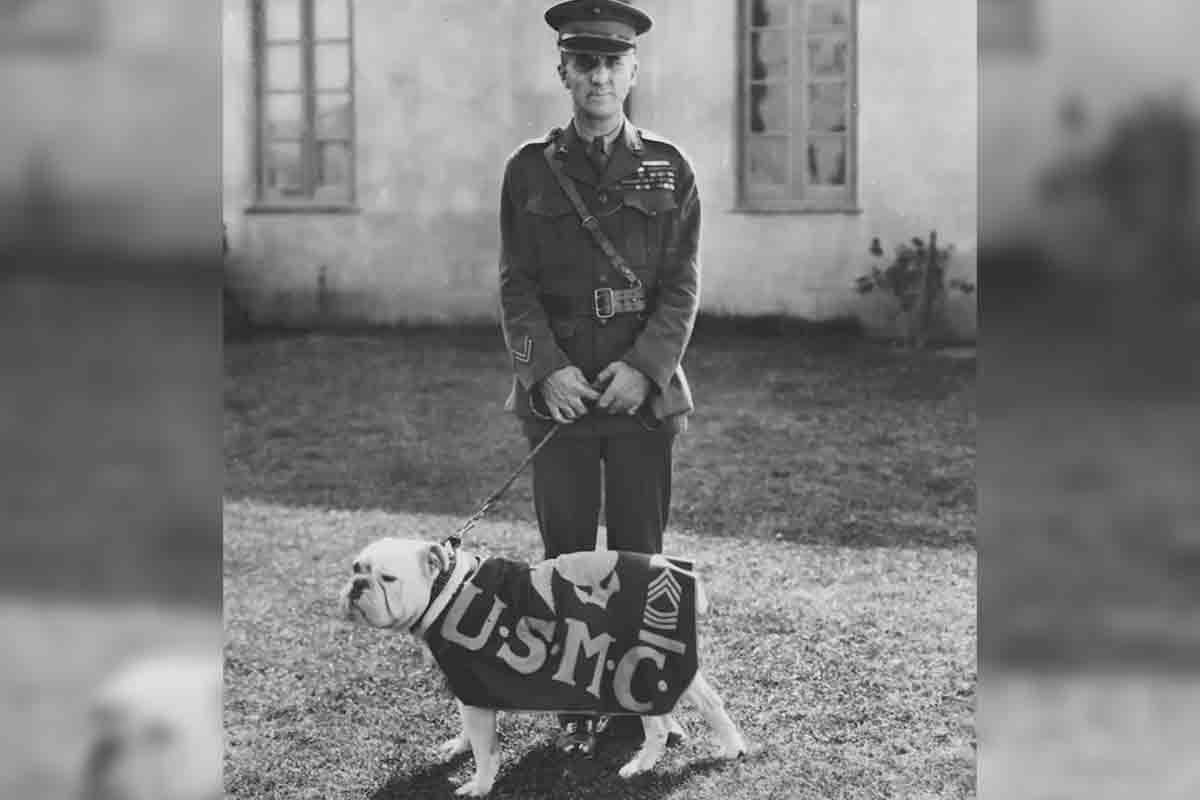 15. “War is a racket.”
Smedley D. Butler
The retired Marine major general and two-time Medal of Honor recipient used the line as the title and opening argument of his 1935 anti-war book.
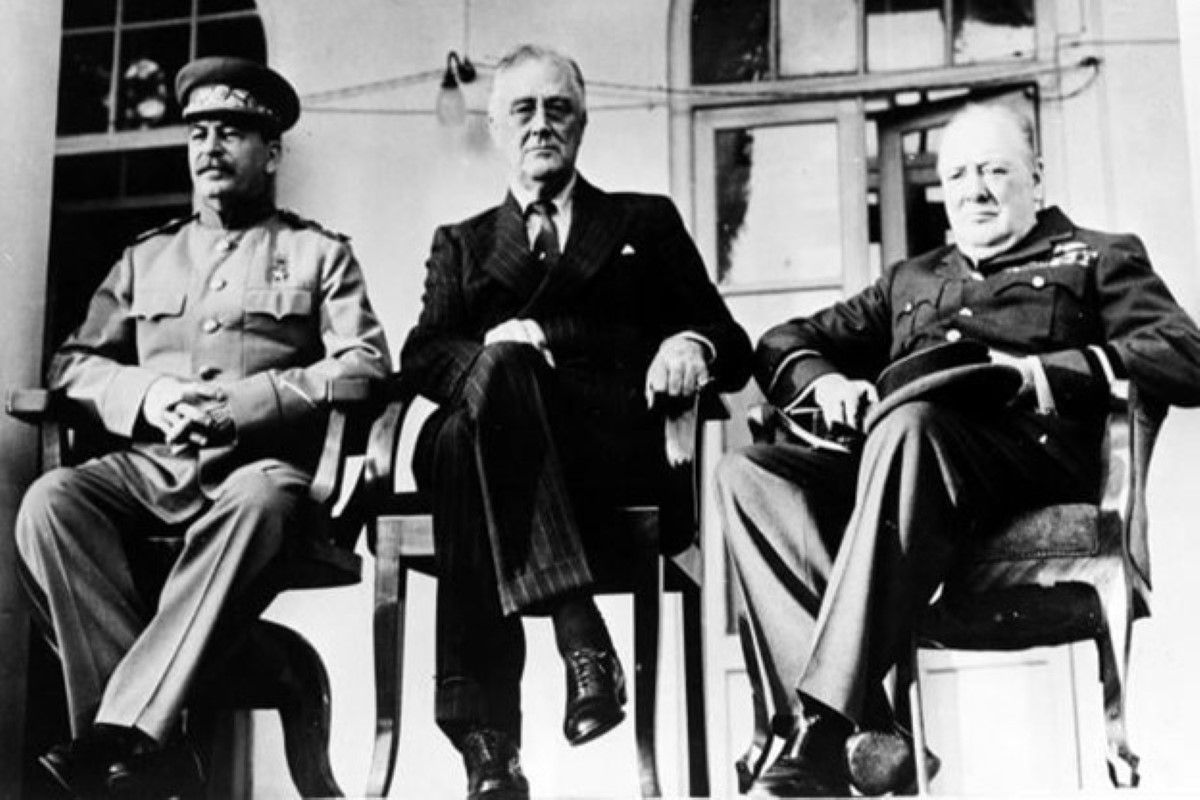 16. “We shall fight on the beaches … we shall never surrender.”
Winston Churchill
Churchill delivered the vow to Parliament after the evacuation of Dunkirk and the fall of much of Western Europe.
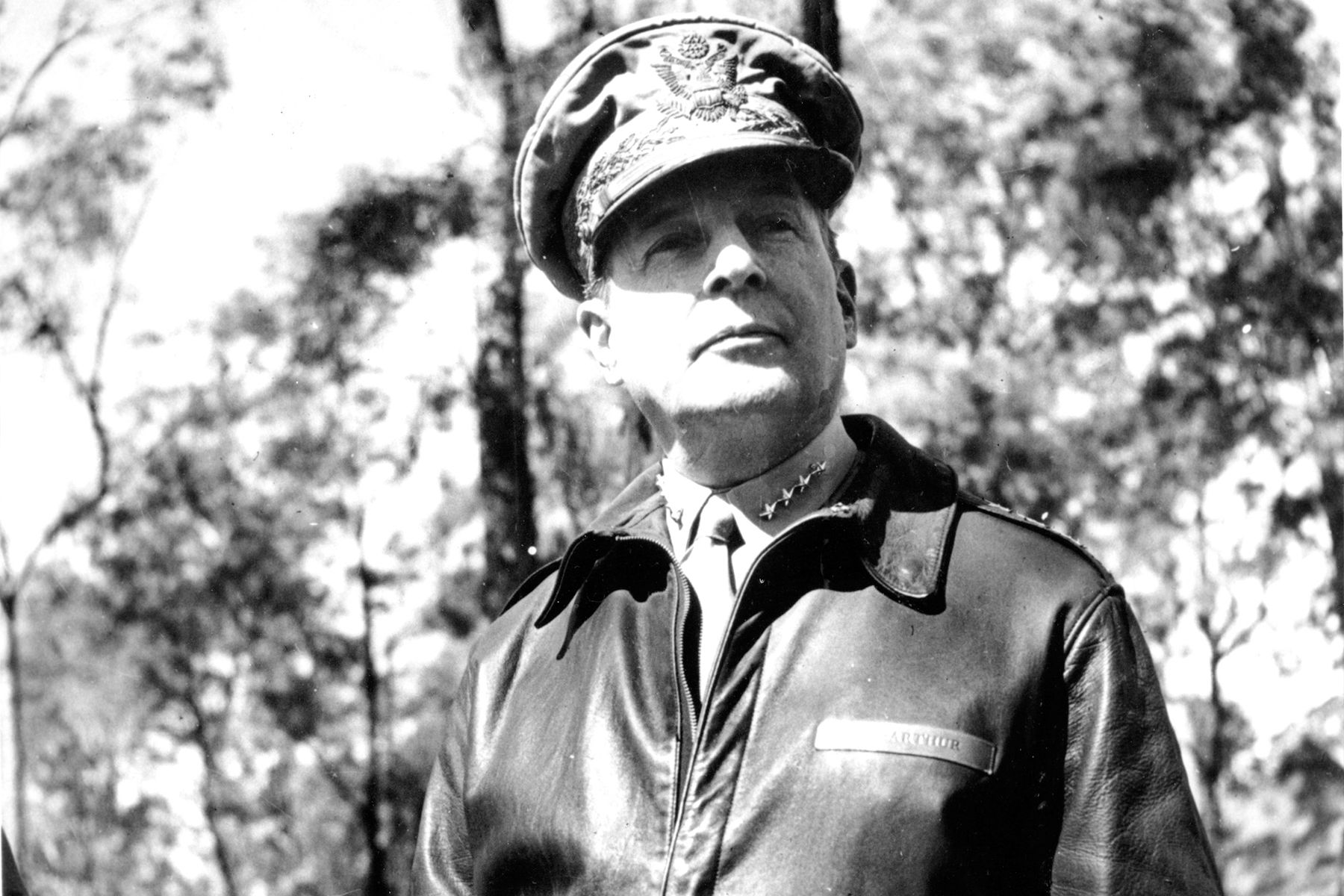 17. “I shall return.”
Douglas MacArthur
MacArthur made the promise after leaving the Philippines in 1942 and fulfilled it when he returned to Leyte two years later.
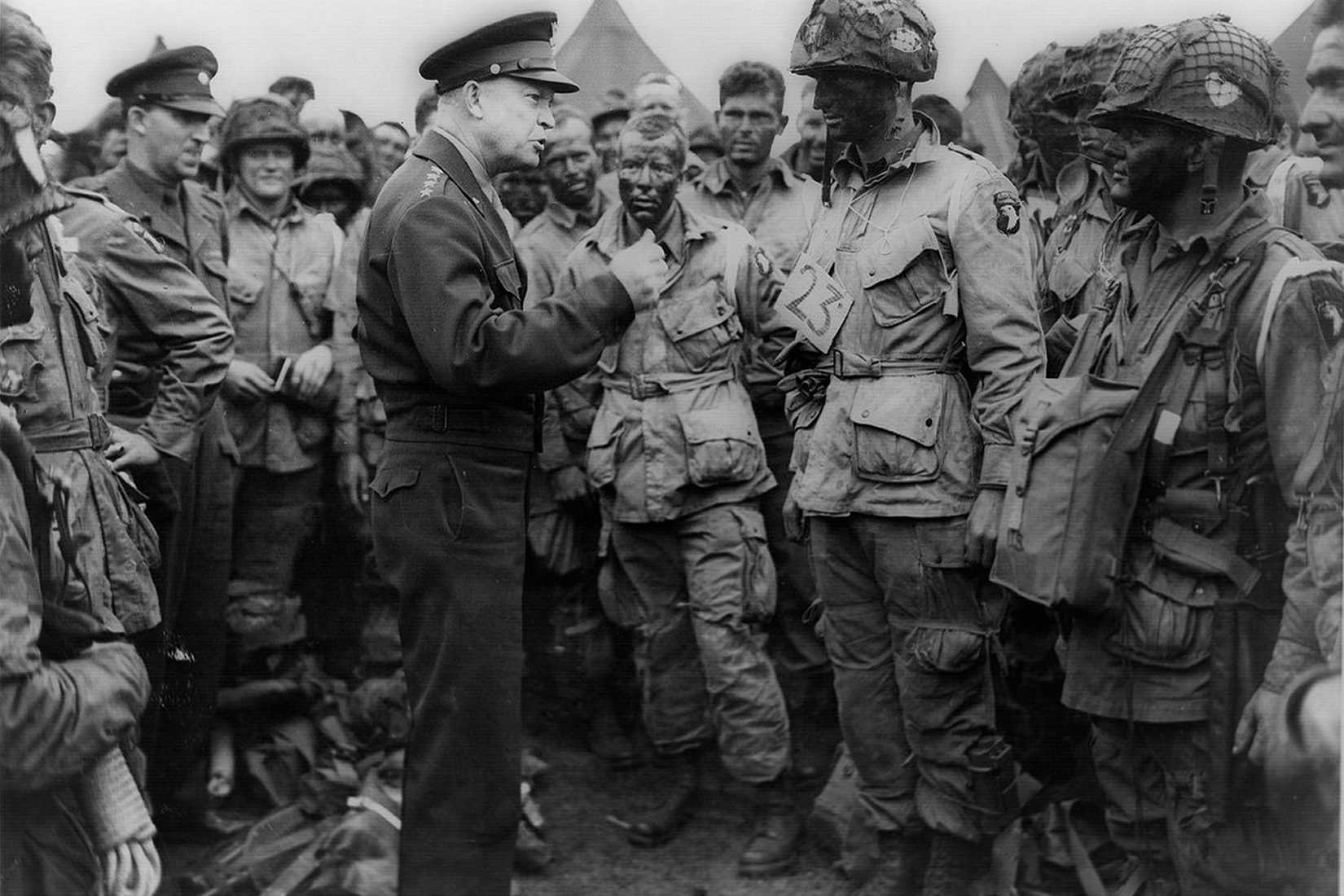
18. “The eyes of the world are upon you.”
Dwight D. Eisenhower
Eisenhower addressed Allied troops with those words before the June 6, 1944, invasion of Normandy.
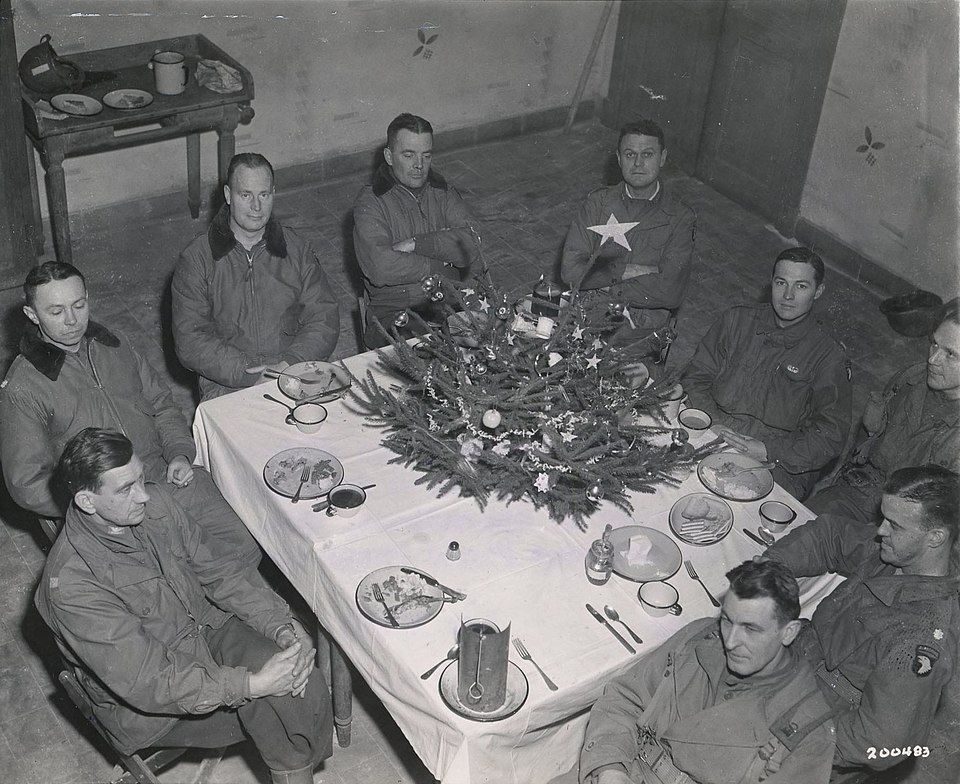 19. “Nuts!”
Anthony McAuliffe
McAuliffe’s one-word answer rejected a German demand that American forces surrender at Bastogne during the Battle of the Bulge.
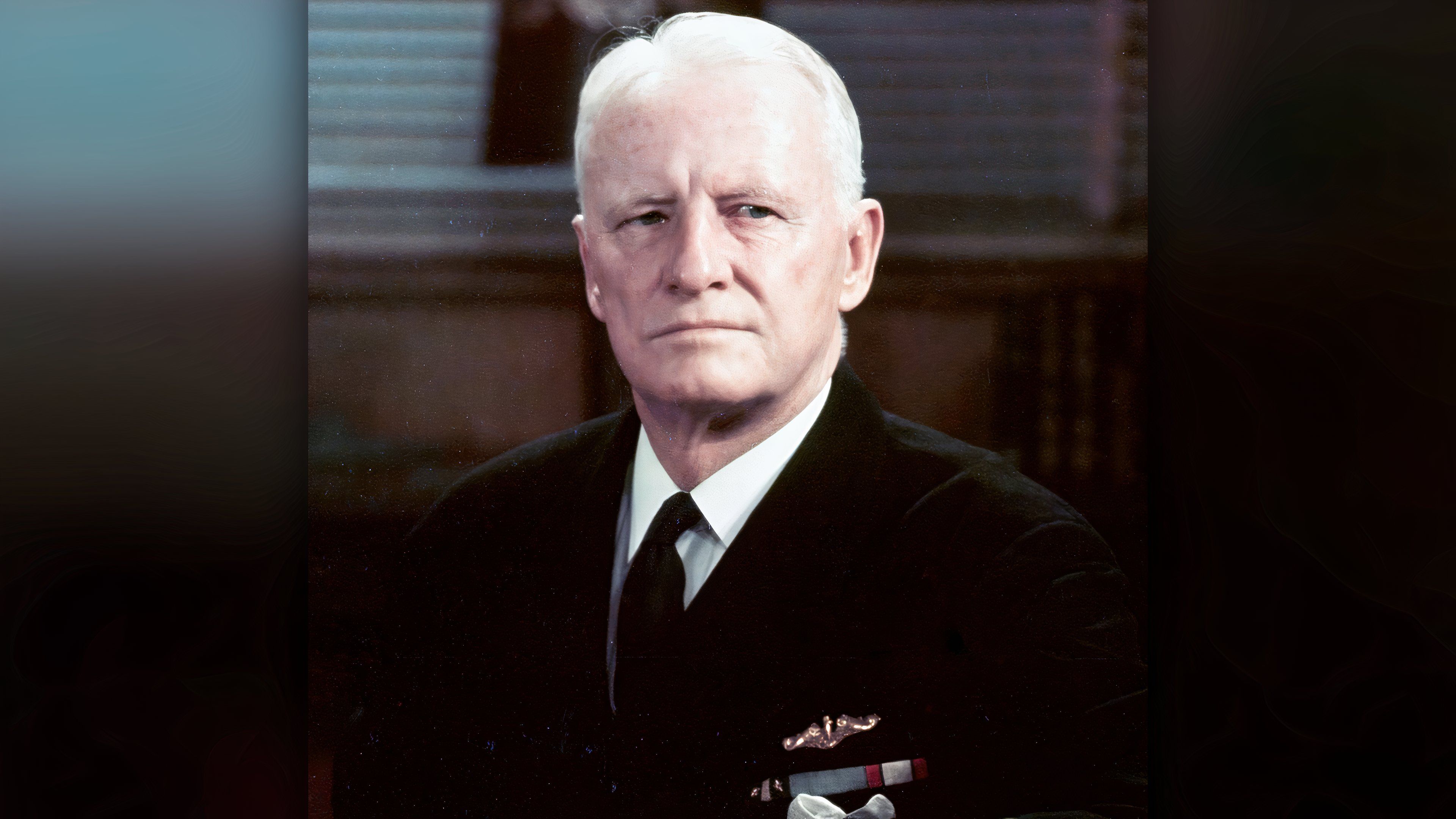 20. “Among those who served on Iwo Jima, uncommon valor was a common virtue.”
Chester W. Nimitz
Nimitz’s tribute recognized the extraordinary losses and courage seen during the battle for the Pacific island.
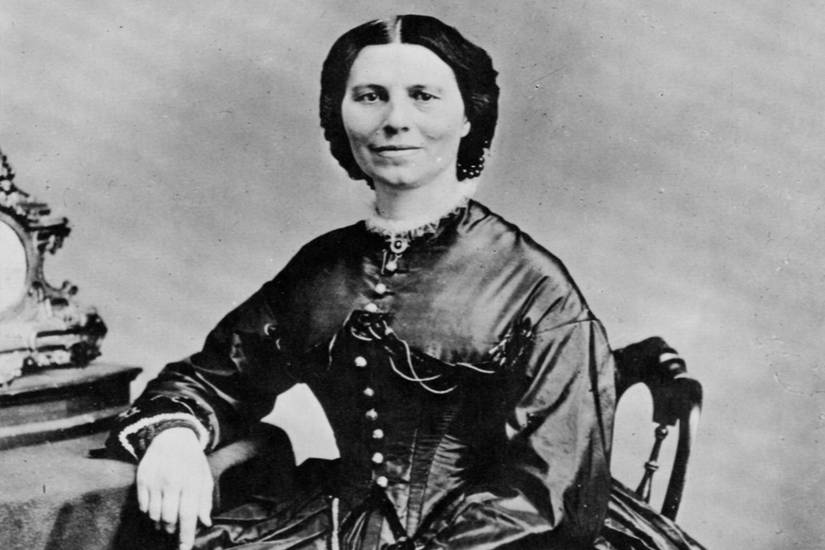
21. “While our soldiers can stand and fight, I can stand and feed and nurse them.”
Clara Barton
Barton wrote the line during the Civil War, when she carried medical supplies onto battlefields and treated wounded soldiers near the fighting.
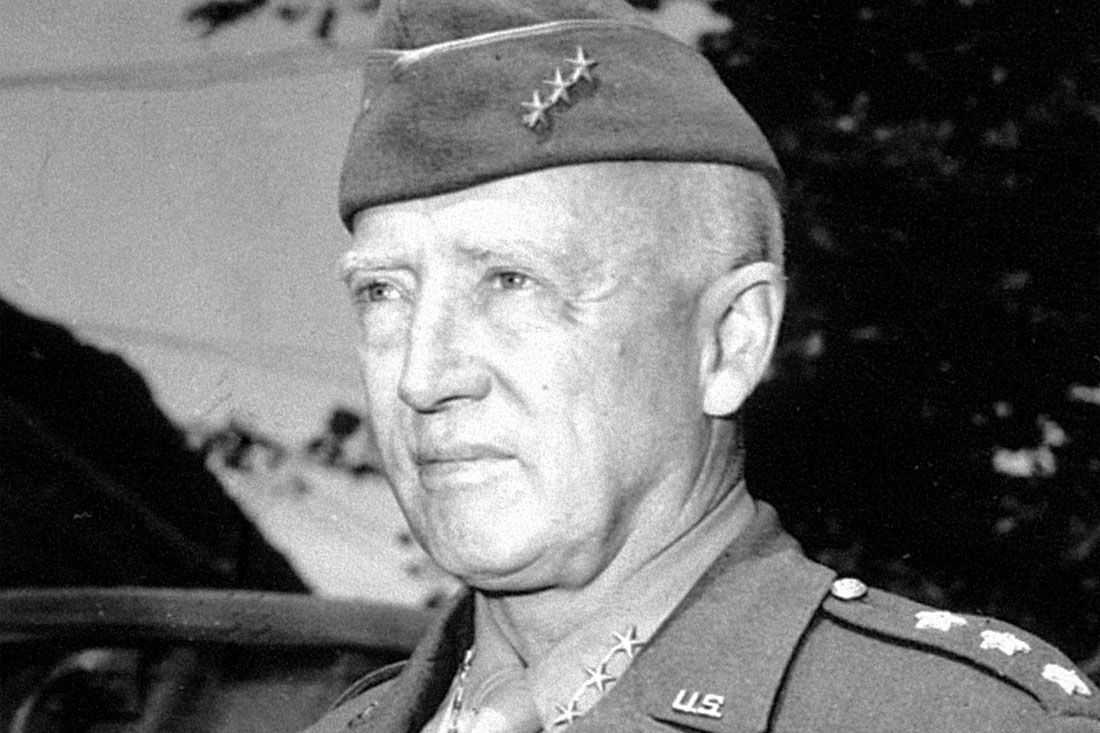 22. “Wars may be fought with weapons, but they are won by men.”
George S. Patton Jr.
Patton argued that victory ultimately depended on the character of those leading and following, rather than equipment alone.
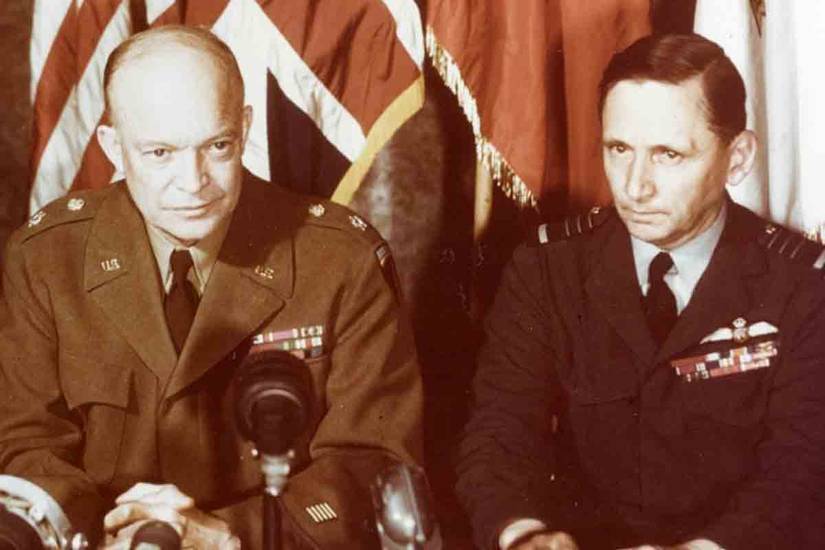
23. “Plans are worthless, but planning is everything.”
Dwight D. Eisenhower
Eisenhower’s distinction explains why preparation matters even when the original plan collapses under real conditions.
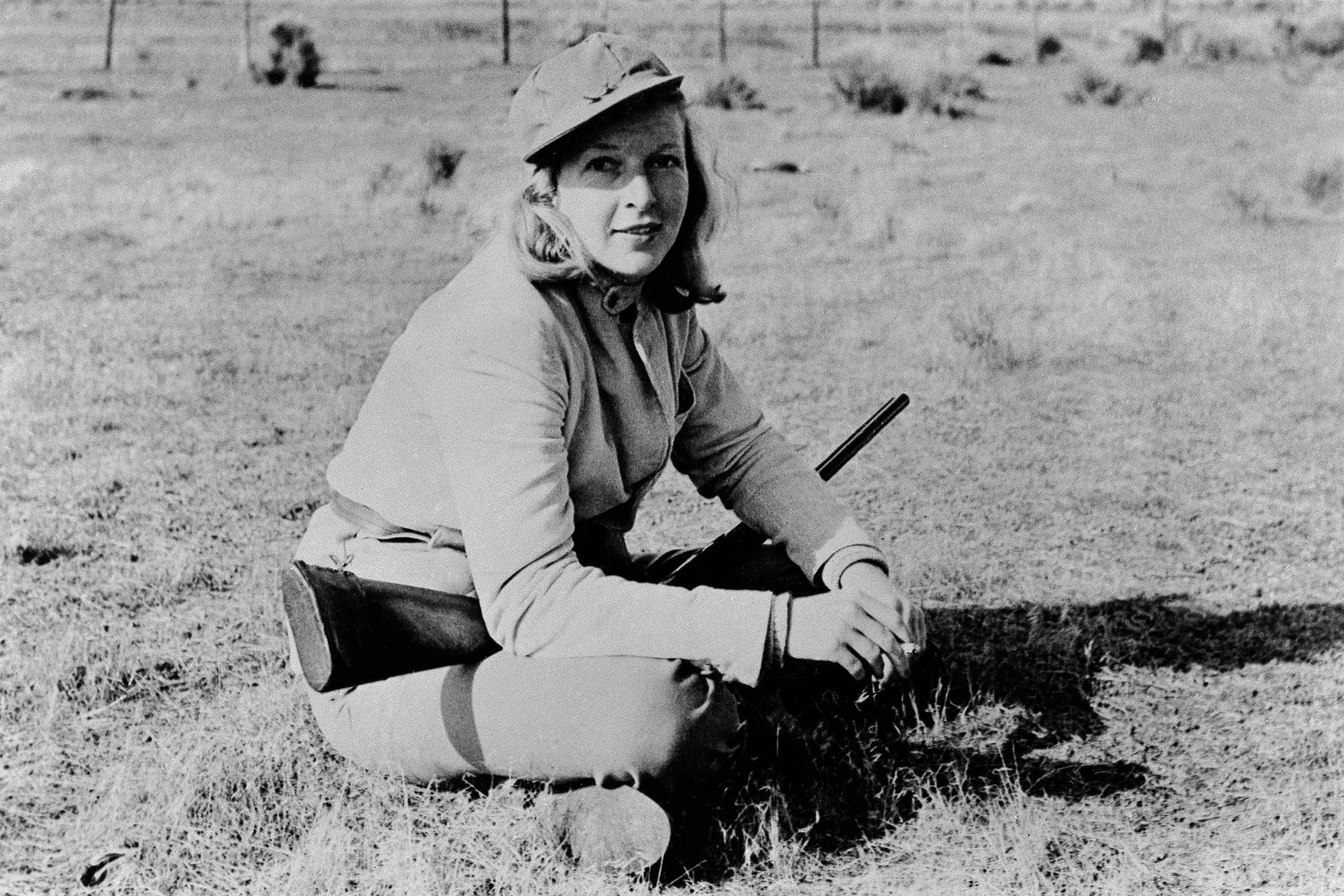 24. “War happens to people, one by one.”
Martha Gellhorn
Gellhorn covered conflicts from the Spanish Civil War through Vietnam and built her reporting around war’s effect on individual civilians and service members.
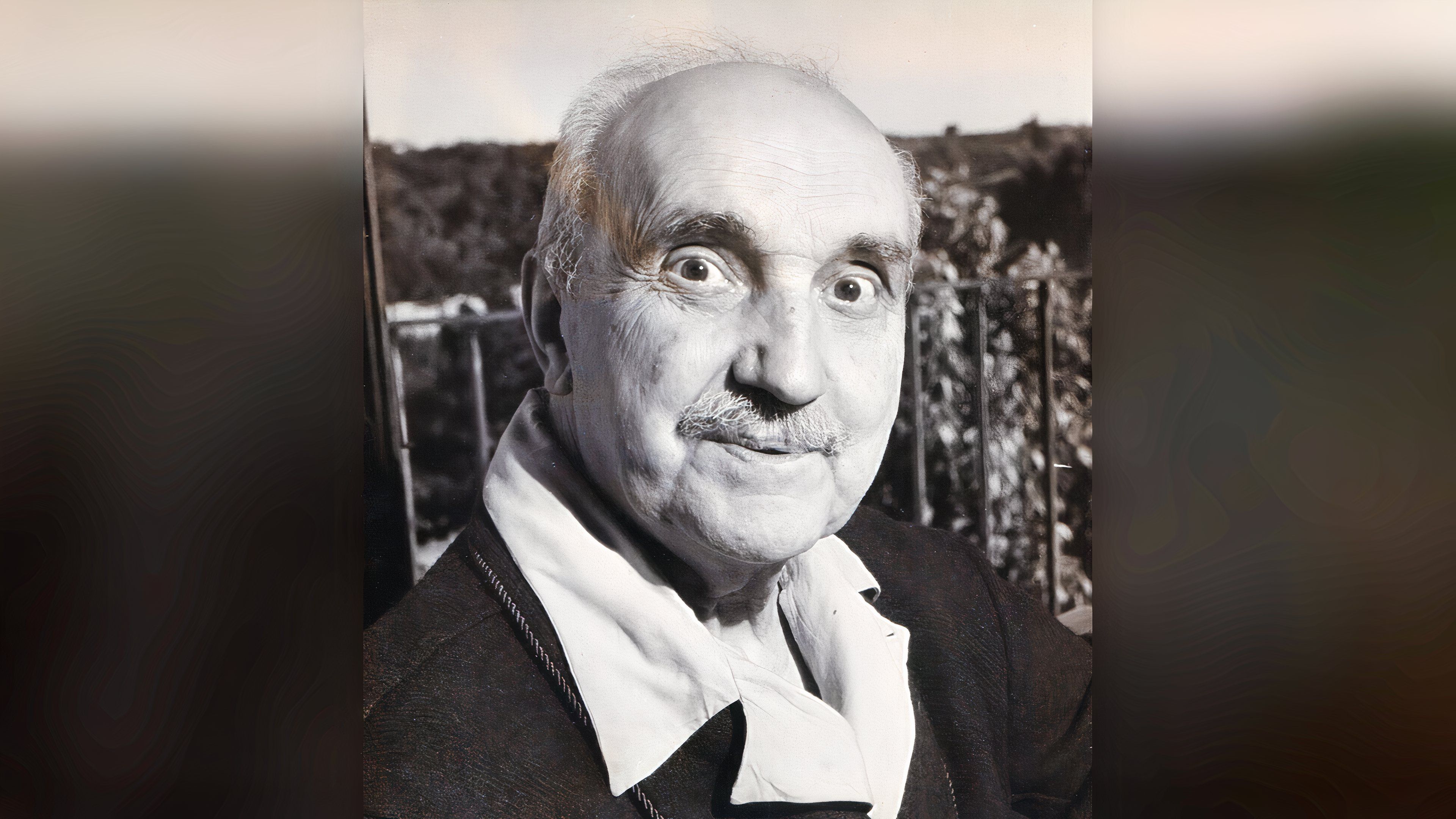 25. “Only the dead are safe; only the dead have seen the end of war.”
George Santayana
Frequently misattributed to Plato, the line came from Santayana’s reflections on World War I veterans returning to civilian life.
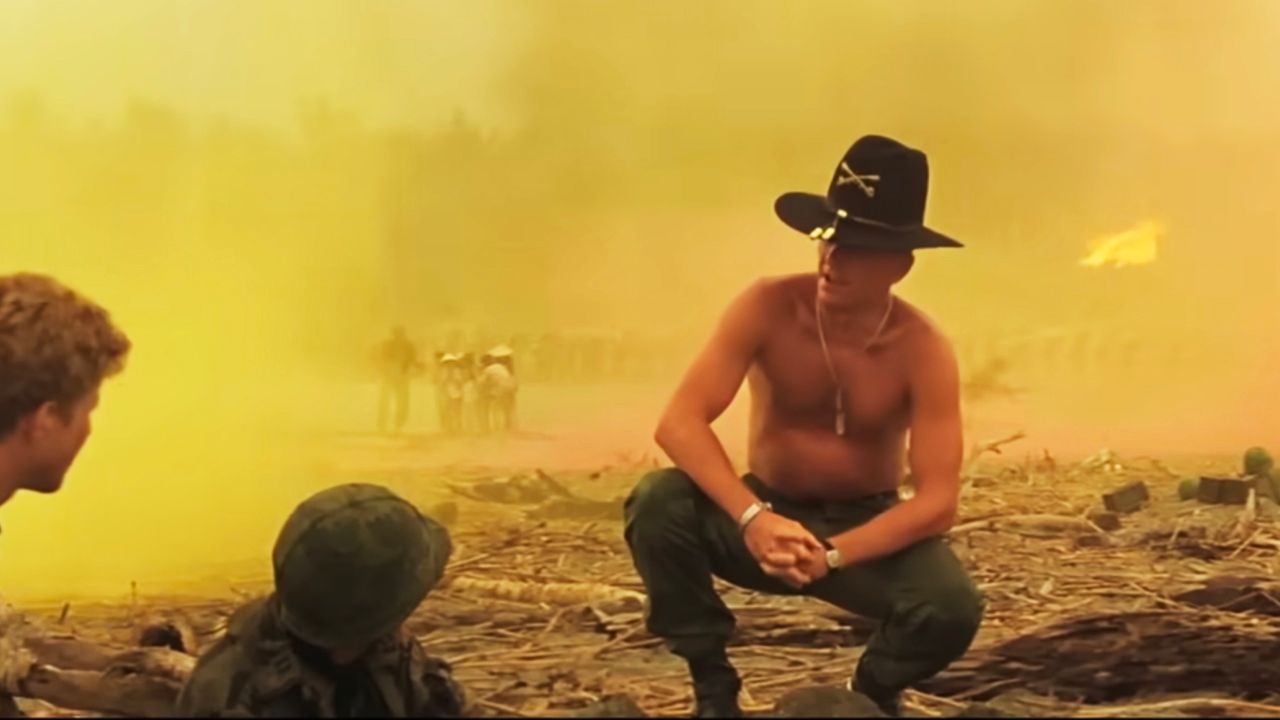 Famous Quotes That Did Not Make the List
A few irresistible lines had to stay on the cutting-room floor. “The first casualty of war is truth” is often credited to Aeschylus without evidence. Patton is regularly linked to “The object of war is not to die for your country,” but the wording changes depending on the source. Quotes attributed to Chesty Puller, Adm. Isoroku Yamamoto and Marine Sgt. Maj. Daniel Daly also tend to arrive with more legend than documentation.
And, regrettably, this list could not make room for “I love the smell of napalm in the morning” or Ernest P. Worrell’s immortal battlefield dispatch: “I came. I saw. I got blowed up!”
Those lines are great cinema, and Ernest deserves his flowers, but this list sticks to quotes that can be traced to speeches, letters, official histories or credible eyewitness accounts.
Read the full article here
