



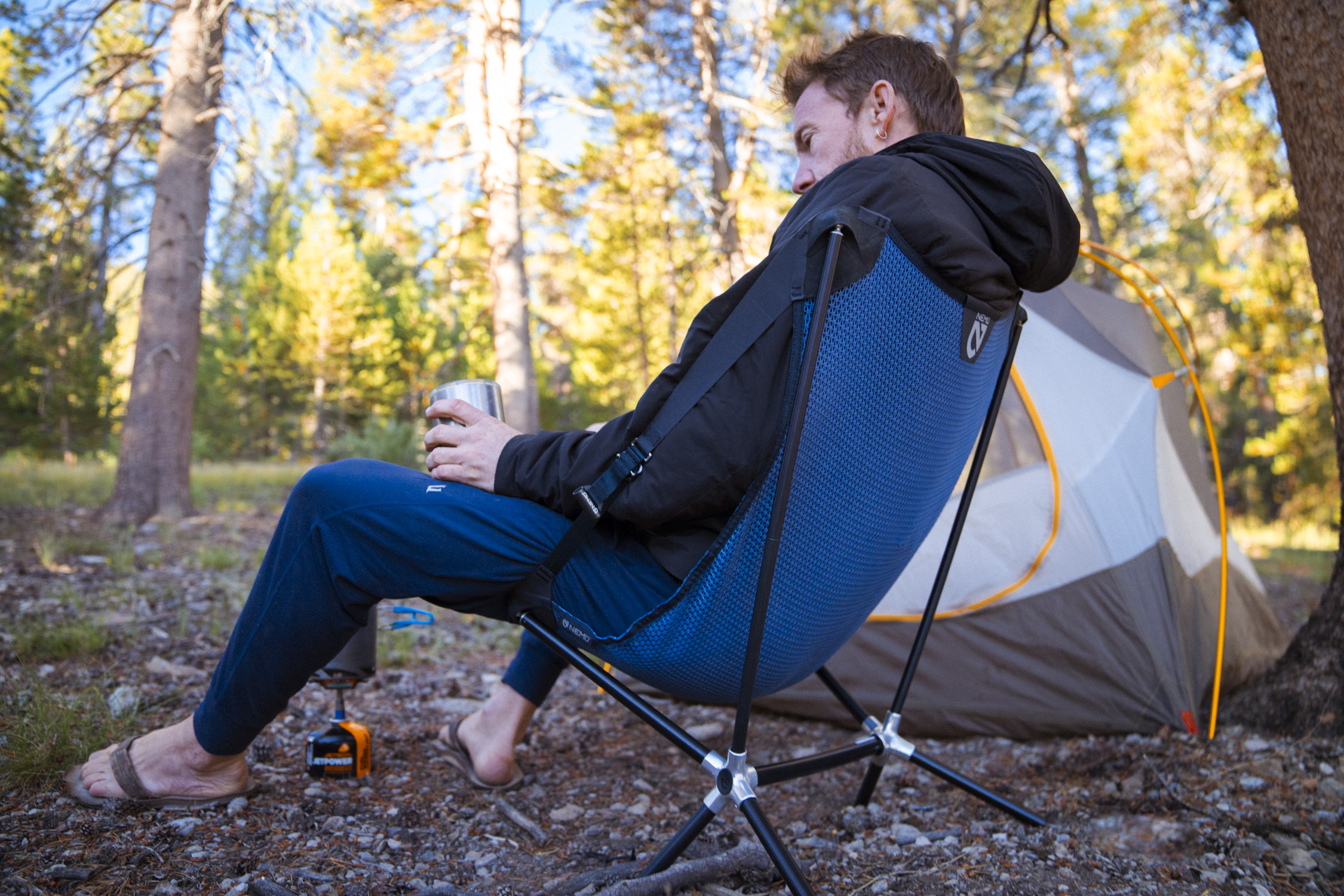

No matter how cool or comfy a camp chair is, it’s not a backpacking chair unless you can carry it. Lead tester Miya Tsudome took these models on camping trips in California and climbing trips into the High Sierra. And most recently, our team of three backpackers took four new chairs into the hills for 21 overnights to prove them out.
If you’re after a quick go-to, consider our top pick, the Helinox Chair Zero LT, or our spend-wise choice, the REI Co-op Flexlite Air Chair.
To choose the best backpacking chairs, we carefully researched, field tested, and ranked 14 different chairs. We evaluated each based on comfort, stability, size and weight, ease of setup, and build quality, to help you make the most informed purchasing decision and find the best backpacking chair for your next adventure.
Editor’s Note: We revised our Backpacking Chairs guide on August 5, 2026, to make finding your next chair easier than ever, adding expanded info and Tester’s Tips.
The Best Backpacking Chairs of 2026
Best Overall Backpacking Chair
9.0/10 RATING
Best Budget Backpacking Chair
7.0/10 RATING
Best Reclining Backpacking Chair
8.1/10 RATING
Best Heavy-Duty Backpacking Chair
7.5/10 RATING
Best Sit Pad For UL Backpacking
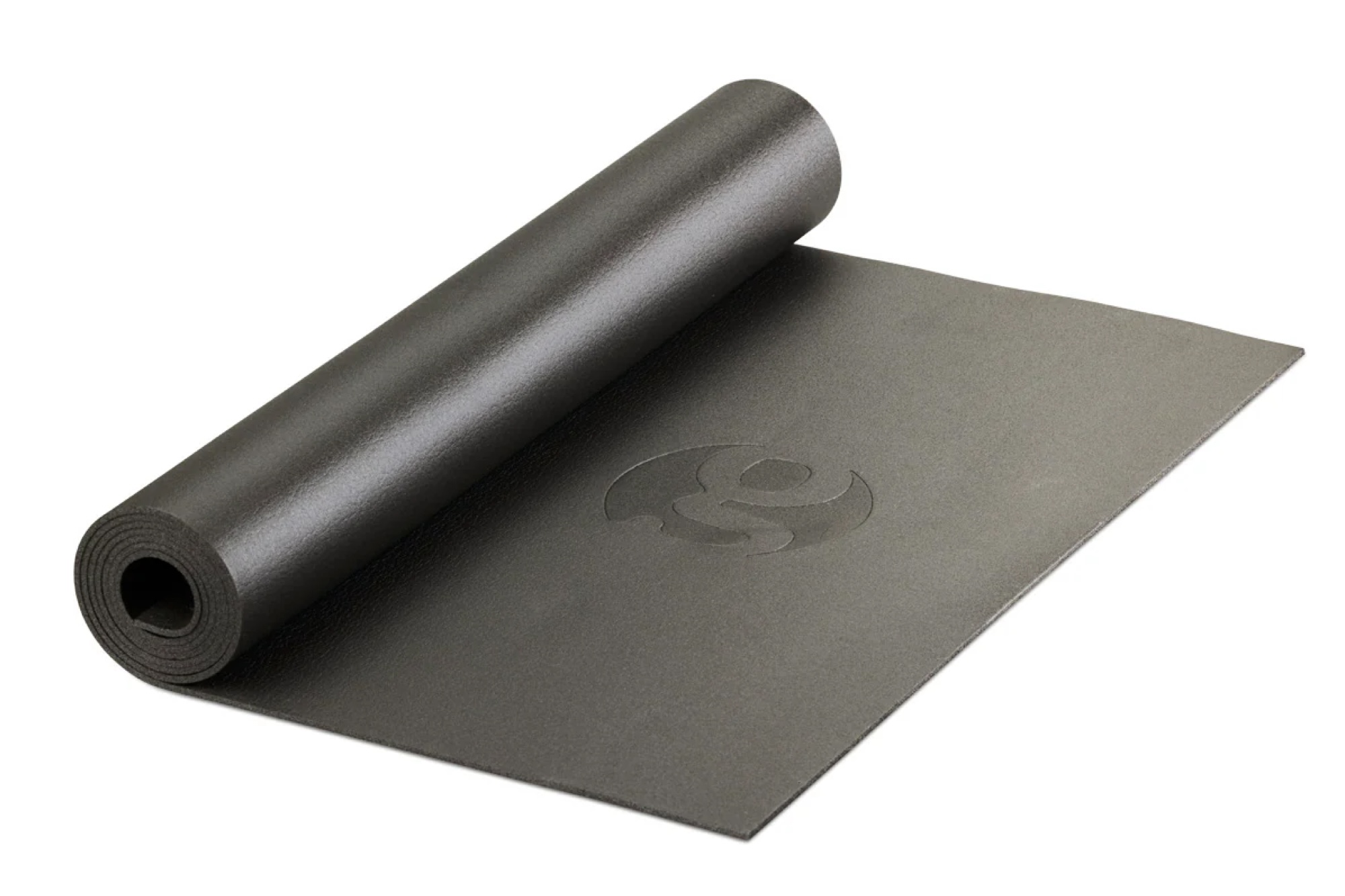
6.7/10 RATING
Best Ground Chair
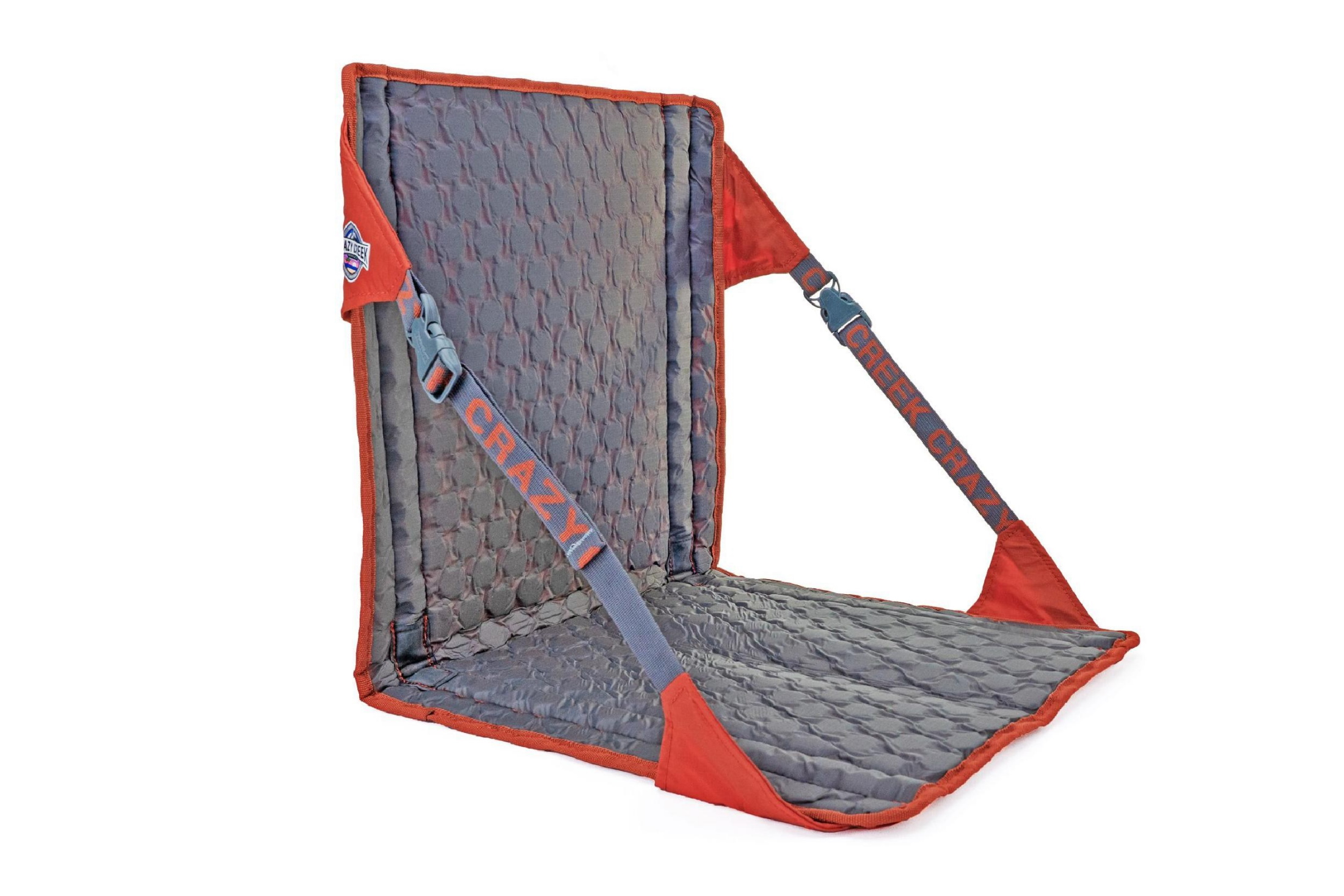
6.1/10 RATING
See more picks
Materials
‘GhostGrid’ monofilament grid ripstop, DAC aluminum poles
Pros
- Impressively low weight and compact packed size
- ‘X-Strap’ stabilizer improves sitting comfort
- GhostGrid fabric feels very durable
Cons
- Seat height isn’t the most comfortable
- Stabilizer strap is easily misplaced
Bottom Line: The new ultra-strong material is both whisper-light and tough in this near-perfect backpacking chair. A great choice for your average weight-conscious backpacker.
In backpacking, the camp chair is usually one of the first things left behind when weight matters. The new-for-2026 Helinox Chair Zero LT ($160) makes a strong case for itself at less than a pound, and debuts a ‘GhostGrid’ monofilament weave sling material that is both whisper-light and strong.
The LT version gets a big upgrade in materials compared to the classic Chair Zero. The seat is a high-tenacity ripstop nylon that feels more like high-end kite fabric than furniture, and feels genuinely supportive. Then, down below, a simple webbing cross strap wrangles all the legs together and really improves the stability. This is a little easy to misplace if you don’t use the stuff sack, so hang onto it.
The Chair Zero LT impressed us in testing this spring, and there are few backpacking chairs we consistently ranked higher. While the REI Flexlite Air is a budget-friendly alternative, it carries a stability penalty. The NEMO Moonlite Elite offers a clever reclining feature, but can’t touch the stripped-back minimalism of the Helinox. If you’re committed to the thru-hiker aesthetic, a Thinlight pad is lighter, but it is really a compromise on comfort.
Using the LT has its quirks. To achieve the weight, the seat sits 8.5″ off the dirt. After putting down some miles, the last thing you want to do is more effort, and getting back on your feet requires a strategic “rock and roll” maneuver. Furthermore, the ultralight materials can be a little noisy, with the DAC aluminum poles creaking as you adjust in the chair. It doesn’t feel cheap or unsafe, but you do notice it.
The Helinox Chair Zero LT looks like a specialist tool, but it’s really the perfect option for most backpackers. It is a bit noisy, and puts you closer to the ants than the campfire. But for the weight of a single beer, it’s a premium you’ll stop regretting the second you take the weight off your boots.
Materials
Ripstop nylon and aluminum
Pros
- Lightweight at just 1 pound
- Quick and easy setup
- Aluminum poles are sturdy and seat securely
- 11″ seat height is about perfect for kicking back or sitting at a table
- Affordable pricing
Cons
- Narrow legs make it feel slightly unstable
- Back support isn’t the best out there
Bottom Line: A good design, lightweight, and affordable price are all highlights of this backpacking chair. The narrow stance isn’t the best for soft soils, and it’s easy to wish for more back support. For the price, however, it’s a deal.
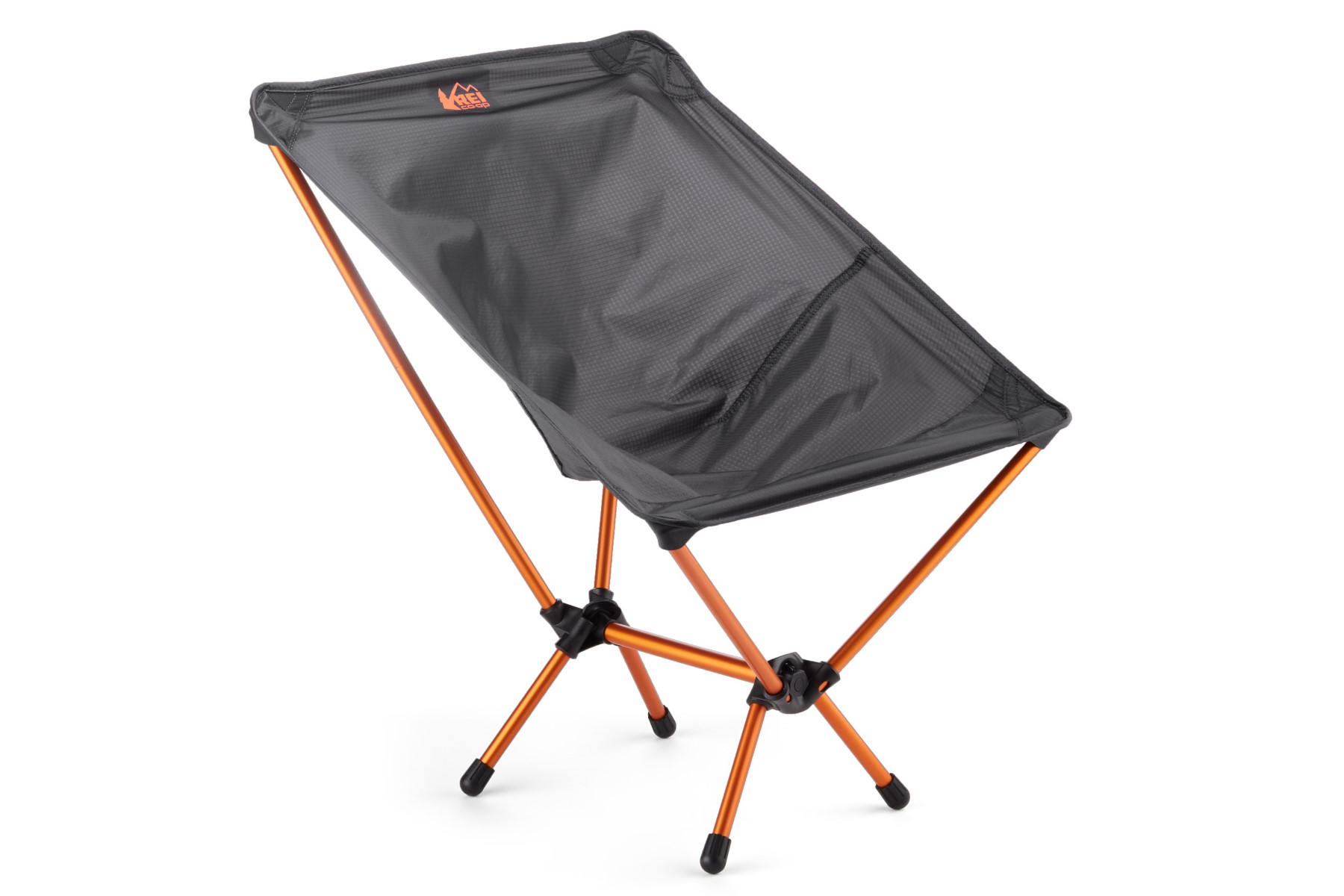
At only a pound, the REI Co-op Flexlite Air Chair ($100) offers the perfect balance of comfort, stability, and price. In testing, it checked all our boxes: a very light-packed weight, easy setup, and comfort while sitting. The chair has a four-leg aluminum pole design with a ripstop nylon and mesh chair seat cover.
This chair folds down super easily and stuffs down small, fitting well into the included stuff sack. While no weight-bearing chair will necessarily “disappear in your pack,” the tiny pack size of the Flexlite Air makes this lightweight wonder about as unnoticeable as it gets while you crank out the miles.
We loved this chair for backpacking and car camping trips alike. It serves as a quick, simple option to immediately boost camp comfort. The seat itself was comfortable for a range of body types but isn’t the largest out there. If you want some more room to kick back in, the Flexlite Camp Boss is 20% larger in every dimension, and $10 cheaper, but will be heavier by almost two pounds.
Little separated this chair from our top spot, with the exception of the leg design. Because the leg structure uses a stabilizer perpendicular to your hips, the four points of contact are narrower than other chairs, and couldn’t be leaned back on as comfortably. This isn’t a huge issue, but it was a ding on an otherwise excellent design.
This has a great design and isn’t too pricey. If you’re looking to invest in a chair that offers back support and doesn’t add too much weight to your pack, the Flexlite Air Chair is a great option.
Materials
100% PCR polyester, Bluesign-approved mesh, forged aluminum hubs, 7001 aluminum frame
Pros
- Adjustable straps allow you to sit up or recline
- All-mesh seat is more comfortable and breathable
- High-quality materials
Bottom Line: Impressive backcountry tech that allows you to actually recline at camp. The seamless mesh and adjustable straps make it the most ergonomic choice in this guide, provided you don’t mind the slightly higher trail weight.
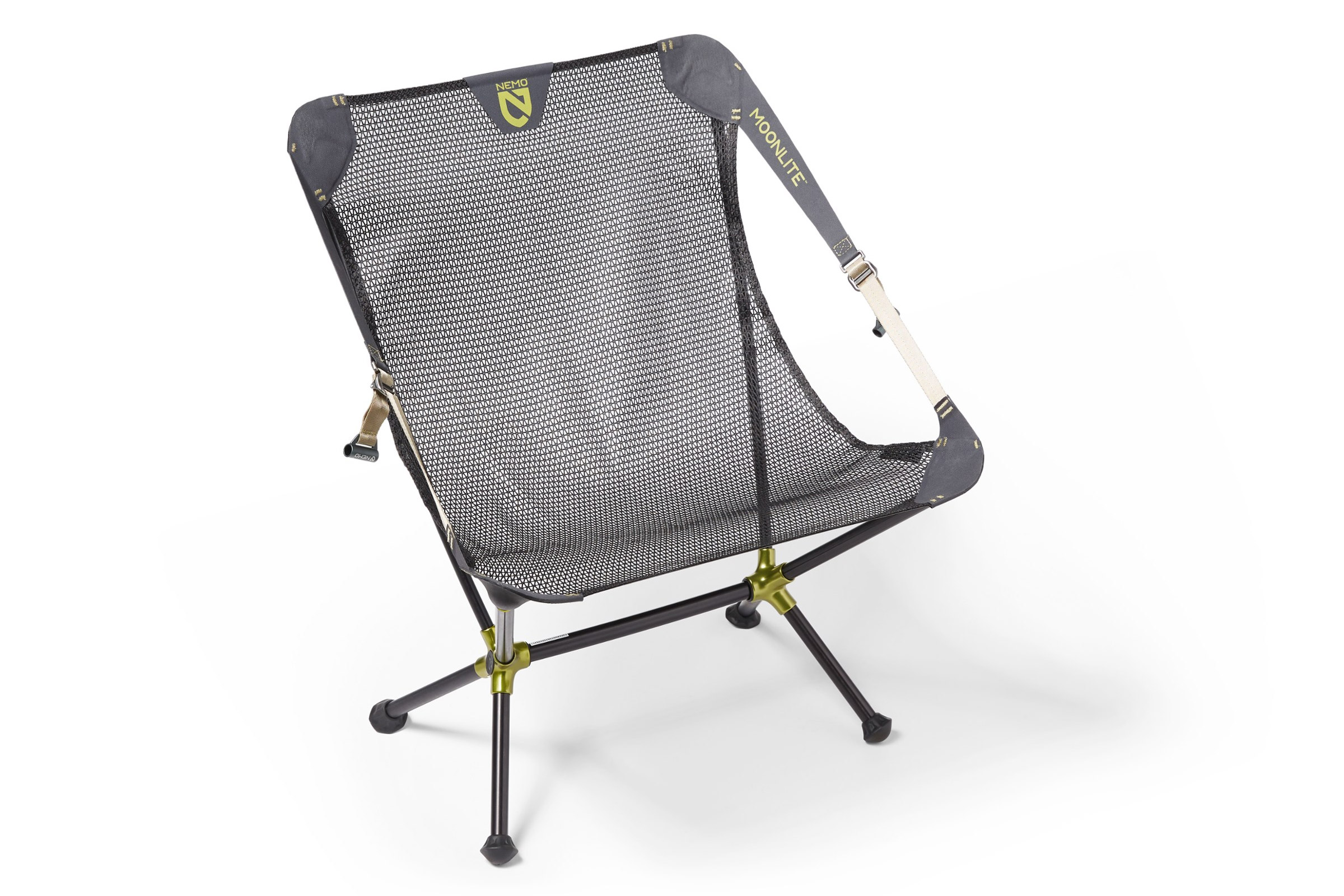
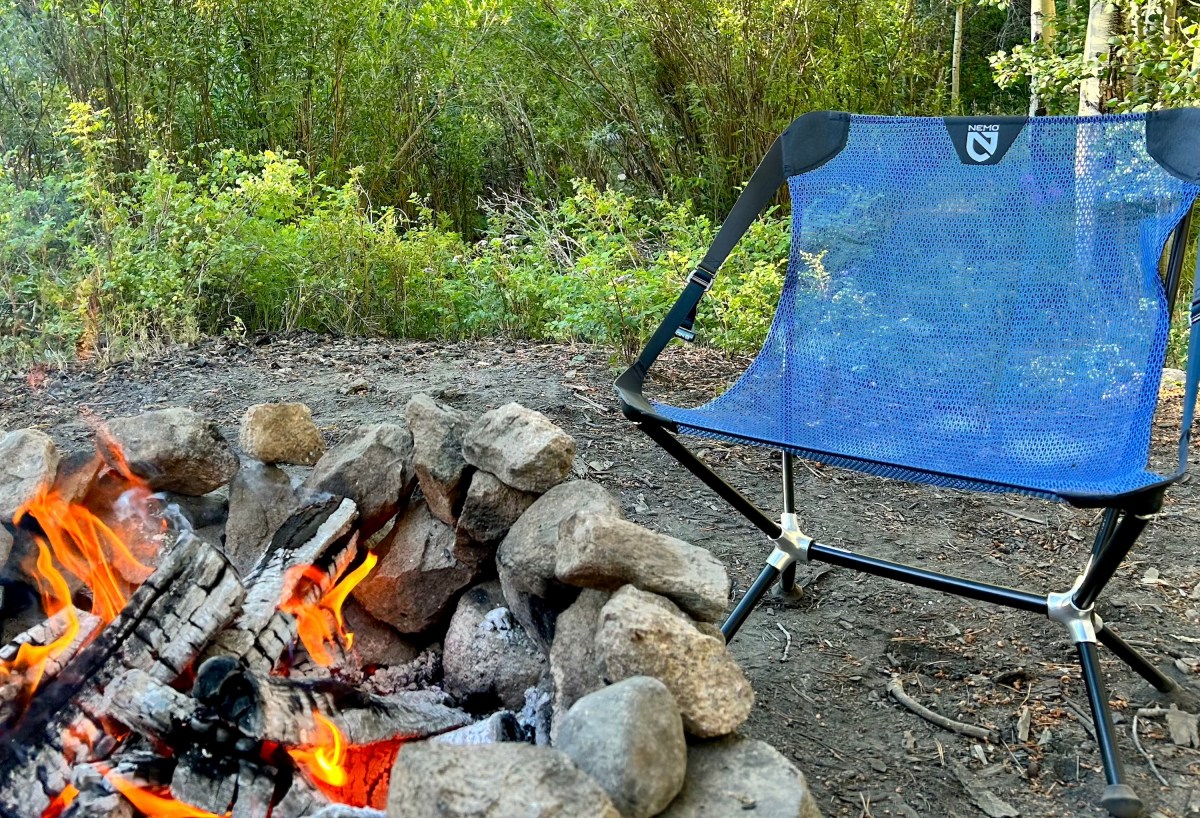
The NEMO Moonlite Reclining Camp Chair ($170) sports a few unique design features that make it a cut above the rest when it comes to versatility. First — and most pertinent — is the fully reclining functionality of the chair. Two-way buckle straps on either side allow you to sit straighter with more support when you’re leaning over and playing cards.
These handy straps can be slackened to allow you to recline in comfort by a campfire. Most backpacking chairs are made only for reclining, forcing users to lean forward uncomfortably when chopping vegetables or playing games. Proper back support makes a world of difference.
The NEMO Moonlite is also made with 100% polyester Bluesign-approved mesh throughout its body, versus the typical nylon or polyester fabric of most other camp chairs. This allows the seat to breathe well and mold to your body. It can also support up to 300 pounds — impressive stats for a small camp chair.
This chair is a touch overbuilt for lightweight backpacking. Its big, beefy aluminum tubing for legs, buckles on the straps, and thick, rubber seat attachments are all a little clunky. Incredibly, it still weighs in at a mere 1 pound, 14 ounces. It isn’t the lightest model out there, but it’s not the heaviest chair in our lineup, either.
We’ll also note that there is an upgraded version of the Moonline available called the Moonlite Elite that is almost a pound lighter than this one and utilizes Dyneema material to go as light as possible with the design. It’s also $20 more expensive (and the Moonlite is already expensive), so consider if you need the lightest.
While you can definitely take the Moonlite backpacking, we prefer it for car camping, music festivals, working remotely outside, and backyard potlucks. It’s certainly one of the most versatile backpacking chairs out there.
Packed Size
3.5″ x 13.5”
Materials
Aluminum, 140-denier ripstop polyester
Pros
- Super burly frame and hub design
- Very quick deployment
- Tall seat height
- Good weight capacity
Cons
- One of the heaviest in our review
- Pocket design can lose small items
Bottom Line: An overbuilt-design that sets up quickly and securely. It’s significantly heavier than its competitors, making it better suited for short treks or car-to-camp transitions where durability is king.
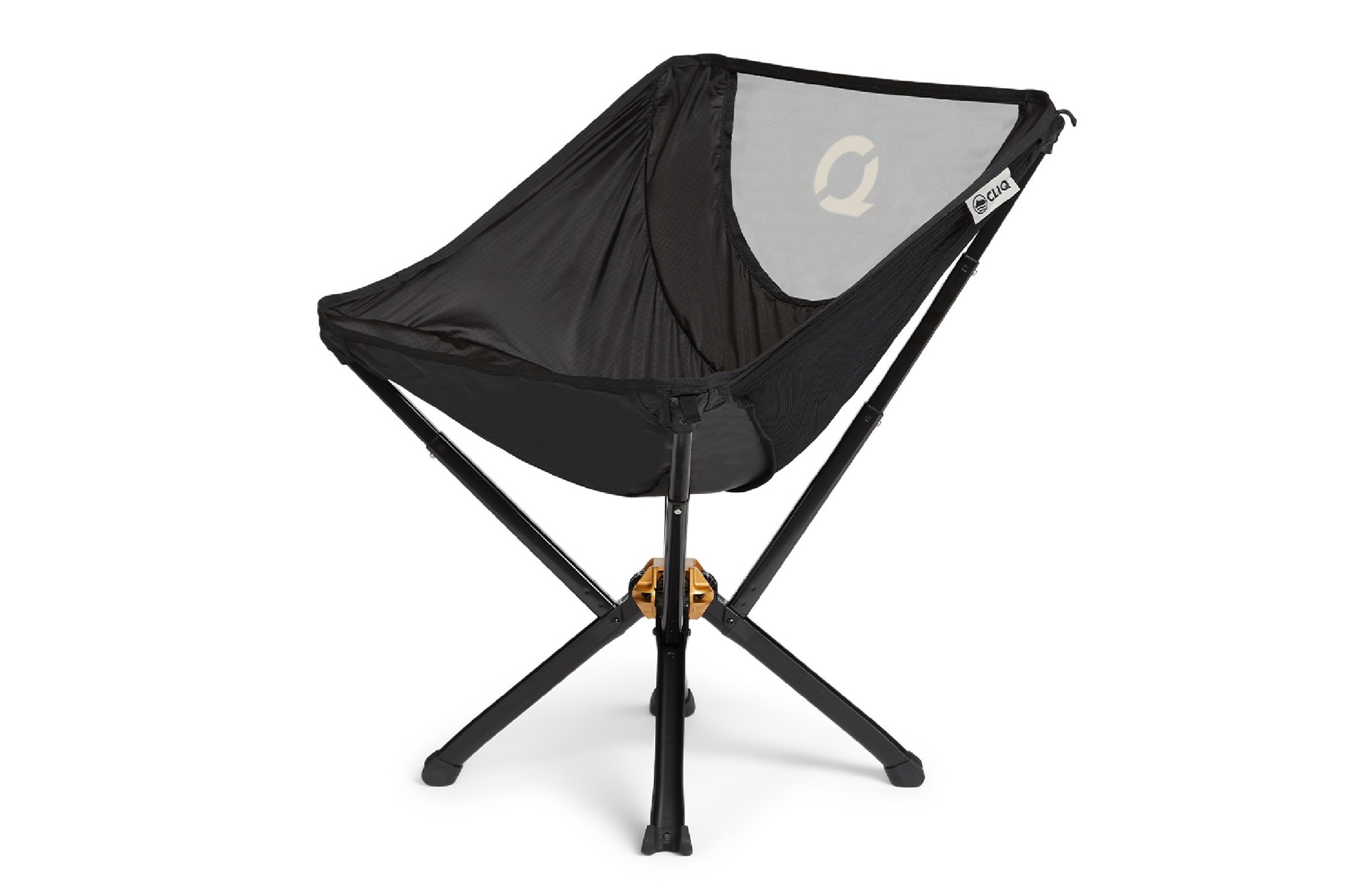
While most backpacking chairs are in a race to the bottom, the CLIQ ClassiQ Chair ($189) has the burliest legs we’ve encountered in a camp seat. Its radically different hub design also makes it the quickest-deploying chair we’ve tested (besides your foam pads).
That ‘Magiq’ hub, as they call it, pivots open with the push of a button and springs the eight arms and legs that form the chair structure. This is all quick and easy to accomplish, and noticeably faster than assembling shock-cord poles into sleeves. Tested side-by-side, we could assemble the ClassiQ twice as fast as other designs. It’s really a marvel.
We tested the ClassiQ this spring around the Pacific Northwest, from après ski parking lot hangs to watching the surf on the coast, and it held up great. We took care to keep the pivots clear of debris and never had a problem with the hinges. However, we’d be wary of getting sand in the mechanism.
The seat sling is comfortable enough for all-day sitting, and the platform is sturdy enough to lean out of. There are two stretch pockets on either side of the seat, but because the pockets connect beneath the sling, be aware that small items like keys can slide all the way down and end up directly underneath you.
At 3 and a half pounds, this chair has got a little heft to it and was the heaviest we tested, meaning it’s better suited for day hikes rather than week-long backpacking trips. Still, the ClassiQ goes unnoticed in our daypacks on the way up the trail, but is well appreciated once we hit the top.
Packed Size
58.7″ x 19″ x 1/8″
Pros
- Ultralight and packable
- Incredibly versatile uses
- Budget price
- Rolled and folder versions available
Cons
- No back support
- Lacking in true comfort
- Can be worn down eventually
Bottom Line: A minimalist’s dream that weighs practically nothing and protects your sit-bones from the ground. It offers zero back support, but as a dual-purpose sleep system extender, it’s a thru-hiker staple.
If you’re after the most minimal backpacking seat out there, the Gossamer Gear Thinlight Pad ($22) is it. A darling of ultralight hikers everywhere, this simple ⅛” foam pad is tougher than it looks, and it’s not uncommon to see these little grey rolls on the packs of Appalachian and Pacific Crest Trail hikers.
While sleeping on the Thinlight is something that only a minority of hikers can stomach, we think trailside naps are fair game. Folding up the pad gives a good amount of cushion to logs and rocks for a quick sit and snack, and you can get a solid 4 of 5 inches of cushion by using the pad this way.
We’ve gone through two of these pads across a few thousand miles of trail, and the sheer number of different ones never ceases to impress us. We’ve used it as an impromptu rain skirt, wind block for our camp stoves, footprint for our ultralight tents on rough ground, and back panel on frameless packs. It also does a decent job as a sun screen when laid over ultralight tents, and even a splint for sprains.
While little closed-cell foam pads like the Therm-a-Rest Z-Seat are specifically made for sitting, we think the Thinlight is better for several reasons. It’s only 0.7 ounces heavier but vastly more useful and cheaper. The $22 rolled Thinlight is our go-to version, but Gossamer Gear also offers the pad in a Folded Version ($32), which is even better for sitting.
Materials
210-denier coated ripstop nylon, carbon fiber stays
Pros
- Lightweight
- Highly packable and easily transportable
- Easy setup
- Comfortable
Cons
- Low height — requires you to sit directly on the ground
Bottom Line: An indestructible choice for those who hate setting up a chair. It offers zero ground clearance but doubles as a sleeping pad extender and works on any surface, from jagged rocks to soggy meadows.
For those looking for an even more packable, ultralight, and cheaper option, you can’t beat the Crazy Creek Hex 2.0 Chair ($70). These camp seats are super versatile — think day hike picnics, soccer games in the park, and, of course, camping and backpacking.
The seat doesn’t require legs, poles, or setup (making it great for uneven surfaces and easier packing). Simply unfold and tighten to your desired reclining angle. The side straps adjust to provide tension and support when you lean your weight back.
The Crazy Creek Hex 2.0 is also an improvement on the brand’s original chair — it has 8 mm high-density EVA closed-cell foam for better insulation, reinforced connection points for the straps, and a durable outer 210-denier shell. We’ve owned many iterations of the Crazy Creeks over the years, and they’ve all turned out to sport impressive durability.
If you’re on a budget but need a bit more cushion in a similar design, the Therm-a-Rest Trekker Chair is a great option (given you own a compatible sleeping pad). And if you’re really pinching pennies on a thru hike, a foam pad like the Therm-a-Rest Z-Seat will get the job done. We think the Hex 2.0 Chair lands right in the middle of both of them, and is an excellent budget option for most.
Other Seats to Park It In
The seven backpacking chairs above are our go-to choices for bringing along on shorter overnight trips into the hills and week-long treks abroad. But they’re not the only seats in the house, and we think that the chairs below are also worthy of consideration.
Packed size
5.5″ x 15.5”
Materials
DAC aluminum alloy, recycled 300D polyester
Pros
- Comfortable sling that doesn’t dig into your arms
- New pole end hubs are a better solution
- DAC aluminum structure is solid and trustworthy
- 5-year defect warranty
Cons
- A little on the heavy side for long backpacking trips
- Will sink into sand unless you use a platform (or the optional ground sheet)
Bottom Line: A comfort-forward update on the gold standard. This chair strikes the best balance of weight, durability, and real-chair comfort on the market, though you’ll pay a premium for the brand name.
Newly redesigned, the Helinox Chair One (re) ($140) is a stellar backpacking chair that offers dang-near everything we’re looking for in one. This updated version is now more comfortable, stronger, and taller than the previous one. We think it’s the seat to snag.
How do you make a backpacking chair more comfortable? Start tweaking angles. Instead of a straight buckle-style seat, the updated Chair One has a ‘softened’ angle at the perimeter, a design change that the brand says adds another tension line. Whatever mojo is at work, it’s working, and the seat is comfy all evening long and doesn’t dig into your arms the way some can.
Gone are the fabric pole sleeves that used to hold the DAC poles (a favorite of ours), and now nylon hubs interface in a much more durable connection. This is the same direction that chairs like the NEMO Moonlite have gone, and we think it’s the way forward. Overall durability is improved (some of our most well-loved chairs have failed at this interface), and the connection is more secure. While backpacking chairs are sometimes a bit short, this Helinox is a great height to sit up from — no groaning required.
While the Chair One (re) suffers from the same soft-soil sinking that generally keeps these chairs off the beach, Helinox does sell an add-on ground sheet that creates a platform to keep it afloat. This is similar to the Moonlite Elite, except here it’s an extra add-on, while the NEMO’s storage roll doubles as the stand.
To be sure, there are lighter camp chairs out there (the REI Flexlite Air is a pound and a half lighter), but the way we figure it, if you’re going to carry a chair backpacking, you may as well make it a good one. The Chair One (re) certainly is.
Packed size
3.5 x 17.5”
Materials
Lightweight 100D Robic nylon with 300D polyester ripstop, aluminum
Pros
- Color-coded frame for easy setup
- Pre-bent poles help create stability and support the wider seat
- Made by a sustainability conscious company
Cons
- A bit heavy for backpacking
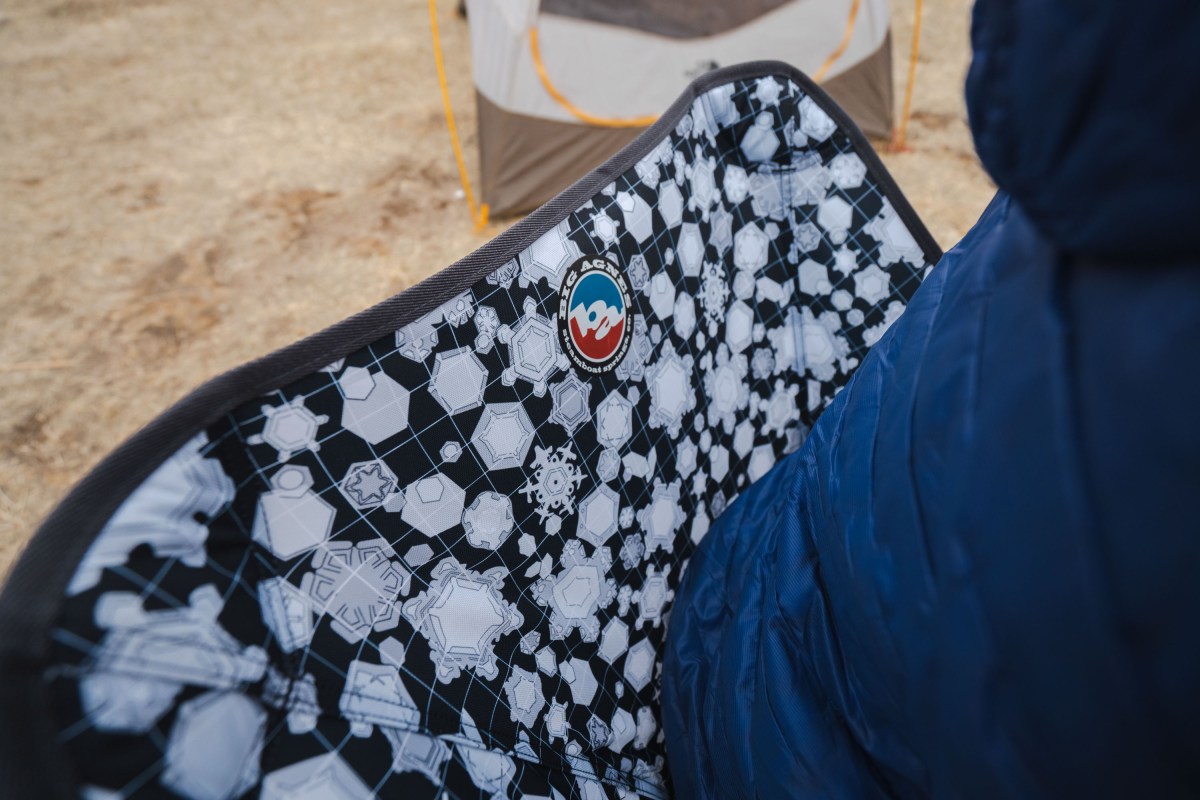
- Backside of seat isn’t printed, and feels a bit unfinished
Bottom Line: A sturdy, comfortable bucket seat that leans into eco-conscious materials. It sits higher than many models, making it easier to get in and out of, though it’s a bit bulkier when packed.
We scoured the internet for chairs made with recycled materials or that were USA-made, and … couldn’t find many. And the ones we did find weren’t designed for backpacking. However, one chair does fit the bill — the Big Agnes Mica Basin Chair ($180).
Big Agnes built its Mica with a hubless joint design, meaning the structure is made of aluminum (infinitely recyclable) and no plastic. It also uses high-tenacity yarn for increased durability while keeping the weight low. This chair also doesn’t use EVA foam, which can release harmful VOCs into the environment.
Big Agnes is also incorporating a giveback component with this chair, donating a portion of the proceeds from its new nature prints back to the Continental Divide Trail Coalition and the Yampa River Fund.
At over 2 pounds, the Mica Basin Chair is by no means ultralight. While you could use it for backpacking, it would be a little on the bulky side, but it won a spot in the review for its high sustainability score.
Its thoughtful components and contributions to stellar organizations mean you know you’re giving back when using this thing (if you purchase certain colorways). It may, however, be better suited for car camping or shorter backpacking/overnight trips where weight isn’t a huge concern.
If you’re looking for a lightweight chair with a lighter footprint, the Mica Basin Chair is the answer.
Bottom Line: A specialized, high-sitting option for those who prioritize mobility and good viewing position. The swivel is a highlight for fishing or photography, but the lack of back support means it isn’t a camp-lounger.
Stools may lack the kickback capabilities of chairs, but their simpler designs often offer lighter weight, higher capacity, lower costs, and simpler setups. The Grand Trunk Compass 360 Swivel Stool ($70) takes this to an extreme, offering one of the lightest, most budget-conscious, and fidget-friendly stools on this list.
At all of a pound, it can hang with some of the lightest backpacking chairs while supporting more weight. Fidget factor aside, its swivel adds extra utility, making it easier to orient oneself during campfire conversations and to collect the odds and ends of gear that always end up scattered on the ground around where you’re sitting.
That said, we did find that when sitting cross-legged or on uneven ground, the stool naturally wants to rotate, albeit slightly. As a stool with three legs, it’s more prone to sinking into soft ground than a chair with four legs. Most importantly, for hard-hiking backpackers, it doesn’t allow you to kick back at the end of a long day.
Nevertheless, for those who like stools, the Compass 360 offers all the usual utility and more. Its quick setup and robust frame make it ideal for midday breaks. The high seat and swivel capability make it ideal for activities like angling and bushcraft. Lastly, its low price and weight make it an excellent value for anyone willing to part with reclining.
One among us quickly made the Compass 360 Swivel Stool a mainstay for fishing, hiking, lunch breaks, and as a featherlight camp chore station while backpacking with a hammock.
Materials
Recycled 420D/210D ripstop nylon
Pros
- Great for winter or summer
- Packs down for easy storage/transportation
- Weighs very little
- Doubles as a “napping pad”
- Inflates in three breaths
Cons
- If it punctures, it is useless
- More than double the price of a standard Crazy Creek
Bottom Line: Low-clearance comfort in a legless package. By adding an inflatable element to the classic folding design, this seat offers more cushion than a standard foam pad. You’ll need to spare a few breaths to get it trail-ready.
The Crazy Creek AirCliner Portable Chair ($125) is a lot more than the novelty it first appears as, and packing down much smaller than the foldable Hex 2.0, this inflatable camp chair is wickedly backpackable.
The AirCliner inflates with just three breaths, so it’s only a few seconds away at any moment from becoming a full-blown seat. Similar in design to the classic Crazy Creek chairs, the chair is suspended by not much more than four carbon fiber stays and a few cinch straps. We were pretty impressed by the comfort, too: “This is more comfortable than any Crazy Creek I’ve used. And it’s more comfortable than a lot of folding camp chairs,” reports tester Will Brendza.
The AirCliner will even do a little double duty, and while the brand claims full-on “sleeping pad” status as an extra feature, we’d more suggest it for impromptu trail-side naps. The durability is all there, though, and the recycled 420D/210D ripstop nylon Crazy Creek uses is tough enough that we weren’t too concerned about popping the chair.
While the packed size of the AirCliner is impressive, it’s still fairly weighty, and almost a full pound heavier than lightweight framed chairs like the REI Flexlite Air or Helinox Chair Zero. There’s also the risk of puncturing the chair, which would make the chair rather useless to sit in. But, if you’re a Crazy Creek devotee and looking for some extra cushion, this chair is a great option.
Materials
Ripstop polyester, aluminum
Pros
- Wide, comfortable seat
- High weight capacity
- DWR-finish repels light rain
Cons
- Heavy
- Bulkier than other backpacking chairs
Bottom Line: A big and tall camp chair that doesn’t feel like a balancing act. With a wider seat and higher weight capacity than the standard Flexlite, it’s the best choice for broader hikers. It weighs more to provide that support.
A wider, taller, and heavier counterpart of the Flexlite Air, the REI Co-op Flexlite Camp Boss Chair ($120) is precisely 20% larger in all dimensions. The seat is wider, with more space to settle in, and accommodates up to 300 pounds, compared to the Flexlite Air’s 250 pounds. Set up is easy, and made even quicker with updated pole pockets that utilize pull loops and have wider openings.
While this chair is more spacious and a bit more comfortable than its counterpart, it lacks the lightness and portability that make for a truly great backpacking chair. Those who don’t mind packing more weight, and prioritize comfort over all else, will love to relax in this seat by the campfire.
This chair is also made with Bluesign-approved ripstop polyester and has a nice DWR (durable water-repellent) coating to protect it from the elements.
Packed Size
12 x 2.5 x 2.75”
Materials
Cross-linked polyethylene
Pros
- Ultralight and packable
- Multiple uses make it a great choice for backpacking
- Integrated storage cord
- Reflective side makes it a little warmer
Cons
- Not as comfortable as a true backpacking chair (it’s a slab of foam)
- No back support
Bottom Line: An easy addition to any backpack. It weighs nearly nothing and provides quick insulation from logs or rocks, but don’t expect it to do anything for your lower back.
The Therm-a-Rest Z Seat ($33) doesn’t look like much. It is, after all, a single piece of molded closed-cell foam like you would find in a sleeping pad, in a foldable, 13×16-inch, 2-ounce package. But its simplicity is what makes this camping seat so great.
At a basically imperceptible 2 ounces, it’s the best seat for the ultralight backpacker who is going fast and light through the mountains and can’t afford any extra weight slowing them down. Throw this small pad down on rocky ground to make a comfy seat and provide warmth through its closed-cell insulation.
It can also be used to extend a sleeping pad, provide wind shelter for a cooking set-up, become a waterproof platform to change out of wet socks after getting caught in the rain — the list goes on. Not only is this a no-brainer option for any backpacker, but it is also one of the most versatile options in our lineup.
If you’re looking for something ultra-lightweight and versatile and don’t mind not having a backrest, this seat is a great choice. If you want to go full eco with your little foam seat, the NEMO Chipper is made entirely from old recycled foam pads. That pad is three times as heavy as the Z Seat, however, making this one our go-to for UL backpacking.
Backpacking Chairs Comparison Chart
| Backpacking Chair | Price | Trail Weight | Weight Limit | Materials | Who It’s For |
|---|---|---|---|---|---|
| Helinox Chair Zero LT | $160 | 1 lbs., 3.2 oz. | 265 lbs. | ‘GhostGrid’ monofilament grid ripstop, DAC aluminum poles | Weight-conscious backpackers seeking a still-durable chair |
| REI Co-op Flexlite Air Chair | $100 | 1 lb. | 250 lbs. | Ripstop nylon and aluminum | Budget-focused backpackers looking for a one-pound framed chair |
| NEMO Moonlite Reclining | $170 | 1 lb., 14 oz. | 300 lbs. | 100% PCR polyester, bluesign-approved mesh, forged aluminum hubs, 7001 aluminum frame | Hikers prioritizing adjustable ergonomics and a breezy sit |
| CLIQ ClassiQ | $189 | 3 lbs., 10.4 oz. | 300 lbs. | Aluminum, 140-denier ripstop polyester | Car-to-trail campers seeking the fastest, most robust setup |
| Gossamer Gear Thinlight | $22 | 3 oz. | None | PE/EVA foam | Thru-hikers counting every gram for a dual-purpose sit pad |
| Crazy Creek Hex 2.0 Chair | $70 | 1 lb., 5.9 oz. | 250 lbs. | 210-denier coated ripstop nylon, carbon fiber stays | Minimalists who want an indestructible, legless camp seat |
| Helinox Chair One (re) | $120 | 2 lbs., 8 oz. | 320 lbs. | DAC aluminum alloy, recycled 300D polyester | Eco-conscious campers seeking a durable industry standard |
| Big Agnes Mica Chair | $180 | 2 lbs., 3 oz. | 300 lbs. | Lightweight 100D Robic nylon with 300D polyester ripstop, aluminum | Eco-conscious backpackers wanting a high-back sitting experience |
| Crazy Creek AirCliner | $125 | 1 lb., 13 oz. | 250 lbs. | Recycled 420D/210D ripstop nylon | Backpackers wanting plush, inflatable cushioning in a legless design |
| Grand Trunk Compass Stool | $70 | 1 lb. | 330 lbs. | 450D polyester, 7000 series aluminum frame | Backcountry anglers and photographers needing a high, swiveling seat |
| REI Co-op Flexlite Camp Boss | $120 | 2 lbs., 14 oz. | 300 lbs. | Ripstop polyester, aluminum | Broader hikers needing a wider seat and higher capacity |
| Therm-a-Rest Z Seat | $33 | 2 oz. | None | Cross-linked polyethylene | Minimalist trekkers needing instant, ultralight insulation from the ground |
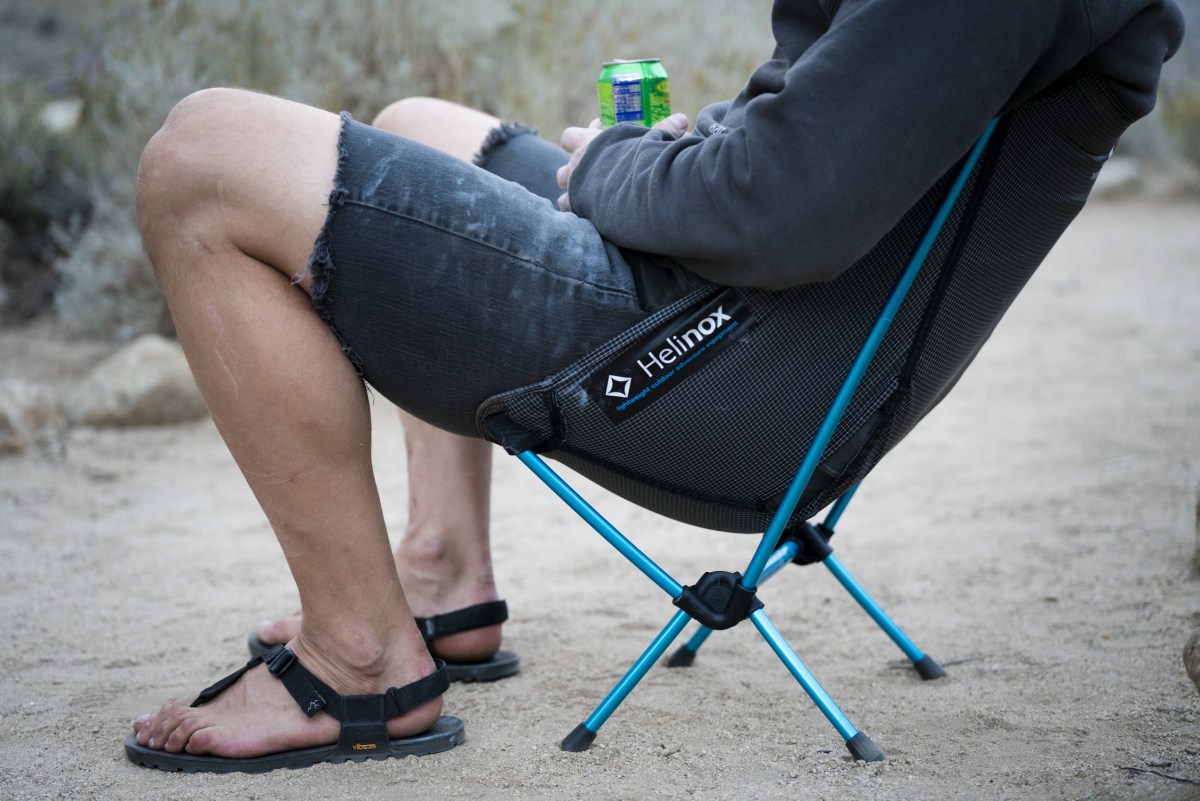
How We Tested the Best Backpacking Chairs
Our Expert Testers
Our expert gear testers have been reviewing backpacking chairs for this guide since August 2020, meticulously researching dozens of the best chairs on the market to keep this review up to date several times a year.
Based in Bishop, Calif., Miya Tsudome is a lead tester for backpacking chairs with more than a decade of backpacking under her belt. She spends most summers trekking in the Sierra Nevadas for climbing objectives and knows how nice it is to have a comfortable seat after a long hike, but that a non-cumbersome chair is key, too.
Our Testing Process and Testing Grounds
We didn’t just sit in these in our backyards; we hauled them into the High Sierra, took them on climbing trips in Joshua Tree, and used them as our primary chairs during backyard grill sessions to see how they’d hold up to real-world abuse. To date, our team has logged hundreds of hours parking it in the backcountry.
- Field testing: Our testing leans heavily on real-world mileage. We examine everything from how a chair straps to the outside of a pack to how easily it can be deployed when you’re hiker-hungry and just want to sit down. We aim to use these chairs for a full season to see if the hubs creak or if fabric begins to sag after use.
- Instruction-less setup challenge: We begin every chair test with a timed assembly where our testers go in completely blind, no instructions allowed. This is the ideal test for how intuitive a chair’s hub-and-pole architecture is. If we’re fumbling with shock cords in the dark, it loses points.
- Stability assessment: We take every chair to a sandy riverbank or soft meadow to test its float. We look for whether the feet are designed to stay above the duff or if you’ll need to invest in an additional ground sheet. We also perform a lean test to identify which chairs are prone to tipping when you reach for your stove.
- Our backpacking chair rating system:
- Comfort: 30% weighted. We consider the seat height (aiming for at least 10″ to avoid the “squat”) and the ergonomics of the sling. We look for pressure points where the frame might dig into your back or thighs.
- Weight: 30% weighted. Since this is a luxury item, it has to be light. We prioritize chairs that hit the 1-pound mark (like the REI Flexlite Air) and measure the packed dimensions to ensure they don’t hog too much internal pack volume.
- Ease of Use: 20% weighted. To achieve a high rating here, a chair needs a straightforward, self-locating pole structure that snaps together almost automatically.
- Durability: 20% weighted. We inspect the quality of the leg construction and the denier of the seat fabric. We look for material wear at the pole-attachment points, which is the most common failure spot for ultralight chairs.
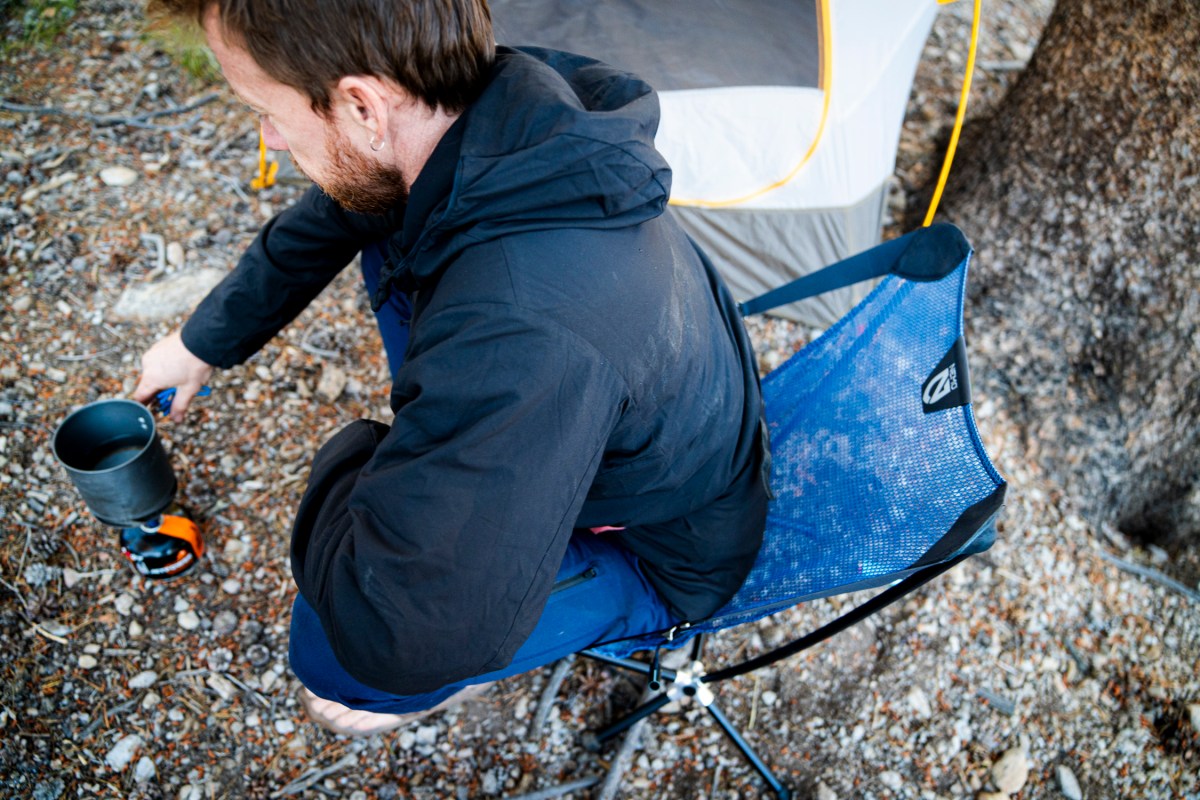
Buyer’s Guide: How to Choose a Backpacking Chair
Kicking back after a long day of hiking is one of our favorite things (up there with finally hitting the sack for some shuteye), and while any old stump will suffice, a true backpacking chair adds a certain civility to relaxing at camp — and at minimal pack weight. But finding the best backpacking chair isn’t as easy as snagging one in your favorite color. There are a few factors to consider.
Below we’ve broken down the decision process, from the big deals (comfort and support) to the less-so (patterns, etc) to help you narrow in on your next camp throne.
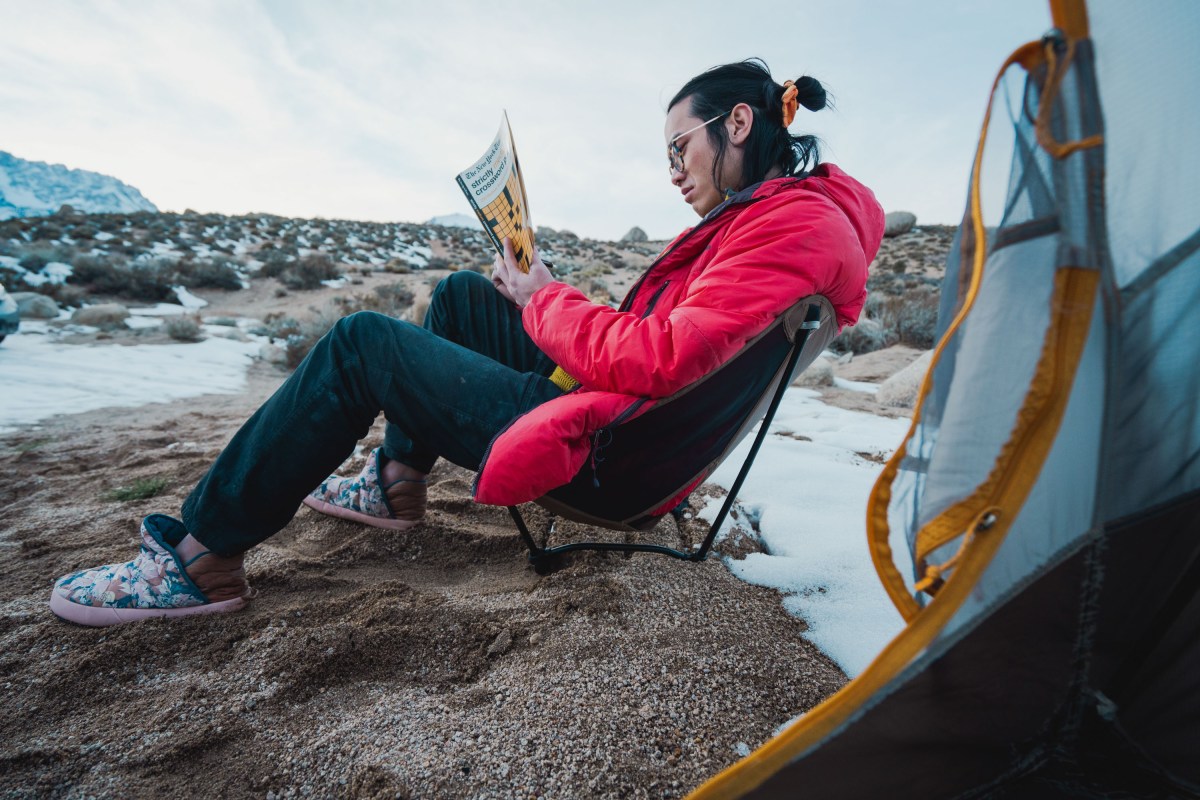
Do Backpacking Chairs Provide Adequate Back Support?
Yes, modern backpacking chairs provide adequate back support through suspended bucket designs or adjustable tension straps. While simple sit pads save weight, structured chairs with a seat height of 10 to 14 inches offer necessary lumbar relief after long days on the trail, provided you accept the standard weight penalty.
Comfort & Support Comparison
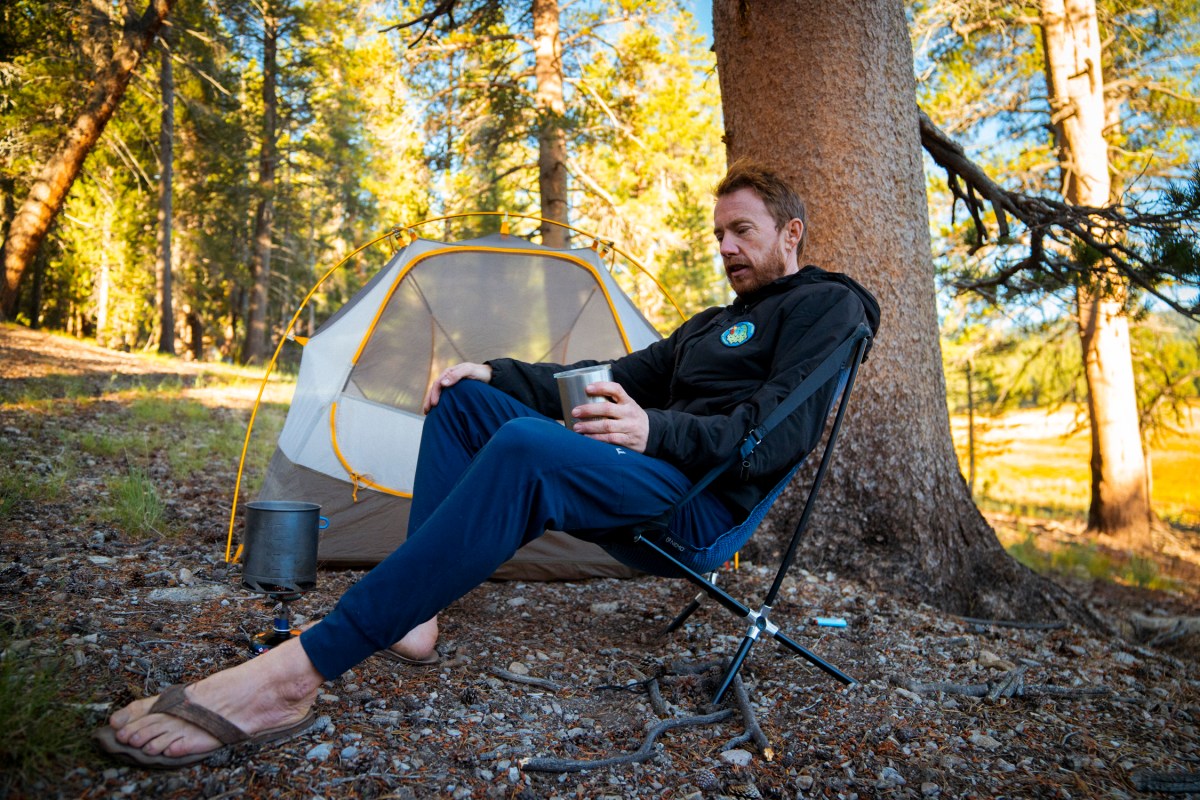
Structural Frame Chairs
The Helinox Chair Zero LT balances packability with structural support. With a 14-inch seat height, the frame supports the back adequately without feeling unstable. The Helinox Ground Chair and Chair Zero utilize similar bucket seat designs and durable fabrics to achieve comparable support at varying weights.
The NEMO Moonlite utilizes adjustable hardware to alter the seating angle. The tension straps can be tightened for upright seating or loosened to recline. Its mesh construction conforms to the user’s frame, distributing weight evenly across the back.
Tension Strap & Sleeved Chairs
Chairs lacking rigid frames require different mechanisms for support. The Crazy Creek Hex 2.0 uses adjustable side straps, allowing the user to set the back angle. This cradles the torso effectively for ground seating.
The Therm-a-Rest Trekker Chair builds on this concept by functioning as a structural sleeve for your backpacking sleeping pad. This results in a thicker seat cushion and rigid back, though it requires carrying a compatible pad system.
Minimalist Options
For ultralight backpacking scenarios, models without back support prioritize weight savings and speed over long-term seating. Options like the Therm-a-Rest Z Seat and the Grand Trunk Compass 360° Swivel Stool serve as practical barriers against cold or wet ground rather than equipment intended for camp recovery.
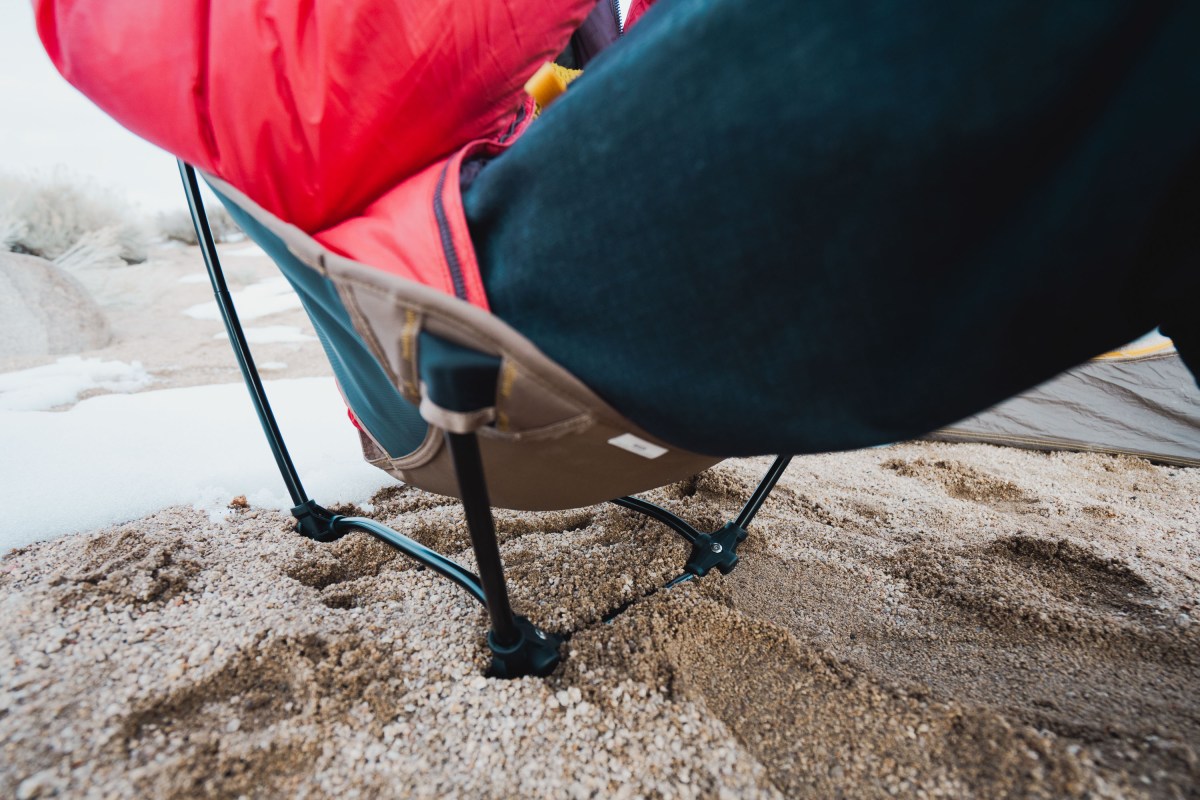
Which Backpacking Chairs Are the Most Stable?
The most stable backpacking chairs either use a flat, legless design that sits directly on the ground or a connected box-frame base. Chairs with four independent legs are inherently less stable on soft ground, like sand or mud, where the feet are prone to sinking asymmetrically.
Connected-Base Designs
For users who prefer a structured seat but require reliable stability, the Helinox Chair Zero LT is a highly effective option. It has four legs that are supported together by crossed webbing. This architecture distributes the user’s weight evenly across a larger surface area, preventing the chair from sinking into soft soils or tipping on uneven backcountry terrain. Additionally, its lower center of gravity inherently improves overall balance compared to taller models.
Legless & Ground Seats
The absolute highest level of stability is achieved by eliminating the chair legs. Ground-level options such as the Crazy Creek Hex 2.0 and closed-cell foam pads like the Gossamer Gear Thinlight rest directly on the ground. Because there is no vertical elevation, the tipping risk is zero. These models are highly practical for use on loose sand, irregular rocks, steep slopes, or during winter camping where snowpack makes legged chairs unusable.
Tester’s Tip: “If you choose to pack a chair with four legs but encounter soft ground at camp, place a flat rock, a piece of bark, or even a crushed aluminum can under the rear feet. This field adjustment increases the surface area and prevents the back legs from sinking under your weight.” — Tester Nick Belcaster
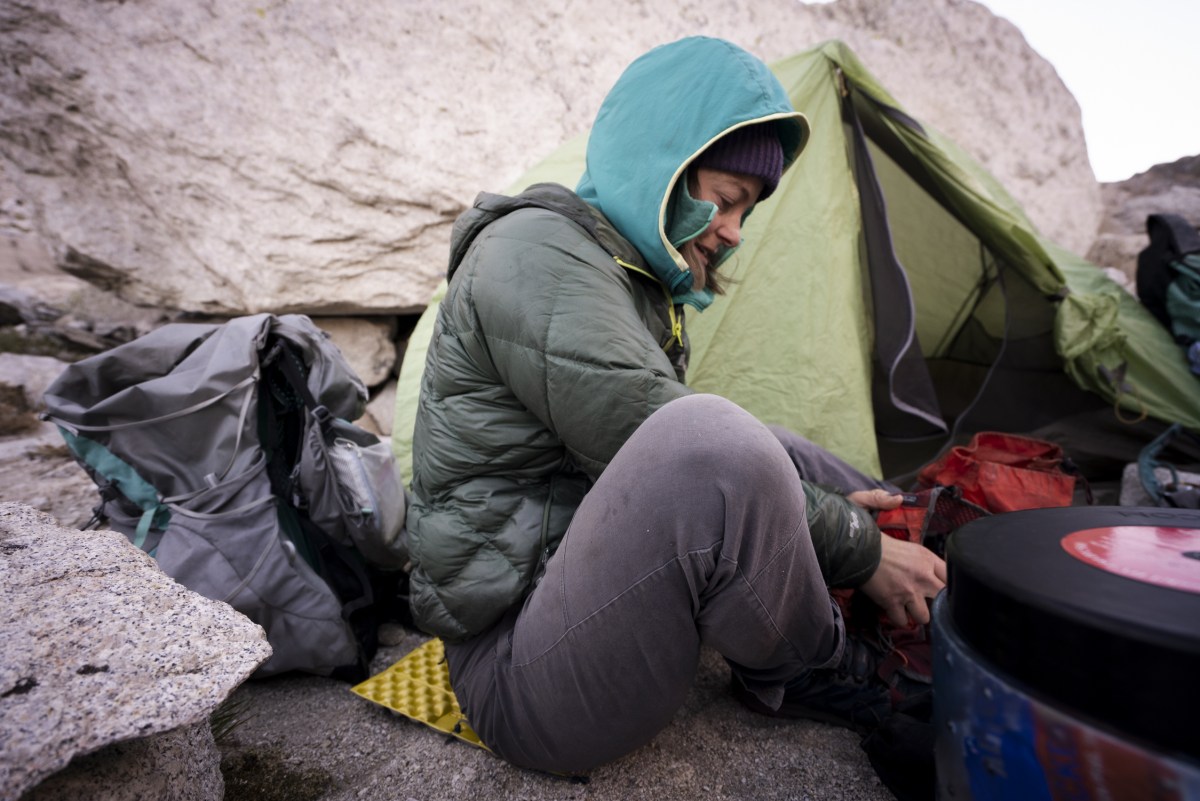
What Is a Good Weight For a Backpacking Chair?
A standard structured backpacking chair should weigh between 16 and 24 ounces. If you are prioritizing ultralight backpacking, frameless sit pads weighing under 3 ounces are the most efficient option. Because a chair is inherently a luxury item on the trail, the right choice depends entirely on your willingness to carry extra ounces in exchange for structural back support.
Ultralight Sit Pads & Stools
The Therm-a-Rest Z Seat is the most compact and lightweight seating option evaluated. At just 2 ounces, it utilizes an accordion-fold design that packs down slightly wider than a standard water bottle. While it lacks back support entirely, it serves as an effective physical and thermal barrier.
For elevated seating without a backrest, the Grand Trunk Compass 360° Swivel Stool weighs exactly 16 ounces and collapses into a compact cylinder that fits easily into most exterior pack pockets. Both options save significant weight by eliminating the traditional chair frame.
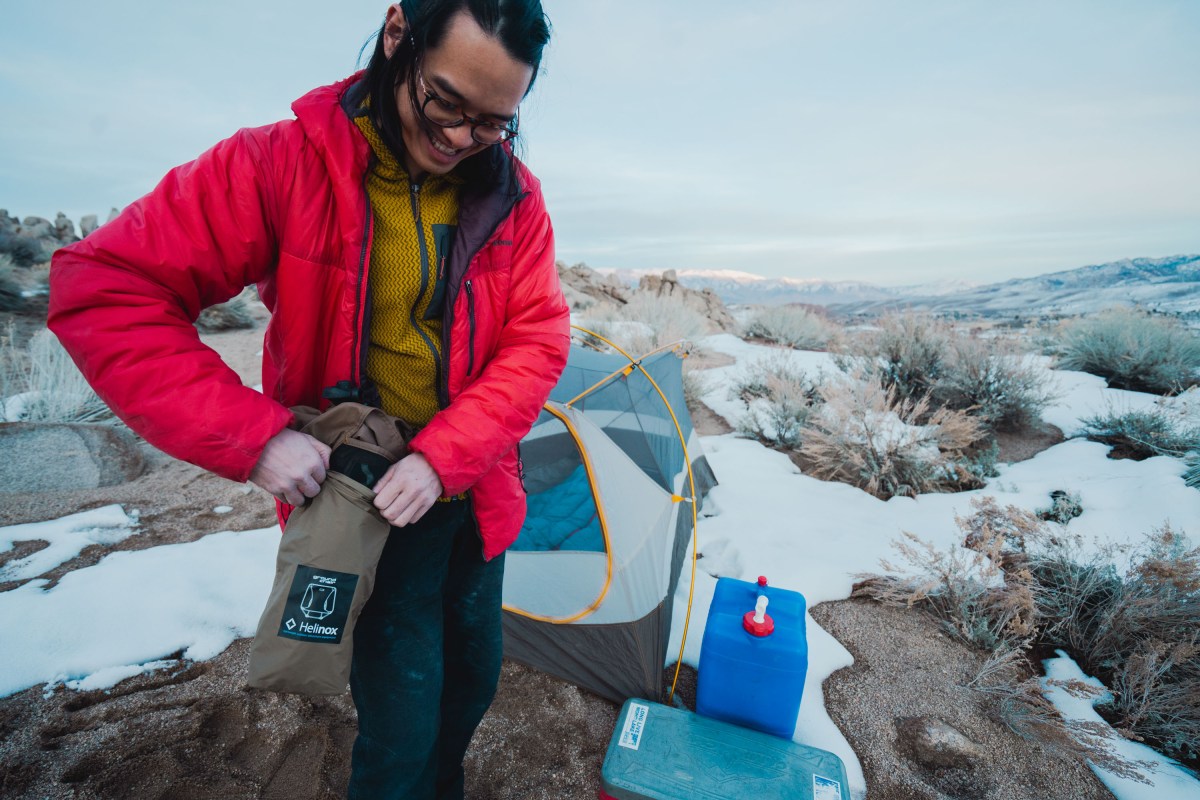
Lightweight Structured Chairs
For users requiring full back support without excessive bulk, the REI Co-op Flexlite Air Chair serves as a practical benchmark. It weighs exactly 1 pound and packs down to a 5-by-16-inch cylinder.
The Helinox Chair Zero LT (1 pound, 3.2 ounces) offers a similar packability profile. These models represent the most efficient balance of structural support and trail weight, allowing backpackers to carry a traditional chair without noticeably overloading their backpacking pack.
Frameless Packable Chairs
The Crazy Creek Hex 2.0 provides an alternative approach to packability. Weighing 1 pound, 5 ounces, it lacks a rigid aluminum frame but still offers adjustable back support via side tension straps. Rather than folding down into a small stuff sack, it rolls up flat. This profile makes it easy to slide inside a pack’s hydration sleeve or strap directly to the exterior, saving valuable internal volume.
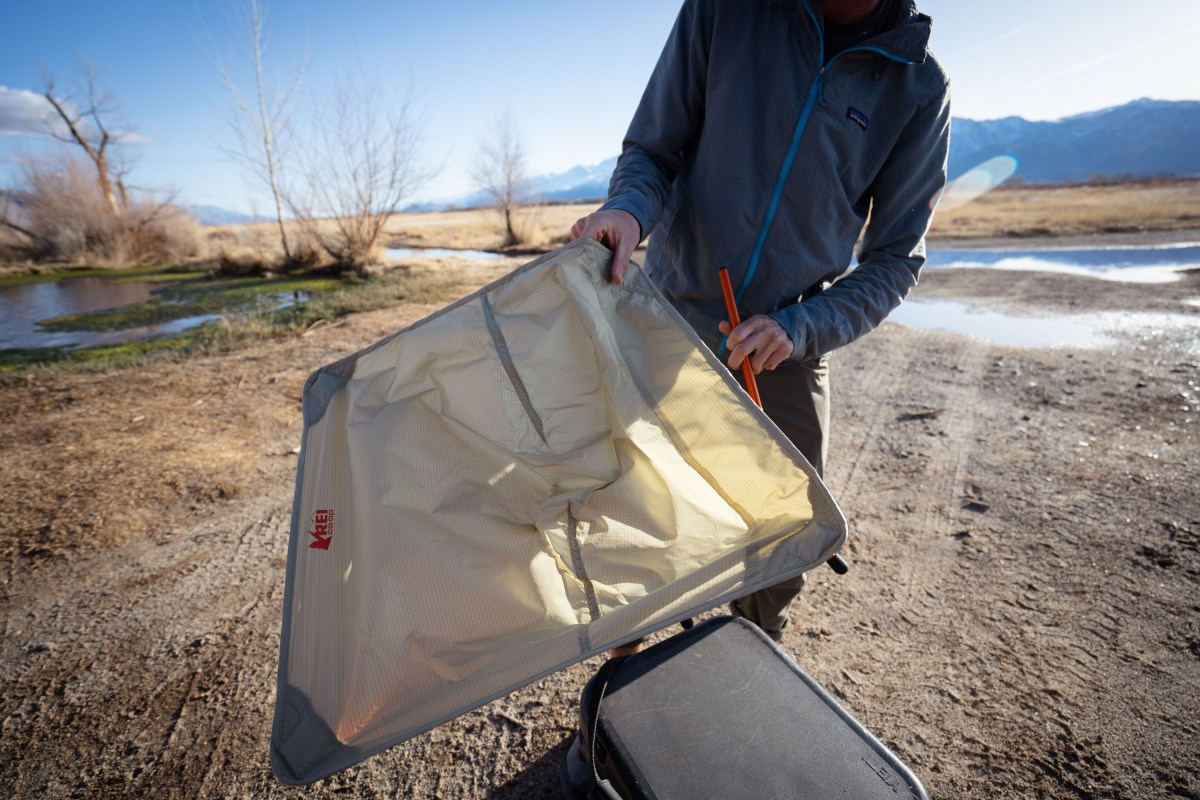
Which Backpacking Chairs Are The Easiest to Set Up?
Most modern backpacking chairs can be assembled in under two minutes. The deployment speed depends entirely on the chair’s structural design, ranging from instant-deployment sit pads to shock-corded aluminum frames that require attaching a fabric canopy after a long day of setting up camp.
Setup Time Comparison
| Backpacking Chair | Assembly Type | Est. Setup Time |
|---|---|---|
| Therm-a-Rest Z Seat | Accordion fold | 5 seconds |
| Grand Trunk Compass 360° | Twist-and-lock legs | 15 seconds |
| Crazy Creek Hex 2.0 | Unfold and adjust straps | 30 seconds |
| Standard Frame Chairs* | Shock-corded frame & canopy | 1 to 2 minutes |
*Includes Helinox, REI Co-op, and NEMO models.
Instant Deployment Options
The fastest seating options require zero traditional assembly. The Therm-a-Rest Z Seat is a simple closed-cell foam pad; deployment consists merely of removing the elastic band and unfolding the accordion hinges. Similarly, the Grand Trunk Compass 360° Swivel Stool deploys by simply extending and twisting the integrated legs until they lock into place, offering immediate seating without hassle.
Frameless Ground Seats
The Crazy Creek Hex 2.0 requires no pole assembly but does involve a brief adjustment period. To set it up, you unfold the seat flat, sit down, and tighten the adjustable side straps to establish the preferred backrest angle. It is highly intuitive but requires you to be seated to dial in the tension.
Traditional Frame Assembly
Structured models like the Helinox, NEMO, and REI lines follow a standardized process very similar to assembling a modern backpacking tent. First, the shock-corded aluminum poles are snapped into their respective hub sockets to build the skeletal frame. Next, the fabric seat is fitted over the four pole ends.
While the process is straightforward and typically takes under two minutes, it is worth noting that attaching the final corner of the fabric canopy often requires a small amount of physical leverage to stretch the tensioned fabric onto the frame.
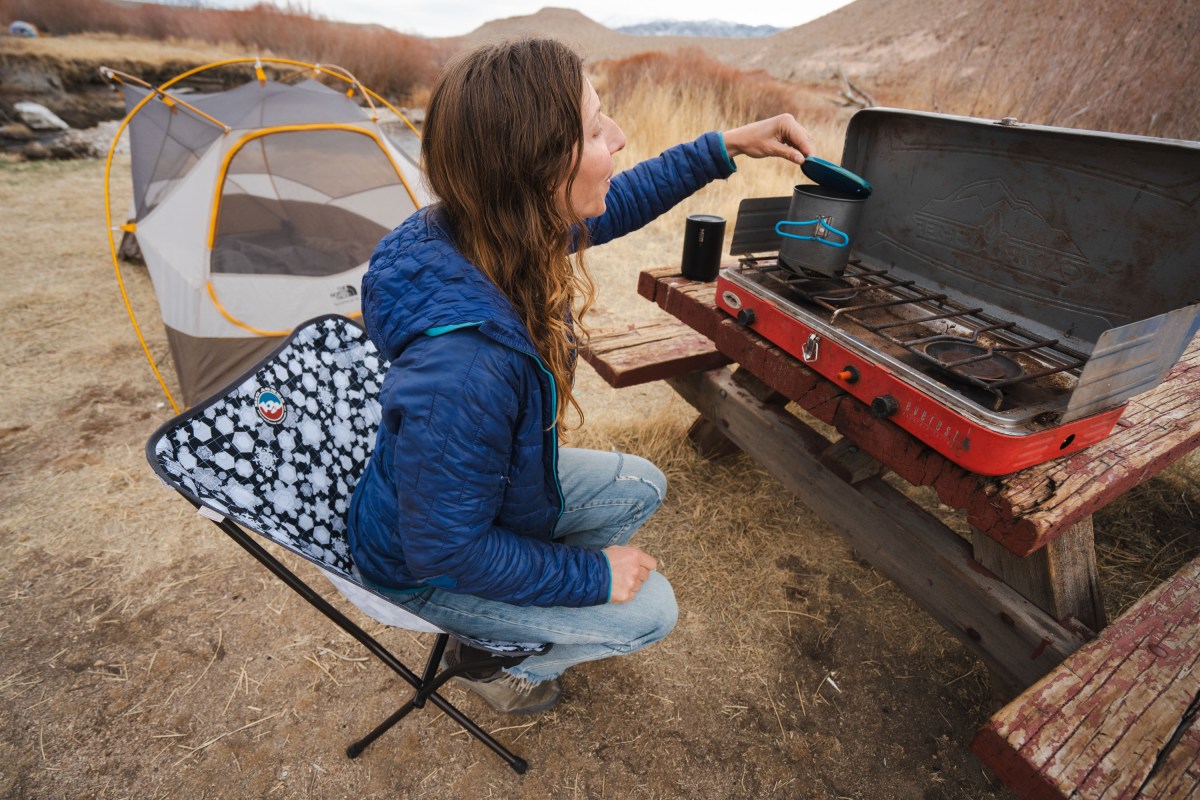
What is The Difference Between a Backpacking Chair and a Camping Chair?
A backpacking chair is engineered for minimal weight and a compact packed size to fit inside a backpack, usually requiring shock-corded frame assembly. A camping chair prioritizes comfort, durability, and features like cup holders, utilizing heavier materials and simple folding designs suited exclusively for car camping where weight is not a penalty.
Backpacking Chairs: Prioritizing Packability
To qualify as a backpacking chair, a seat must be light enough to justify carrying on your back over long distances and compact enough to fit inside or strap easily to a backpacking pack. This requires utilizing lightweight materials like DAC aluminum and thin ripstop nylons. The tradeoff for this portability is often a lower seat height, narrower seat width, and the requirement to assemble the chair at camp.
Camping Chairs: Prioritizing Comfort
If you primarily engage in car camping (where you drive directly to your campsite and unload gear from your vehicle), a traditional camping chair is the better investment. Because there are no weight restrictions, these chairs feature taller backs, thicker padding, wider bases, and built-in accessories like cup holders and storage pockets.
Models like the REI Co-op Wesward Chair exemplify this category. Rather than requiring assembly, they utilize a simple scissor-fold mechanism, allowing you to pull them out of a vehicle and set them up instantly by the fire.
Tester’s Tip: “If you backpack and car camp, but only have the budget for a single chair, invest in a structured backpacking chair like the Helinox Chair One. You can easily use a lightweight backpacking chair at a car campsite, but you can’t carry a bulky car camping chair ten miles into the backcountry.” — Tester Nick Belcaster
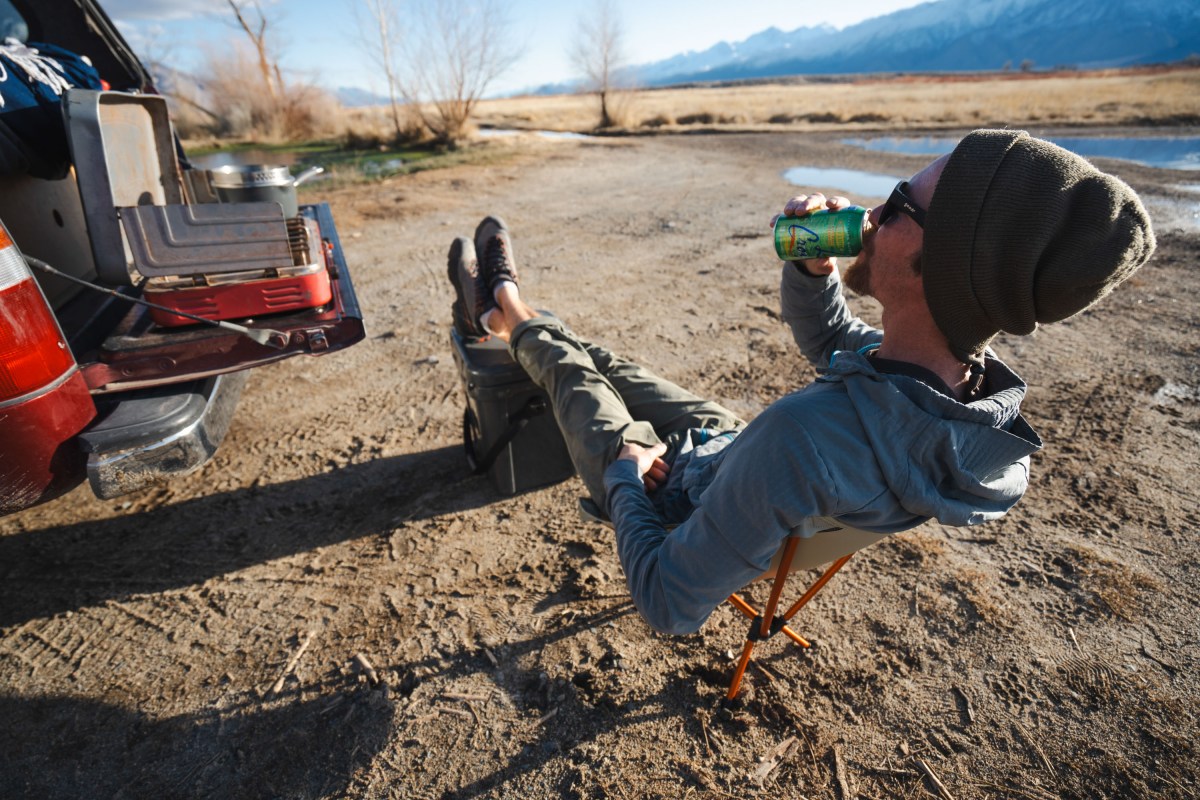
What Materials Make a Durable Backpacking Chair?
The most durable backpacking chairs utilize aircraft-grade aluminum or carbon fiber frames combined with high-tenacity ripstop nylon or polyester fabrics. These materials balance the structural integrity required to support a seated adult with the minimal weight necessary for rigorous backcountry travel.
Aluminum Frame Construction
Premium manufacturers consistently rely on proprietary aluminum alloys for their frame architecture. The Helinox line sets an industry benchmark by utilizing specialized lightweight aluminum leg poles paired with durable ripstop polyester canopies. The REI Co-op Flexlite Air and Flexlite Camp Boss employ a similar aluminum and ripstop nylon construction, offering comparable build quality at a highly competitive price point.
Big Agnes, a brand established for manufacturing high-quality backpacking tents and sleeping bags, applies the same material engineering to its camp furniture. The Mica Basin and Skyline UL models utilize robust “aircraft aluminum pole systems.” Its seats are constructed from proprietary high-tenacity Robic nylon blended with polyester ripstop, providing exceptional tear resistance and long-term durability.
Frameless & Foam Construction
Durability in frameless ground chairs relies heavily on foam density and abrasion-resistant outer shells. While the Crazy Creek Hex 2.0 appears simple, it utilizes an 8mm high-density cored EVA closed-cell foam, which provides both seated insulation and structural padding.
The exterior is wrapped in a 210-denier coated ripstop nylon shell, making it highly resistant to ground abrasion and weather. To provide backrest rigidity without a traditional tubular frame, the Hex 2.0 incorporates internal carbon fiber stays. This specialized construction ensures the chair maintains its supportive shape trip after trip.
Price & Value
A good backpacking chair is certainly a ‘luxury item’ when it comes to packing your overnight pack, but you don’t need to spend luxury amounts to get into a good one. Consider how often and where you’ll be using your backpacking chair before you hand over your hard-earned bills, they’re the primary considerations we make when choosing a seat.
Budget
Budget backpacking chairs will typically run you between $30 and $60 for a foam seat, to around $90 for a basic framed chair. Simple slings like the classic Crazy Creek Hex 2.0 Chair ($65) won’t be super comfortable, but they’re good enough for most sitting, and simple enough to use and pack away. The $33 Therm-a-Rest Z Seat is even cheaper, but really only recommended for those of the trimmed-toothbrush persuasion.
The REI Co-op Flexlite Camp Boss Chair ($90) is just about the cheapest you’ll get a framed chair for, but it’s a great build and is larger than your average chair to accommodate many body types.
Mid-Tier
Between $100 and $150 are some excellent options that are certainly upgrades from budget chairs but still not wildly pricey for a seat. Here, you’ll be able to get into more specialized chairs, like the Crazy Creek AirCliner Portable Chair ($125), which uses air chambers and carbon fiber struts to inflate and support your body.
The $160 Helinox Chair Zero LT is our top pick, and it’s a refined chair that is both comfortable and durable. The mid-tier price range is where we feel that most folks would be best served by. These chairs tend to have the best balance of comfort and weight, and all without spending too much on them.
Premium
While we don’t recommend it here (as $180 is just too rich for our blood), the NEMO Moonlite Elite is certainly a premium backpacking chair, and is almost a pound lighter than the regular Moonlite, and decked out in custom hardware that makes it a feat of ergonomics. Both of these chairs are more expensive than even most full-size camping chairs, but if you want the best, these are it.
Frequently Asked Questions
Finding the best backpacking chair has to do with your threshold of comfort and how much you’re willing to carry. If weight isn’t your primary concern and you will only be hiking for a short amount of time, hauling something like the Big Agnes Mica would be a great option, as it packs a lot of comfort into a relatively small package.
If ultralight minimalism is key, however, you may want to stick with the bare-bones, no-frills Therm-a-Rest Z Seat, a simple square of foam that will disappear in your pack. It totally depends on personal preference.
That said, not all backpacking chairs are equal. Some are definitely higher quality than others, and it’s important to consider the durability and dependability of anything you take into the backcountry. Everything in this guide has been tested by adventurers who know what to look for in solid, reliable gear, and you can trust their honest opinion.
Backpacking chairs offer the ultimate level of backcountry comfort. There’s nothing quite like sitting in an actual chair around the fire after a grueling hike instead of getting sap all over your shorts and leaning against a knobby tree. Comfort almost always comes at the cost of weight, though, which backpackers are always trying to whittle down.
A backpacking chair should strike an appropriate balance between comfort, weight, and bulk. If you don’t feel comfortable carrying it for miles on your back, it won’t be worth the reward you get at the end of the day.
Backpacking chairs should be able to pack up small enough to fit easily inside, or strap to the outside, of your pack.
While the lightest backpacking “chair” we have on this list is the Therm-a-Rest Z Seat, this really doesn’t offer much support and comfort. The lightest product we’d classify as more of a classic chair we reviewed is the REI Co-op Flexlite Air Chair, coming in at around a pound.
Camping chairs, in general, don’t pack down as small and are quite bulky but do offer a good deal of comfort. To qualify for this list, each backpacking chair must be lightweight, pack down to a relatively small and portable size, and be simple to set up.
Read the full article here
