



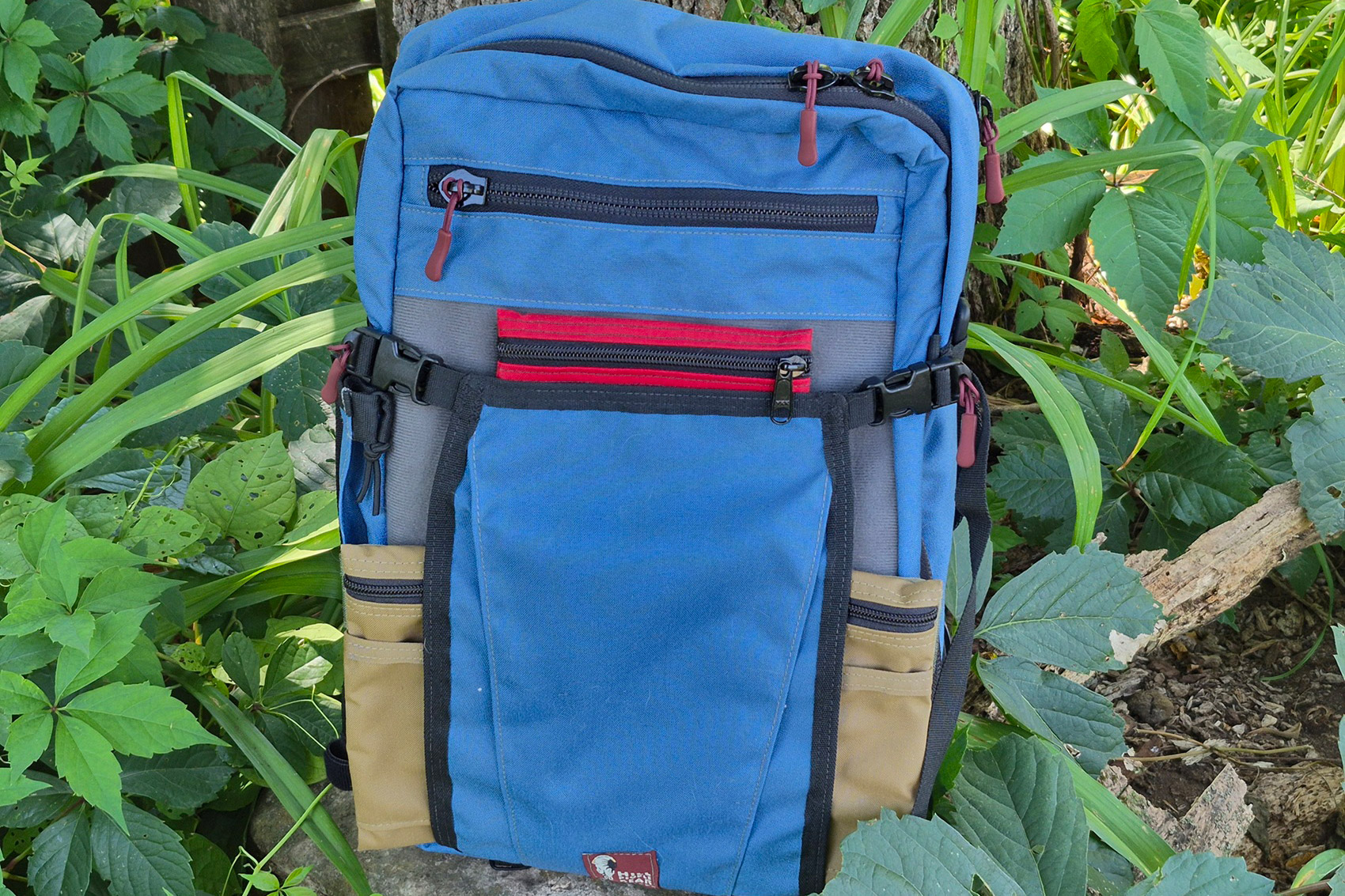

While I’ve been a knife nut for as long as I can remember, I’ve also been engaged in a long-term dalliance with packs and bags. I began carrying a backpack daily in college and haven’t looked back since. There’s something energizing about the idea that you could just grab your bag and hit the road at the drop of a hat.
Over the years, I’ve run through countless packs, sling bags, messenger bags, and more, all in an effort to find The One. Many of them, I ditched fairly quickly, due to bad ergonomics, faulty zippers, or just plain dislike. But a few have managed to stick around and still get some street time on a regular basis.
The Commuter from Hill People Gear (HPG) definitely falls into the latter category. I can’t say I was surprised, given HPG’s reputation for quality and well-thought-out designs.
In short: The Commuter is a new pack from Hill People Gear. It’s a bit of a departure from the brand’s standard line, as it’s more specifically geared toward urban and suburban users, rather than hikers and outdoorsy types. That said, it incorporates the same attention to detail that HPG has built its reputation on.
Dimensions
17.0” x 11.0” x 4.5”
Number of pockets
Five plus main compartment
Colors
Black, Elk Brown, Manatee Gray, Grouse Blue (shown), Multicam Black
Pros
- Comfortable enough for all-day carry
- Built to last for the long haul
- Handles your needs whether you’re going to work or going on a hike
Cons
- Front flap can be awkward
- Not a lot of internal organization
Hill People Gear Commuter Review
Given that I don’t own a warehouse, storage space is at a premium. So, when it comes to packs and other bulky items, I don’t just grab everything that catches my eye. Experience has taught me to be a little more discerning about gear. When I’m considering a new EDC bag or pack, there are a couple of things I feel are necessary.
Comfort is key, of course. If it doesn’t feel good on my back or shoulders, it’s just going to sit at home, which benefits exactly nobody. I want to see a lot of adjustable components, so I can fine-tune the fitment.
Aftermarket accessorizing capability is also something that I like to see. We all have different needs, and those can change from day to day. Having a pack that can adapt to suit various agendas makes life easier. Along those same lines, I tend to avoid one-trick ponies. Packs that can transition easily from one environment to another are ideal.
While I own a few of the brand’s other products, this is the first backpack I’ve had from Hill People Gear. I’ve been using it as my EDC bag for several weeks.
Design Features
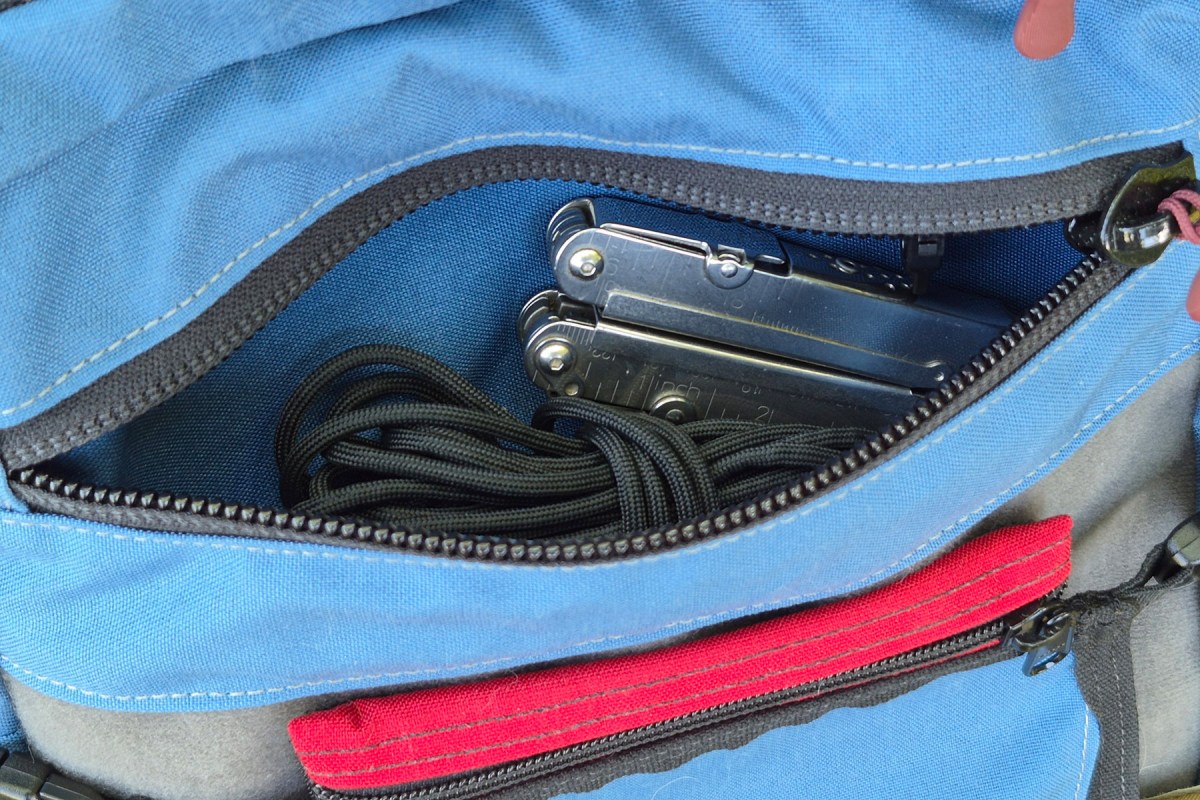
It’s obvious that a lot of thought went into the design of the Commuter. Everything about it feels intentional.
On the front of the pack, there’s a small, zippered ditty pocket at the top. It’s just large enough for your sunglasses, writing utensils, a flashlight, or a few other odds and ends. There’s also a snap for your keyring secured inside. I like to use this for keeping a titanium capsule with ibuprofen and stomach meds inside.
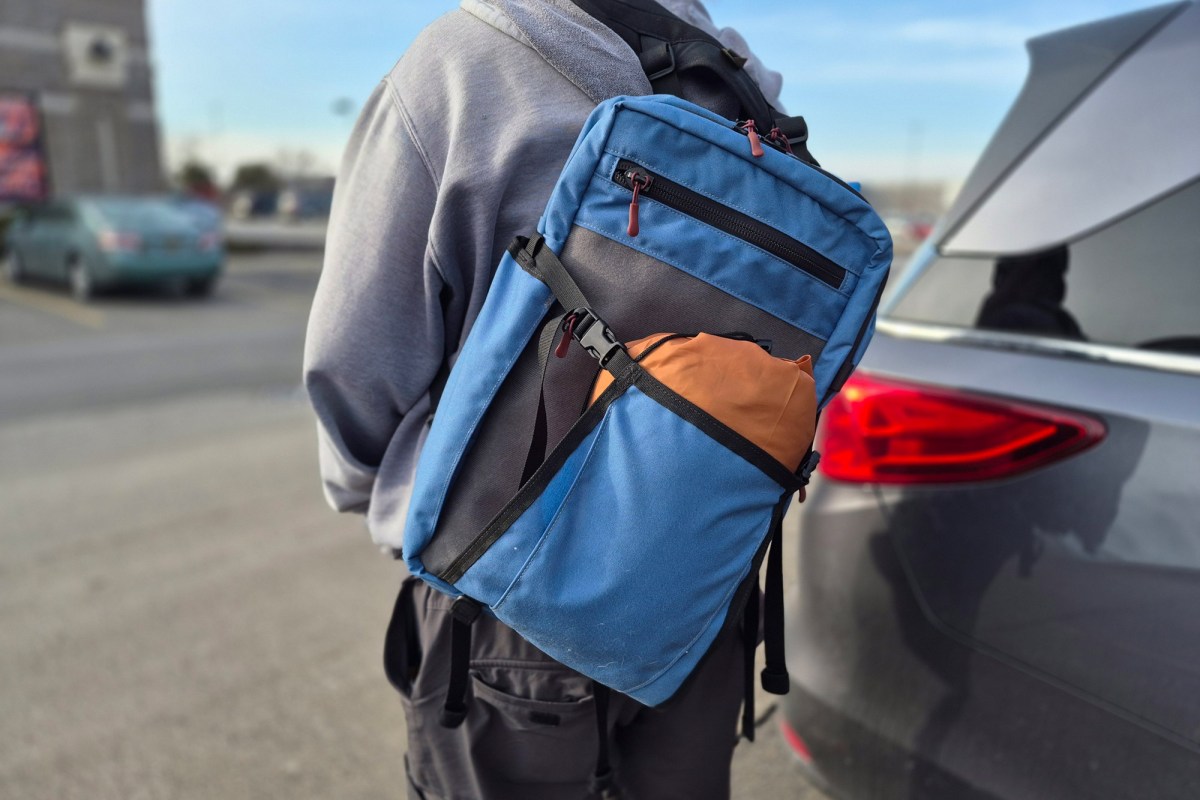
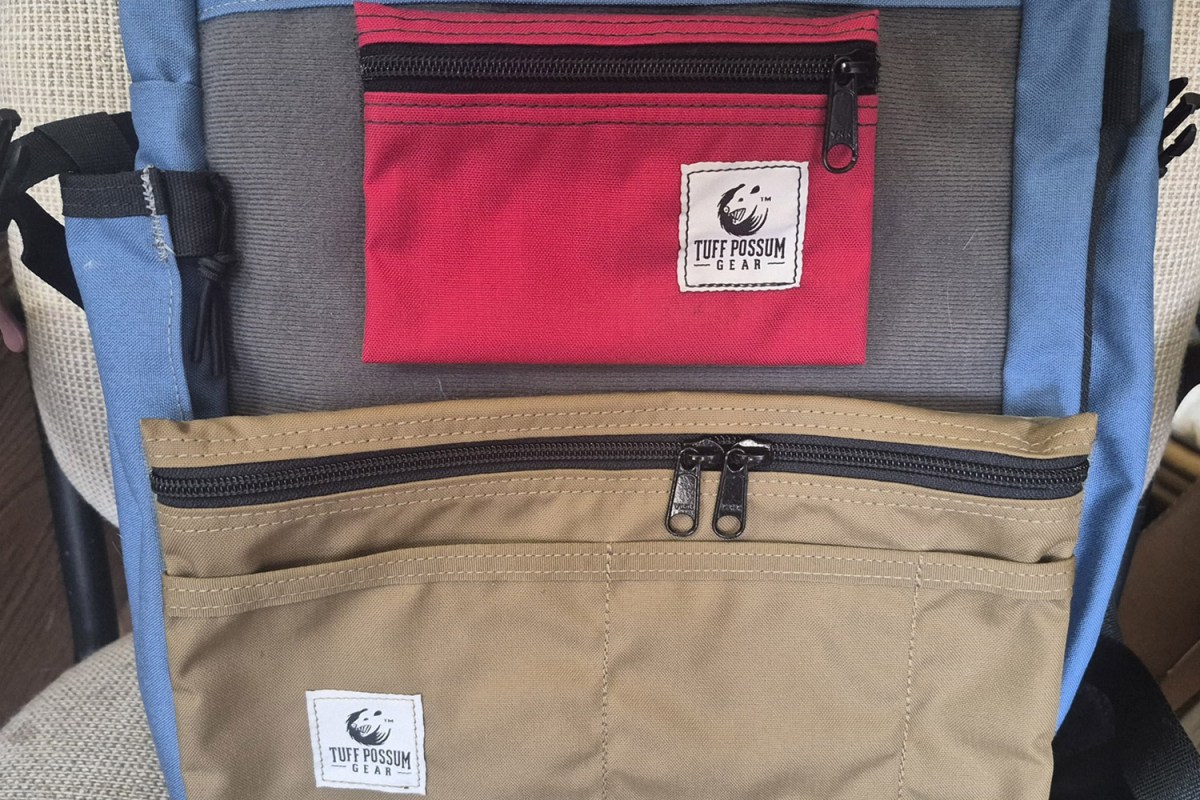
Much of the front is covered in loop fabric, so you can add any number of aftermarket accessories, from pouches to patches. Most of this area is covered by a capture flap with sewn-in bellows. The idea here is to give you a place to store a bike helmet or other bulky item.
Alternatively, if you add aftermarket pouches to the loop fabric, the capture flap will conceal them from casual view. The straps holding the flap in place are adjustable, so you can cinch down whatever you’re carrying. It’s a neat feature, but if you don’t have something to carry in that spot, the flap feels a little awkward.
The bottom of the pack has two compression straps. These serve a couple of purposes. If you’re carrying a fairly light load, you can cinch down the straps to tighten up the pack. This prevents the pack from swinging around as much when you’re moving.
However, they also work great for strapping something to the bottom of the pack, such as a tripod or a rolled-up jacket. There’s not a lot of space available here, so you’re not bringing anything like a blanket or foam mat, though.
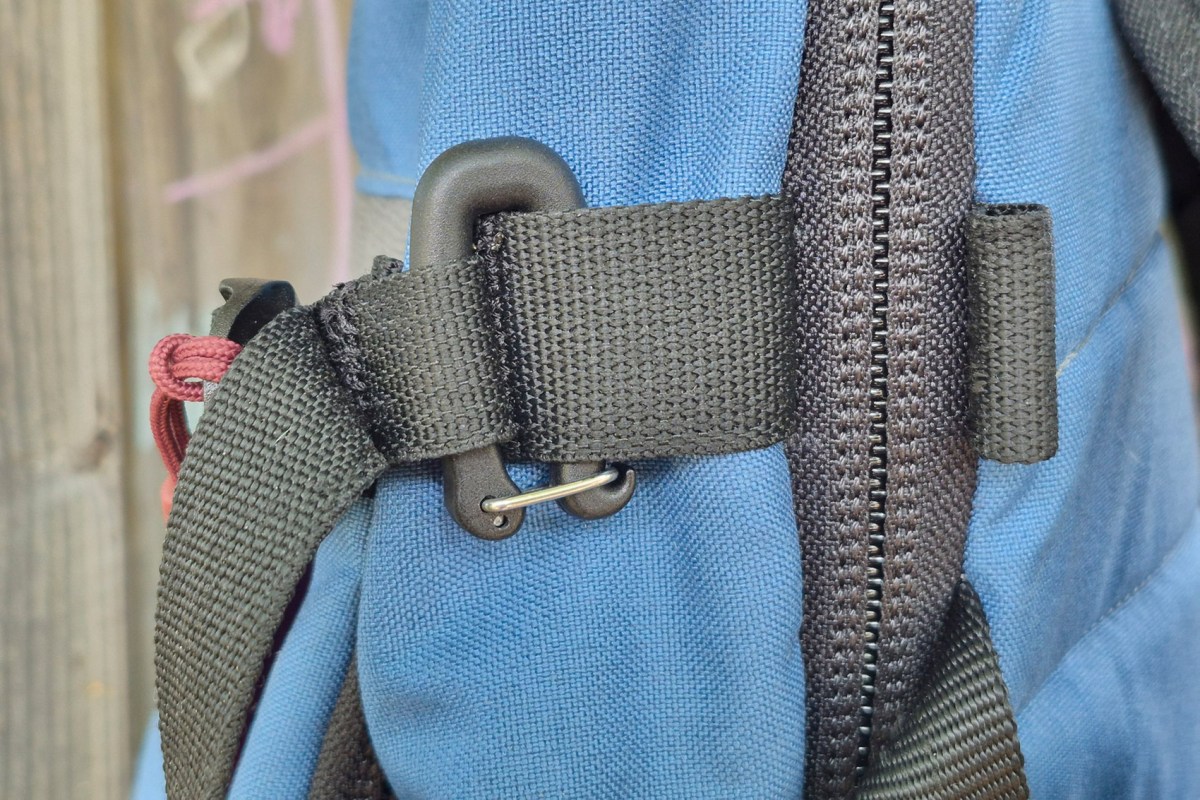
There are also two compression straps that attach the capture flap to the pack. I’ve never had a pack with this feature before; however, the strap on the right side has a carabiner-type hook on the end that allows you to move its attachment point to a few different spots on the pack.
If you position it at the front of the pack, it won’t compress the interior of the bag at all, but you can still cinch down anything you’ve stored behind the capture flap. Move it to the web loop all the way at the rear of the pack, and it will act more like a true compression strap. The third spot is about halfway between the two.
The shoulder straps on the Commuter are fairly wide. There’s little danger of them feeling like they’re cutting into your shoulders, even under heavy loads. The fitment can be adjusted at the top of the shoulder harness as well as on each side. A sternum strap helps to secure the pack to your body. All of that said, I’m the type of guy who often just tosses a pack over one shoulder.
Organization
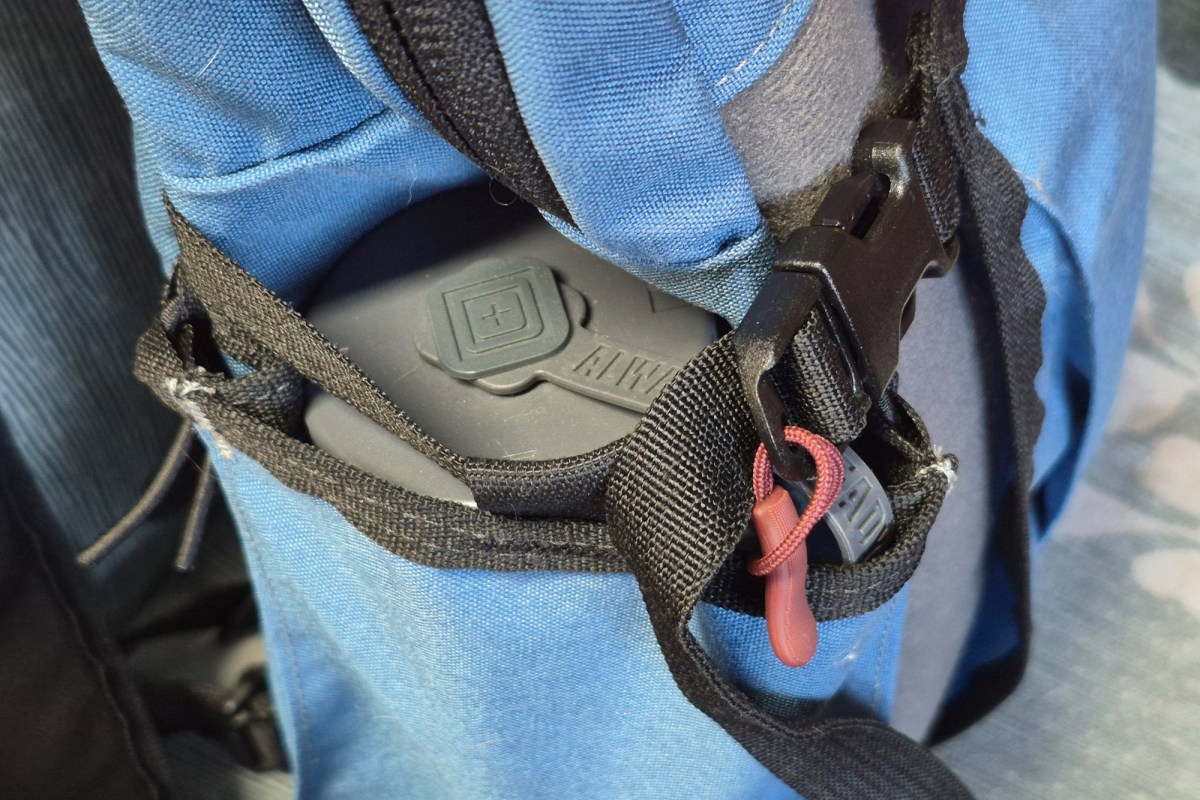
There’s a water bottle pocket on the left side of the bag. The top cinches a bit with shock cord. The compression strap that attaches the capture flap on this side runs through the top of the water bottle pocket. As a result, if you tighten that compression strap, you might need to loosen it to access the water bottle.
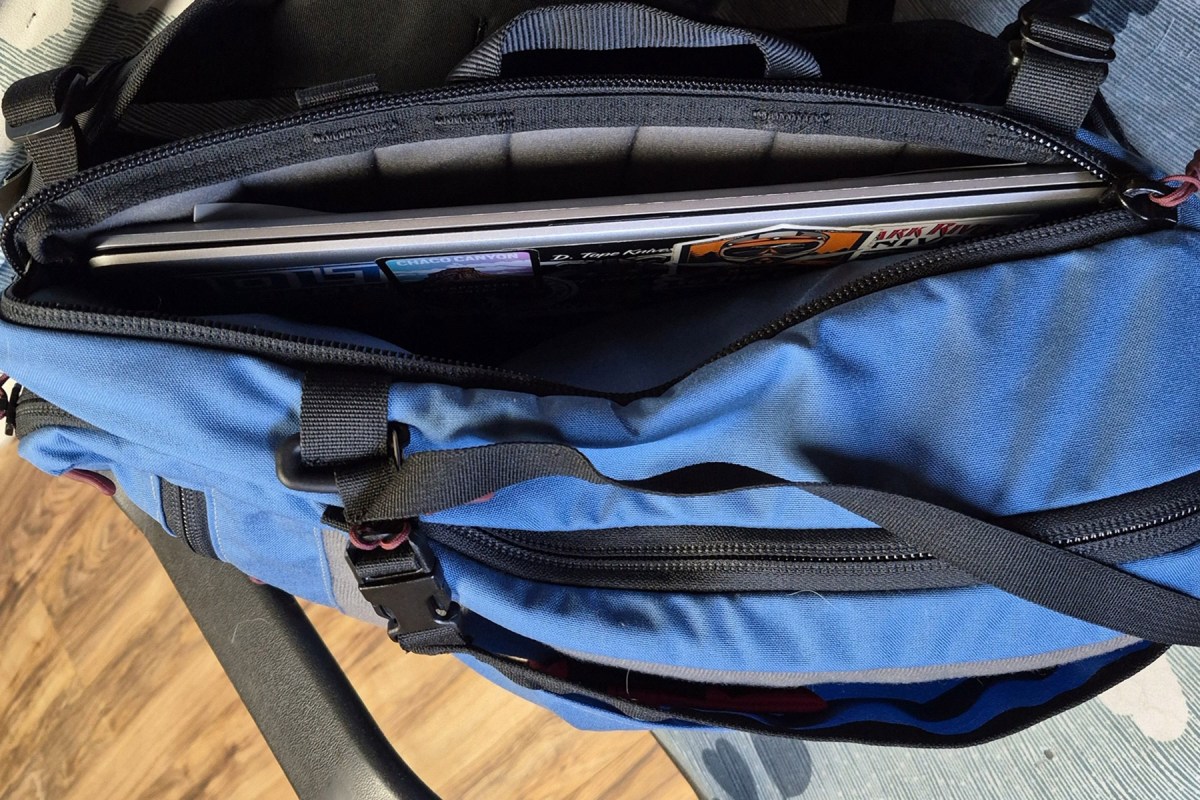
On the back of the pack, you’ll find a zippered laptop pocket. It’s designed to fit up to a 14.5-inch laptop. This is a fully separate pocket from the main compartment of the backpack. The only padding in this pocket is on the back. With no padding on the bottom, you’ll want to be careful setting the pack down if you’re carrying a laptop.
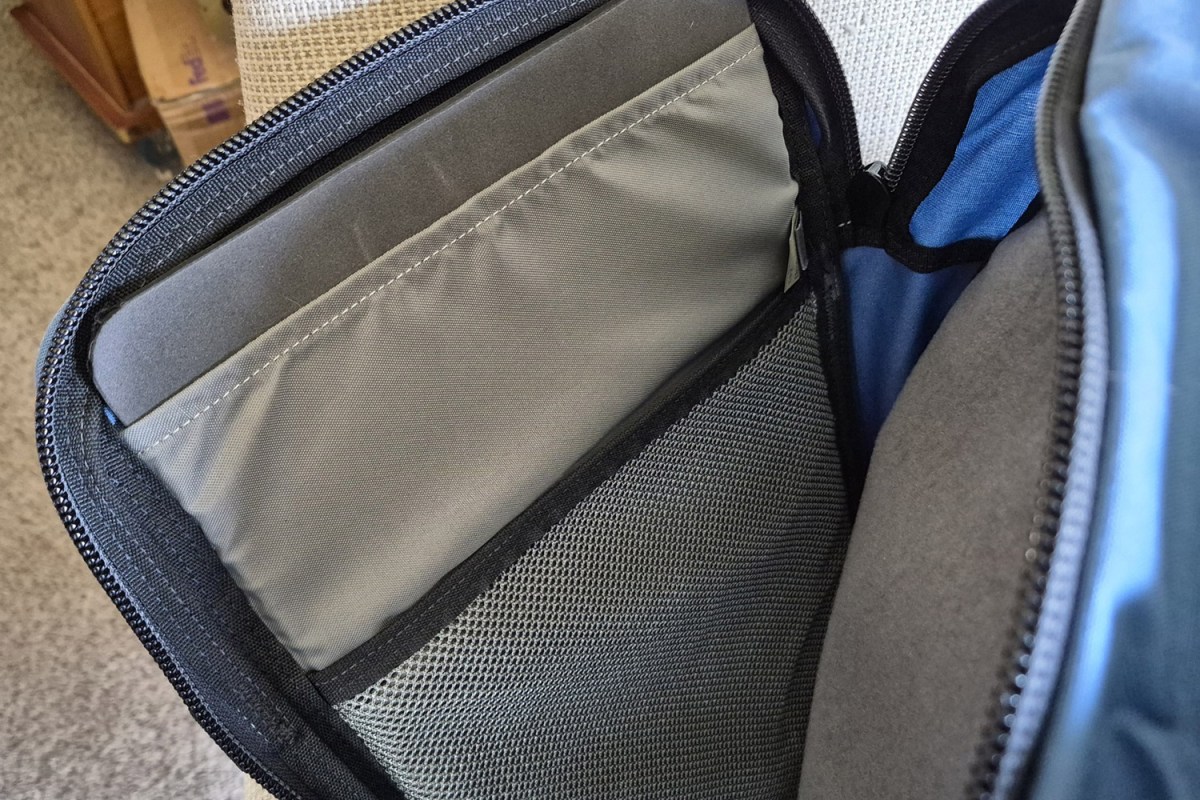
Inside the main compartment is a large mesh pocket. It starts about a quarter of the way down from the top of the pack and stretches the entire width. This is ideal for something like file folders, books, or magazines. It also works as a secondary laptop storage location.
Behind it is another pocket. This is a slip pocket that covers virtually this entire side of the pack. Inside, it comes with a flat panel of padding, about 0.25 inches thick. This helps protect whatever you’re storing in that mesh pocket, such as electronics gear.
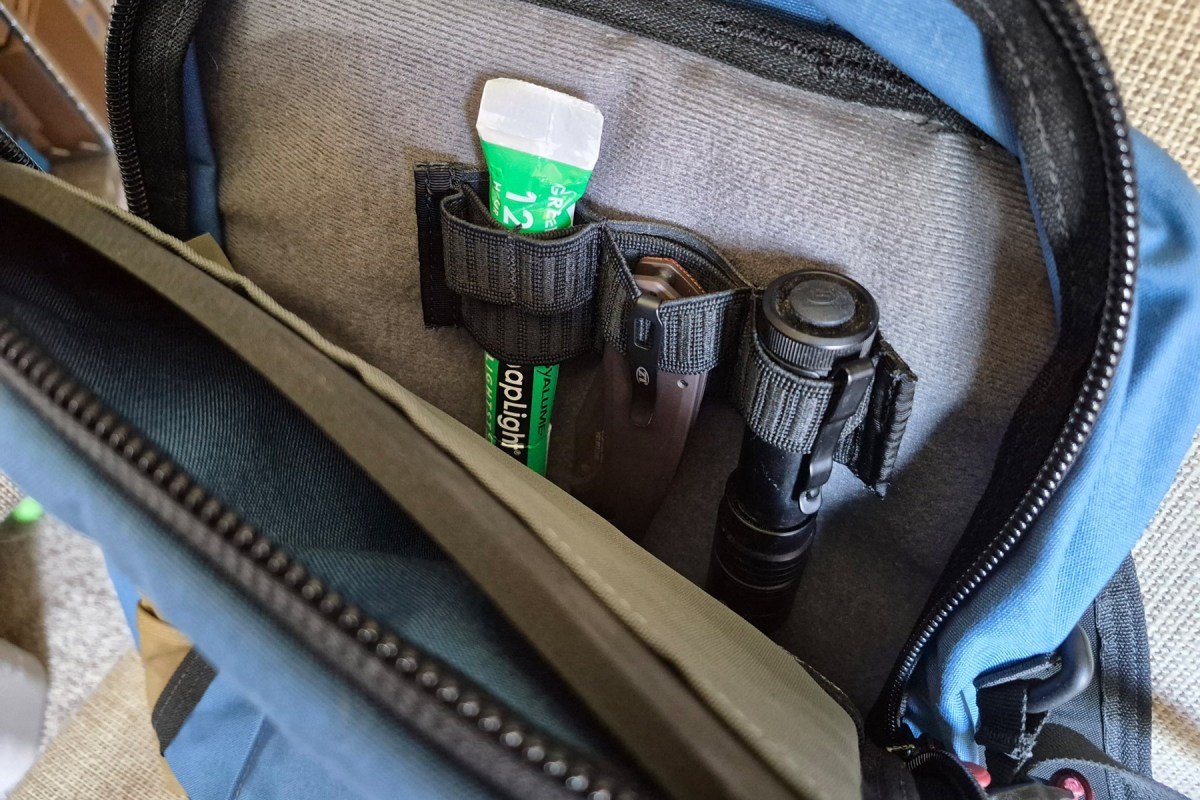
Opposite the mesh pocket, the interior of the Commuter is lined with loop fabric. This allows you to add any number of aftermarket pockets and pouches. All in all, while there aren’t a ton of different pockets, the ones that are here make sense and do a lot of work.
Commuter Performance
From the moment I lifted the Commuter from the shipping box, I could tell that this is no run-of-the-mill backpack. It’s fairly light for the size, just 2.25 pounds — that’s not bad for a 24L pack. It took a little experimentation to get the fitment just right. But once I did, the pack felt great on my back.
After I had the pack fitted and customized to my liking, I started working it into the EDC rotation. I’ll admit that I struggled a bit at first with the capture flap concept.
I received this pack in early spring, and given that the weather that time of year is mercurial at best, I jammed a puffy jacket into a stuff sack and stored it behind the flap on the front of the pack to make use of the space. It worked OK, but was far from ideal.
I took the Commuter with me on several day trips over the last few months. A 24L pack isn’t huge by any means, but it was large enough to bring along some essentials, including my laptop and electronics pouch. I eventually added a Velcro elastic keeper to the inside of the pack’s main compartment. This allowed me to keep a folding knife, flashlight, and Cyalume Snaplight within easy reach.
I found I liked keeping the movable compression strap on the side of the Commuter in the middle position. Doing so allowed me to cinch down the pack without hindering access to the laptop compartment.
I wish HPG added some padding to the bottom of that compartment, though. While I’m not overly abusive to my gear, I don’t like feeling like I need to baby it because I’m carrying my laptop.
Still, it’s great for urban and suburban use, hence the Commuter name. But it’s also a welcome companion when you’re headed to areas where dirt trails take the place of sidewalks. I used it as my day pack on a few hikes with my wife. It was comfortable as we traversed hills and valleys, and it held everything I wanted to have close at hand.
I wouldn’t use the Commuter for a multiday trek, as it just doesn’t have the capacity. But it’s perfect for day-long hikes to carry water, snacks, and a few other necessities. I love that the pack has this dual identity and can easily swap between urban and rugged terrain.
Opportunities for Improvement
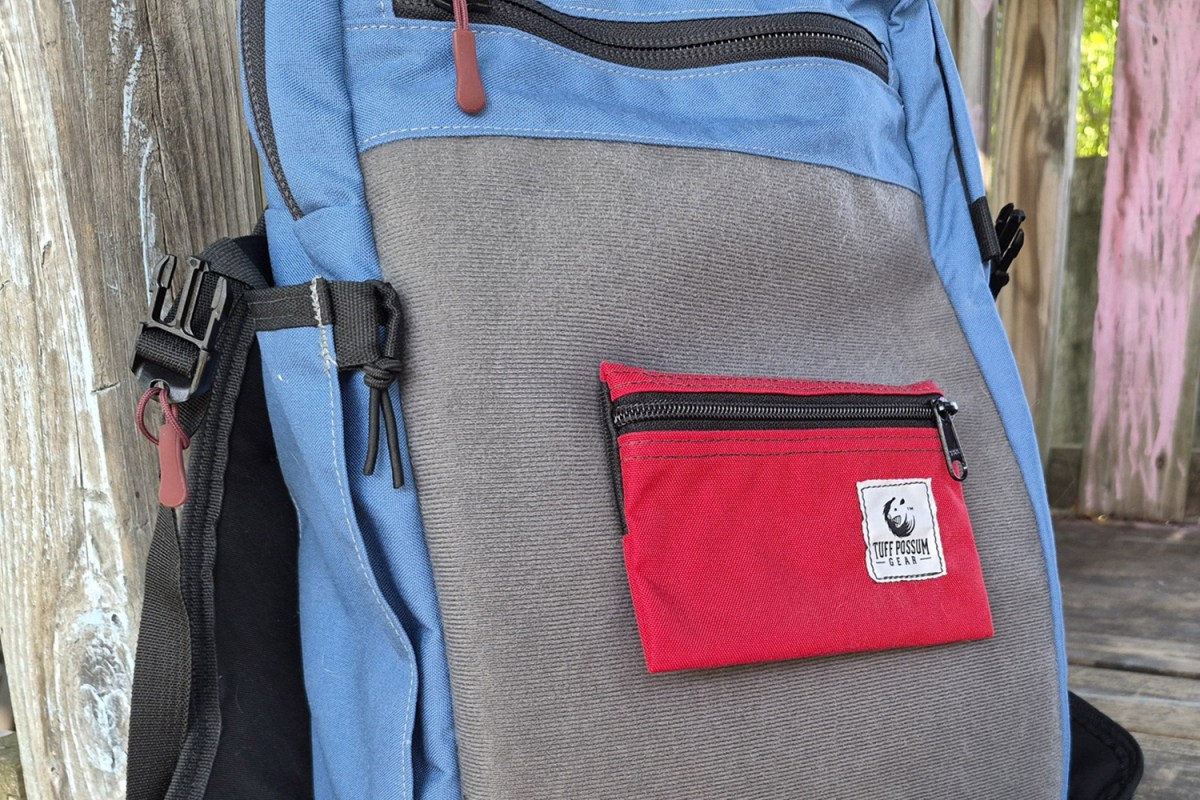
As nice as this pack is, there are a few things that I feel would make the Commuter even better. I’d love to see the inclusion of one or more removable pouches. While many users probably already have a few kicking around their pack bins, it’d be nice to have a couple that were tailormade for the Commuter, perhaps in matching or complementary colorways.
As integral as the capture panel is to the identity of the Commuter, making it removable would provide additional functionality. Doing so would allow for greater customization, particularly in the use of personalized patches and whatnot. I mean, sure, you can always add patches but hiding them behind the capture panel kind of defeats their purpose.
Who Needs the Commuter?
If you’re on the hunt for a daypack that is at home in the urban landscape as it is out in the sticks, this pack might be just the ticket. I love that it easily bounces through different use cases with little to no changes. Swap out the gear and you’re good to go.
Admittedly, $305 is a healthy ask for a daily commuter pack, I’ll grant you. But this isn’t a cheaply made bag found in the back-to-school section of a big box retailer. Hill People Gear has earned a reputation for high-quality gear that’s pretty much bombproof. The Commuter is no exception.
Read the full article here
