



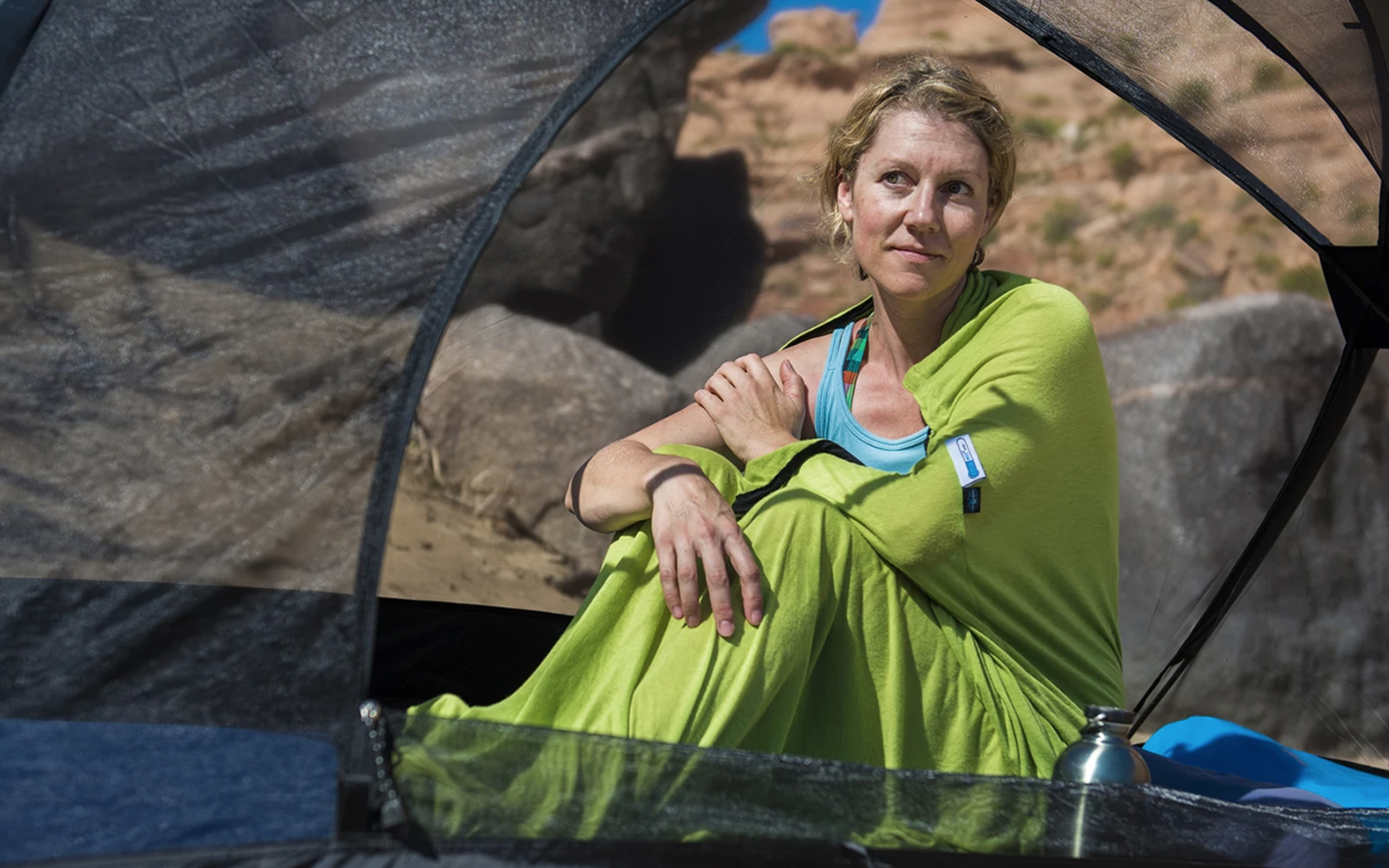

One of the most useful and often overlooked pieces of camping kit is the humble sleeping bag liner. These simple layers go inside a sleeping bag to add extra warmth on the coldest nights. They can be used on their own for warm-weather camping or sleeping indoors. They help keep your bag cleaner. Heck, some of them even claim to help your muscles recover after a long day on the trail.
Sleeping bag liners are rad. And yet, they are among the most neglected elements of a sleep system. If you don’t already own one, you probably don’t know what you’re missing.
That’s why we put together this handy little guide. It covers the benefits of sleeping bag liners, the different uses, shapes, materials, and some of our favorite models.
Why Use a Sleeping Bag Liner?
There are many reasons to use a sleeping bag liner. Obviously, camping is the intended use for most liners, but I also pack mine when I travel internationally or go on road trips. I’ve used them in hostels, huts, and while sleeping in cars. The longer you have a liner, the more ways you’ll discover it comes in useful.
On colder nights or while winter camping, liners can add that extra warmth you need to stay cozy without having to shell out for an entirely different sleeping bag. Similar to layering clothes, a liner adds another layer to your sleep system, trapping air close to your body and keeping you warmer. If you’re headed out camping with a 35-degree bag, but the temps are going to dip into the 20s, grab your liner, and you’ll be sleeping pretty.
Of course, not all liners provide equal warmth. Some liners are heavier and rated for lower temps than others. But how much extra warmth your liner provides also largely depends on the material and construction (we’ll get to that).
Warm-Weather Sleeping
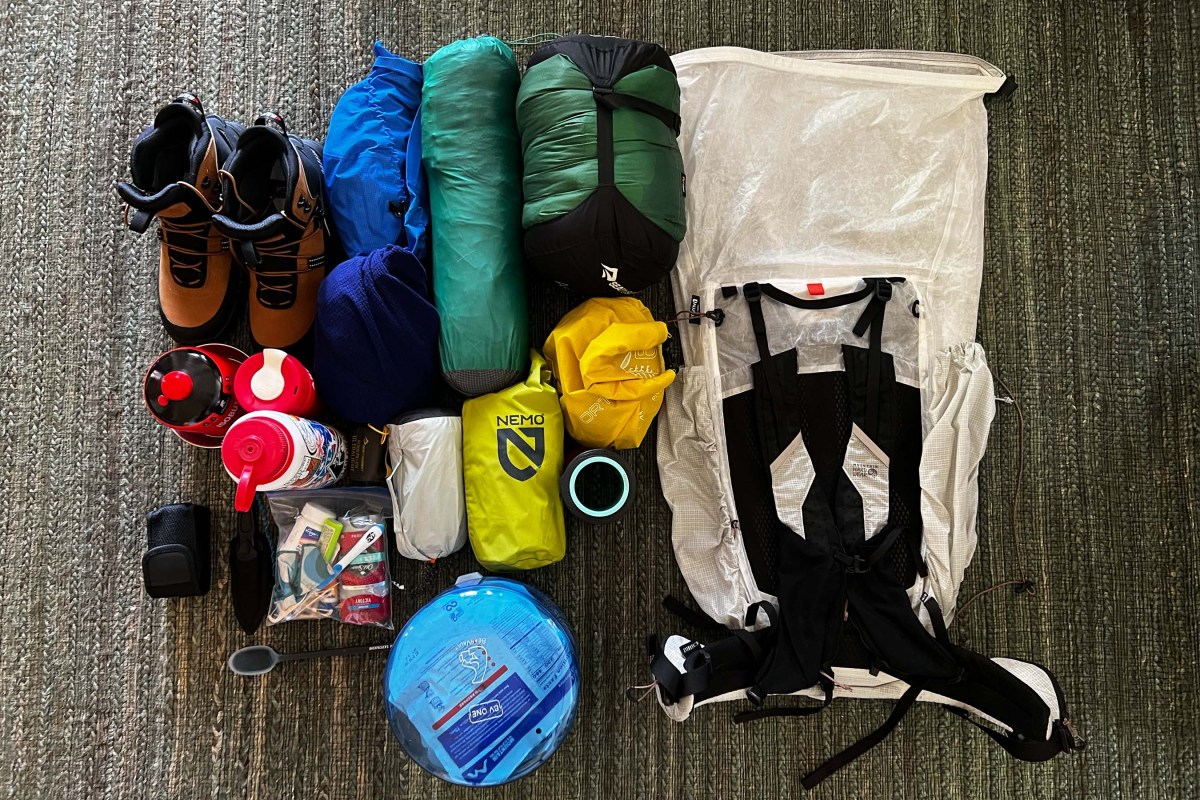
On hot summer nights, your 15-degree sleeping bag may feel a bit stifling. Even with it unzipped, you still may wake up sweating. On those nights, a light, breathable liner might be all you need to sleep soundly. You can also sleep on top of your bag in just your liner, which will trap more warmth beneath you.
When backpacking in the summer, you can bring a lightweight quilt and a liner for a minimalist sleep system that keeps your pack weight down. (Just make sure you aren’t under-preparing for the weather you’ll encounter.)
Cleanliness
After a long day hiking through the backcountry, you might feel too filthy to climb directly into your clean sleeping bag. That’s where a sleeping bag liner comes in handy! The liner keeps your funk from mixing with your sleeping bag.
Not only is that great for comfort, but using a sleeping bag liner also helps your sleeping bag last longer. Using a liner consistently helps keep sleeping bags cleaner, extending their lifespan. Cost-wise, it can be an effective investment for the longevity of your gear.
Post-trip, you can simply throw the liner in the washing machine like almost any other garment. Sure, you could just wash your entire sleeping bag after every outing, but that’s a lot more work, and it will wear your bag down faster.
Travel
Along similar lines of cleanliness, a liner is great for traveling in mountain huts or hostels because it acts as a shield from potentially grimy blankets or less-than-clean mattresses. In fact, many mountain huts in Europe and some hostels require that you bring your own liner to protect yourself and future guests.
Types of Bag Liners
Different liners offer different benefits and are designed for different uses. The two main factors to consider when buying a liner are shape and material.
Shape: Rectangle or Mummy
Most liners are either mummy-shaped (narrower at the feet) to slip right into your mummy bag or rectangular to allow for more space to move around.
Mummy liners generally have better insulation and less fabric. They cater more to backpackers or lightweight enthusiasts. Rectangular liners are best for traveling and those who just want the extra comfort to move their legs around more. They’re sometimes called “travel liners.”
You can get various spin-offs of these shapes — like hoods, pillow extensions, or extra-long versions — but, in general, these are the two main shapes on the market.
Materials
Silk
Silk is an excellent material for liners because it’s lightweight, compact, and can be both insulating and breathable — depending on what you need. Plus, it’s just got a wonderfully soft next-to-skin feel. Silk dries fairly fast but can absorb and retain moisture. If moisture is a major concern, you may want to consider synthetic fibers, which we discuss below.
Another downside of silk liners: they can get pricey. Sea to Summit’s Silk Blend Liner ($95-100) might be the best option in this material if you’re willing to pay the price.
Cotton
On the budget-friendly side, cotton is sturdy, cozy, and decently insulating on cooler nights. On the downside, it’s heavier and less compact than other options. It also dries very slowly and is cold when wet.
Because of this, you should use cotton liners only when moisture is not a concern. That takes it out of the running for most camping uses. One example is Cocoon’s Egyptian Cotton Bag Liner ($55), which is 100% cotton and, the brand claims, adds 7 degrees Fahrenheit of warmth to your bag.
Synthetic
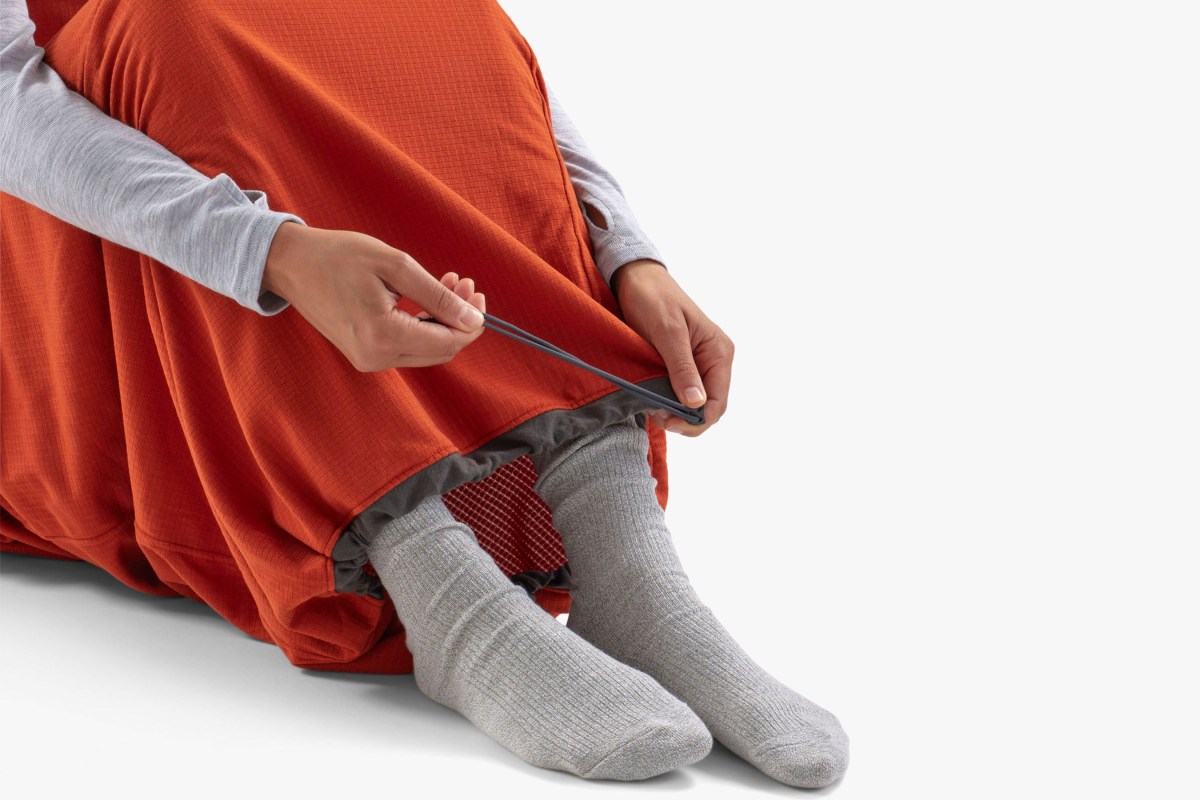
Encompassing fleeces, microfleeces, Coolmax, and other synthetic insulating materials, there’s a lot of variety in this category. You can get some of the most insulating liners, like the Sea to Summit Reactor Fleece Sleeping Bag Liner ($95), which adds significant warmth to even the best sleeping bag. It also has a drawstring closure at the bottom so you can poke your feet out.
Most synthetics are very fast-drying and fairly light, so they’re a good all-around choice for sleeping bag liners. Another nifty feature some synthetic liners now have is insect shield technology that repels mosquitoes, ticks, flies, and fleas without any bad smells.
Synthetic liners can also be more breathable, like the COOLMAX fabric in the Cocoon COOLMAX Travel Sheet ($59), which is extra-breathable and designed to move sweat away from your body.
Merino Wool
Of course, other materials are used to make sleeping bag liners, including merino wool. Wool blends like merino add warmth even when wet. They also have natural antimicrobial properties that help them fight stink.
Cocoon makes a Merino Wool Mummy Liner ($129) that is non-scratchy, adds a claimed 12 degrees of warmth to a bag, and is great for temperature regulation and moisture wicking. It is comparatively pricier, however.
More of Our Favorite Sleeping Bag Liners
For any future camping or hostel excursions, if you want to increase your chances of staying clean, cozy, and safe, consider a sleeping bag liner. While there are plenty of varieties and prices, the most important thing is to have one that suits your needs and lets you sleep soundly — whether you’re in a hostel or on the side of a mountain.
Here are a few more of our favorites.
Big Agnes UL Recovery Bag Liner ($100)
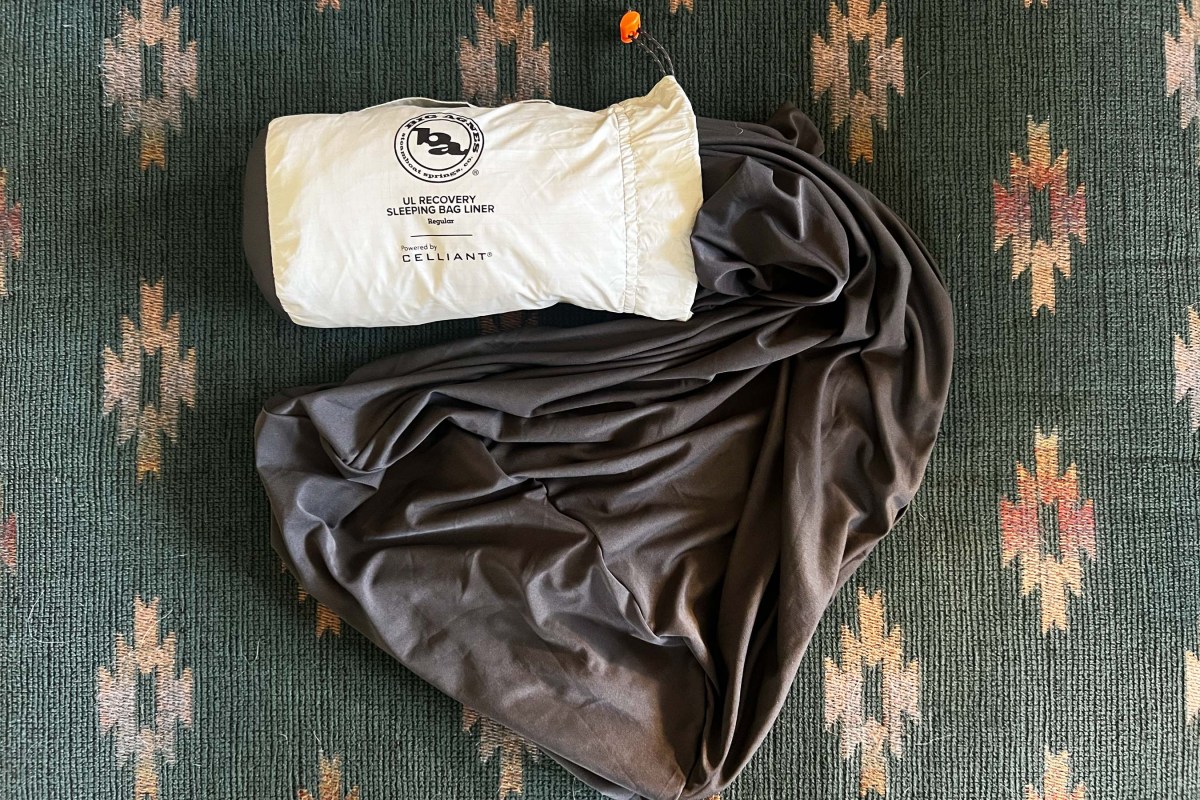
Not only does this liner use recycled materials, but Big Agnes claims it is also clinically proven to fight fatigue and help your muscles recover. The polyester CELLIANT Fabric uses bioceramic technology to “improve local cellular oxygenation, promote restful sleep, enhance performance, and speed recovery.”
NEMO Tracer Endless Promise Sleeping Bag Liner ($70-80)
As part of NEMO’s Endless Promise line of products, this sleeping bag liner can be recycled at the end of its useful life. It also has a unique, semi-rectangular shape, patterned to fit perfectly with NEMO’s Classic Spoon-shaped sleeping bags. This liner is made with highly insulative THERMOLITE EcoMade fabric and has anti-odor properties.
Sea to Summit Breeze Sleeping Bag Liner With Insect Shield ($85)
If you want a sleeping bag liner that doesn’t hinder mobility, check out the Sea to Summit Breeze. It’s made with a blend of COOLMAX EcoMade and bio-based TENCEL lyocell fibers, and is odor-resistant. Notably, though, it’s also designed with a hood, armholes, and a drawstring closure at the bottom. So you can walk around in this thing, make coffee in the morning, or wind down in the evening, swaddled in your liner.
Frequently Asked Questions (FAQ)
Most synthetic and natural fiber sleeping bag liners claim to add 5 to 10 degrees of warmth. Some claim as high as 15 degrees! While that’s a hard number to prove, the materials used to make liners are known insulators, and the weight/thickness at which they’re woven determines how much they insulate. Some liners are designed to be light and add just a little warmth. Others are burlier and pack in the heat.
Absolutely. In huts and hotels, they make for a great layer if you’re sleeping on top of the sheets. On a warm night while camping, you might not want to be bundled up in a down bag; instead, you might sleep just in your liner. I’ve even used them to sleep on friends’ couches after parties that went way too late.
Each of these materials has different use cases and benefits. Cotton is cheap and cool; if it gets wet, it dries very slowly. Synthetics wick moisture well and are great insulators; however, they can get stinky over time. Silk has a great next-to-skin feel, wicks moisture well, and is a good insulator. Usually, though, it’s expensive.
Simply throw it in the wash with your other clothes. Some might specify that they need to be air-dried. It’s recommended to wash your liner every 2-3 uses.
Read the full article here
