



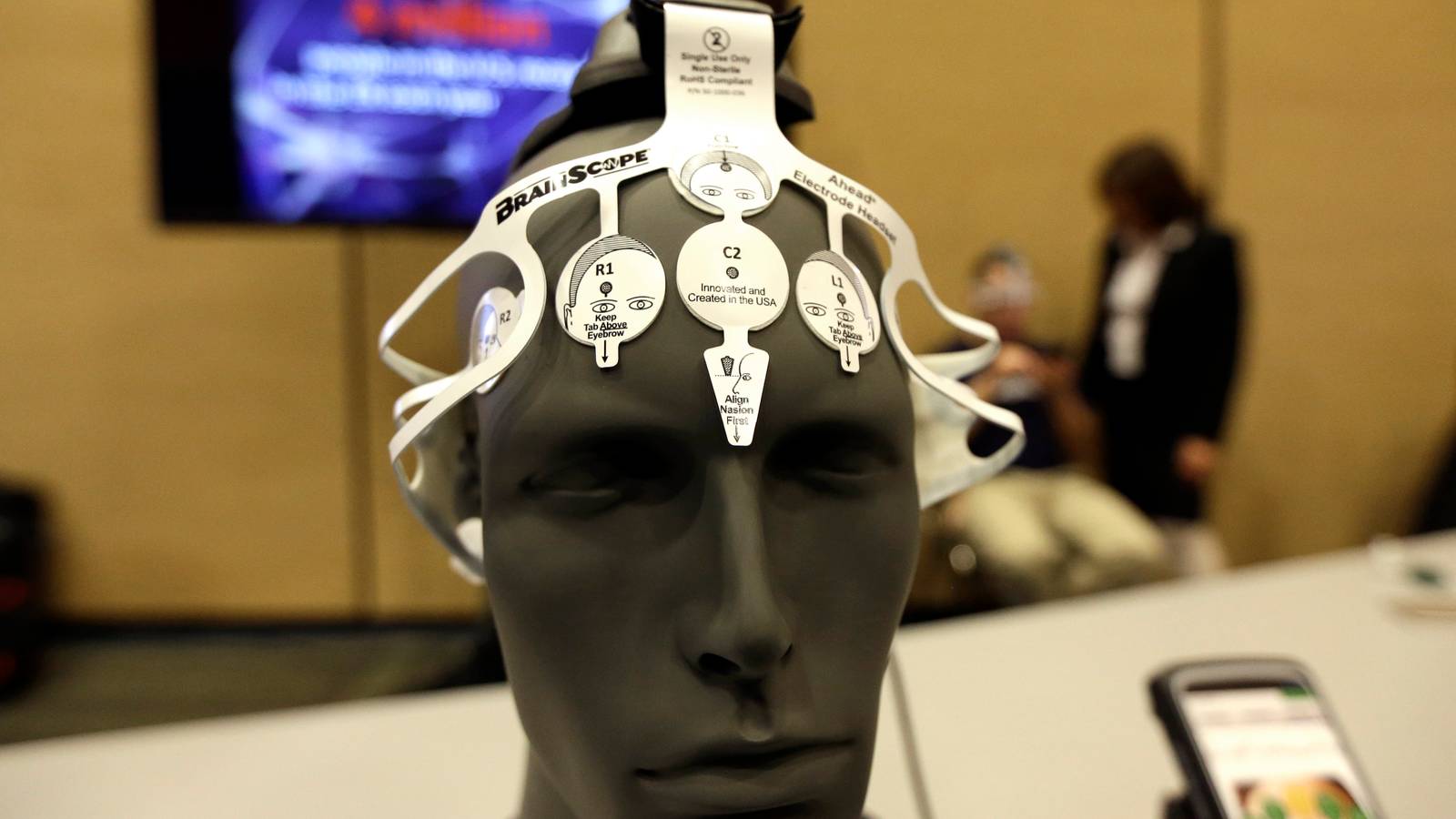

The Department of Defense (DOD) has launched a new research program to develop treatments for traumatic brain injuries (TBI).
A new program called Selective Harnessing of Intrinsic Neuroplasticity Engineering (SHINE) is pushing through the Defense Advanced Research Projects Agency (DARPA), the research arm of the DOD, developing non-invasive tools to “enhance the brain’s ability to adapt and rewire itself” when it is injured.
Between 2001 and 2025, roughly 556,502 veterans screened positive for TBI or a TBI-related diagnosis in VA medical records, or filed claims for VA disability compensation.
The condition, which occurs when a sudden blow to the head causes damage to the brain, varies in severity and creates myriad symptoms including headaches, nausea, dizziness and vomiting, as well as cognitive difficulties and emotional instability.
SHINE, according to its website, said current TBI treatments were “often imprecise” because they activate large areas of the brain instead of “specific circuits in need of repair.”
It added that it would develop more precise tools that “target plasticity-inducing methods to define neural substrates, focusing therapies on the precise pathways affected by injury or disease.
It did not provide specific information about what this research will entail or how long it will last.
Other TBI Research and Breakthroughs
In July, the U.S. Army announced it has developed a tool that will help detect a TBI in less than 15 minutes.
The handheld diagnostic device known as the i-STAT Alinity is being fielded by U.S. Army medical leaders in Europe, using blood samples to detect biomarkers in the brain that are released when an injury occurs—all to effectively discover whether a soldier has suffered neural damage.
It has been described as an important triaging step in deciding whether a soldier needs further medical care or can return to service.
Also in July, the House of Representatives authorized the creation of the so-called Blast Overpressure Task Force in its annual defense policy bill that will research TBI and other related ailments.
However, Congress decreased spending on TBI research and treatment from $175 million in Fiscal Year 2024, to $40.5 million in FY26.
Seizures, caused by a condition called post-traumatic epilepsy (PTE) that develops after a TBI, can be prevented by treating patients with chemicals derived from the gut microbiome, according to research from Texas A&M University’s Naresh K. Vashisht College of Medicine.
By testing on injured brain tissue, researchers found that sodium butyrate—a molecule created in the gut microbiome when bacteria breaks down food—can block enzymes called histone deacetylase (HDACs) that are triggered by brain injury and cause inflammation and other symptoms associated with PTE.
SHINE is hosting an online information session about its new research on Aug. 25.
Read the full article here
