



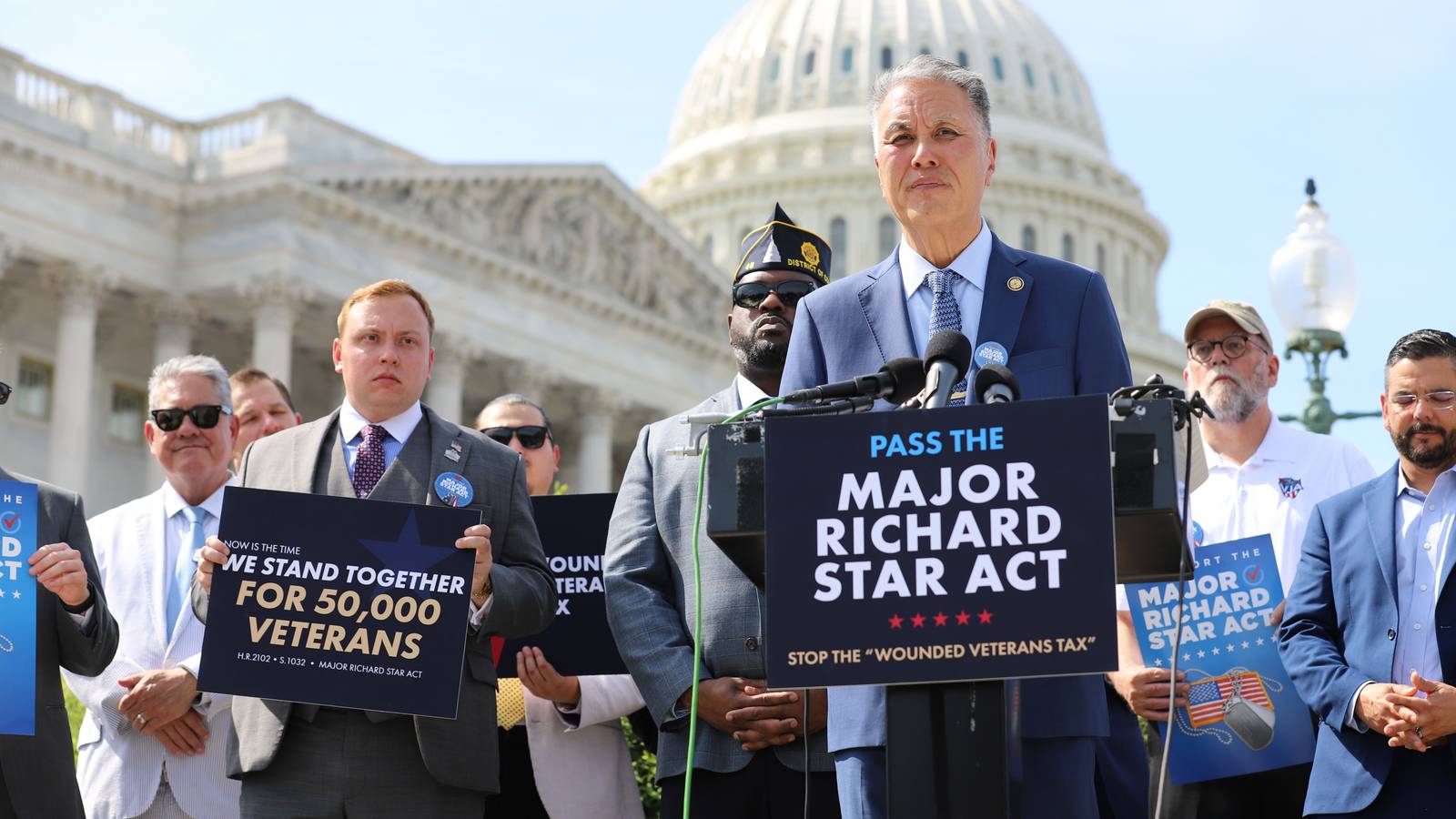

More than 300 members of the House support it. More than three-quarters of the Senate support its companion bill.
Republicans support it. Democrats support it. Major veterans organizations support it.
Yet thousands of combat-injured veterans have spent years waiting for Congress to fix a problem nearly everyone seems to agree should be fixed.
The Major Richard Star Act would allow certain veterans whose military careers were cut short by combat-related injuries to receive both military retirement pay and Department of Veterans Affairs disability compensation without the offset they face today.
For nearly 59,000 medically retired veterans receiving Combat-Related Special Compensation, the Congressional Budget Office estimates the change would increase their total compensation by an average of roughly $1,450 per month.
The current House bill has 315 cosponsors. Its Senate companion has 77. Both remain short of becoming law. The problem isn’t primarily whether Washington believes those veterans deserve the money. It’s figuring out how to pay for it.
That dilemma helps explain how Congress arrived at the sprawling Take Care of America’s Veterans Act, or TCAVA, and one of the biggest fights over veterans benefits in years.
Military.com has spent months speaking separately with lawmakers and leaders of major veterans organizations about the legislation, including Senate Veterans’ Affairs Committee Chairman Jerry Moran, House Veterans’ Affairs Committee Chairman Mike Bost, Military Officers Association of America President and CEO retired Air Force Lt. Gen. Brian Kelly and American Legion Executive Director of Government Affairs Mario Marquez, to name a few.
Their interviews point to a problem bigger than TCAVA: Congress can overwhelmingly agree that veterans deserve a benefit and still struggle for years to find a politically viable way to pay for it.
A Bill Almost Everyone Supports and Congress Still Can’t Pass
The Major Richard Star Act addresses a disparity affecting veterans who were forced to medically retire before reaching 20 years because of combat-related disabilities.
Generally, military retirees who reach 20 years and meet certain disability requirements can receive both military retirement pay and VA disability compensation.
Combat-injured veterans medically retired before reaching 20 years can face an offset between the two. Richard Star would change that for eligible disability retirees with combat-related disabilities.
The idea has extraordinary bipartisan backing. The current House legislation, H.R. 2102, has 315 cosponsors. The Senate version, S. 1032, has 77. Yet the House measure remained at the committee level, while the Senate bill was referred to the Armed Services Committee.
Kelly told Military.com that advocates have spent nearly nine years trying to move the proposal despite that broad support.
Marquez described years in which supporters repeatedly believed they were close to passage, only to watch it stall again.
So how does legislation backed by hundreds of lawmakers fail to become law? One major answer is money.
The Problem Isn’t Whether Veterans Deserve It. It’s the Price Tag.
Bost explained the problem bluntly in an earlier interview with Military.com.
“We are required by what’s known as PAYGO, that if we’re going to pass a bill, it’s got an expense, we’ve got to show where the money is coming from,” Bost said.
In simple terms, congressional support for a benefit doesn’t make its cost disappear.
The numbers involved in Richard Star help illustrate the challenge. CBO estimates nearly 59,000 Chapter 61 retirees were receiving Combat-Related Special Compensation, or CRSC, as of September 2025. Removing the limitation affecting that population would increase their total compensation by an average of roughly $1,450 per month, according to CBO.
Providing that additional compensation isn’t inexpensive. CBO estimates the CRSC-related change would increase direct federal spending by roughly $13.1 billion over the 2026-2036 period.
Those two figures capture much of the dilemma facing Congress: For an affected veteran, the change could mean an average of roughly $1,450 more each month. For the federal government, providing it to tens of thousands of veterans means finding billions of dollars.
Lawmakers still have to confront how the federal government accounts for the additional spending. That can leave a popular proposal stuck even when members of both parties support the policy itself.
Richard Star has become a particularly striking example. The current House legislation has support from well over half the chamber. More than three-quarters of senators are cosponsors of the Senate version. Yet neither bill passed its chamber.
Moran told Military.com in an earlier interview that versions of Richard Star have enjoyed broad congressional support for years and failed to become law under both Republican and Democratic control. That repeated failure helped lawmakers start looking for another path.
Congress Found a Possible Way to Pay. That’s When the Fight Started.
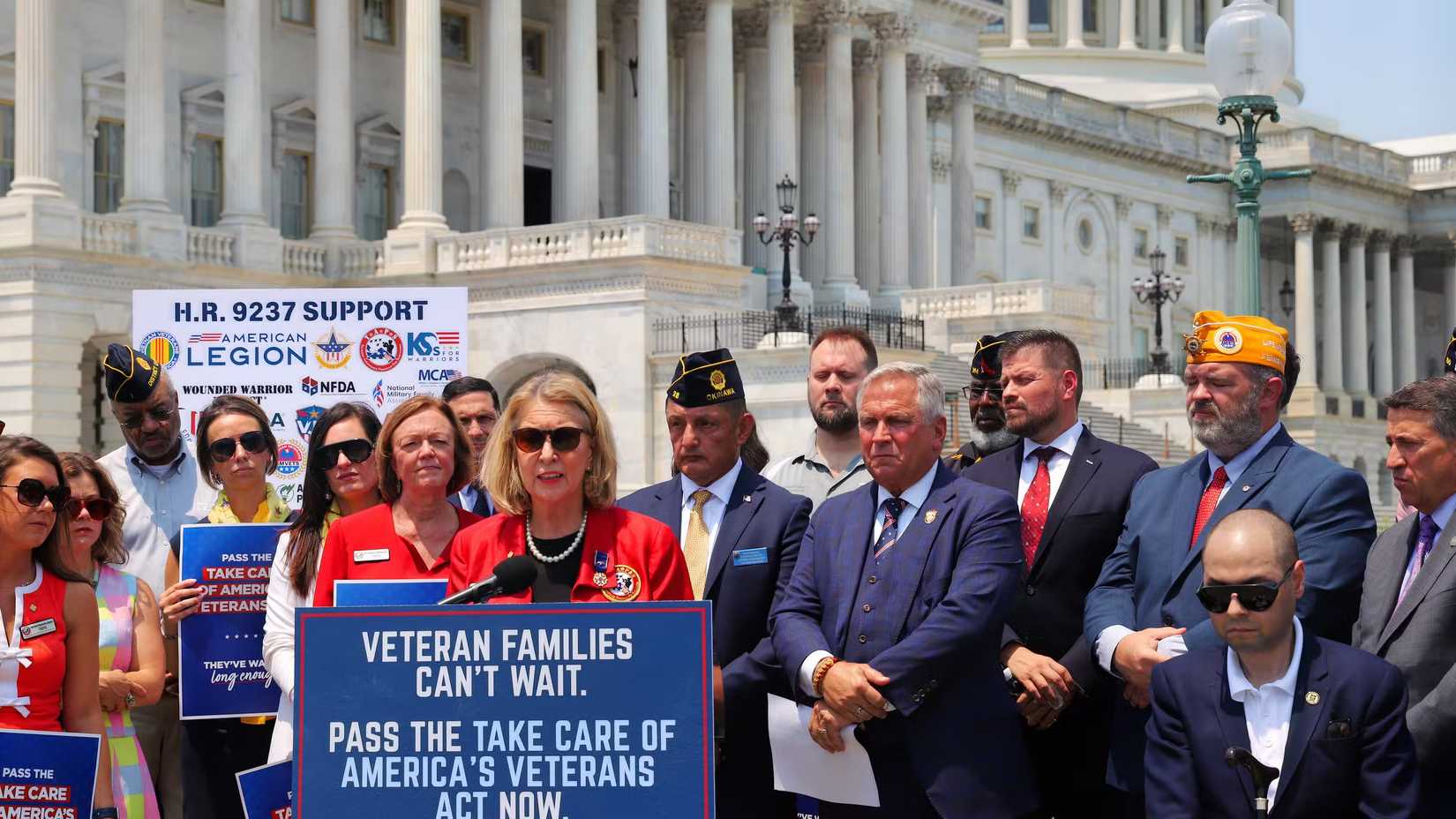
TCAVA is part of that attempt. Moran and Bost introduced the package in June, combining Richard Star with the Love Lives On Act, Veterans’ ACCESS Act and dozens of other bipartisan veterans priorities. But putting dozens of bills together didn’t eliminate the cost.
Then came a potential source of savings. The VA has been pursuing changes to its disability rating schedule, including changes involving tinnitus and obstructive sleep apnea that could reduce future federal disability spending.
Supporters of TCAVA argue that if VA makes those changes through its regulatory process anyway, Congress can use the resulting savings for other veterans programs rather than allowing the money to go elsewhere.
That gave Richard Star and dozens of other priorities a potential funding path. It also ignited the controversy surrounding TCAVA.
Critics argue that Congress should not effectively finance benefits for one group of veterans through savings that could mean lower future disability compensation for another.
The dispute created a strange outcome: Congress had found a potential way to pay for legislation hundreds of lawmakers support. The solution created an entirely new veterans-benefits fight.
‘We Don’t Live in an Ideal World’
Kelly said MOAA would prefer that Congress didn’t have to make that choice. In a separate interview with Military.com, Kelly said the organization’s ideal outcome would involve no reduction in future disability ratings, no need for an offset and passage of Richard Star and other bills through the traditional process.
“We don’t live in an ideal world, and so we have to make pragmatic choices,” Kelly said.
MOAA ultimately concluded that the opportunity to pass Richard Star alongside other long-sought veterans priorities outweighed its concerns about the funding mechanism.
“If you get rid of the politics, if you get rid of the emotions,” Kelly said, “it’s hard not to pragmatically think that the opportunity [is] to do the most good for veterans.”
That’s what makes the TCAVA fight more complicated than a disagreement over whether veterans deserve additional benefits. In many cases, both sides agree they do.
The American Legion Opposes the Rating Changes and Supports TCAVA
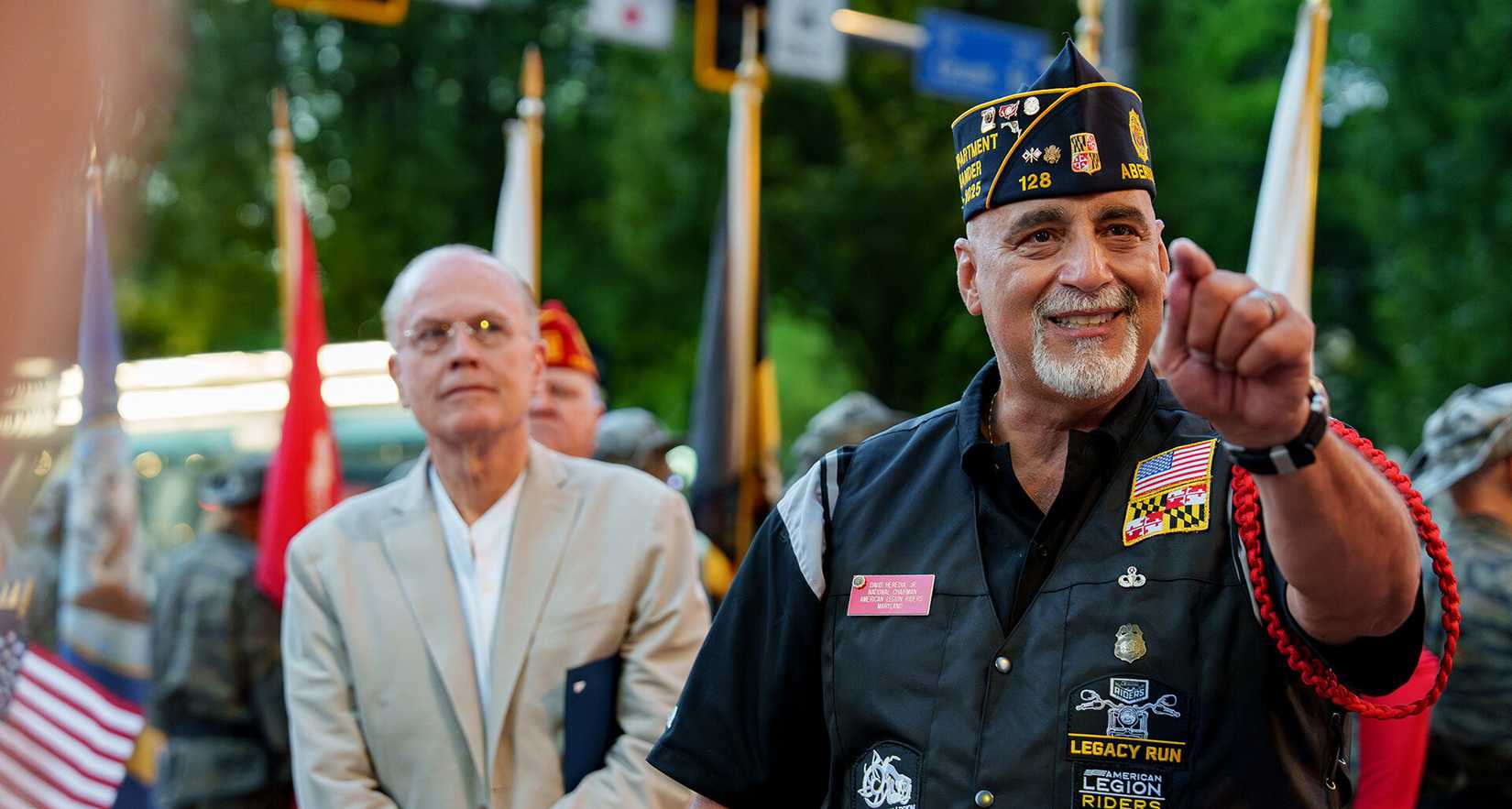
The American Legion’s position illustrates the dilemma. In a separate interview with Military.com, Marquez said the organization continues to oppose VA’s proposed disability-rating changes. It also supports TCAVA.
“This legislation is a one-time effort for the American Legion,” Marquez said. The organization spent more than a week reviewing the package before publicly supporting it, Marquez said, considering not only what veterans could gain if it passed but what could happen if it failed. Richard Star weighed heavily in that calculation.
No bill is perfect, Marquez said. You pass the legislation, and you go back, and you work to improve.
The Legion’s position is not that the VA rating changes are desirable. Its argument is that those changes may occur independently of TCAVA and that, if they do, resulting savings should be used to fund veterans’ priorities.
Critics reject that calculation. Sen. Richard Blumenthal, D-Conn., the lead sponsor of the Senate Richard Star bill, has argued that combat-injured veterans should receive the benefit without reducing benefits for other disabled veterans. He has suggested that if an offset is required, Congress should look to the Defense Department instead.
In other words, supporters and critics of TCAVA can both support Richard Star. The disagreement isn’t the destination. It’s how Congress gets there.
So Why Not Just Pass Richard Star?
For veterans watching the debate, there is an obvious question. If more than 300 House members and more than three-quarters of senators support the Major Richard Star Act, why not simply pass it separately? Congress has been trying.
Kelly said the effort has stretched across nearly nine years. Marquez described repeated attempts to get it across the finish line. Moran said broad support has survived changes in party control.
“If you’re waiting for perfect,” Kelly told Military.com, “you’re going to wait longer.”
Richard Star also isn’t the only veterans proposal that has spent years searching for a path through Congress. TCAVA combines it with long-sought changes for survivors, caregivers and other veterans.
Former Sen. Elizabeth Dole, whose foundation advocates for military and veteran caregivers, said the broader package represents an opportunity to finally address some of those needs.
Their courage reminds me why I proudly support the Take Care of America’s Veterans Act alongside more than 20 national organizations, said Elizabeth Dole to Military.com.
For supporters, that’s the risk of simply starting over: A cleaner legislative path may exist, but veterans and families could spend years waiting for Congress to find it.
More Than 300 Lawmakers Agree. Veterans Are Still Waiting.
The Major Richard Star Act illustrates the disconnect between congressional support and congressional action.
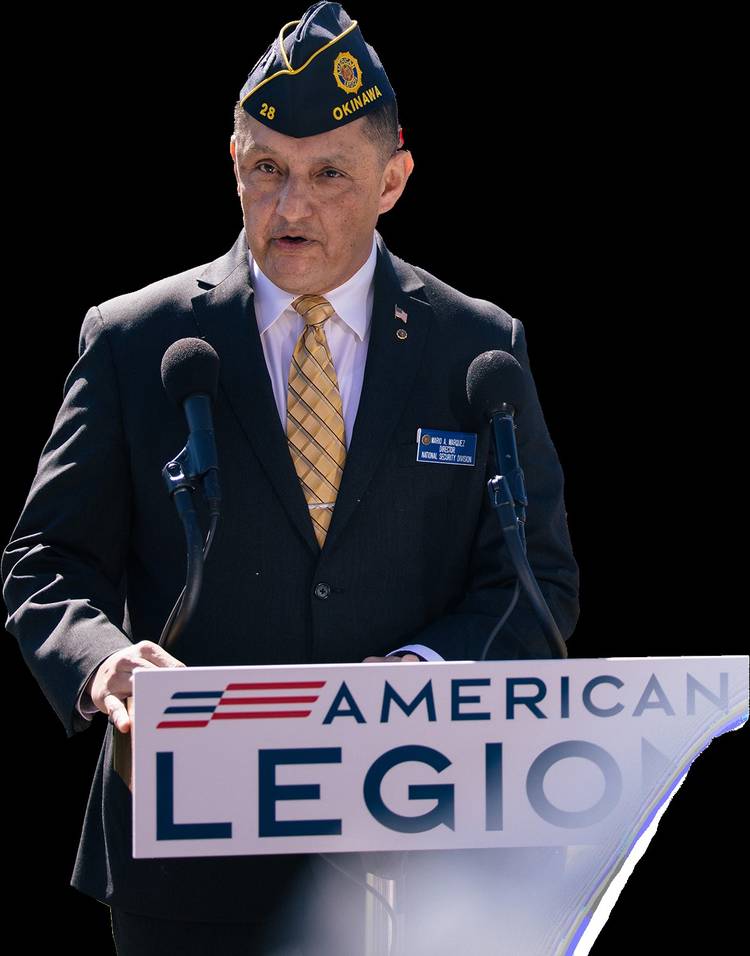
More than 300 House lawmakers back the proposal. More than three-quarters of the Senate supports its companion bill. Major veterans organizations support it. Even lawmakers and organizations that disagree over TCAVA’s funding mechanism agree Richard Star should become law. And still, it hasn’t.
Congress can agree that combat-injured veterans deserve additional compensation without agreeing on where the money should come from.
That’s the paradox TCAVA is attempting to solve, and why its funding mechanism has become so controversial.
TCAVA may ultimately provide a path for Richard Star, or Congress may find another.
But after years of advocacy and overwhelming bipartisan support, the central argument is no longer whether these combat-injured veterans deserve the money.
It’s where Congress should find it. And the veterans the legislation was written to help are still waiting.
Read the full article here
