





A squad of genetically engineered soldiers breaks loose in the New Mexico desert. The only person equipped to stop them is Celeste, a retired Army sniper played by Adria Arjona, who has spent years insisting that something strange is happening near her trailer park.
That is the setup for Onslaught, a new movie from director Adam Wingard. The upcoming A24 horror film opens Sept. 4. and the studio describes the threat as a rogue unit of super soldiers created by the U.S. military.
Wingard has said the conspiracy reaches back to Operation Paperclip, the post-World War II program that brought German scientists and engineers to the United States.
The Pentagon cannot currently manufacture the hulking, obedient killers promised by the movie. It is, however, funding research that aims to make human bodies more resilient, keep troops awake and mentally sharp, speed recovery from wounds and connect the nervous system directly to machines.
The result does not resemble Captain America. Taken together, though, the projects show why Onslaught can make its monsters feel uncomfortably close to reality.
Operation Paperclip Gave the Story Its Nazi Roots
Wingard told Entertainment Weekly that Onslaught imagines what might have happened if Nazi scientists brought into the United States after World War II quietly maintained influence inside the government. He called their fictional descendants “Nazi nepo babies.”
The real Operation Paperclip did not create genetically modified soldiers. Its participants worked across rocketry, aviation, weapons, medicine and other technical fields sought by the United States as competition with the Soviet Union took shape.
National Archives records include personnel files for more than 1,500 foreign scientists, engineers and technicians brought to the United States through Paperclip and related programs. The group included Wernher von Braun and members of his rocket team, who initially worked for the Army at Fort Bliss, Texas. Von Braun later helped develop the Saturn V rocket used by NASA’s Apollo program.
The program carried a high moral cost. U.S. officials recruited people who had served the Nazi regime, and government records show that security reports were revised in some cases to make candidates eligible. The National Archives identifies Paperclip recruits who had connections to concentration camp labor, medical experiments and the V-2 factory at Mittelbau-Dora.
That history gives filmmakers a ready-made foundation for secret-program horror. Later Cold War abuses added more fuel. The CIA’s MKUltra program tested drugs and methods of behavioral manipulation, sometimes on people who had not knowingly agreed to participate. It was not a physical enhancement program, but it proved that government agencies had conducted human experiments outside the safeguards Americans would expect today.
DARPA Is Engineering Red Blood Cells
The current Pentagon project that comes closest to the language of biological enhancement is called Smart Red Blood Cells, or Smart-RBC.
DARPA says the program will explore engineered red blood cells that could temporarily improve a person’s ability to survive or perform in dangerous environments. Red blood cells already move oxygen through the body, making them potential carriers for additional biological functions.

The wording sounds like the first page of an Onslaught prequel. The guardrails tell a different story.
Smart-RBC will use enucleated red blood cells, which lack a nucleus and cannot pass genetic material to a recipient. DARPA also says the program will conduct no clinical trials or direct testing on humans. Its first phase will test whether engineering the cells is feasible. A second phase would develop and test prototypes.
A related DARPA effort called RBC-Factory seeks a device capable of loading biological materials into human red blood cells. That program includes a specific requirement to study the ethical, legal and social effects of the technology.
These programs are built around temporary changes. They do not rewrite a service member’s DNA or produce enhancements that future generations could inherit.
Sleep, Alertness and Control of the Body
Other DARPA programs focus on ordinary human weaknesses that can become dangerous during military operations.
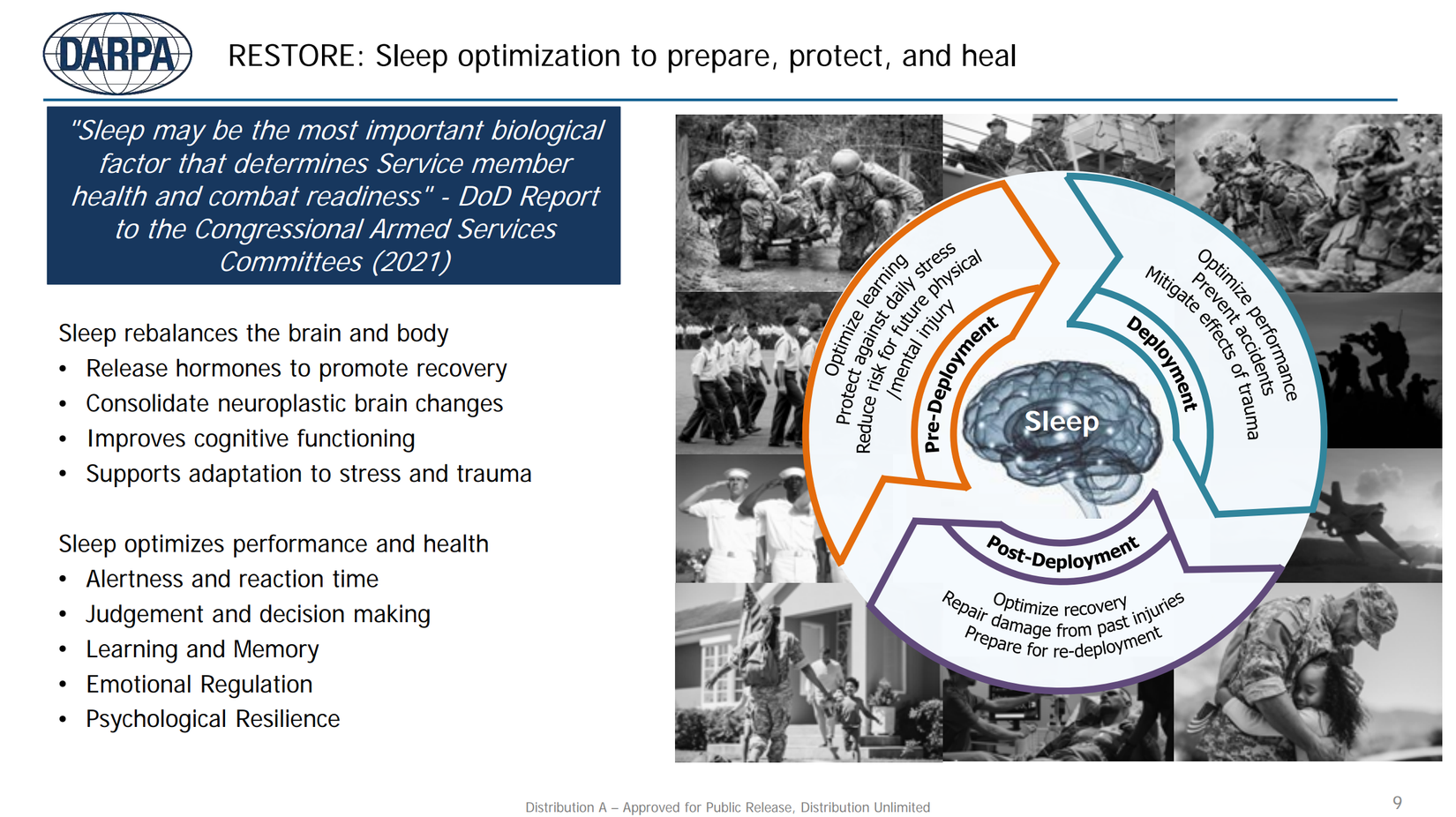
DARPA’s RESTORE program shows how far the Pentagon is willing to push one of the oldest limits on military performance: sleep. In a March 2025 briefing, the agency said RESTORE aims to help troops “maintain performance and health on less sleep” and recover more quickly from sleep loss.
Researchers are seeking ways to control the brain activity associated with restorative sleep, potentially using acoustic, visual, electrical or thermal stimulation.
DARPA has set a specific benchmark. After participants are restricted to three hours of sleep, RESTORE aims to produce a 25% improvement in tests tied to sentry duty, shoot-or-don’t-shoot decisions and navigation.
The agency describes existing stimulants and other wakefulness aids as working “at the expense of restorative sleep.” Proposals focused only on keeping troops awake, developing new drugs or using medications that disrupt sleep are excluded from the program.
The program also calls for human testing, though under safeguards absent from Cold War experiments such as MKUltra. DARPA-funded human research must undergo review by both a local institutional review board and a Defense Department human research protection office.
Participants must receive informed-consent documents, and research involving active-duty personnel faces additional protections, including possible command approval for recruitment.
Brain-Machine Interfaces Have Moved Beyond Prosthetics
DARPA has also spent years developing connections between the human nervous system and machines.
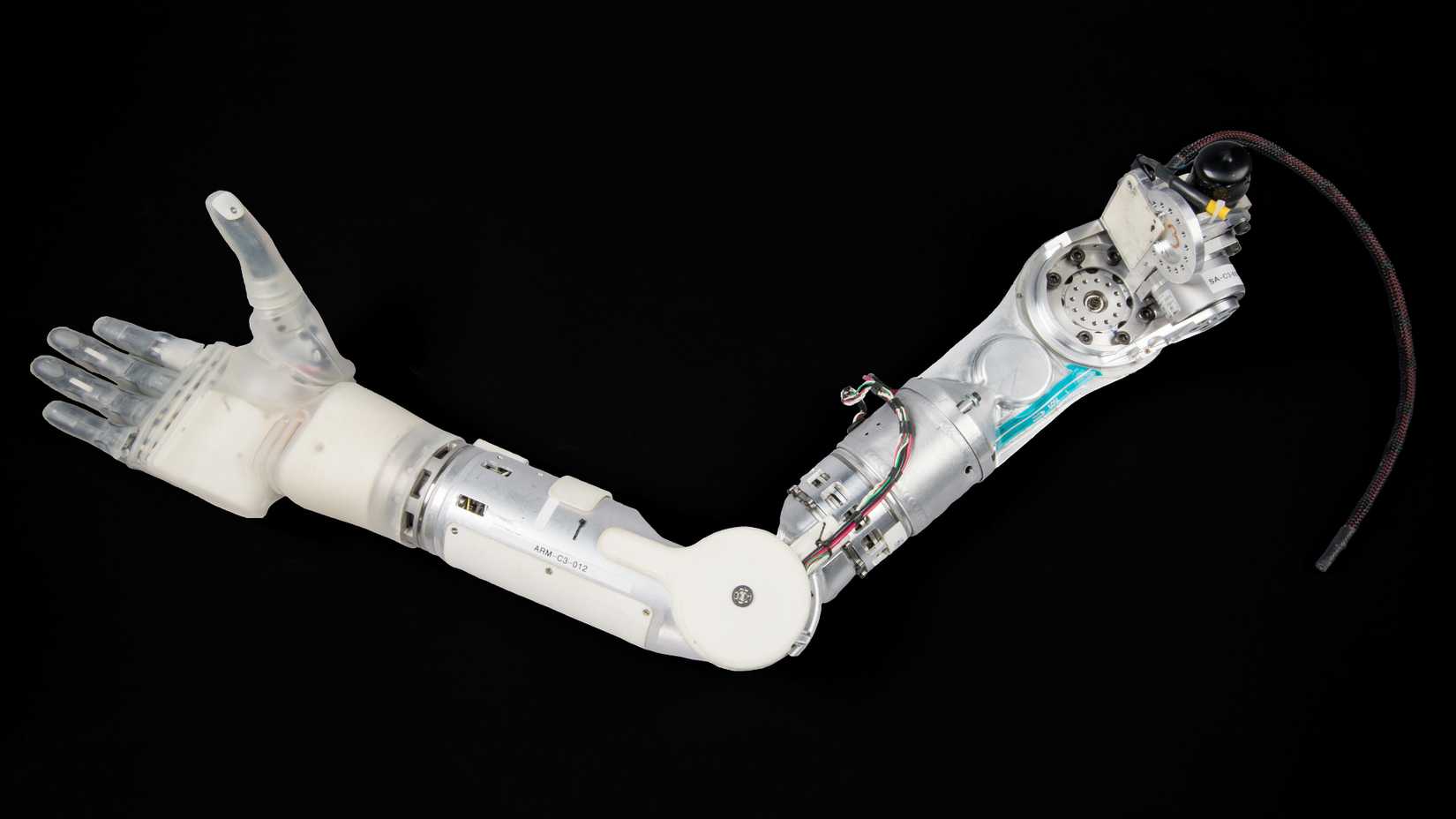
Its Revolutionizing Prosthetics program helped produce advanced artificial limbs that users can control through nerve or brain signals. The LUKE Arm received Food and Drug Administration clearance in 2014, and the first systems were prescribed to veterans in 2017. Researchers have also demonstrated prosthetic arms that return a sense of touch to users through neural connections.
The completed Next-Generation Nonsurgical Neurotechnology program went further. DARPA sought a portable, two-way brain interface for able-bodied service members that would not require surgery. Possible military uses included controlling unmanned aircraft, working with computer systems and responding to cyber threats at high speed.
The program did not produce troops who could mentally command drone swarms in combat. Its goals show where military planners believe human-machine integration may eventually lead.
A future service member could enter combat wearing sensors that monitor stress, receiving medication tailored to a disrupted sleep cycle and operating machines through increasingly direct interfaces. The technology would be spread across equipment, software and medicine. Hollywood simply compresses all of it into one body.
Gene Editing Is Where the Movie Leaves Reality
CRISPR and related technologies allow researchers to make targeted changes to genetic material, but creating a genetically designed soldier would require far more than identifying a single gene for strength, endurance or intelligence. Those traits arise from complicated interactions among many genes, development and environment. A change intended to improve one function could also create new health risks elsewhere in the body.
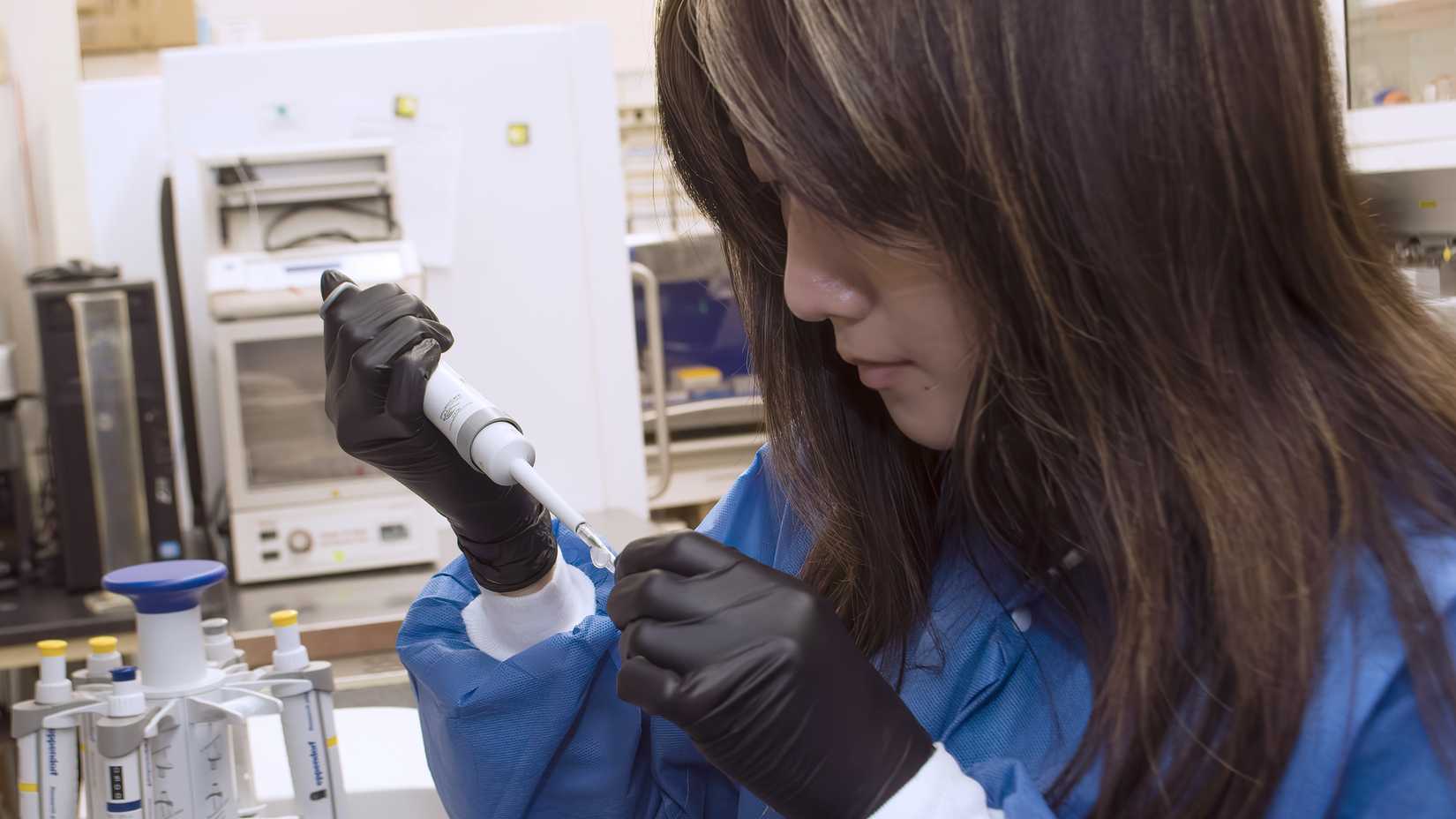
Jenny Chen, a Science and Engineering Apprenticeship Program intern at Naval Medical Research Command, prepares tick-borne rickettsia DNA with a CRISPR/Cas9 complex in Silver Spring, Maryland, on July 16, 2024. The research aims to improve microbial sequencing and surveillance of tick-borne pathogens. (Photo credit: U.S. Navy photo by Michael Wilson).
DARPA’s public work with gene-editing technology has generally emphasized control and containment. Its Safe Genes program explored ways to stop or reverse unwanted genetic changes. B-SAFE took a related approach by studying molecules that could shut down CRISPR and other gene editors if they behaved unpredictably or were misused. In both cases, DARPA treated the ability to halt the technology as a national security concern.
PREPARE, a now-completed DARPA biotechnology program, approached the problem from another direction. It sought medical countermeasures that could briefly switch on the body’s own protective genes without rewriting a person’s DNA. Researchers looked for natural defenses that could be activated quickly, then allowed to return to normal once the threat had passed.
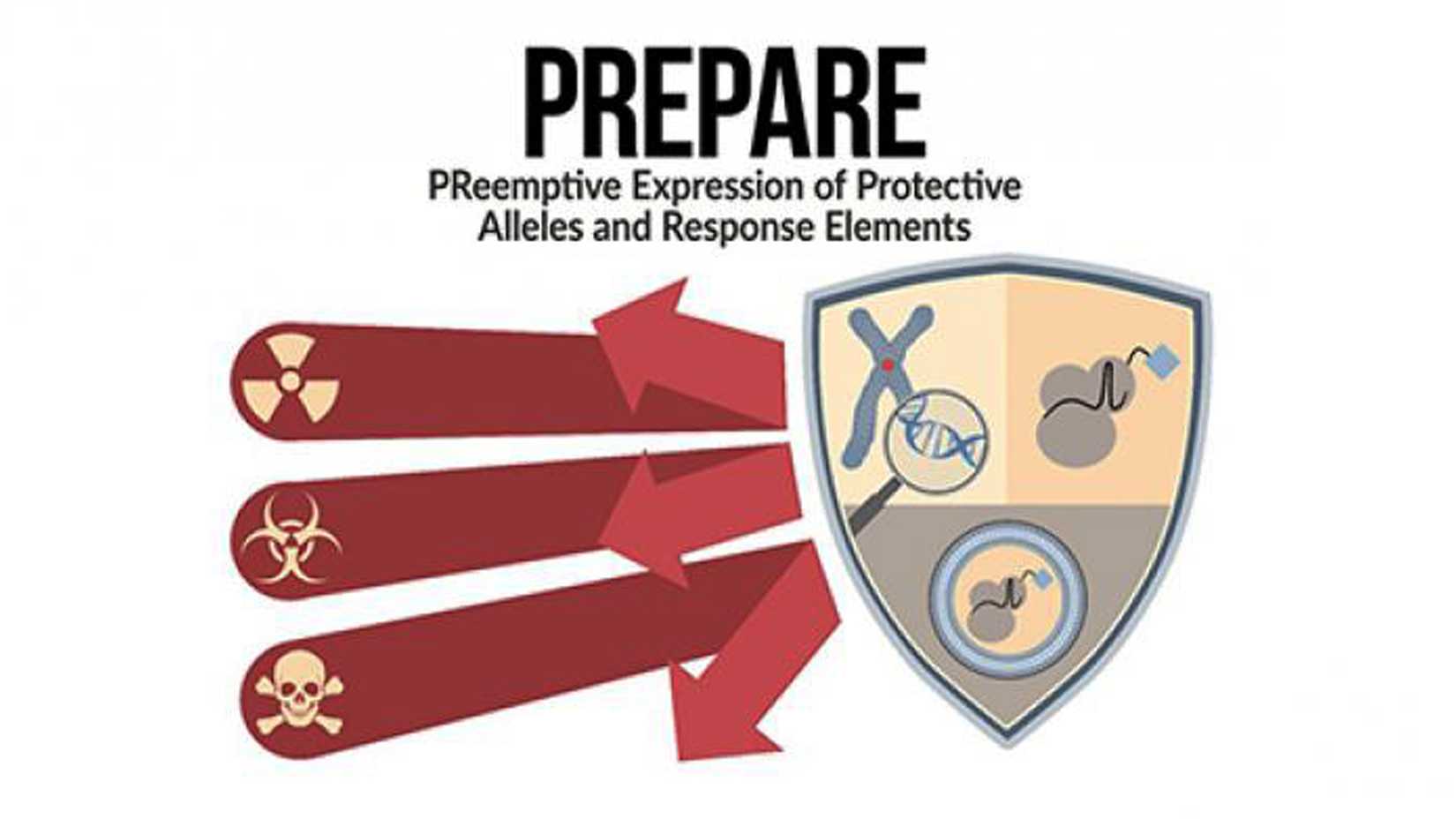
The program used influenza, organophosphate poisoning and gamma radiation as proof-of-concept threats. Researchers worked to identify genes that might offer protection and develop ways to activate them inside specific tissues.
The early testing was intended for healthy animal models, with the possibility of later clinical development if the approach proved safe and effective.
PREPARE was built around survival, not battlefield enhancement. It was not intended to make troops stronger or more aggressive. A successful treatment might one day help a service member withstand a dangerous exposure that would otherwise cause severe injury or death, but it would not create the permanently altered fighters imagined in Onslaught.
Research involving people would also face layers of Defense Department oversight. DARPA-funded studies must go through a local institutional review board and a separate Defense Department human research protection review.
Active-duty personnel receive additional safeguards because military rank and command relationships can complicate voluntary participation.
The Pentagon’s Super Soldier Would Look Mostly Human
The Pentagon could eventually assemble something recognizable as an enhanced warfighter. That person would probably remain biologically ordinary.
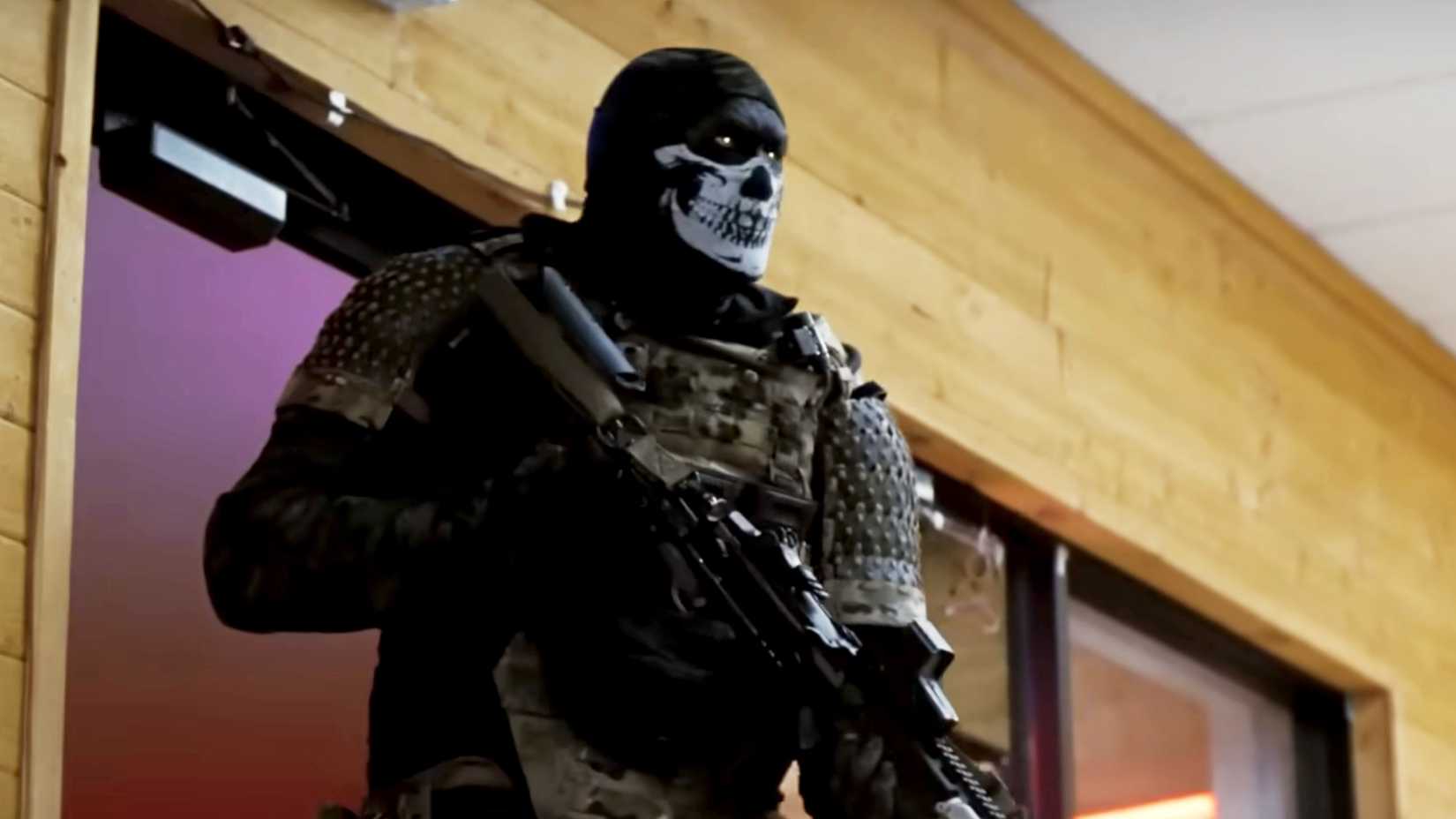
A heavily armed soldier wearing a skull-patterned mask appears in ‘Onslaught.’ (Photo courtesy of A24.)
A drug could theoretically keep someone alert throughout a long mission. Engineered blood products could help the body function in extreme conditions, while sensors warn when fatigue or injury begins to threaten performance.
Neural interfaces, advanced prosthetics and protective equipment could extend what a service member is able to do without permanently changing who they are.
Onslaught removes those boundaries. It imagines the Pentagon taking decades of research into the human body and its relationship with machines, then concentrating it inside a single weapon. The weapon eventually escapes.
That remains horror fiction. The unease comes from the fact that the research beneath it is neither secret nor imaginary.
Read the full article here
