



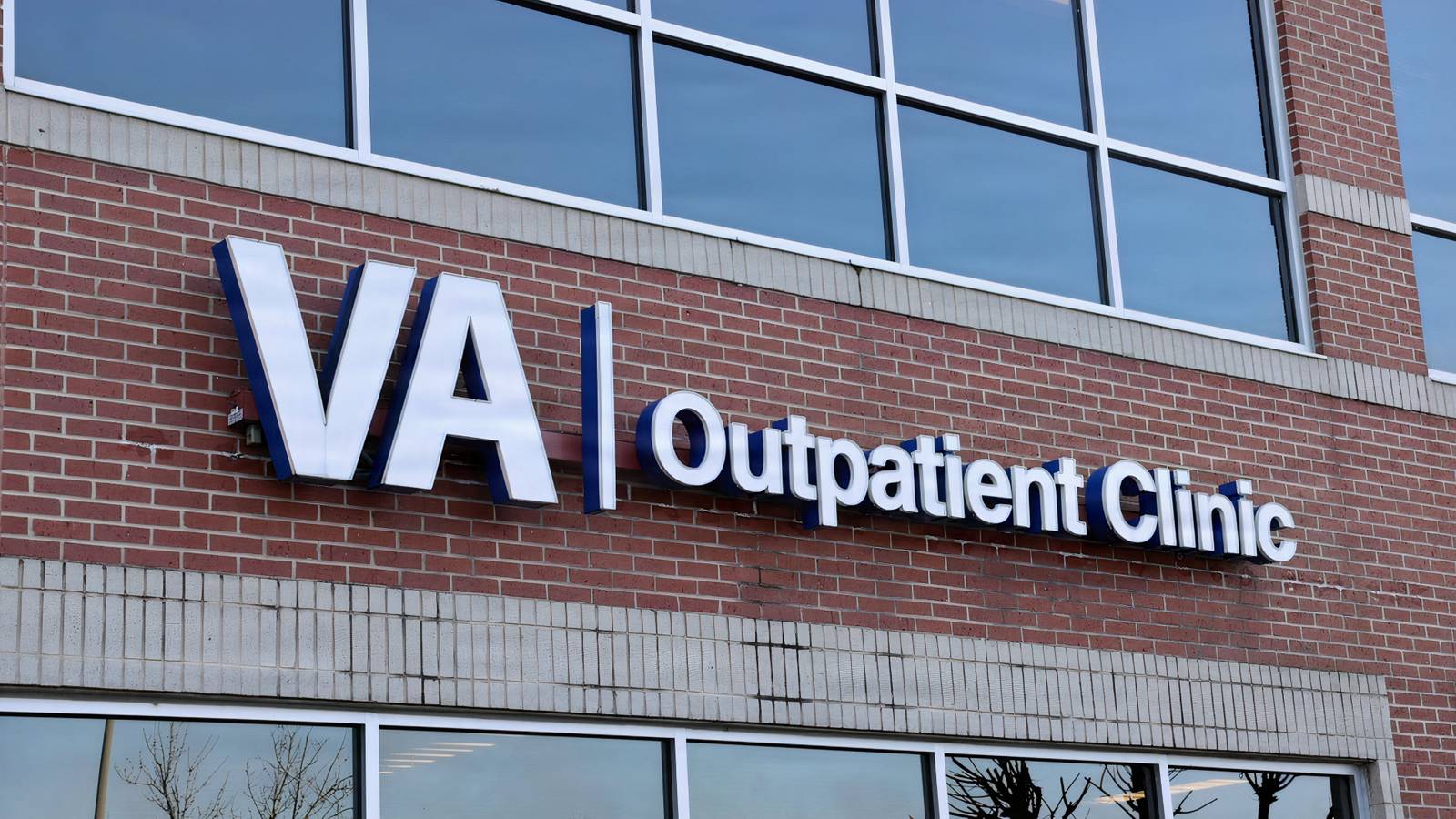

The Department of Veterans Affairs can now cover up to 10 months of rent, pay utility bills, buy groceries and arrange transportation for eligible homeless veterans under a new policy that took effect July 29.
The authority allows VA medical centers to purchase goods or pay service providers when staff determines the help is necessary to keep a veteran safe, prevent the loss of housing or connect the veteran with care, employment and permanent housing.
Assistance can include restaurant meals, groceries, hotel stays, moving expenses, clothing, tents, ride-share trips and smartphones with service plans. The policy remains in effect through Sept. 30, 2027.
Veterans will not receive unrestricted cash payments. VA will generally pay landlords, utility companies, stores, transportation providers or other vendors directly, and each request will be reviewed by VA staff.
What the VA Can Pay For
The implementation plan carries out Section 403 of the Senator Elizabeth Dole 21st Century Veterans Healthcare and Benefits Improvement Act, which became law in January 2025.
For food, the VA may buy prepared meals from restaurants or caterers, provide groceries through food pantries, issue grocery vouchers or pay for commercial meal delivery. Medical centers may set limits on eligible grocery purchases and reasonable delivery tips.
Shelter assistance can cover hotel or motel stays, rent, utility bills, security deposits, application fees and moving costs. The VA may also pay for short-term storage, basic furniture, bedding, cookware, small kitchen appliances and household cleaning supplies.
Transportation may include public-transit vouchers or ride-share trips for medical appointments, housing or job searches, court dates, legal services and trips to obtain food or supplies.
The VA may also provide tablets, smartphones, disposable phones and service plans when a veteran needs the technology to contact clinicians, prospective landlords, family members or other service providers.
Who Qualifies for the Assistance
Eligibility includes veterans who meet the federal definition of homelessness and participants in the joint Housing and Urban Development-VA Supportive Housing program, known as HUD-VASH.
The definition can include people living in shelters or places not meant for habitation, along with some veterans who are about to lose their housing and lack another adequate place to stay. It may also cover people fleeing domestic violence or similar threats.
VA clinical staff, primarily social workers, will assess each veteran’s housing status, health, finances, employment, legal concerns and basic needs. Assistance must address a specific problem, such as preventing eviction, reducing hunger, helping a veteran reach an appointment or restoring contact with a landlord.
The notice allows clinicians to make exceptions to some limits when those restrictions would prevent a veteran from receiving assistance considered necessary.
Rent and Utility Help Has Limits
The plan generally allows the VA to cover rent for a maximum of 10 months within a two-year period. Utility assistance carries the same limit. Clinicians may approve additional months when necessary, including when extra rent would allow a veteran to remain housed or higher heating costs threaten housing stability.
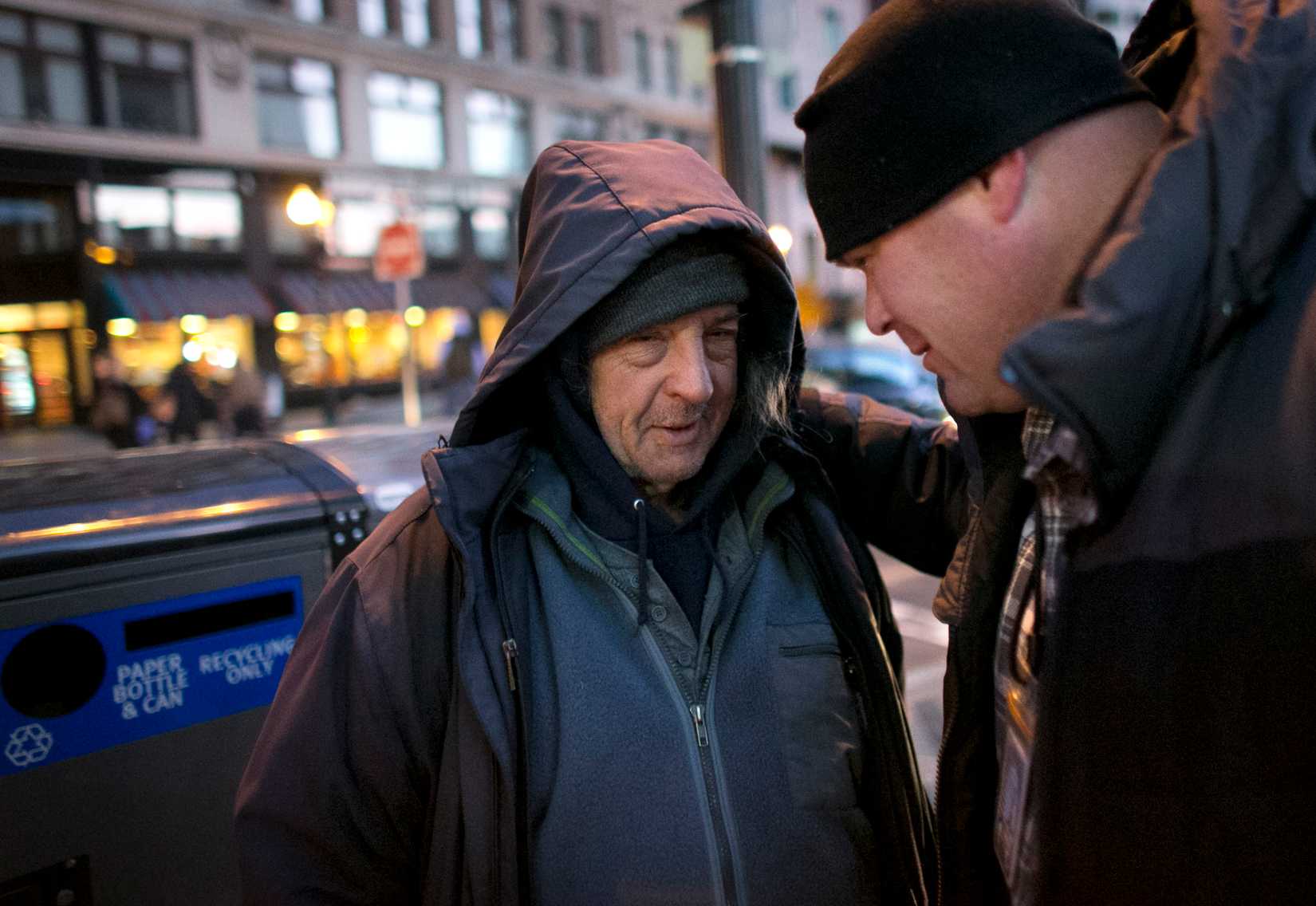
Security and utility deposits are generally limited to once every two years, although exceptions are possible. Moving help can include a truck rental, a moving company, or storage for up to three months.
The department cannot duplicate rent, shelter or utility assistance already paid for the same period by another federal program. The new authority may still be used after a veteran has exhausted assistance available through the Supportive Services for Veteran Families program.
Veterans receiving shelter aid may be required to work with the VA on a plan for future housing stability. Some may also be asked to share part of the cost.
How Veterans Can Request Help
The notice does not create a new public application or guarantee that every form of assistance will be immediately available at every medical center. The VA said it will issue more detailed guidance for medical centers covering local purchasing rules and restrictions.
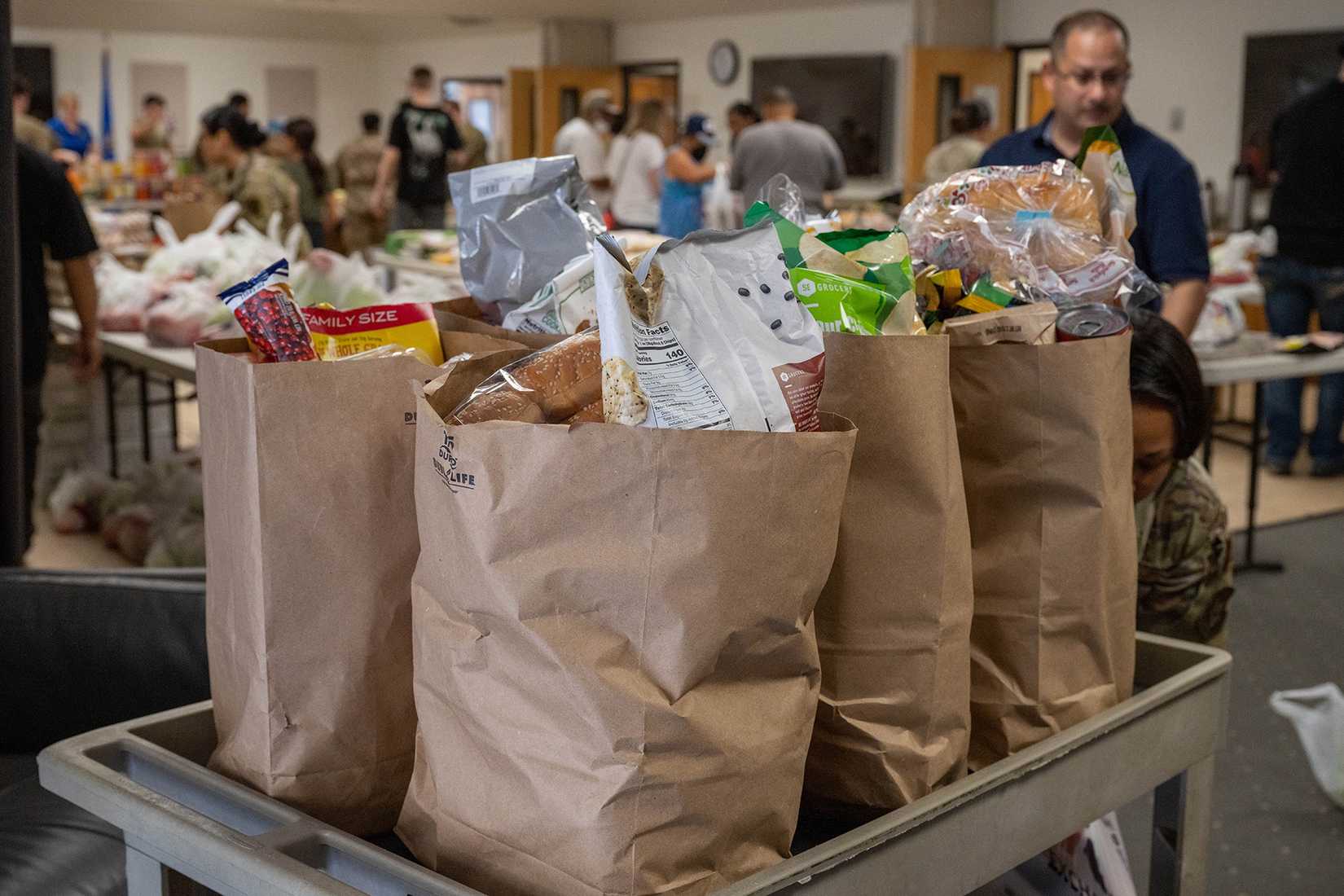
Veterans who are homeless or at imminent risk of homelessness can contact the National Call Center for Homeless Veterans at 877-424-3838. The free, confidential line operates 24 hours a day and can connect callers with the nearest VA medical center and homeless-program staff.
The VA used a similar flexible-assistance authority during the COVID-19 public health emergency. That program provided nearly 494,000 rides to more than 44,000 veterans before the authority ended in May 2023.
The new policy gives VA staff another way to respond when a missed rent payment, broken phone or lack of transportation threatens a veteran’s housing or access to care.
Read the full article here
