



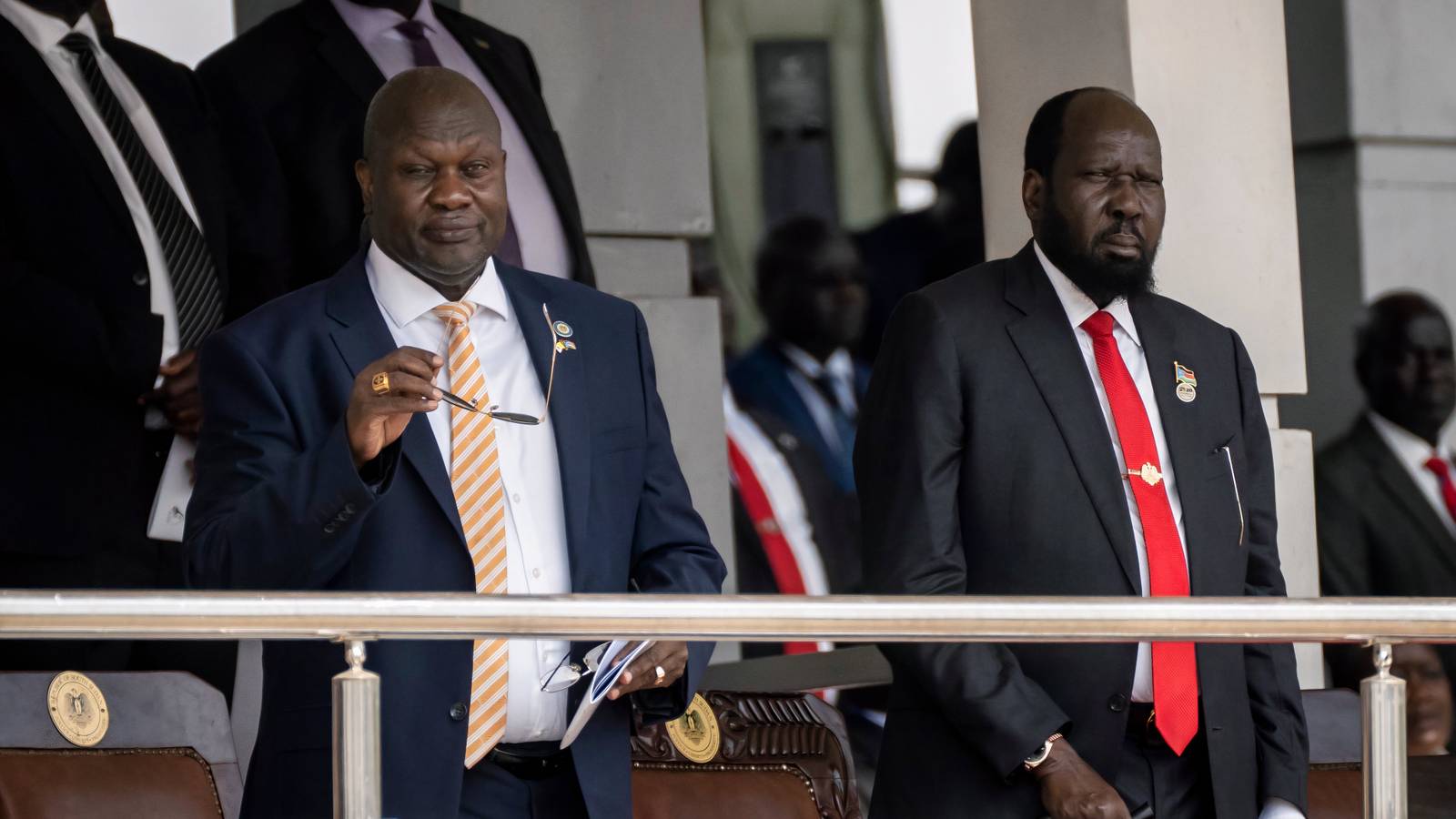

The U.S. is cracking down on South Sudanese officials accused of undermining a fragile peace deal, announcing visa restrictions on Tuesday over alleged ceasefire obstruction and corruption that Washington claims fueled conflict.
The move adds U.S. pressure on South Sudan’s political leadership at a volatile moment for the world’s youngest country, where a 2018 peace agreement that ended a five-year civil war remains only partly implemented. Long-delayed elections have been pushed to Dec. 22, 2026, and unresolved disputes over security forces, power-sharing, and President Salva Kiir’s unity government continue to fuel fears of renewed conflict.
The pressure campaign lands against a broader U.S. policy backdrop in South Sudan. The U.S. previously revoked visas for South Sudanese passport holders after a dispute over repatriations, part of a wider immigration fight tied to security concerns and deportations to the war-torn country.
“These individuals have undermined peace in South Sudan, including by impeding the ceasefire agreement and engaging in corruption that has fueled the conflict,” State Department spokesperson Tommy Pigott said in an announcement on Tuesday.
The State Department did not name the affected officials in the public announcement. Visa records are generally confidential under U.S. law, and the department often withholds names in visa restriction actions unless it separately designates individuals under other authorities.
Military.com reached out for further comment from the State Department, as well as the U.S. Embassy Juba, the Embassy of South Sudan in Washington, and South Sudan’s Ministry of Foreign Affairs and International Cooperation.
Fragile Peace Deal Teeters
South Sudan has been formally at peace since a 2018 agreement halted a civil war that began in 2013 after a power struggle between President Salva Kiir and First Vice President Riek Machar.
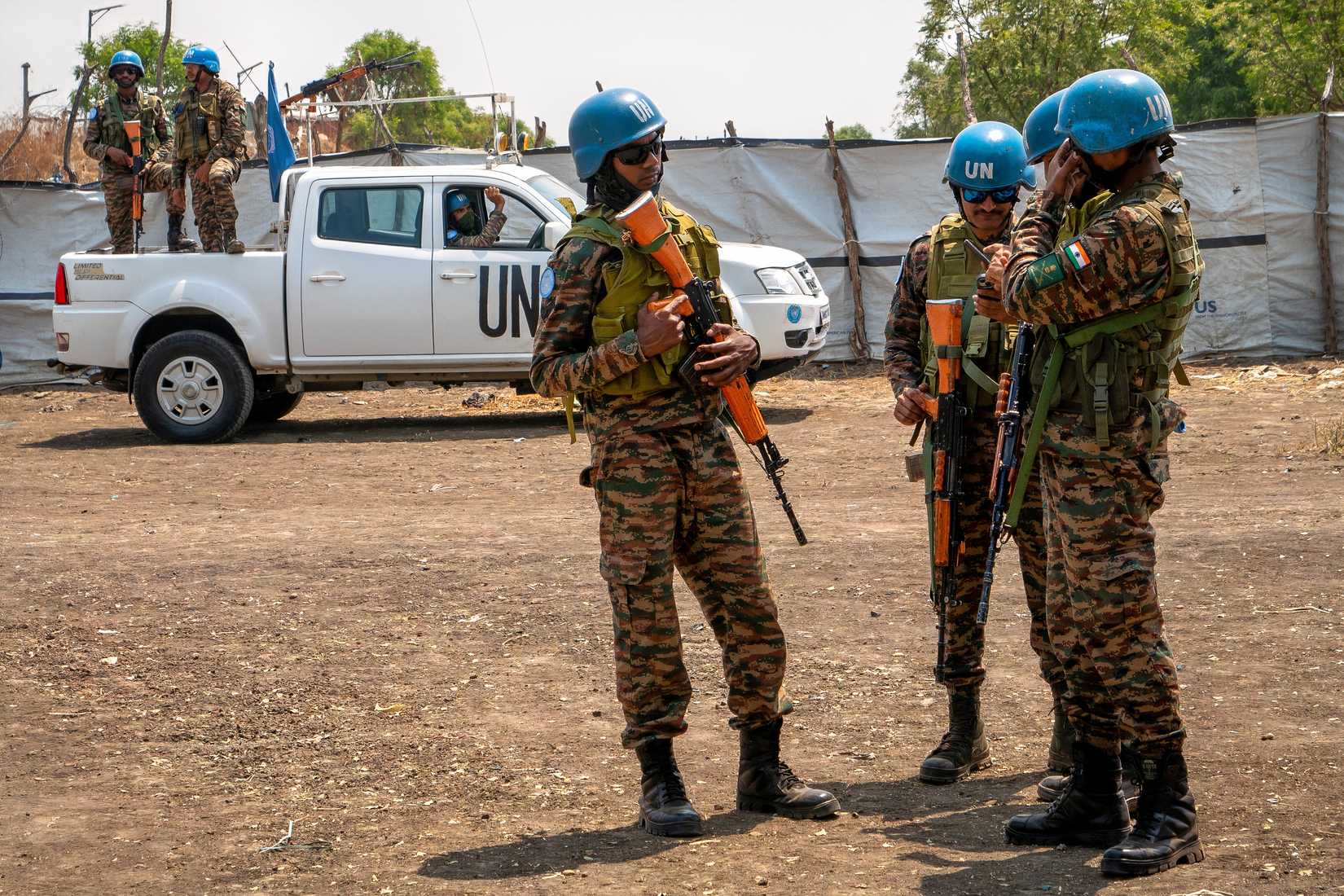
The deal produced a ceasefire and unity government, but the peace has remained fragile, with key parts of the agreement still unfinished and violence continuing across parts of the country.
The unfinished pieces go to the heart of whether South Sudan can move from a negotiated truce to a functioning post-war state. Security-sector reform, the unification of rival forces, election preparations and institutional changes remain stalled, according to CFR. South Sudan’s first national election since independence, originally set for December 2024, has been pushed to Dec. 22, 2026, after the presidency said the government needed more time to complete essential tasks before a vote.
The delay drew criticism from international peace guarantors, who said in September 2024 that postponing the vote showed the transitional government had failed to fully implement the 2018 peace plan. That scrutiny now hangs over Tuesday’s U.S. visa action, which directly accuses unnamed members of the transitional government of impeding the cease-fire and engaging in corruption that fueled the conflict.
The latest U.S. move also comes after another high-level shake-up in Juba. Kiir dismissed army chief Gen. Paul Nang and Finance Minister Salvatore Garang Mabiordit on May 7, according to Reuters, days after firing his foreign and trade ministers and senior security officials. Reuters reported that the dismissals were the latest in a series of frequent leadership changes under Kiir’s government, which analysts have viewed as an effort to consolidate power amid uncertainty over succession.
That makes the visa restrictions more than a symbolic diplomatic rebuke. They land as Washington, regional mediators and international observers are watching whether South Sudan’s transitional government can hold together long enough to carry out the peace agreement, prepare for elections and prevent old rivalries from pushing the country back toward wider conflict.
US Puts Juba on Notice
The visa restrictions are the latest U.S. attempt to pressure South Sudanese officials over the country’s stalled political transition, using access to the United States as leverage against figures Washington says are blocking peace.
The State Department said the targeted officials impeded the cease-fire and engaged in corruption tied to the conflict. The announcement did not specify how many people were affected, whether immediate family members were included or whether the individuals were notified privately.
The move also gives Washington a targeted penalty short of broader economic sanctions. Visa restrictions can block officials from traveling to the United States while signaling that the U.S. government believes those individuals are responsible for undermining peace, stability or democratic transition.
The State Department did not publicly name the officials. Visa records are generally confidential under U.S. law, and the department often withholds names in visa restriction actions unless it separately identifies individuals through sanctions or other public designations.
The action also follows broader Trump administration scrutiny of travel and visa rules affecting South Sudan and other countries, including demands that foreign governments address document security, deportation cooperation and other U.S. concerns to avoid tighter restrictions.
Delayed Vote Deepens Crisis
South Sudan’s long-delayed election has become one of the clearest signs that the country’s transition remains stuck.
Reuters reported in September 2024 that Kiir’s office extended the transitional period by two years and postponed the vote from December 2024 to Dec. 22, 2026, saying the government needed more time to complete essential tasks before holding elections.
The stakes are high because the vote would be South Sudan’s first national election since the country gained independence in 2011. It would also test whether the unity government built around Kiir and Machar—whose rival forces fought during the civil war—can move from a power-sharing deal to an elected government.
But the repeated delays have deepened concerns that the peace process is drifting instead of moving toward a political handoff. CFR said South Sudan continues to face political violence, instability, inter-communal attacks, and one of the world’s worst humanitarian crises, while slow implementation of the peace deal has kept pressure on the fragile unity government.
The State Department framed the visa restrictions as a direct response to officials it says are standing in the way of peace, security and stability in South Sudan.
“The United States will continue to promote accountability for those who threaten the peace, security, or stability of South Sudan,” the department said.
Read the full article here
