





A sad story came out of South Korea on Monday when a Vietnam War veteran with a paralyzing hoarding disorder died in an apartment fire in the city of Ulsan.
The veteran’s name has not yet been released to the public.
Apparently, neighbors tried to help him for years to clean and organize his home to no avail. Garbage kept piling up, blocking halls and entryways.
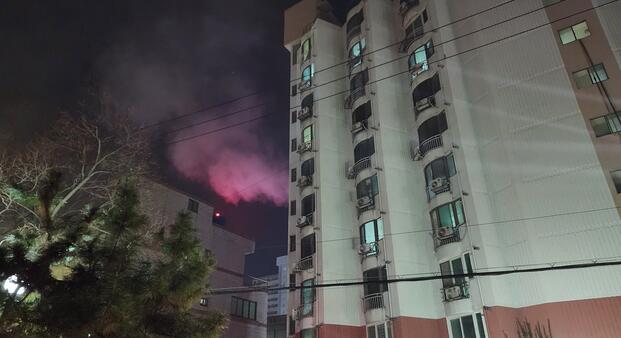
Based on reporting from Korea JoongAng Daily, the blaze began a few minutes before 7 p.m. on Sunday in a seventh-floor unit in the 10-floor complex located in Dal-dong, Nam District.
Firefighters responded to the fire quickly, but due to the excessive amount of garbage in the unit, they had a difficult time accessing the apartment. While working to extinguish the fire, which took almost 8 hours, firefighters had to remove piles of trash. When they attempted to open the veteran’s front door, they were met with a pile of garbage stacked higher than five feet. Fire investigators found that the inside of the unit could no longer serve as a living space.
The veteran, in his 70s, was lying unconscious and sprawled on top of a pile of trash. He was taken to a local hospital, where he died.
Neighbors Tried to Intervene
Not much is known about the veteran. He lived by himself in the apartment for almost two decades. As a Vietnam War veteran, he received a small stipend for veterans’ benefits, about $310 per month.
Neighbors noticed the man was addicted to hoarding for years, compiling heaps of trash, broken appliances, and clothes. When he left the apartment, the veteran would often go with plastic bags filled with garbage.
Concerned with safety and health, managers of the apartment complex attempted to clean out the veteran’s unit with a professional cleaning staff. New wallpaper and flooring were even installed. But while the apartment was transformed, it didn’t cure the resident’s addiction. Garbage slowly began piling up again.
When management requested that he clean the space, the veteran told them, “Do whatever the law allows.”
Practically staging an intervention, community organizers and district officials came to the man’s apartment, hoping to persuade him to clean up. He staunchly refused.
While the hoarding was affecting his mental and physical health, as the years passed, it also began to impact his neighbors. Foul smells began permeating outside of the unit, and pests were seen roaming around the apartment. But under district law, municipal governments lack the authorization to force residents to maintain a clean apartment.
There are districts in South Korea that have laws in place to oversee houses and apartments with hoarding issues, but Nan District is not one of them.
Complex Lacked Sprinklers
The apartment complex had an indoor fire hydrant on every floor but didn’t have ceiling sprinklers that activate when fire and smoke are detected. The Ulsan Fire Department, which responded to the blaze, said the complex was not legally mandated to install sprinklers.
Current fire safety laws in the district require 10-story apartments to have sprinklers. The complex where the veteran lived was approved for residents in 1996, when local laws only required sprinklers for buildings with 16 or more floors. In the past 20 years, the sprinkler mandate has grown through various legal revisions; the updated laws are not applied retroactively. Because of this, many buildings 30 years or older in the Nan District are void of sprinkler systems.
Based on numbers released in June from South Korea’s National Fire Agency, of nearly 10,000 apartment buildings in the nation, more than two decades old, 4,460 lack sprinkler systems.
Sadly, it could have saved this veteran’s life.
Story Continues
Read the full article here
