



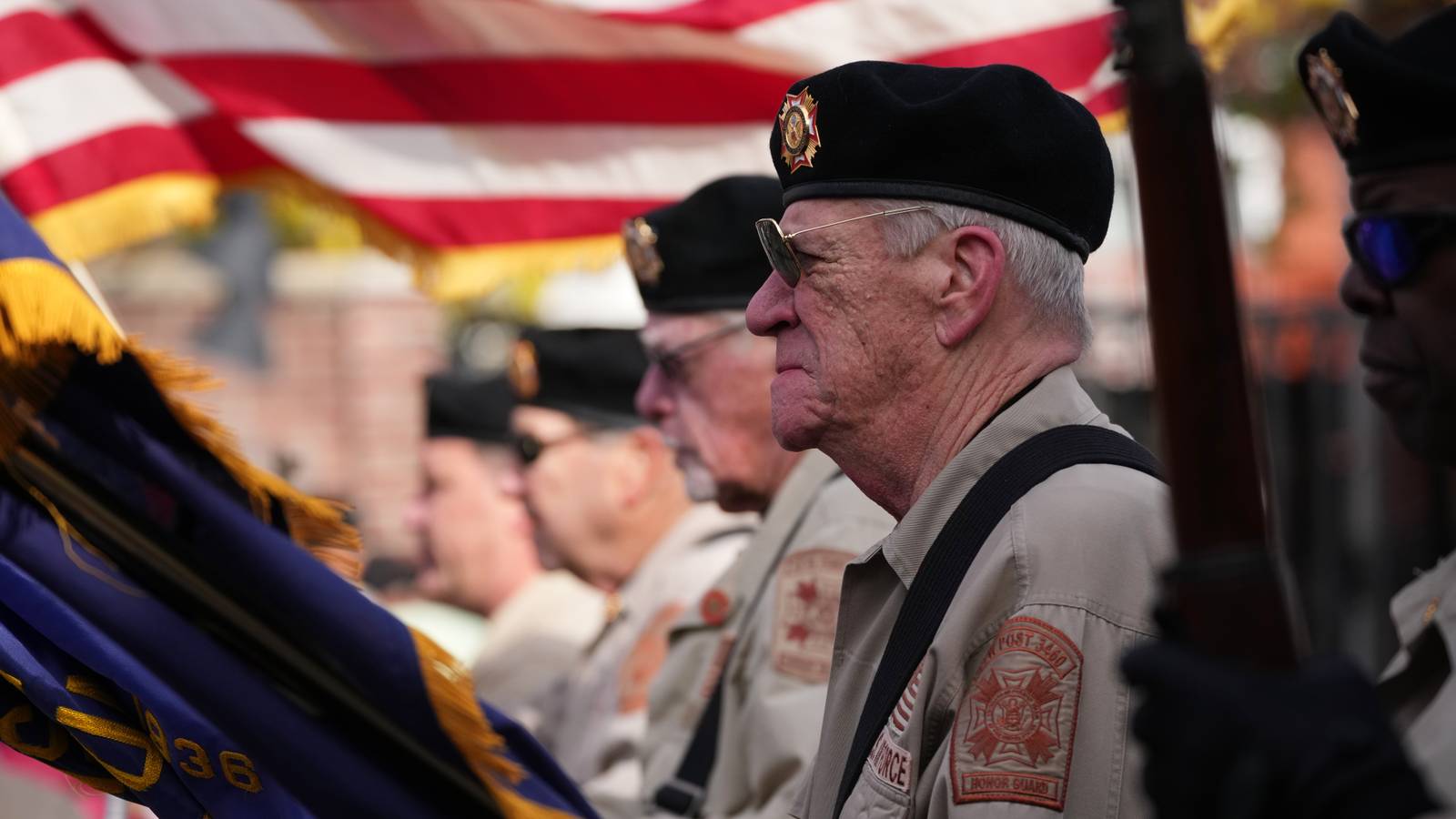

The Veterans of Foreign Wars (VFW) is defending its criticism of a top-ranking lawmaker as scrutiny continues against the elaborate legislative package making its way through Congress.
The VFW on Thursday defended its “political satire” against House Committee on Veterans’ Affairs Chair Mike Bost (R-Ill.), who on Wednesday accused the VFW of inciting political violence. Specifically, he pointed to apparel being sold online on websites like Grunt Style with the VFW moniker, showing the words “Honor the Contract.” In the image, four males—labeled as “bureaucrats” and “media—are holding firearms aimed at two military service members.
Beside that image includes three phrases: “Punishing Service,” “Removing Benefits,” and “Waste and Fraud.”
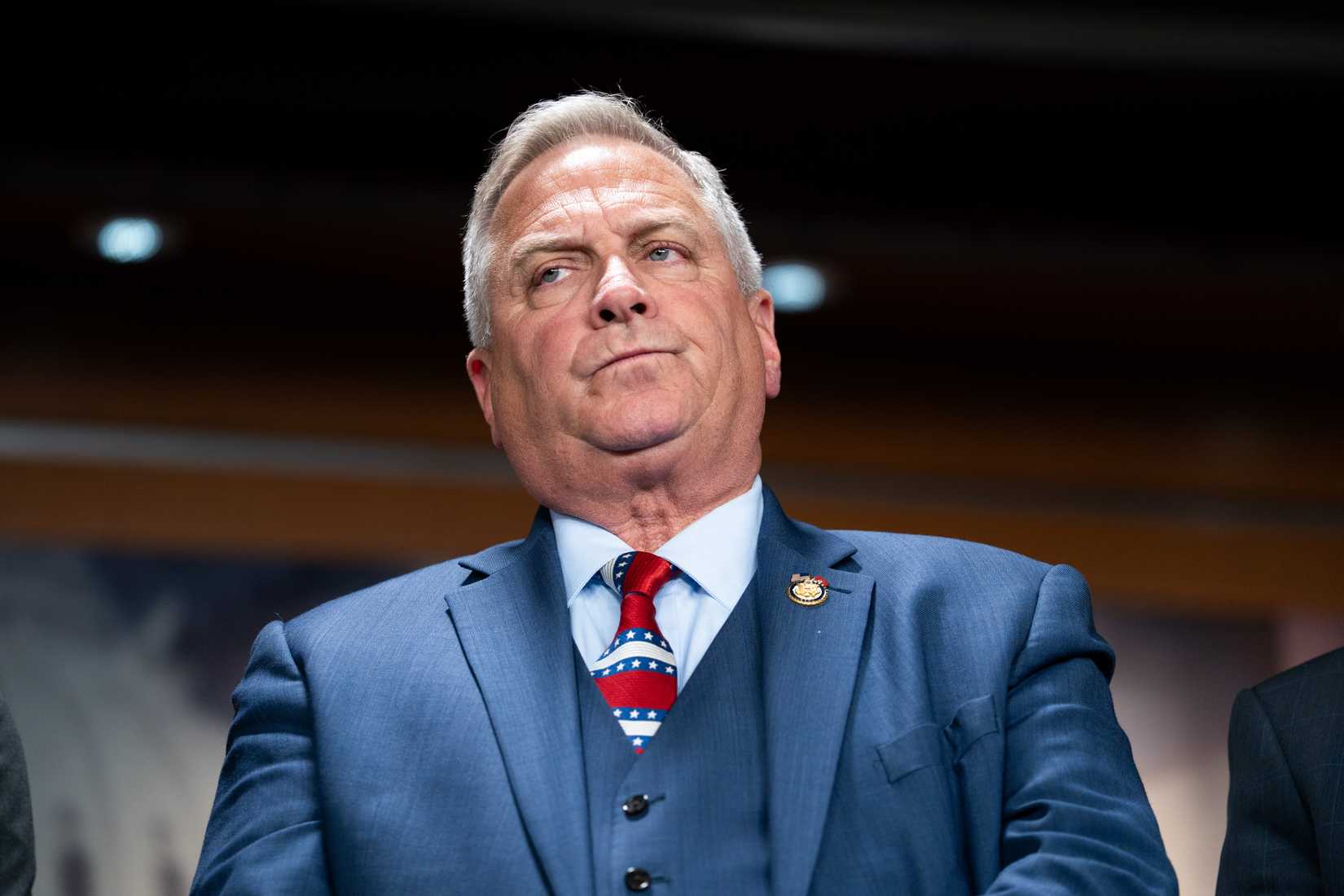
Bost issued a statement Wednesday condemning the language on the T-shirt, saying that any suggestions that the VA’s dedicated workforce, the media, or anyone else “are actively shooting and punishing service members and veterans is unacceptable and creates a dangerous, politically charged environment that can put lives at risk.”
“The recent inflammatory, fearmongering, and dangerous political rhetoric from the Veterans of Foreign Wars is inappropriate and must end immediately,” Bost said. “As a congressionally chartered organization, the VFW has a responsibility to uphold the honorable prestige that has been granted to them by Congress.
“That distinction carries with it a responsibility to promote patriotism, civic responsibility, and respectful public discourse while advocating on behalf of veterans.”
The VFW responded Thursday, saying that the firing squad illustration reintroduced in the fall of 2025 “has become a recognizable symbol of the VFW’s ongoing Honor The Contract campaign” and that it is “political satire” correlated with proposed cuts to veterans’ earned disability benefits.
“For more than 125 years, the VFW has been a fearless advocate for veterans, speaking plainly when elected officials propose policies that threaten the benefits generations of service members have earned through sacrifice,” VFW National Commander Carol Whitmore said Thursday in a statement. “Our opposition to Section 108 reflects that longstanding commitment. Veterans’ benefits are not funding sources or bargaining chips for Congress while they scrounge to score political points.”
Origin of Conflict is Section 108
The rhetoric between the congressman and veterans organization emanates out of House and Senate lawmakers’ push to enact the Take Care of America’s Veterans Act (TCAVA), legislation that includes more than 60 veterans’ bills including the Major Richard Star Act, the Love Lives On Act, caregiver reforms, VA modernization initiatives and combat-injured veteran expansions.
Different sectors of individuals and organizations, from veterans’ groups to veterans themselves, have called for certain sections to be amended or stripped due to purported negative ramifications pertaining to financial benefits and health concerns, such as impacts on military service members with conditions including tinnitus and sleep apnea.
The alleged ill effects on those with tinnitus and sleep apnea are part of Section 108, introduced by Sen. Jerry Moran (R-Kan.), which has caused the VFW’s major gripe.
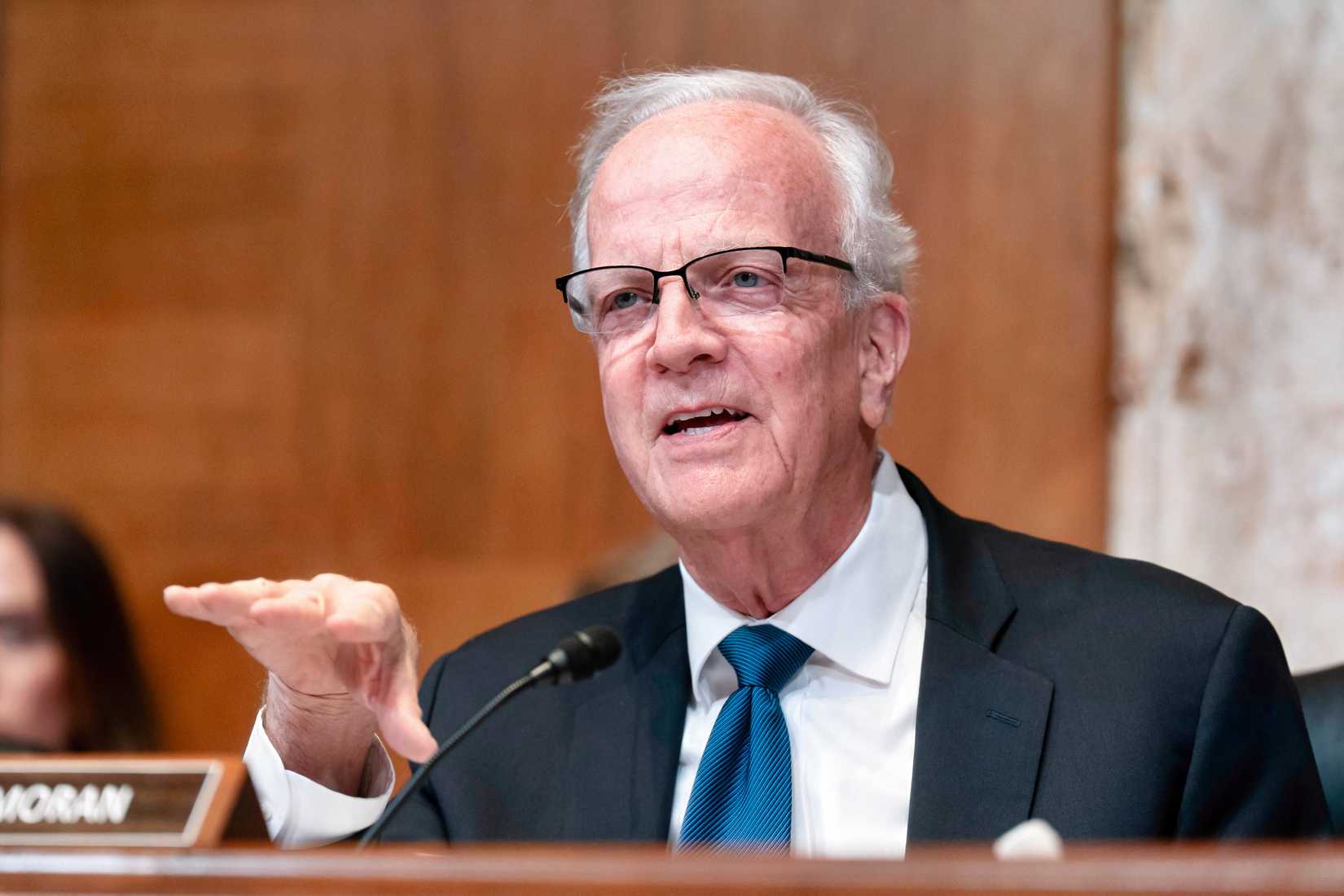
The VFW said last month that changing how certain disabilities like tinnitus and sleep apnea are evaluated and compensated, putting Congress into an oversight position, legislatively goes backward and ignores how “for decades, disability ratings have been based on medical evidence and the real-world impact of a service-connected condition on a veteran’s life.”
The VFW also opposes using projected reductions in Title 38 disability compensation to finance separate Title 10 military retirement obligations. The organization continues to support passage of a clean and complete Major Richard Star Act, but believes Congress should fulfill that obligation without reducing earned disability benefits for current or future veterans.
Moran spoke exclusively with Military.com, saying there are misconceptions being spread about the legislation—notably that the legislation would reduce benefits for veterans already receiving compensation. The Department of Veterans Affairs (VA) had already announced plans to update the disability rating criteria for both conditions before Congress drafted the bill, Moran added.
“It takes no benefit away from anyone who is receiving those benefits,” Moran said, adding that his goal is to pass the bill while not engaging in the politics surrounding it.
VFW Defends First Amendment Rights
While the VFW says it supports many of the bill’s underlying goals, its strong opposition to Section 108—along with that of 47 Democratic U.S. senators—may ultimately stand in the way of the entire package as written passing Congress.
The VFW said that reducing future veterans’ disability compensation to pay for other veterans’ programs is wrong because “disability compensation is not a government spending program to be trimmed when convenient.”
The organization also said the apparel’s imagery that drew a strong rebuke from Bost “is not a depiction of violence” but rather “a symbolic representation of the consequences veterans face when Congress targets the benefits they earned through their service.”
“It is also protected First Amendment speech,” the VFW said. “Political cartoons, symbolism, satire, and hyperbole have been part of American public discourse since the founding of our Nation. They remain among the most recognized forms of protected political expression because they communicate ideas through symbolism rather than literal depiction.
“Americans are free to disagree with the VFW’s message, but disagreement with protected political expression does not transform satire into violence.”
They also quoted Bost himself, in remarks he made Oct. 13, 2021, during a committee hearing on violent extremism: “Free speech is foundational to democracy and the American way of life. That’s why service members and veterans have fought and died for it for 245 years. Free speech must be protected. I will oppose any effort to restrict it. It is every veteran’s right to have an opinion—even one I find radical.”
UPDATED 4:04 p.m. ET, 7/2/26: This story was updated with additional information.
Read the full article here
