



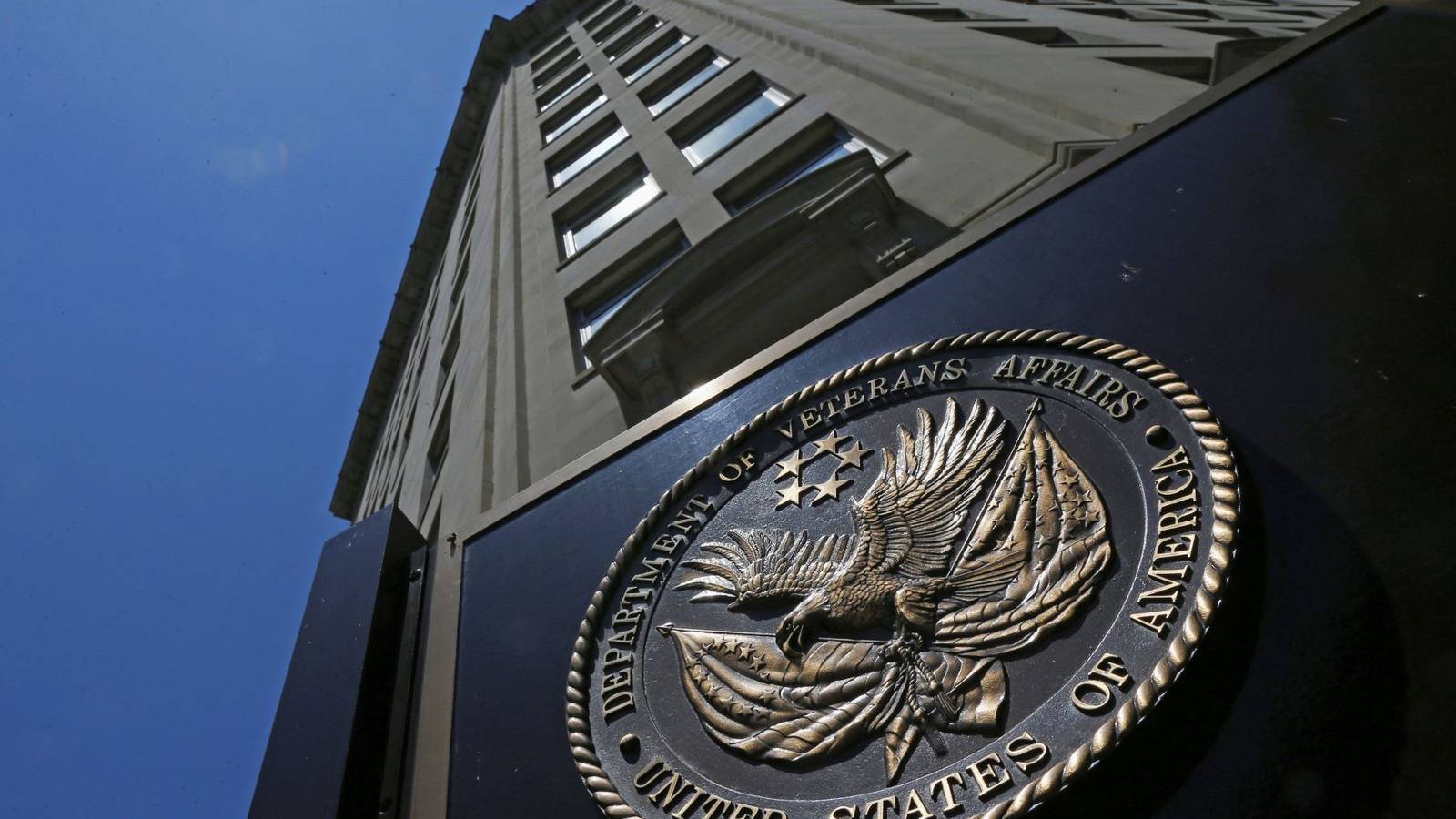

The Department of Veterans Affairs (VA) has issued a warning about scam postcards targeting veterans across the United States.
The VA wrote in a memo that they were aware that scammers had sent postcards to veterans claiming they are entitled to VA benefits or extra payments over the last year, but that these postcards were fraudulent and not affiliated with the VA. It heeds previous caution expressed towards scams targeting veterans.
Scammers on these postcards are urging veterans to contact them urgently. Once accomplished, they reportedly praise their military service to gain trust before attempting to obtain personal information including bank account details or other sensitive information.
The VA advises veterans not to hand over any personal information to those they don’t completely trust, notably as millions of veterans will soon receive something through the mail.
Between August 13 to September 11, the VA will mail official “Choose VA” postcards to around 3.8 million veterans who are not enrolled in VA health care. The agency said that this was legitimate and designed to help veterans learn about their healthcare eligibility. Unlike other postcards, it is not linked to scammers.
The Rise of Scams
Scams targeting veterans are unfortunately not new.
Kevin Lilley, a senior digital content manager at military advocacy group the Military Officers Association of America (MOAA), said last week that military members, veterans and military families reported losing $684 million to fraud in 2025. He cited Federal Trade Commission (FTC) data.
“The military community is at higher risk of fraud of all types,” Lilley said.
According to a 2025 survey by AARP Research, 39% of veterans had been solicited by someone claiming to represent the VA or another government agency. Another 28% believed their veteran status made them a target.
More than a quarter said they had lost money to fraud, with most losing over $500.
AARP also found veterans are more likely than non-veterans to receive repeated robocalls, phishing attempts, and fraudulent “benefit assistance” offers that exploit their service background and access to federal programs.
Advice for Veterans
In a memo posted by the FTC last month, the agency similarly warned veterans against those posing as VA staff from seizing veterans’ money and data. They provided them with go-to red flags to ascertain real VA staffers from scammers.
The VA has also offered advice for veterans to ensure they are not entangled in scams. One memo says that the “VA only uses official channels” like its website and registered phone numbers—differentiating its communications from those outside the agency.
“If you ever suspect fraud or are unsure about a communication you’ve received, VA encourages Veterans and survivors to report concerns through VSAFE, an official resource dedicated to helping protect Veterans from scams,” the VA says.
The VA launched the VSAFE program with eight federal partners in August 2024. It comes with a companion hotline at 1-833-38V-SAFE.
Veterans can also file a report at reportfraud.ftc.gov, or can report the fraud to the FBI’s Internet Crime Complaint Center at ic3.gov.
Read the full article here
