



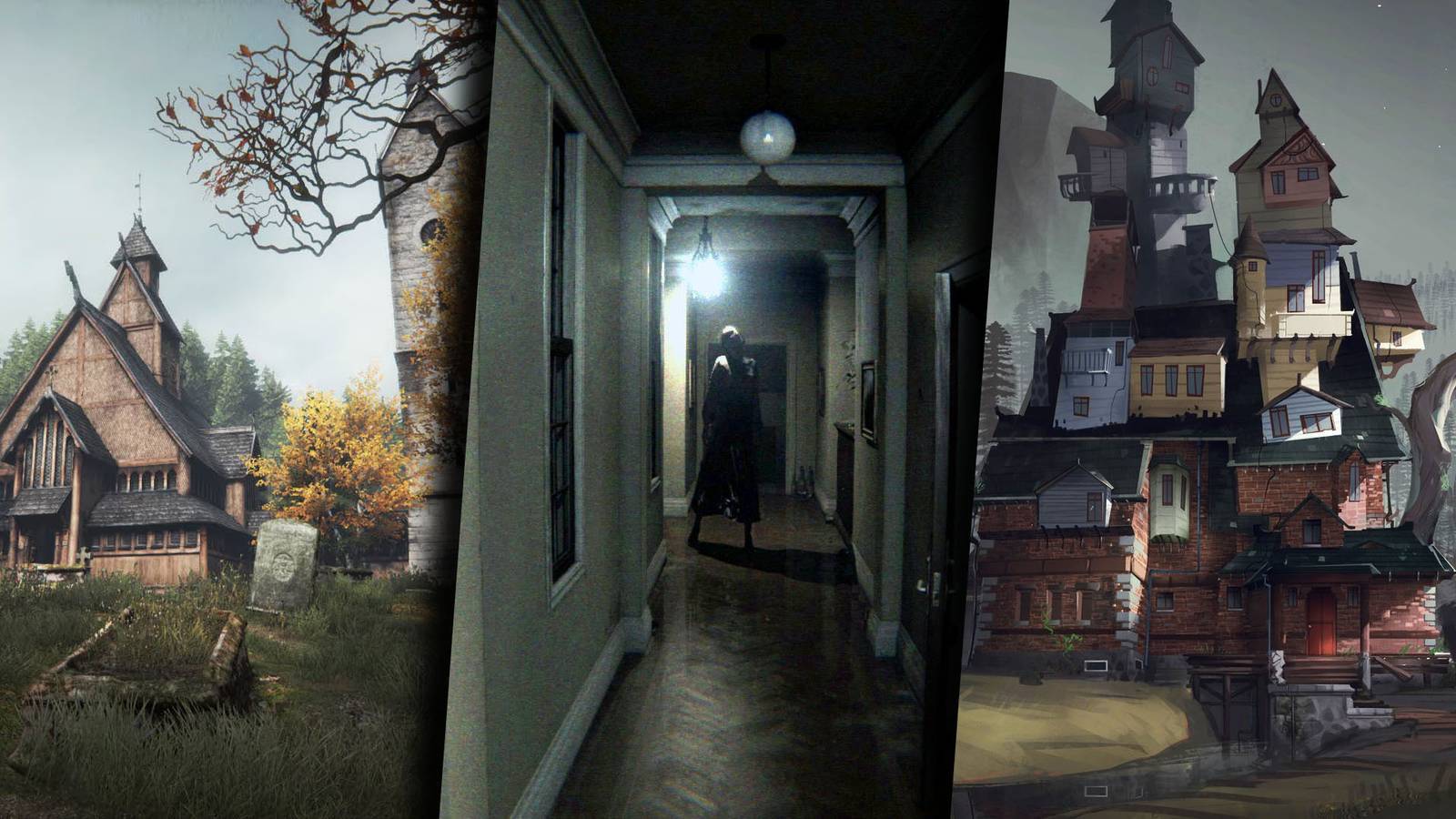

The first-person perspective in video games is often used to make a game more immersive. After all, it mimics the view you would have if you were in your avatar’s shoes, rather than moving them around with a controller. While it’s most commonly used for first-person shooters, this perspective has a lot more to offer.
Take these next games. They’re undoubtedly first-person games, but they don’t feature any combat to worry about. Instead, they’re all about exploration. What they do with that exploration varies, but it’s typically used to tell a deeper, more affecting story than would be possible if guns kept getting in the way. These games stand as some of the best first-person exploration games of all time, largely because they tell a story so gripping that you’re compelled to keep exploring to uncover more details.
The Stanley Parable: Ultra Deluxe
Break Boundaries In An Office
Both the original game and this sequel deserve a spot, but The Stanley Parable: Ultra Deluxe earns the nod for expanding the scope of the exploration and setting. You aren’t just traveling through an abandoned office, but it also introduces wild dimensions and concepts. Exploration extends to time, code, and the Narrator’s sanity, and the player’s decisions often lead to unpredictable fallout and unforgettable endings.
This is a cliché nowadays: The Stanley Parable games are pure subversion. Their brilliance comes not from exploring the physical office space, but from their investigation of game design and player agency. The sequel is self-referential without becoming self-parody, and it’s one of the most captivating experiences in gaming history.
Return of the Obra Dinn
Explore The Present To Reveal The Past
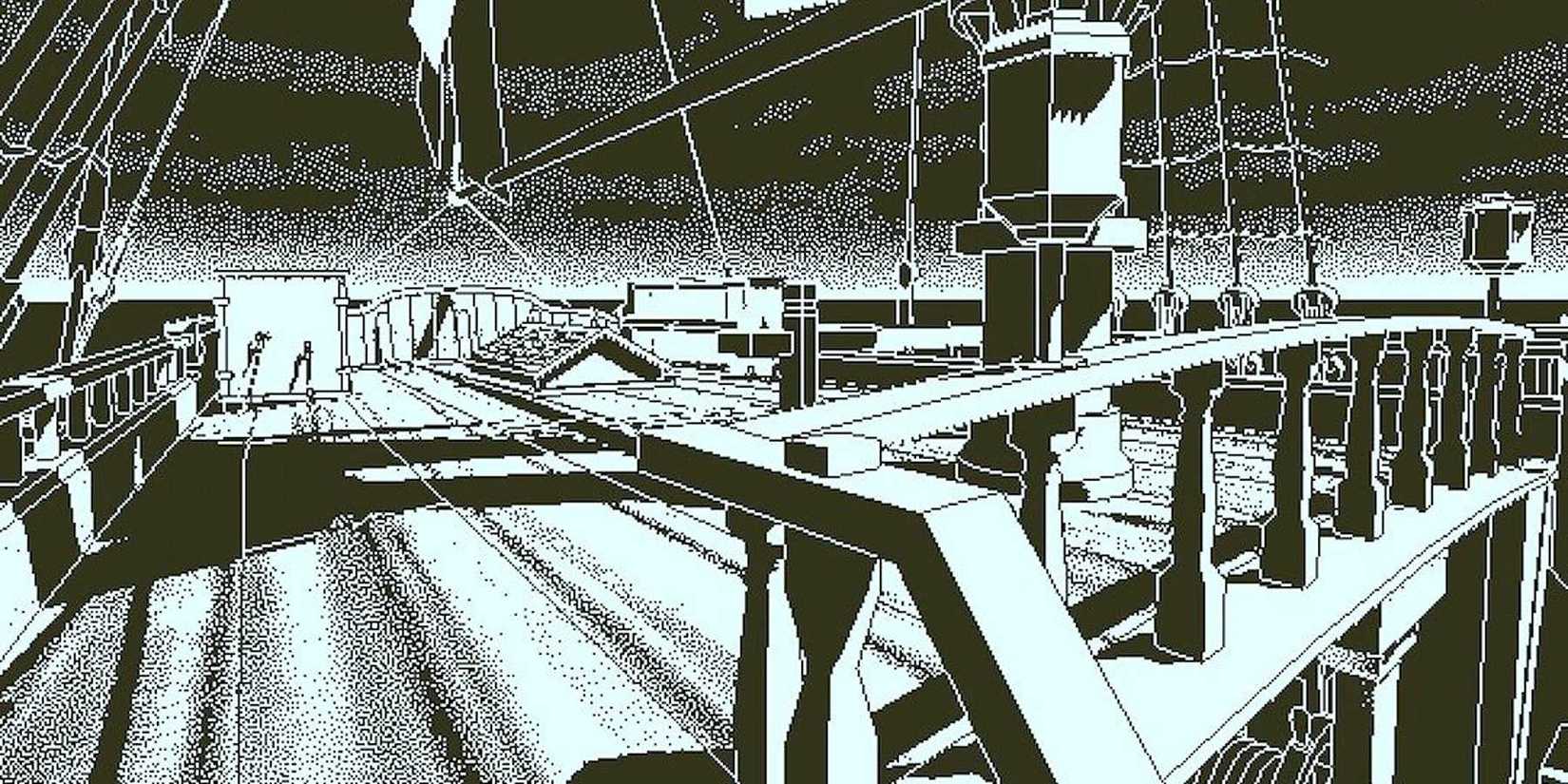
With an eye-catching visual style and a brilliant isolated setting, Return of the Obra Dinn is unlike any other first-person exploration game on the market. Set on a ship that reappears after a 5-year vanishing act, an insurance inspector arrives to determine what happened to everyone on board. They (and the players) use a ledger detailing the ship and crew, along with a magical stopwatch, to carry out their investigation, and they are left to their own devices to some extent.
Return of the Obra Dinn is essentially one big puzzle that turns a pretty small location into a collection of stories and secrets. The stopwatch gives you a glimpse into a corpse’s final moments, allowing you to pick up clues to determine that person’s identity and cause of death. While you have to inspect every centimeter of the ship, Return of the Obra Dinn is really about exploring information rather than a space.
Gone Home
Uncovering Secrets In Your Childhood Home
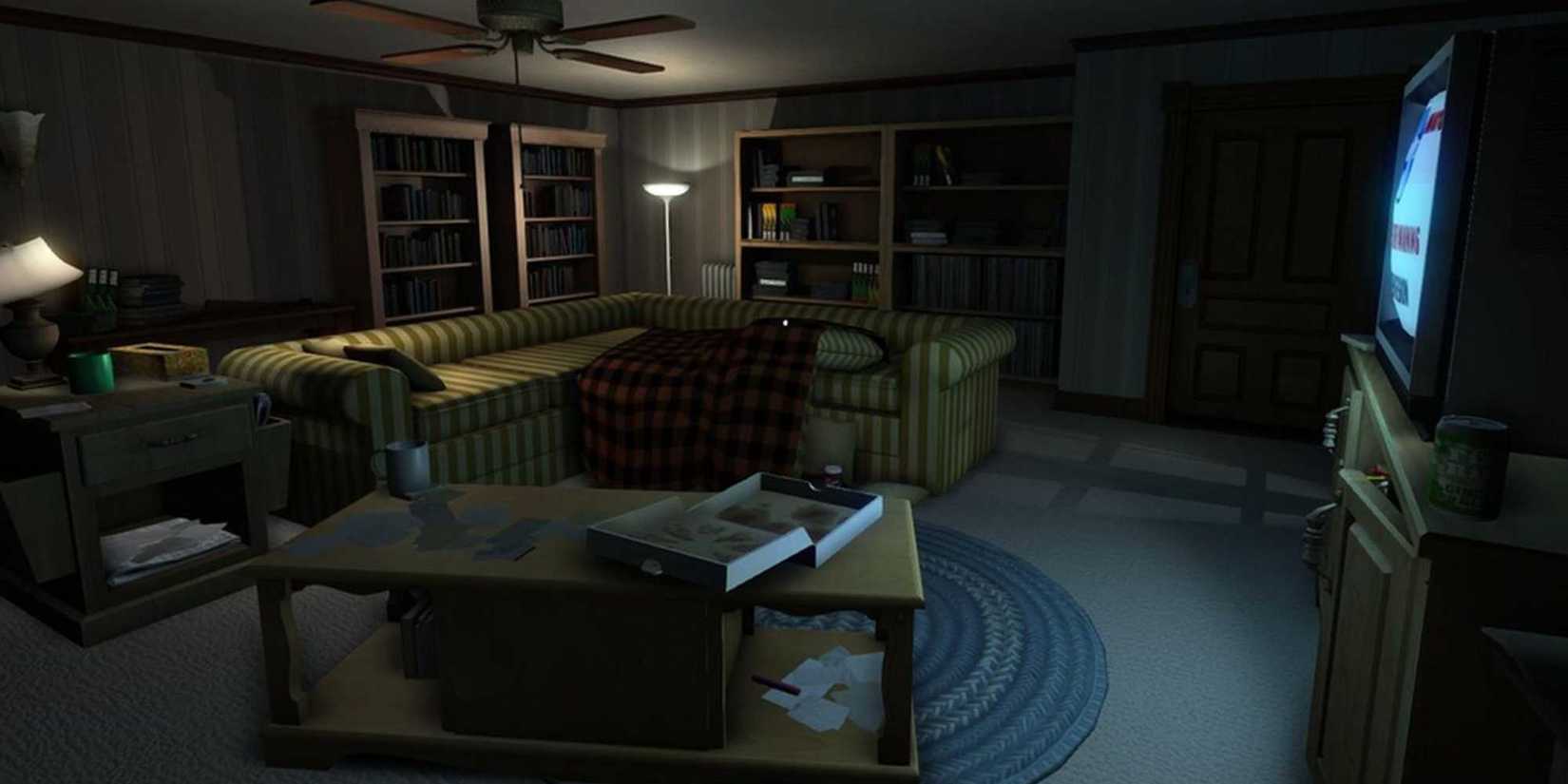
Set in the 1980s, Gone Home follows a young woman who returns home from overseas to find that her family is absent, with only a letter left behind to go on. Are they missing? Not necessarily. There’s no supernatural danger or nefarious mystery to uncover here. However, she still needs to figure out where her family went, even though the letter implores her not to investigate their absence.
In that vein, you piece together the events leading up to her family’s departure by exploring the house she grew up in. You can tackle that exploration in any order you see fit, as the entire game is meant to be a non-linear experience. You’re really just here for the story, and what a story it is, filled with impressive character depth about a group of people you’ll never actually meet.
The Vanishing Of Ethan Carter
Use Supernatural Abilities To Solve The Carter Family’s Murders

If supernatural stuff is more your speed, then The Vanishing of Ethan Carter is the way to go. This game is similarly designed to allow for non-linear progression, but in this case, you’ll be investigating a series of murders in small-town Wisconsin. Contacted by a 12-year-old boy named Ethan Carter, Paul Prospero travels to Red Creek Valley to investigate a series of paranormal events. After he arrives, Paul discovers that Ethan has gone missing and the rest of the Carters have been killed.
To solve the various murders throughout the area, you’ll use a blend of investigative puzzle-solving and stealth, switching between them depending on what the situation calls for. Much like Gone Home, the story — and the mystery at its core — are the main drivers here. However, there is more gameplay involved as you piece together the events that led to each death.
What Remains Of Edith Finch
Discover The Truth Behind A Family Curse
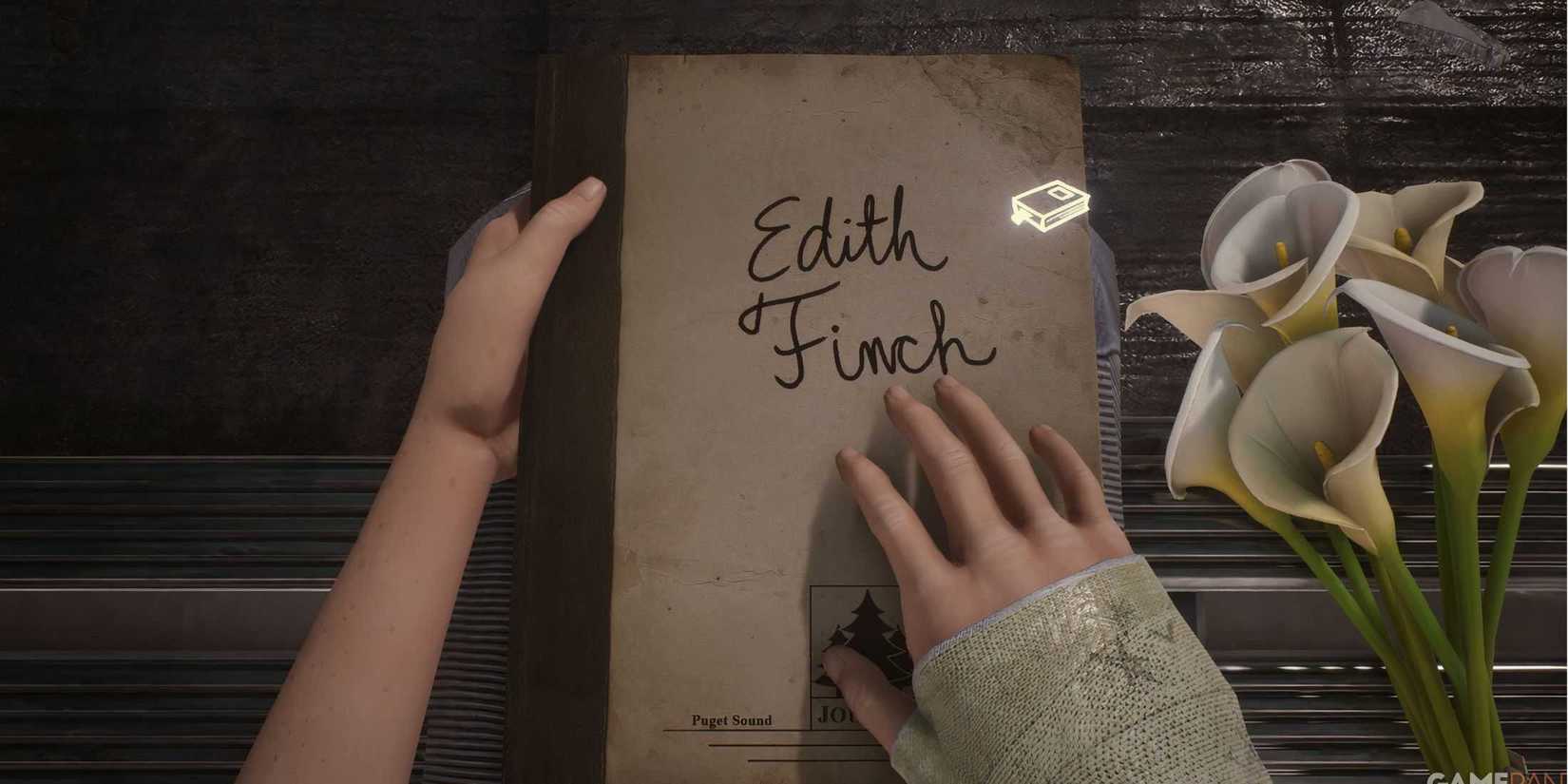
What Remains of Edith Finch is a more linear experience, instead guiding you through narration and narrative vignettes from one story beat to the next. While there are still investigative elements to engage with, you’re unlikely to miss anything as you progress, which will be a selling point for some and a knock against it for others.
The reason it ranks higher here than the previous games is that, while all three have narratives that stand on par with each other, What Remains of Edith Finch reaches a much more expansive level. It deals with the Finch family, as Edith records in her journal, which has consistently succumbed to what she believes is a family curse. As you progress while playing as Edith, you’ll learn about each family member’s demise, dating back nearly a century and progressing to the present day. It’s a deeply tragic and affecting story, with plenty of uncertainty to sink your teeth into even after the credits roll.
Read the full article on GameRant
This article originally appeared on GameRant and is republished here with permission.
Read the full article here
