



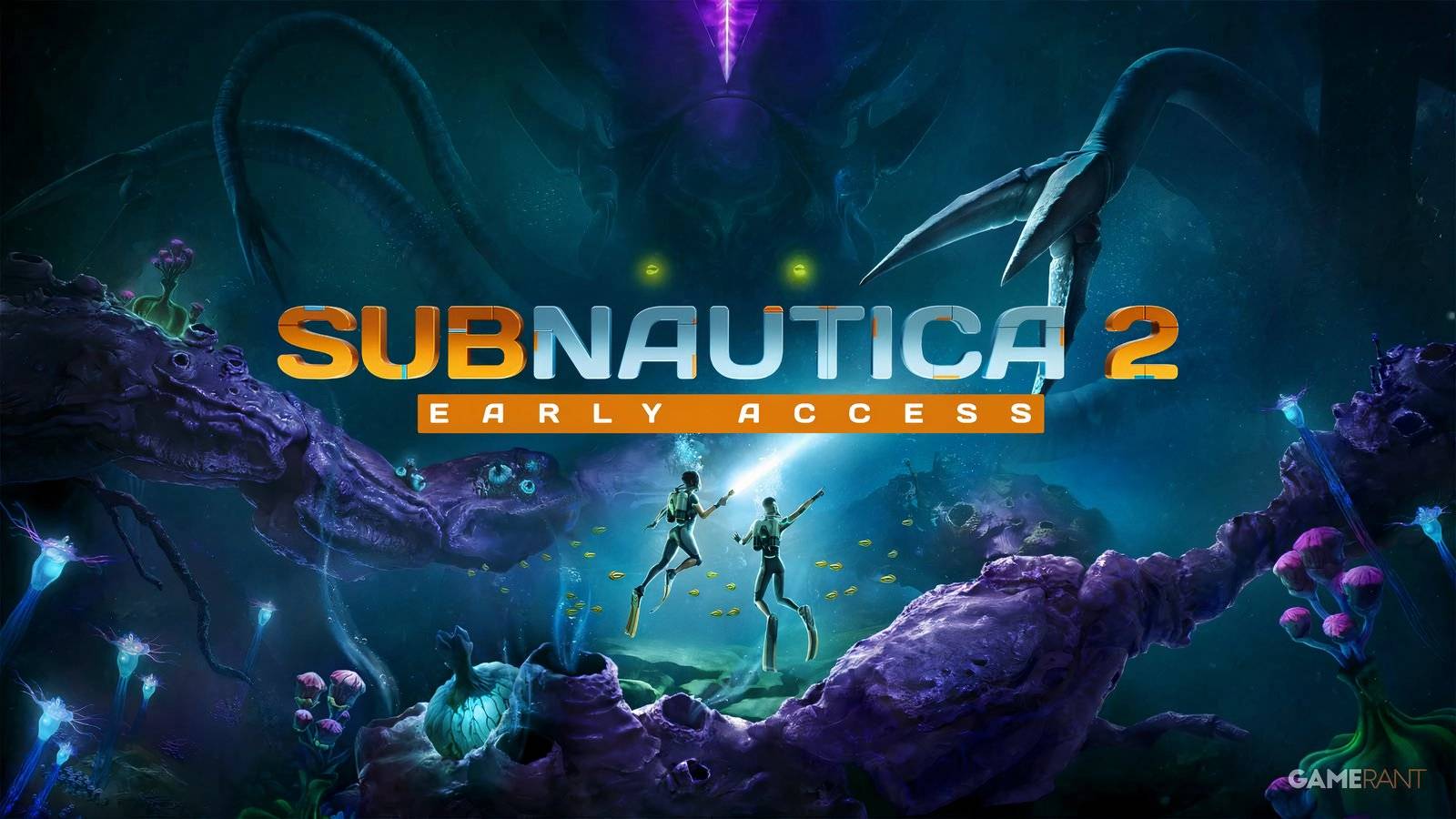

Few studios have built their reputation on community trust the way Unknown Worlds, the developer of Subnautica 2, has. Since Natural Selection 2, the developer has treated early access as a foundational part of how its games are made — a collaborative process between the people building the game and the people playing it. With Subnautica 2 preparing to enter early access on Xbox and PC on May 14, that philosophy is being put to its biggest test yet, with a much larger player base, a more complex game, and a sequel legacy to honor.
GameRant spoke with Subnautica 2 Design Lead Anthony Gallegos and Creative Media Producer Scott MacDonald about how Unknown Worlds is approaching this moment. They broke down exactly what they’re watching for and how everything from community suggestions to narrative rollout will be shaped by what players say once Subnautica 2 drops in early access later this month.
Unknown Worlds Has a War Room Ready to Handle Early Access
Naturally, the launch of Subnautica 2 into early access isn’t something Unknown Worlds is approaching casually, especially after a delay and a series of complicated legal issues with publisher Krafton. According to Gallegos, the studio has a structured system already in place to process the wave of community feedback that’s coming — a dedicated “war room” designed to take the noise of thousands of simultaneous voices and turn it into something actionable. In practice, that means people like Scott MacDonald are at the center of it. Gallegos described his own role in the process with self-deprecating clarity:
“I’m like the poor man’s version of the President of the United States, who gets an Intel report every day that’s delivered by really smart people. Scott is on the ground with those people who are trying to gather all the sentiment and all the data and interpret it and provide something that we could take as actionable. So I have the easy part, figuring out the decisions that we should make. Scott has the hard part of interpreting about a million voices and figuring out what it actually means.”
Those million voices don’t live in just one place, though. MacDonald outlined the spread of platforms the team is actively monitoring — Reddit, Discord, and subnautica2.nolt.io, the studio’s own community-facing idea board where players can submit and upvote suggestions in something akin to a public backlog. The goal during early access, he explained, is to track volume: not just what players are asking for, but how loudly and how consistently they’re asking for it, and according to Macdonald, right now, one request is already standing out:
“Currently, the biggest one that we’re seeing is proximity chat as the big thing that people have been asking for. Whether or not that actually works out, I don’t know. But the volume level is high on that particular feature right now.”
It’s clear to see that Unknown Worlds has dealt with this sort of thing before — twice, across Subnautica and Subnautica: Below Zero — and the experience has given the studio a well-worn map of what early access looks like in its earliest, most chaotic days. MacDonald noted that the team now knows exactly what to prioritize and when: hot fixes come first, then feature requests, with producers and creatives pulled in based on what the data is showing. The team already knows which fires need water immediately and which can simmer.
Really Listening to Players Doesn’t Always Mean Doing What They Say
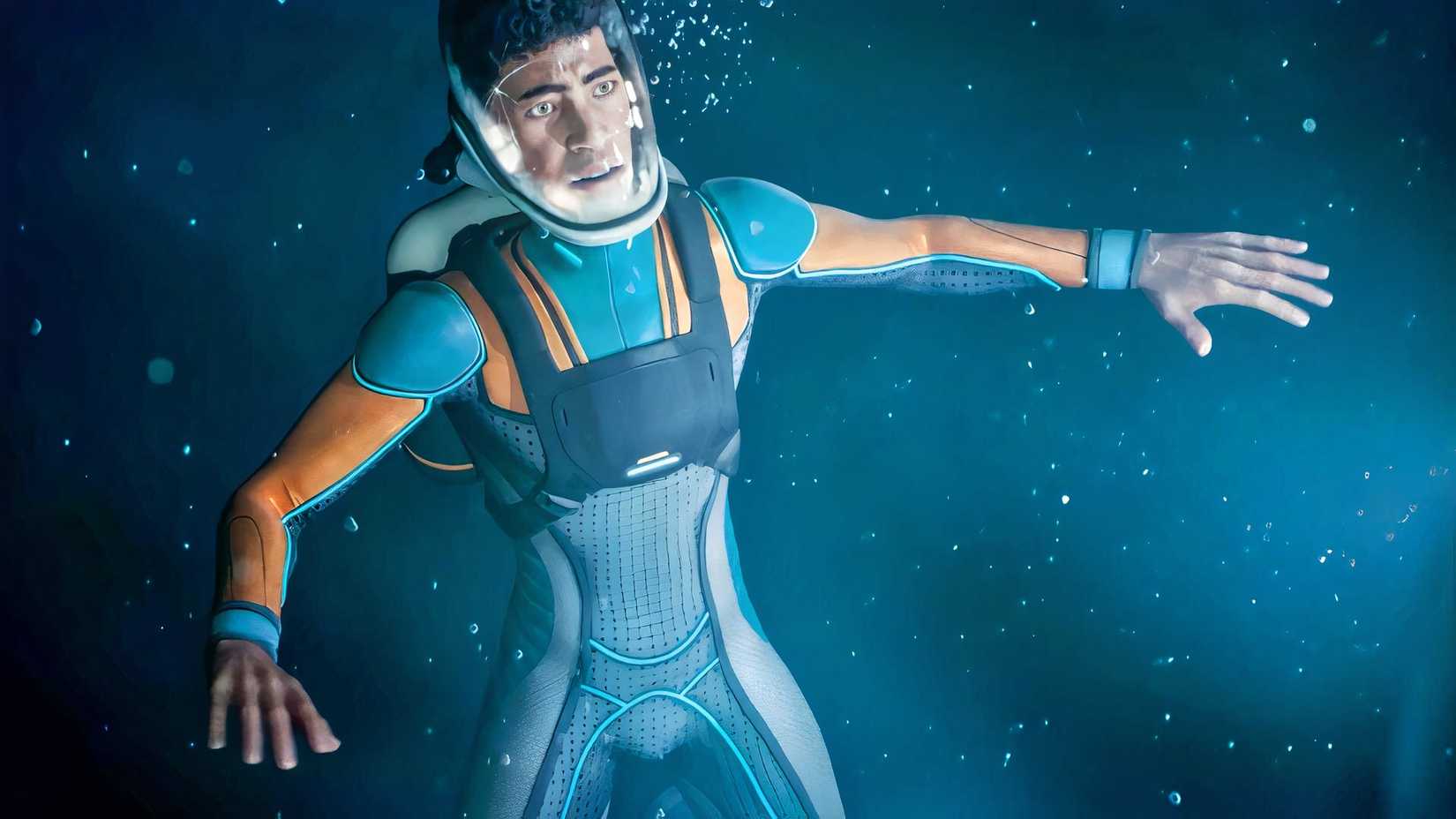
Unknown Worlds’ reputation for community-driven development is well-earned, but Gallegos was quick to clarify what that actually looks like in practice —because it isn’t, and has never been, about design by committee. It’s a tough distinction to define, and Gallegos and the studio at large have thought carefully about where the line is.
“We see times when the community is asking for like eight different things, or they say they want one thing, but they don’t necessarily. An example — ‘We think copper is too hard to find.’ So just add more copper everywhere… That is a solution, but sometimes the solutions they’re providing could then have knock-on effects that would make the overall experience worse. So, for us, it’s about taking the feedback that they give, figuring out the need, and then figuring out what a real solution for that would be.”
The process, as Gallegos described it, is less about fulfilling requests and more about diagnosing them. A player complaint is a symptom; the team’s job is to find the cause. And equally important is communicating why a given solution looks the way it does, as building that kind of transparency makes players feel genuinely heard even when their specific suggestion wasn’t adopted.
MacDonald brought a pair of examples from the original Subnautica that illustrate how this plays out on both sides of the coin. The first is a success story: players kept gravitating toward the Aurora ship wreck before it was fully realized, pushing into radiation zones to explore it despite the danger. Rather than fighting the behavior, the team leaned into it.
“We tried to stop people from doing that by putting radiation in there. That just encouraged them to find out a way… So in the end, we were like, okay, fine, we’ll make a ship for you to explore. And it was really well received. We also put in the radiation suits that people could craft. So one suggestion leads on to other things that we put in the game that are also useful for other areas.”
The second example is a cautionary tale. Players had been enthusiastically requesting a water pressure system — the kind that would give you the bends the deeper you dived. It sounded like the kind of realism that would deepen immersion, and Unknown Worlds actually tried it. MacDonald’s summary was brief and unambiguous: “It wasn’t very fun.” They pulled it back out, and the game was better for it.
Read the full article on GameRant
This article originally appeared on GameRant and is republished here with permission.
Read the full article here
