



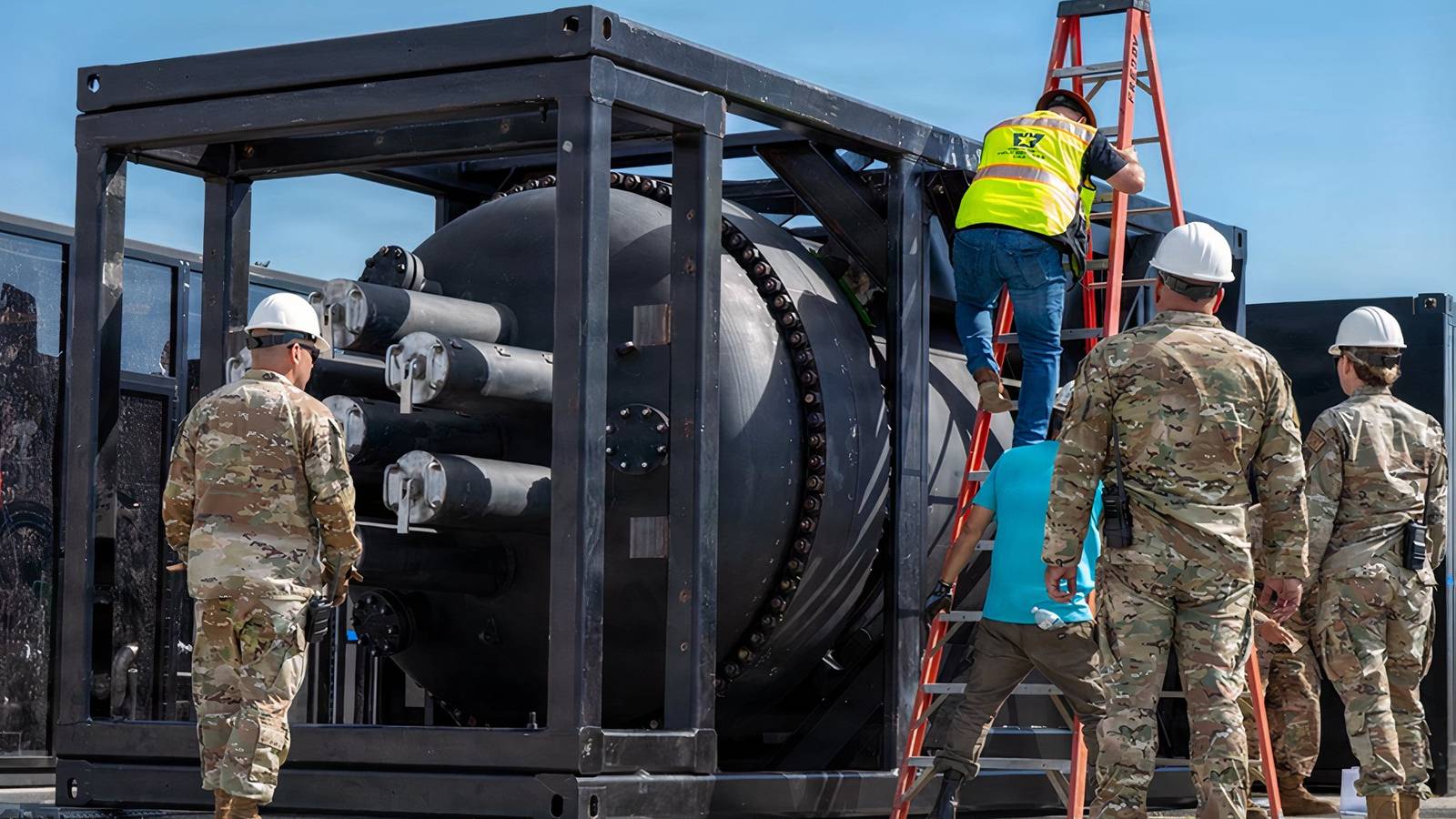

As the U.S. military looks for ways to keep bases powered during outages, attacks or fuel disruptions, one nuclear energy executive says small reactors could eventually help solve a problem that diesel reserves alone may not be able to answer.
James Walker, a nuclear physicist and CEO of NANO Nuclear Energy, told Military.com that military installations are expected to operate independently of the electrical grid for roughly two weeks, but many bases cannot realistically meet that requirement without enormous fuel stores.
“Military bases at the moment have a mandate to be able to be self-sufficient for power for about two weeks,” Walker said. “At the moment, none of them can meet that mandate because it requires an enormous reserve of diesel, effectively if you are taken off the grid.”
Walker’s comments come as the Navy is reportedly preparing to test whether the USS Gerald R. Ford’s nuclear reactors can supply electricity directly to shore infrastructure, a move that has drawn attention to a larger question facing the Pentagon: how to power military operations when traditional energy supply lines are under pressure.
For Walker, the Ford test is part of a broader shift. Nuclear power, long associated with aircraft carriers and submarines, is increasingly being discussed as a way to support military bases, remote operations and critical infrastructure.
The Problem Is Base Survival, Not Just Electricity
Walker described the issue as a security concern, not simply an energy-management challenge. If a base loses access to the grid during a conflict or disaster, its ability to sustain people and operations can quickly begin to erode.
“If you ever do come under attack, there’s actually no reason for the enemy to raid a base,” Walker said. “They could just wait it out.”
He said power underpins the basics of installation survival, including heat, water, sanitation, food preparation and maintenance. In a cold-weather scenario or a prolonged grid failure, a lack of reliable energy could compound other shortages.
“If they can’t power themselves effectively, they become more and more vulnerable the more time goes along,” Walker said.
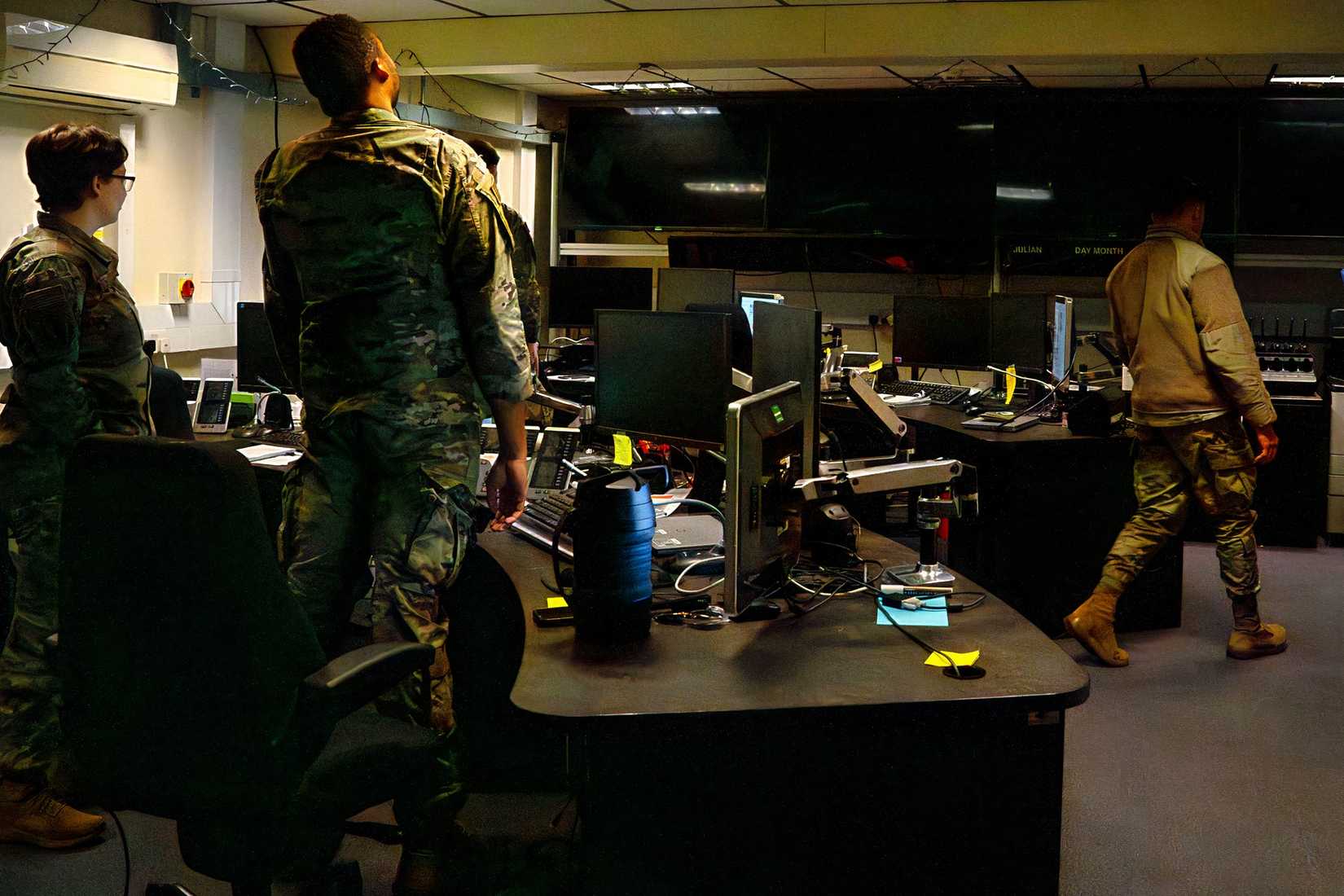
That vulnerability has drawn growing interest from the military in smaller nuclear systems that could provide steady power without the constant fuel deliveries required by diesel generators.
NANO Nuclear Energy develops microreactor systems for commercial and remote uses, including military bases, remote communities, oil and gas operations and maritime applications, Walker said. The company is also involved in nuclear fuel transportation and the fuel supply chain.
The Air Force Is Studying Reactor Use, Walker Says
Walker said NANO is already working with the military, particularly the Air Force, on studying how nuclear reactors could be used at installations.
“We have two contracts with the Air Force that we’re working to examine, looking at the installation of nuclear reactors onto bases,” Walker said. “Predominantly, our main partners at the moment are the Air Force and their bases.”
Walker did not provide details during the interview about the dollar value of those contracts, the specific Air Force organizations involved or which bases are being studied.
The most realistic timeline for fielding portable or small nuclear reactors at military bases, Walker said, is likely the early 2030s. He said that timing will depend heavily on the nuclear fuel supply chain.
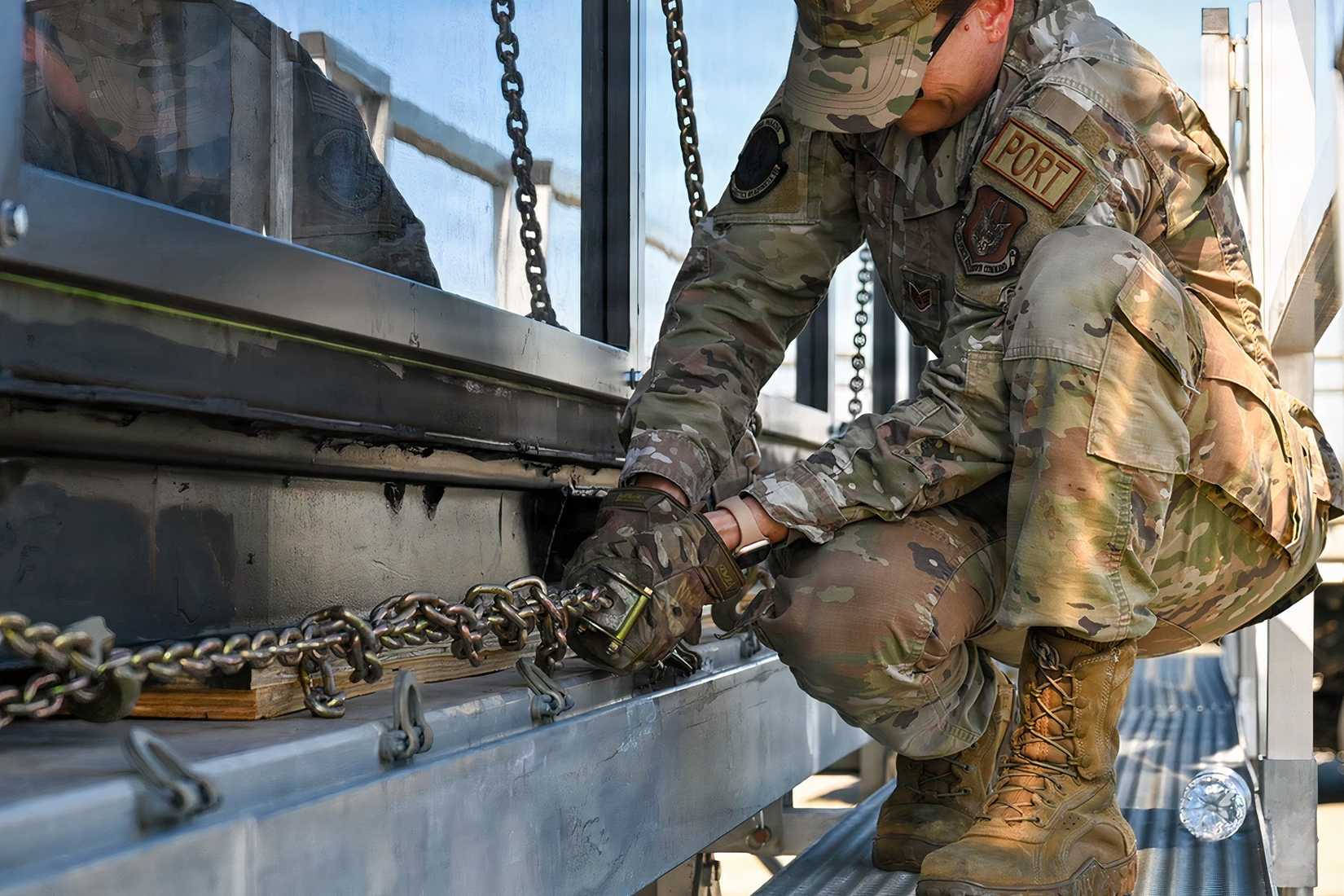
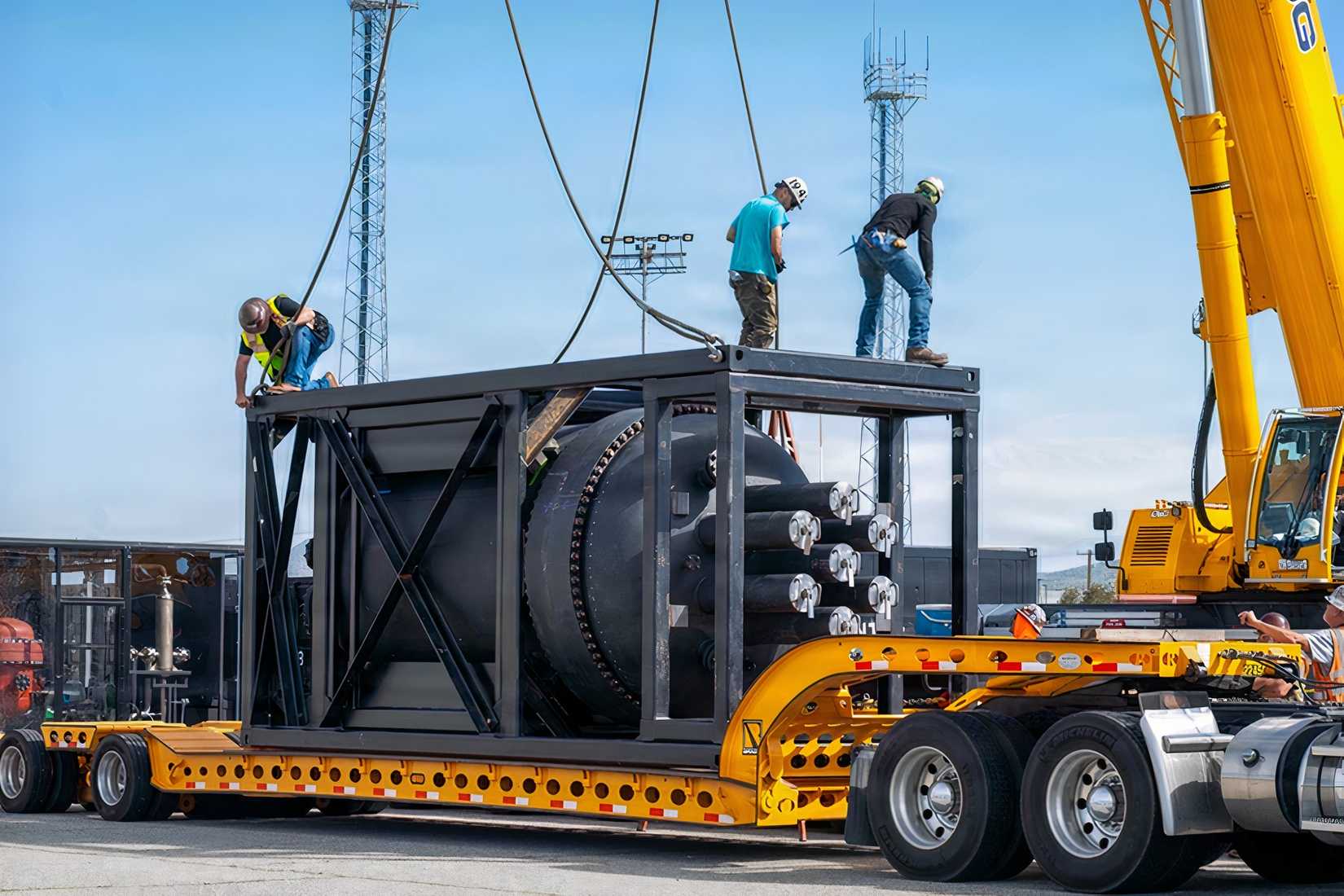
A U.S. Air Force airman secures equipment during preparations to transport a containerized nuclear power reactor at March Air Reserve Base, California, Feb. 13, 2026. (U.S. Air Force photo by Staff Sgt. Monique Bright)
“Some of our reactors, for instance, will be ready for commercialization around about 2030,” Walker said. “To be conservative, early 2030s might be the ideal time in which you could see these reactors first deployed onto military bases.”
That means the technology is not an immediate fix for today’s base resilience problems. But the military’s interest suggests planners are already thinking beyond diesel generators and conventional backup power.
Nuclear Ships Could Power More Than Themselves
The Navy’s reported interest in using the Ford to send power ashore highlights another possible use of nuclear energy. Aircraft carriers and submarines have relied on nuclear power for decades, giving them endurance that conventional fuel-powered vessels cannot match.
Walker said the concept of sending power from a ship to shore is technically feasible, although it would depend on the ship, location and available infrastructure.
“There’s nothing stopping you from running power cables from a ship offshore to onshore to be able to power things,” he said.
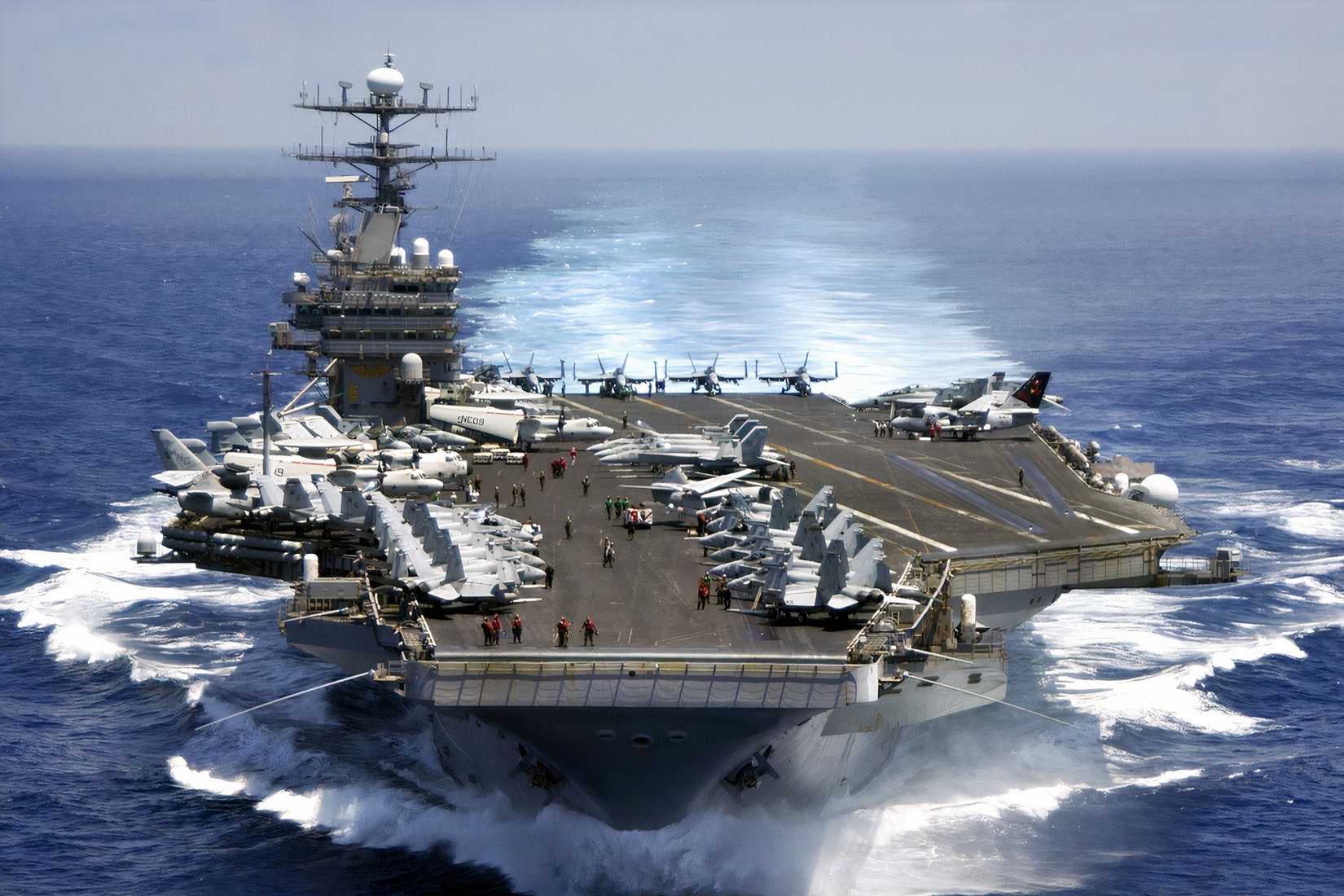
Still, using a carrier as a floating power source would raise practical questions. A carrier’s ability to get close to shore depends on water depth and port access. Using it for power support could also create questions about whether the ship is being pulled away from its primary combat role.
Walker said nuclear-powered ships already carry advantages in contested environments because they are less dependent on fuel resupply than conventional vessels.
“If you were to remove nuclear power devices from those ships, then they would suddenly be incredibly dependent on things like bunker fuel for power,” Walker said.
A Long Road From Concept To Base Power
Portable nuclear reactors are still years away from routine military use. They would require regulatory approval, fuel availability, security planning, trained operators and public acceptance.
Walker argued that public concern around nuclear energy is often shaped by the Cold War and nuclear weapons rather than the realities of reactor technology.
“There’s so much of a fundamental difference between the applications that they almost have nothing to do with each other,” Walker said. “You can’t make a nuclear reactor into a bomb.”
For the military, the more immediate question may be less philosophical and more practical: how to keep bases running if the grid goes down and fuel convoys cannot keep up.
If Walker’s timeline holds, small nuclear reactors may not arrive soon enough to solve the military’s current energy gaps. But the growing interest from the Navy, Air Force and other defense organizations suggests the Pentagon is already viewing nuclear power as more than just propulsion.
It is becoming part of the conversation about how bases survive the next war, disaster or blackout.
Read the full article here
