



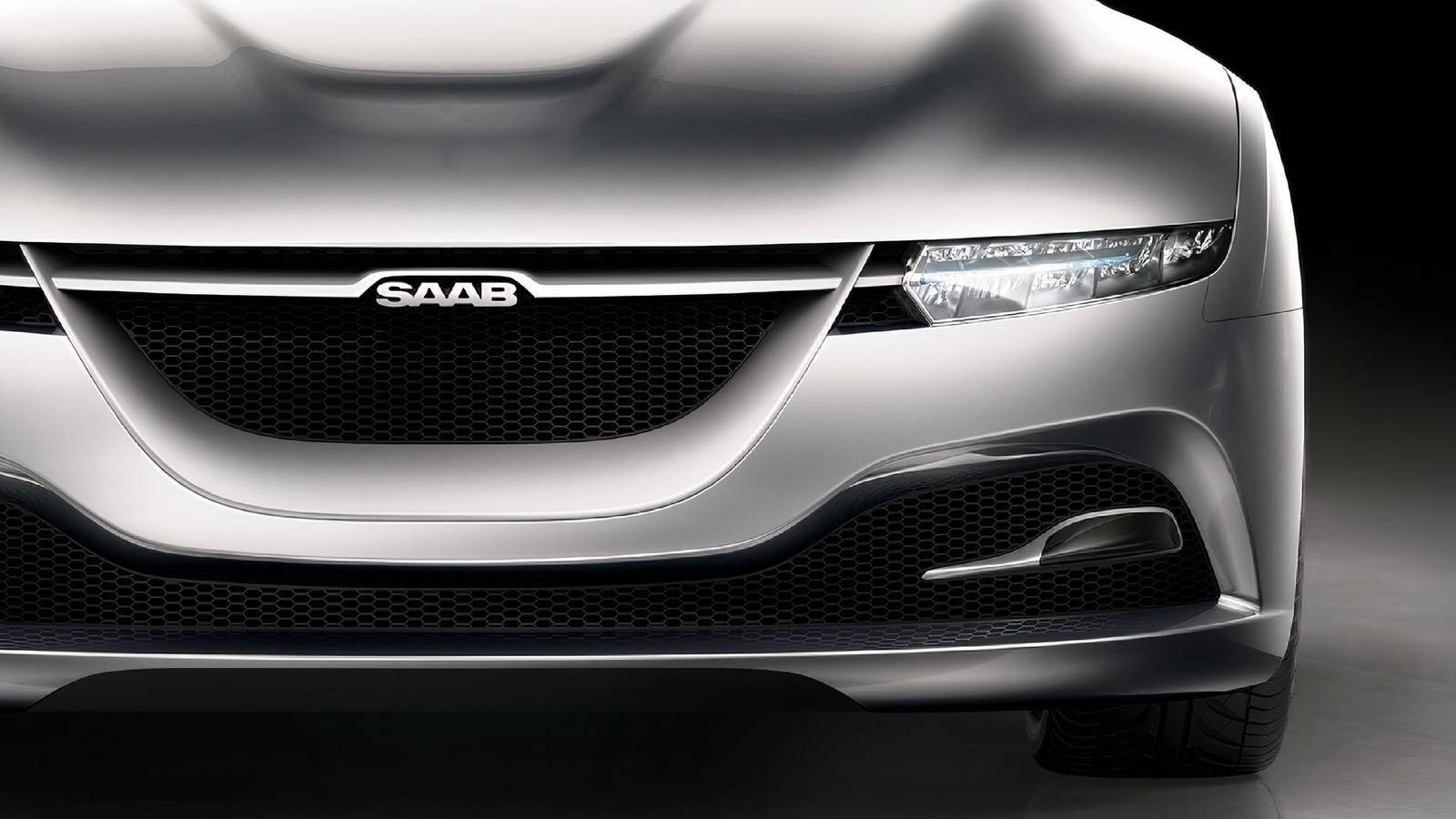

Saab officially closed its doors for good in 2014, but the last Saabs sold in the US were for the 2011 model year, when cars like the Saab 9-3 were struggling to move even a few thousand units. We actually really liked the Saab 9-4X, but one solid SUV clearly wasn’t enough to keep the brand in business.
Saab may be dead, but it’s not quite buried. That is, if you take a look, you can see Saab DNA in brands like Polestar, Volvo, and Lucid. Many of the engineers who made the company what it was, they didn’t simply quit the business when Saab became insolvent, they simply packed up their desks and moved elsewhere, and the spirit of Saab is still very much alive.
Saab’s Commitment To Fuel-Efficient Luxury Made The Brand Special
We have Saab to thank for the turbocharging revolution that kicked off in the late 1970s. This was the post-Oil Crisis era, the age of three-wheeled concept cars, a failed push for diesel, and gimmicky scams like magnetic fuel boosters. While drivers were spreading rumors of the 100-MPG carburetor, Saab was developing the first mainstream turbocharged vehicle in the Saab 99 Turbo.
|
1978 Saab 99 Turbo |
|
|
Engine |
2.0-Liter Turbocharged 4-Cylinder |
|
Power |
145 hp |
|
Torque |
173 lb-ft |
|
0-60 mph |
8.9 Seconds |
|
Fuel Economy |
22 MPG (combined) |
The performance specs on a 99 Turbo aren’t bad even by today’s standards. It actually outguns the Hyundai Venue by a few dozen horses, thanks to a Garrett T3 turbocharger and Bosch mechanical fuel injection. The 99 Turbo encouraged us to associate the Saab name with overengineering, dependability, and fuel-efficiency at a time when we really needed it. It doesn’t hurt that Saab’s origins in the aircraft market led to some of the most aerodynamic cars ever built, either.
Saab would go on to pack the 1998 Saab 9-5 with a B308, the world’s first asymmetrical turbo-six, which provided turbo power to all six cylinders while running on the exhaust gases of only one bank, resulting in low-pressure turbocharging for 200 horsepower. Then there was the technology powering the 2006 9-5 BioPower, running on any mix of gasoline and ethanol you like with no ill effects, at 306 hp.
Combine these engineering innovations with two of Saab’s other biggest innovations, the fully automated heated seat, (1972 Saab 99 and 96) and the active head restraint (1998 Saab 9-5), and you get a reputation for being maybe the most practical, sensible luxury brand on the market.
The 2000 9-5 Aero Was The Brand’s Crown Jewel
|
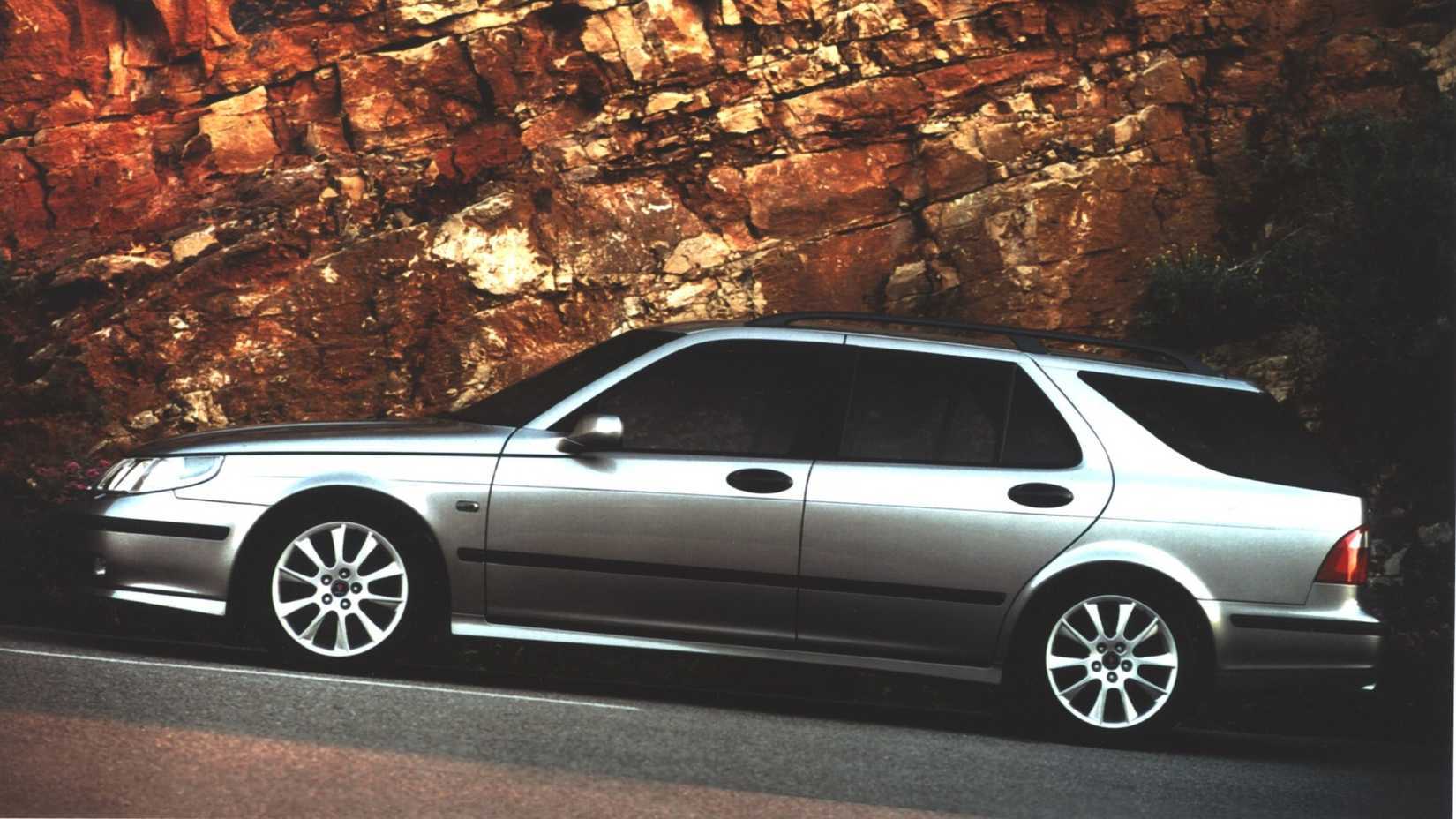
2000 Saab 9-5 Aero |
|
|
Engine |
2.3-Liter Turbocharged 4-Cylinder |
|
Power |
250 hp |
|
Torque |
258 lb-ft |
|
0-60 mph |
6.4 Seconds (MT) |
Still considered by many to be Saab’s magnum opus, the 1998 9-5 served as the basis for the Saab 9-5 Aero in the 2000 model year, revered for its incredible torque and 0-60 times. The Saab 9-5 Aero is confirmation of what Christian von Koenigsegg praised as “great performance for a family car”.
The End Of Saab Saw The Cancelation Of Some Promising Projects
Saab’s ultimate closure was the result of a failed sale to a Chinese company. General Motors had owned Saab at one point, and didn’t want its technology in the hands of Chinese automakers. Saab was declared officially bankrupt in 2012, and sold to NEVS, which would continue to produce the Saab 9-3 in very limited numbers until 2014.
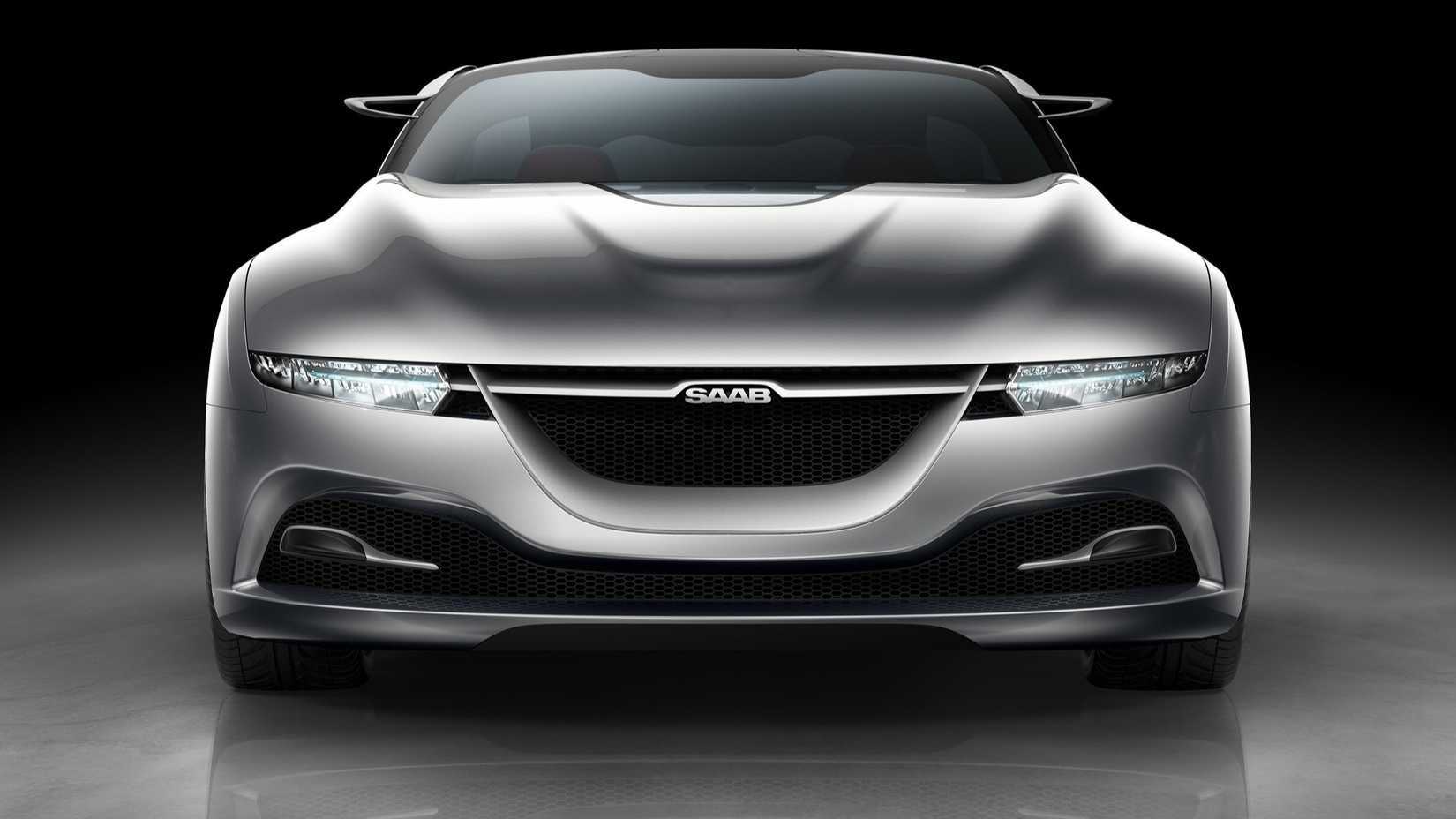
Saab was still innovating right up until its doors were closed. In 2011, the brand unveiled the Saab PhoeniX, an innovative 2+2 GT coupe with a turbocharged straight-four in front-wheel-drive, paired to an electric rear-axle motor.
|
2011 Saab PhoeniX Concept |
|
|
Engine |
1.6-liter Turbocharged 4-Cylinder |
|
Power |
237 hp |
|
Torque |
184 lb-ft |
|
Transmission |
6-Speed Manual |
|
Drivetrain |
All-Wheel Drive |
The PhoeniX was intended in part as a proof-of-concept for the new PhoeniX platform, which would have been the foundation of the fourth-gen 9-3, with Saab hoping to shift away from GM’s Epsilon II platform in order to establish its own next-gen starting-point.
Designed by Jason Castriota, who had a hand in iconic models like the Maserati GranTurismo and the Rolls-Royce Hyperion, the PhoeniX featured butterfly doors, and it won the 2011 Auto Express design award, beating out the Alfa Romeo 4C and the Jaguar C-X75.
With its futuristic design and custom Google Android operating system, this was a hybrid for the EV era, and one of the great “what ifs” of this era of automaking.
Read the full article on CarBuzz
This article originally appeared on CarBuzz and is republished here with permission.
Read the full article here
