



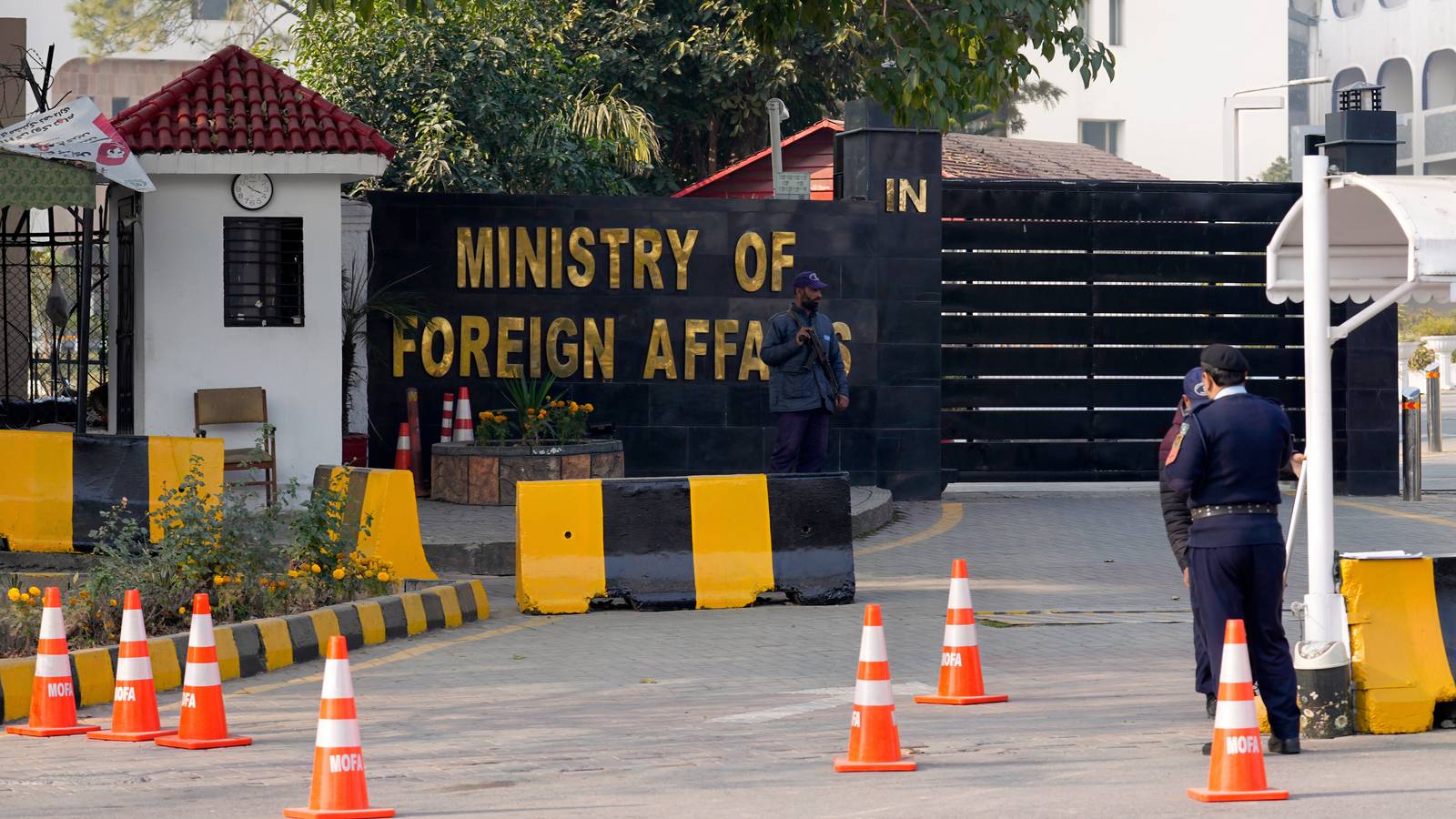

Pakistan quietly allowed Iranian military aircraft to park at its airfields during the recent U.S.-Iran showdown while simultaneously acting as a diplomatic intermediary between Washington and Tehran, according to new reporting by CBS News.
Pakistan has long tried to maintain a difficult balancing act between its security relationship with the United States and its ties with neighboring Iran, a key regional player that shares a roughly 565-mile border with Pakistan. The new reporting could complicate ongoing negotiations that have so far been unsuccessful, raising questions about whether Pakistani territory may have quietly provided temporary sanctuary to Iranian military aircraft during a period when U.S. forces were responding to escalating tensions across the Middle East.
CBS reported that U.S. officials said multiple Iranian aircraft were sent to Pakistan Air Force Base Nur Khan, a strategically important installation outside Rawalpindi, days after Trump announced a ceasefire with Iran. The aircraft reportedly included an Iranian Air Force RC-130, a reconnaissance and intelligence-gathering variant of the C-130 Hercules transport aircraft.
A senior Pakistani official rejected the claim involving Nur Khan Air Base, telling CBS that a large fleet of aircraft parked there “can’t be hidden from [the] public eye.”
A White House spokesperson declined to comment to Military.com, instead referencing President Donald Trump’s past remarks on Pakistan. The Pentagon deferred comment to U.S. Central Command.
The Role of Islamabad
The allegations also place new attention on Islamabad’s role during the crisis as Pakistani officials simultaneously attempted to position themselves as diplomatic intermediaries capable of helping prevent a broader regional war.
U.S. officials have increasingly viewed Pakistan as an important regional partner because of its strategic location bordering Iran, Afghanistan, India and China, with access to the Arabian Sea, making Islamabad’s role during the recent tensions particularly sensitive for both military planners and diplomats.
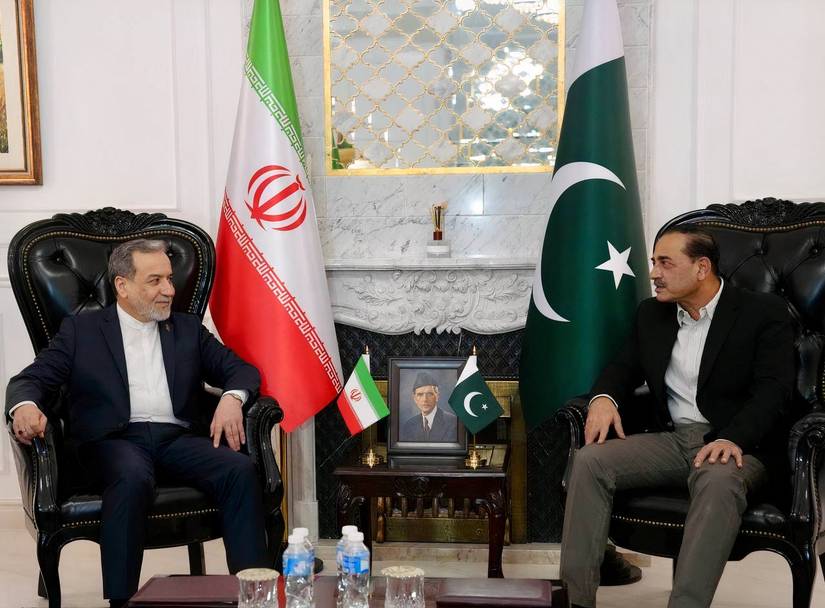
The report raises new questions about whether Pakistan allowed Iranian military assets to use its territory while the U.S. military was responding to escalating tensions with Tehran, potentially complicating Washington’s security relationship with a key regional partner that was simultaneously trying to broker diplomacy behind the scenes.
The revelations also underscore the increasingly fragile geopolitical balancing act facing Pakistan as Islamabad attempts to maintain ties with the United States, Iran, Gulf Arab states and China while trying to avoid being pulled deeper into a widening regional conflict.
Maritime Security Fears Grow
The developments are unfolding amid continued instability around the Strait of Hormuz, where U.S. naval forces and commercial shipping companies have remained on heightened alert following weeks of military escalation involving Iran.
Oil flows through the strait averaged 20 million barrels per day in 2024, the equivalent of about 20% of global petroleum liquids consumption, according to the U.S. Energy Information Administration.
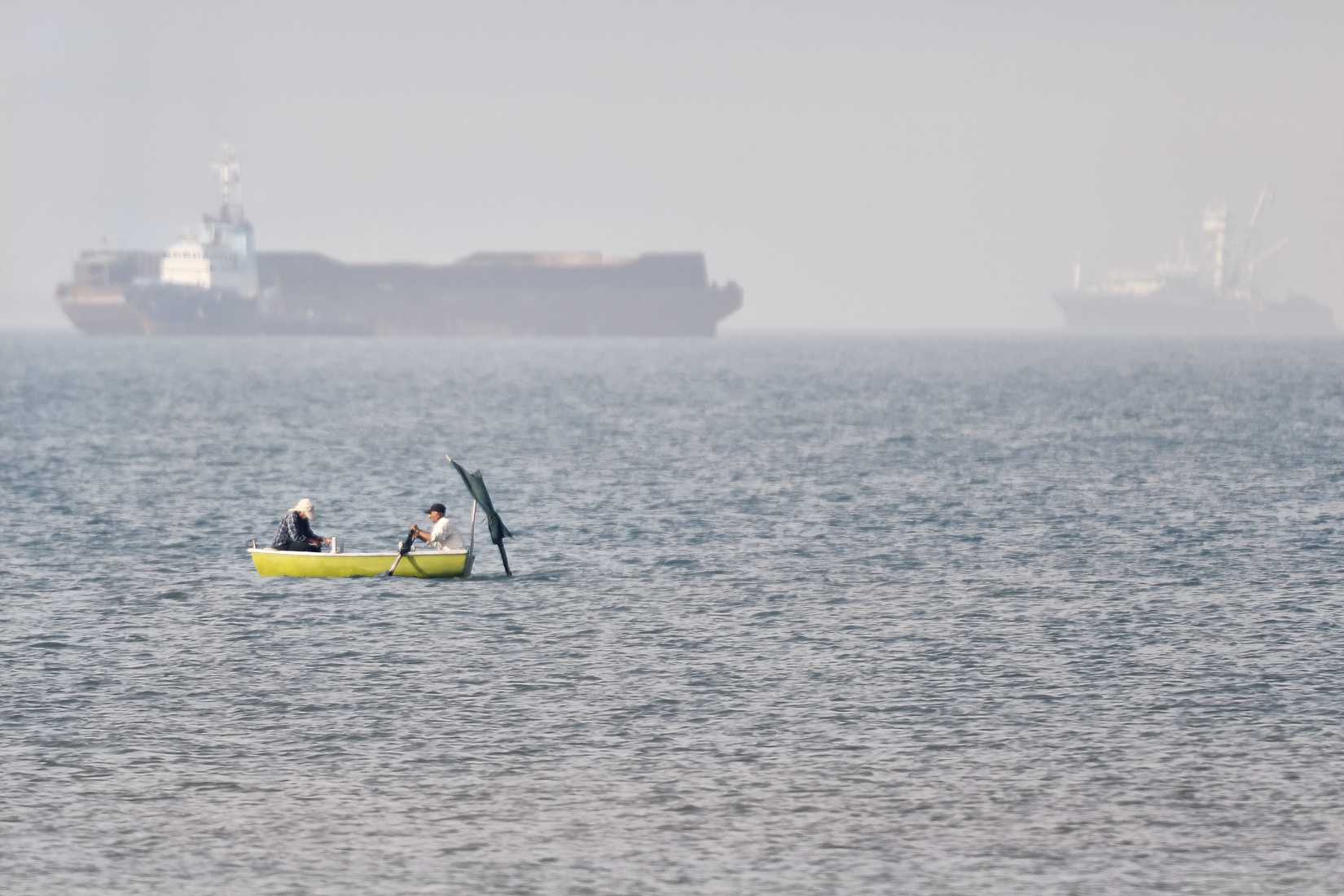
The recent tensions forced American warships, coalition naval forces and commercial carriers to closely monitor Iranian military activity as fears grew that a broader regional conflict could threaten shipping lanes or trigger attacks on commercial vessels operating near the strait.
The U.S. military’s effort to keep traffic moving along the waterway has already become a major operational test as American warships, Iranian forces and commercial shipping traffic operate in proximity.
CENTCOM said Iranian forces fired on commercial ships at least nine times, seized two container vessels and carried out additional hostile actions.
Read the full article here
