



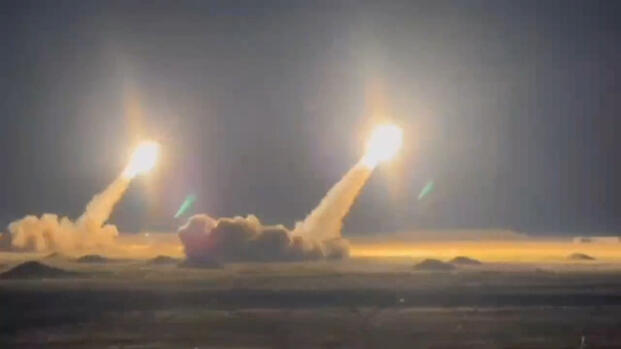

United States forces recently launched Operation Hawkeye Strike in Syria, hammering ISIS targets in a large-scale assault provoking broader questions about the terror cell’s impact on U.S. national security.
U.S. Central Command (CENTCOM) said the Dec. 19 strike targeted Islamic State networks and infrastructure through coordinated strikes aimed at preventing future attacks on American and partner forces. The announcement of the military operation, part of an ongoing counterterrorism campaign, did not include a full accounting of targets hit, casualties, or whether additional phases are planned.
“This operation reinforces our commitment to defeating ISIS wherever it attempts to operate,” a CENTCOM spokesperson told Military.com, referring additional questions to previously released statements and official materials.
Key details for public consumption have remained few and far between. CENTCOM has not released casualty figures, identified specific ISIS leaders targeted, or confirmed whether coalition partners participated in the strikes.
A Defense Department spokesperson declined to provide additional information and referred further questions to CENTCOM.
Military.com reached out to the White House National Security Council, the State Department, U.S. Air Forces Central, Combined Joint Task Force Operation Inherent Resolve, and congressional defense and foreign affairs committees for comment.
ISIS Still a Formidable Terror Cell
The continued U.S. role in Syria remains a flashpoint, especially after a deadly attack tied to ongoing counter ISIS operations raised fresh questions about mission risk and force protection.
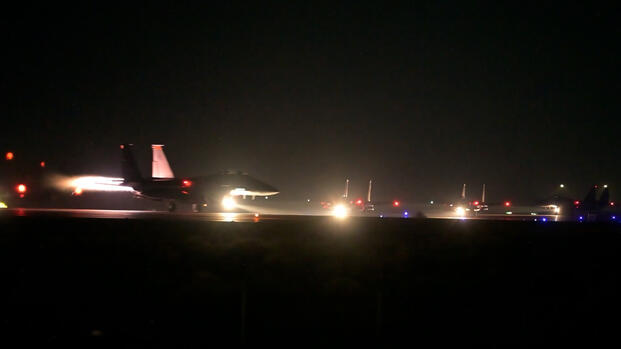
On Dec. 19, CENTCOM forces struck more than 70 targets at multiple locations across central Syria with fighter jets, attack helicopters and artillery. U.S. forces were supported by Jordanian Armed Forces’ fighter aircraft. The operation employed more than 100 precision munitions targeting known ISIS infrastructure and weapons sites, according to CENTCOM.
“This operation is critical to preventing ISIS from inspiring terrorist plots and attacks against the U.S. homeland,” Adm. Brad Cooper, commander of CENTCOM, said in a statement. “We will continue to relentlessly pursue terrorists who seek to harm Americans and our partners across the region.”
ISIS has maintained a low-level presence throughout Syria in recent years, carrying out periodic attacks while attempting to rebuild networks amid instability in the country. U.S. officials have repeatedly warned that sustained pressure is necessary to prevent the group from exploiting security gaps and reemerging as a broader regional threat.
Senior U.S. defense officials described Operation Hawkeye Strike as part of years-long efforts to keep ISIS off balance and prevent the group from regrouping or planning new attacks inside Syria.
U.S. Defense Secretary Pete Hegseth pointed to the strikes as a clear show of resolve, signaling that the U.S. intends to keep steady pressure on ISIS even as Washington juggles multiple global crises.
The U.S. has maintained a military presence in Syria for years as part of its counter-ISIS mission, working alongside partner forces to disrupt militant cells and prevent the group from regaining territory. That mission has carried risk, notably in the form of deadly violence that occurred during counter operations in central Syria that killed U.S. service members and an American civilian.
New Video Invites More Questions
Newly released footage released from the Pentagon shows U.S. forces striking ISIS positions across several locations in Syria, with aircraft hitting targets from the air as explosions ripple across the ground below.
The strikes appear closely timed and coordinated, giving the impression of a fast-moving operation designed to hit hard and leave little room for ISIS to regroup or maneuver.
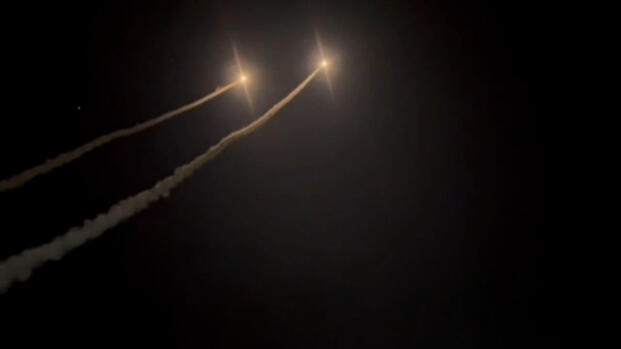
The strike visuals match a familiar pattern from recent months, when the U.S. used airpower to blunt ISIS activity inside Syria.
Even so, the visuals only go so far and aforementioned information remains limited. Also, no civilian casualty assessment has been released. Independent monitoring organizations said it is too early to verify claims tied to the operation.
However, military officials frequently limit details following strike operations, citing operational security and the need to complete battle damage assessments before publicly releasing information. That process and timeframe varies.
Story Continues
Read the full article here
