



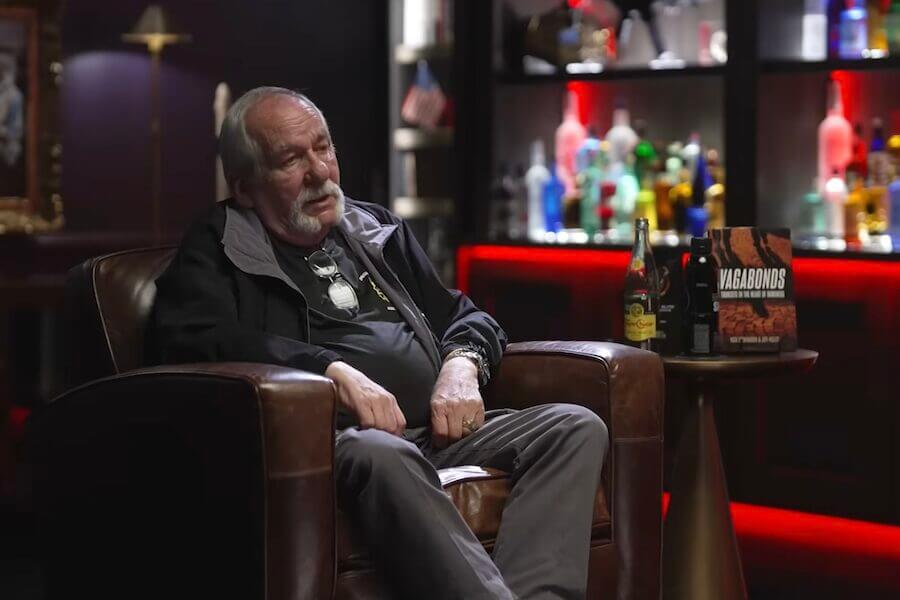

If you’ve spent any time listening to the Shawn Ryan Show, you already know it doesn’t do highlight reels or Hollywood nonsense. And the recent conversation with Nick Brokhausen might be one of the most unfiltered looks yet at what close combat actually does to a human being—and how it never really stops doing it.
Brokhausen, a MACV-SOG recon veteran who ran deep behind enemy lines in Vietnam and Laos, doesn’t romanticize anything. He talks about killing at arm’s length. About using an entrenching tool when there was nothing else. About a shotgun at eight feet and the kind of destruction that doesn’t leave room for second thoughts. It’s not bravado. It’s memory.
What hits hardest isn’t the weapons talk. It’s what came after. Brokhausen describes nightmares that followed him for years. A “ghost” that visited when he was worn down, sick, or drinking too hard. A 15- or 16-year-old enemy fighter who reminded him of his younger brother. A recurring dream on a quiet Minnesota lake that turns into something else entirely. That’s the part people don’t see when they talk about war in abstractions.
Back then, nobody called it PTSD. It was “battle fatigue.” You sucked it up, drank more than you should, and moved on. Until you didn’t. Brokhausen is blunt about how his generation dealt with it, and how many didn’t. The anger. The drinking. The stuff that gets welded shut instead of worked through.
The conversation takes a sharp turn when Brokhausen and Ryan get into emerging PTSD treatments. Specifically psychedelic therapies that the VA once dismissed outright and is now cautiously re-examining. Brokhausen doesn’t pitch it as a miracle cure or a trendy solution. He talks about results. About veterans who stopped drinking. About addiction losing its grip. And, about relief that didn’t come from burying things deeper.
There’s plenty here that will make people uncomfortable, especially those who prefer their war stories neat and symbolic. But that’s the point. This isn’t about glorifying violence or turning soldiers into props for political arguments. It’s about acknowledging the real cost paid long after the shooting stops.
Brokhausen doesn’t ask for pity. He doesn’t ask for applause. He just tells the truth as he lived it. And sometimes, that’s harder to hear than any gunshot.
*** Buy and Sell on GunsAmerica! ***
Read the full article here
