



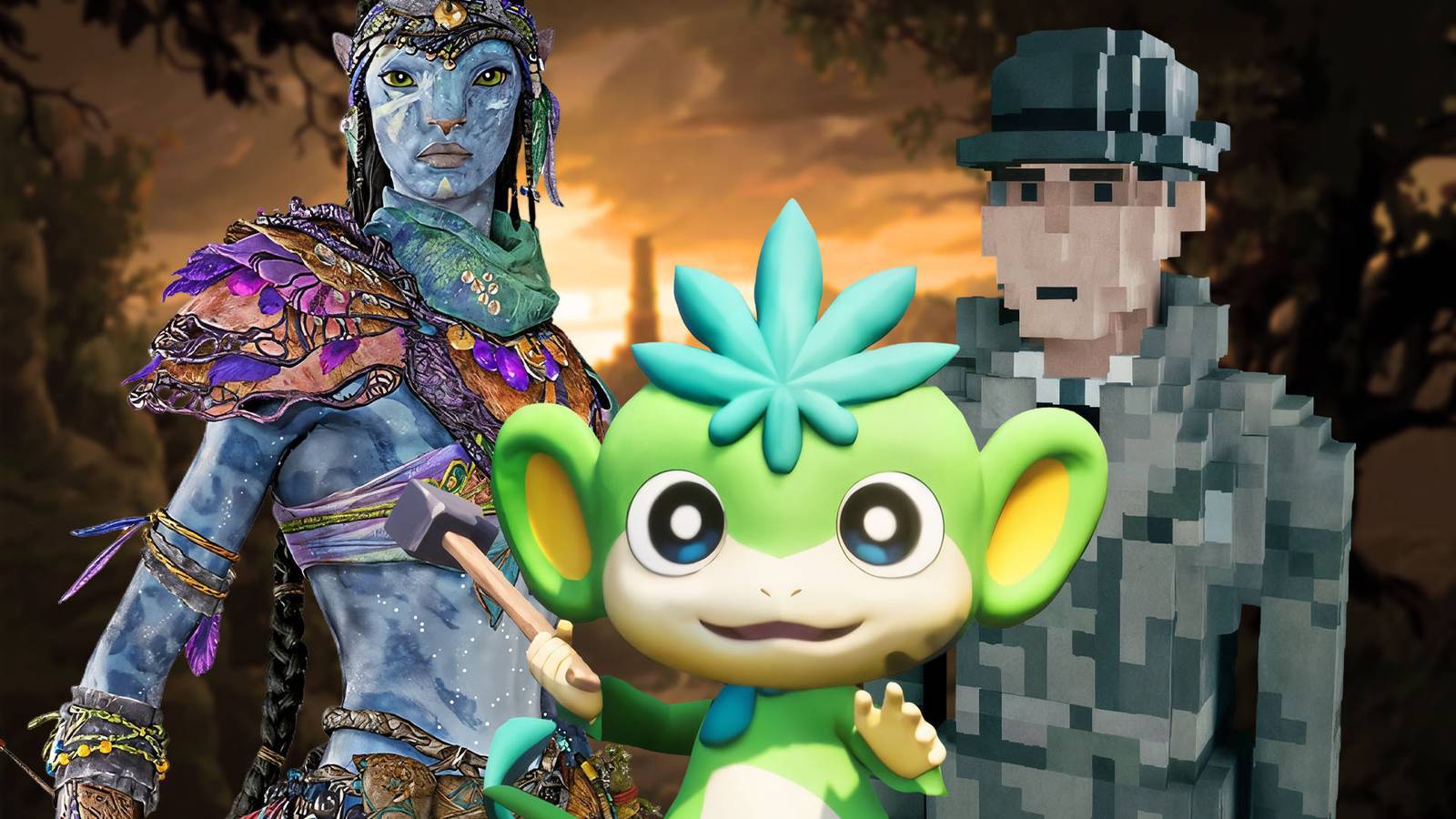

The open-world genre has a well-established set of norms that pretty much every seasoned gamer has come to expect: waypoints and quest markers, a lengthy list of main and side quests, a huge map loaded with collectibles, and a runtime pushing 30 to 40 hours (if not more). These genre rules aren’t mandatory, but they’ve become standard in the modern open-world sphere.
That’s what makes these next games stand out. They take those rules and rewrite them to fit a new concept. Sometimes that just means making exploration feel more organic, while other times it means changing the very fabric of the open-world genre. It’s not easy to successfully innovate on a genre as well-loved as open-world games, but these titles tried it, pulled it off, and have helped shake up a stagnant set of gaming trends in the process.
Shadows Of Doubt
A Case-By-Case Basis
Outside of Minecraft, procedurally generated open-world maps aren’t particularly common. Sure, you’ve got your side-scrollers like Terraria or Noita, but design contraints typically force 3D open-world games to use a set map so that the devs can stuff it with well-paced content. Not so with Shadows of Doubt, a 3D detective immersive sim set in a procedurally generated nine- to 20-block map.
There are many impressive things about Shadows of Doubt. For one, those city blocks are fully explorable, and not just the exterior. Building interiors, rooftops, and back alleys are all accessible. From there, you can approach each case (also procedurally generated) however you like. Break into a suspect’s house, follow them to work, or interview every single tenant at an apartment building crime scene. As long as you accuse the right suspect, your methods won’t be questioned. Accuse the wrong suspect, though, and the string of murders will continue. Shadows of Doubt is an unbelievably deep game with a ton of freedom, but the fact that it can offer all that while randomly generating most of its key content is a remarkable achievement.
Mina The Hollower
Old-School Look With New-School Sensibilities
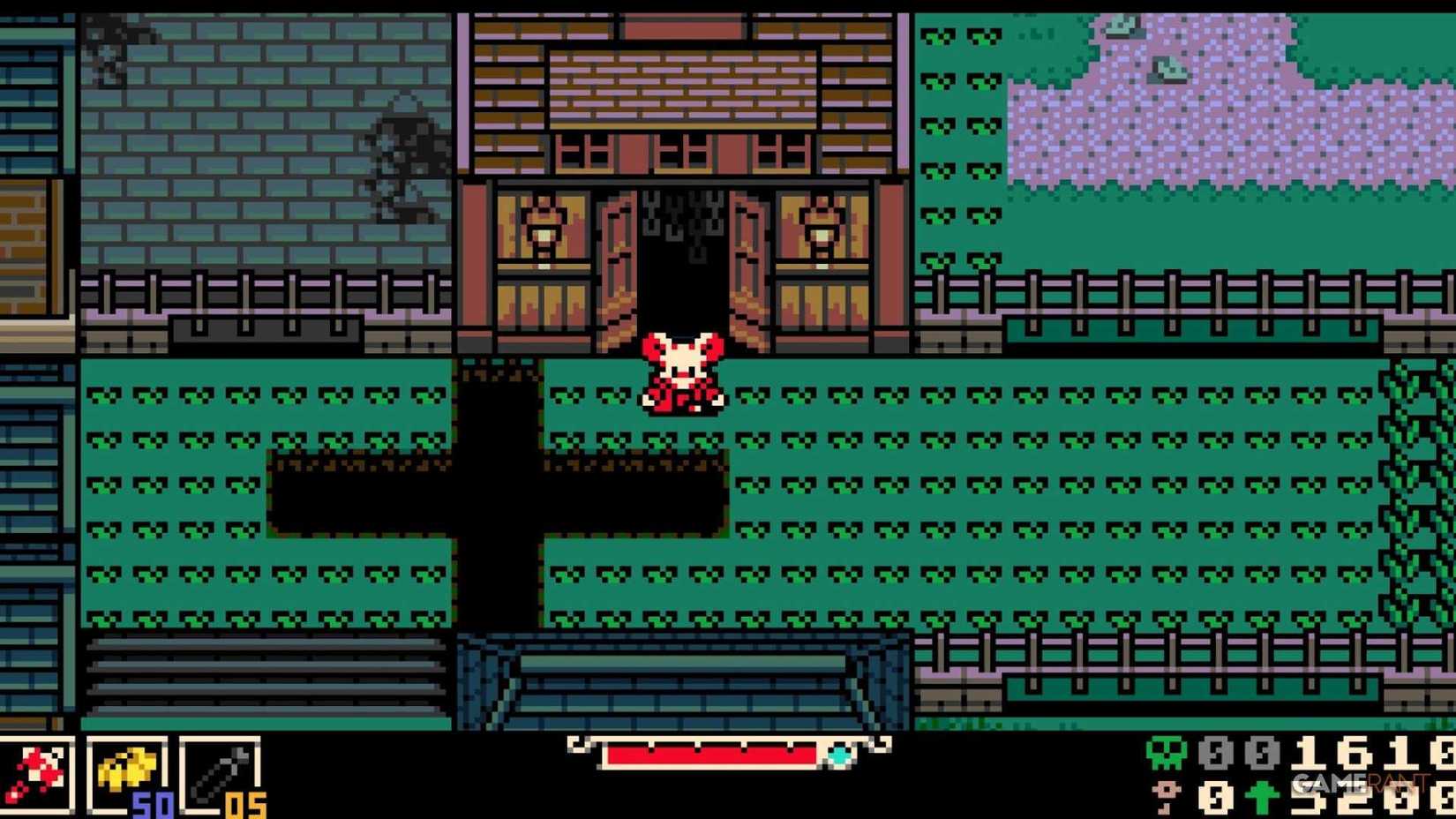
Open-world games are typically thought of as “modern” games. Sure, the genre dates back to 2001’s Grand Theft Auto 3, but advancements in tech, design, and hardware power have made it so that these games are at their best when they’re made to run on the best consoles and PCs around. Then, there’s Mina the Hollower, a throwback to retro games from the 1990s, but one that is still very much an open-world game.
It takes that title seriously, too. Mina the Hollower gives you basically no direction as to where you should venture first once you reach the main hub city. Instead, it encourages you to explore by hiding things everywhere. Virtually every screen has something hidden in it; sometimes it’s just a few Bones (the in-game currency), and other times it’s a new weapon. The game is crafty with its puzzle solutions, too, forcing you to figure out on your own if you need a certain trinket or sidearm to reach an inaccessible area. It all works in tandem to encourage your innate curiosity, but for a retro-inspired game like this, it’s astounding to see an open world this dense with content, easily rivaling some of the biggest triple-A open-world maps out there.
Crimson Desert
Getting Its Priorities Straight
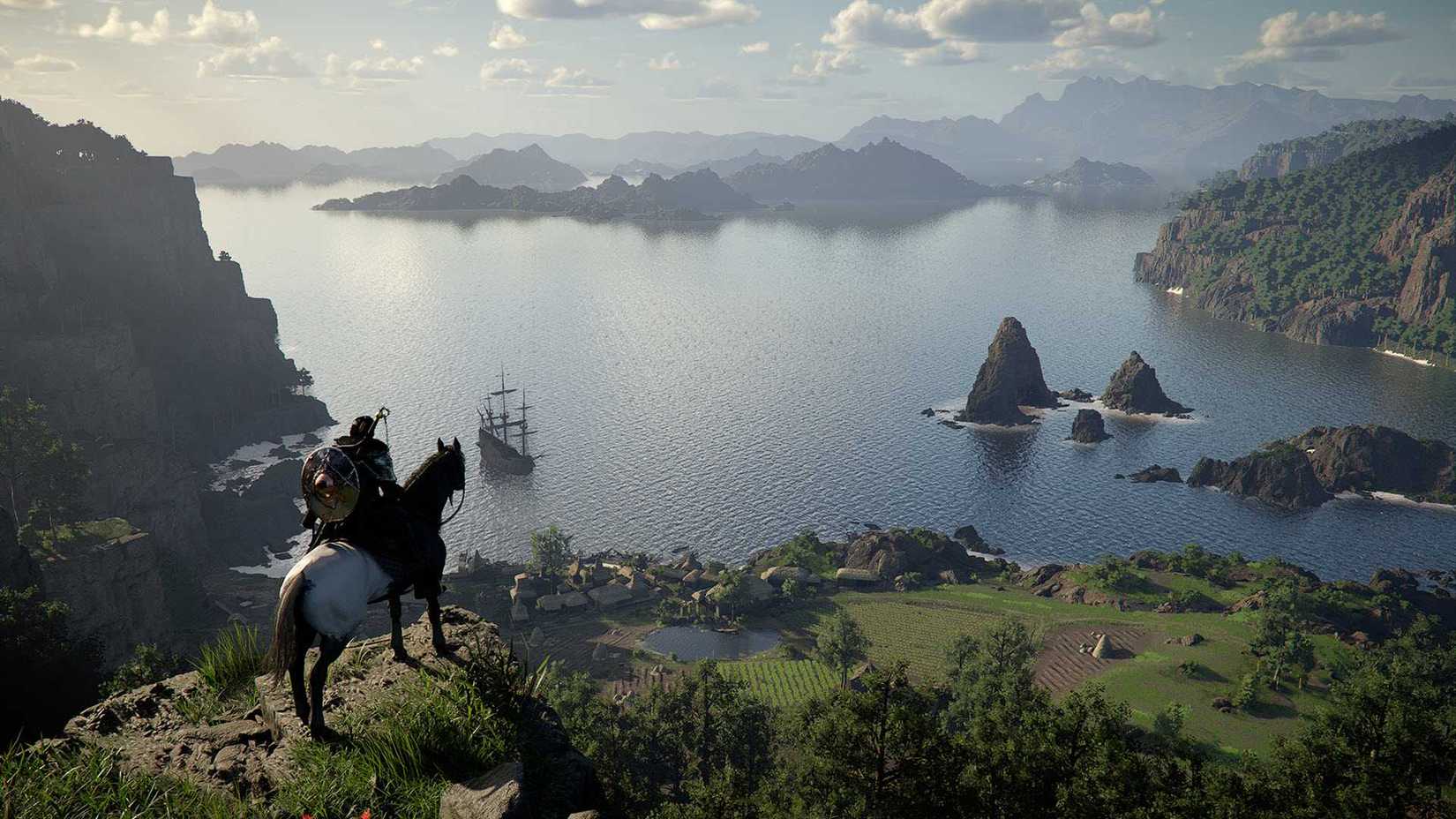
Speaking of maps that are dense with content, Crimson Desert may seem a bit meandering at first as it guides you through its lengthy (but very necessary) tutorial. The combat system is very unusual. The story is… well, not great honestly. Visually it’s spectacular, but those first hours may have you questioning what all the hype is about. Then it turns you loose on its open world, and it all starts to make sense.
Crimson Desert is not a game that wants you to focus on its narrative, or on creating a perfect character build (although it helps), or even on completing a checklist of activities scattered throughout the world. Crimson Desert is a game that wants you to wander. There is an incalculable number of things to find in the world, and many of them have no quest markers, no waypoints leading to them, not even a specific reason to venture to that part of the map. These aren’t just hidden chests or bits of resources either; we’re talking giant boss fights, ridiculously intricate puzzles, hidden areas, and more. Crimson Desert, in many ways, feels like it is fulfilling the promise that open-world games have been teasing for decades, and that alone makes it an easy recommendation.
Read the full article on GameRant
This article originally appeared on GameRant and is republished here with permission.
Read the full article here
