



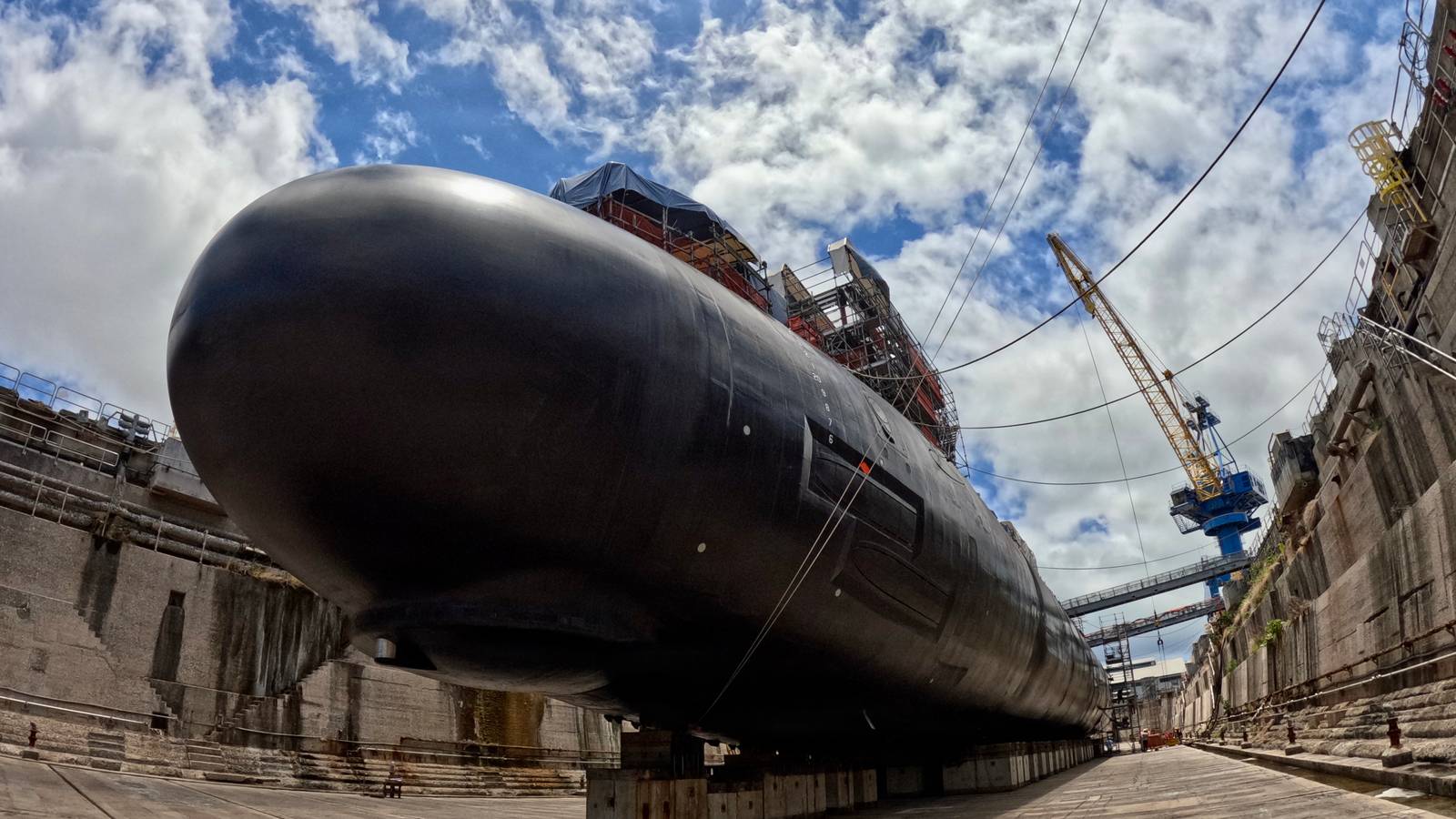

The Navy has released new technical requirements to allow the use of 3D printing in submarine construction.
The service said in a statement that it was removing “administrative and engineering hurdles” to allow 3D printing to make and maintain submarines.
“This is exactly the type of barrier we must remove if we are going to unlock 21st century technology to get our submarine programs on plan and ahead of the threat,” said Vice Adm. Robert Gaucher, director of submarine programs, in a statement. “Additive manufacturing gives us a tool to get after supply chain constraints and part obsolescence by reducing the time it takes to get critical capability to our war fighters.
“This directive hands our engineers, shipbuilders, and suppliers authority to execute at scale.”
3D printing, formally known as additive manufacturing (AM), has emerged in recent years as a useful technological advancement for military branches. 3D supply chains can be cheaper, faster and less burdensome for producers than traditional supply chains.
However, using them also requires investment in training, logistics and maintenance of the printing assets themselves.
The Defense Department previously raised concerns that 3D printing manufacturing programs are vulnerable to cyberattacks and hackers.
New Navy Requirements
The Navy said it would use 3D-printed materials to substitute “legacy cast and wrought parts.”
It said that previously doing so involved engineering assessments and testing but that it would “remove this bottleneck” to prioritize speed. They claim they will not cut “corners” or sacrifice “quality or safety.”
“Moving faster does not mean accepting less,” Gaucher said. “As we scale our advanced manufacturing capabilities, we will relentlessly enforce the safety and quality standards our crews rely on. Our objective is clear: embrace advanced manufacturing to solve hard problems, update or removal of legacy processes, and deliver quality submarines safely.”
The new requirements come as military branches have used 3D printing to develop other military technology.
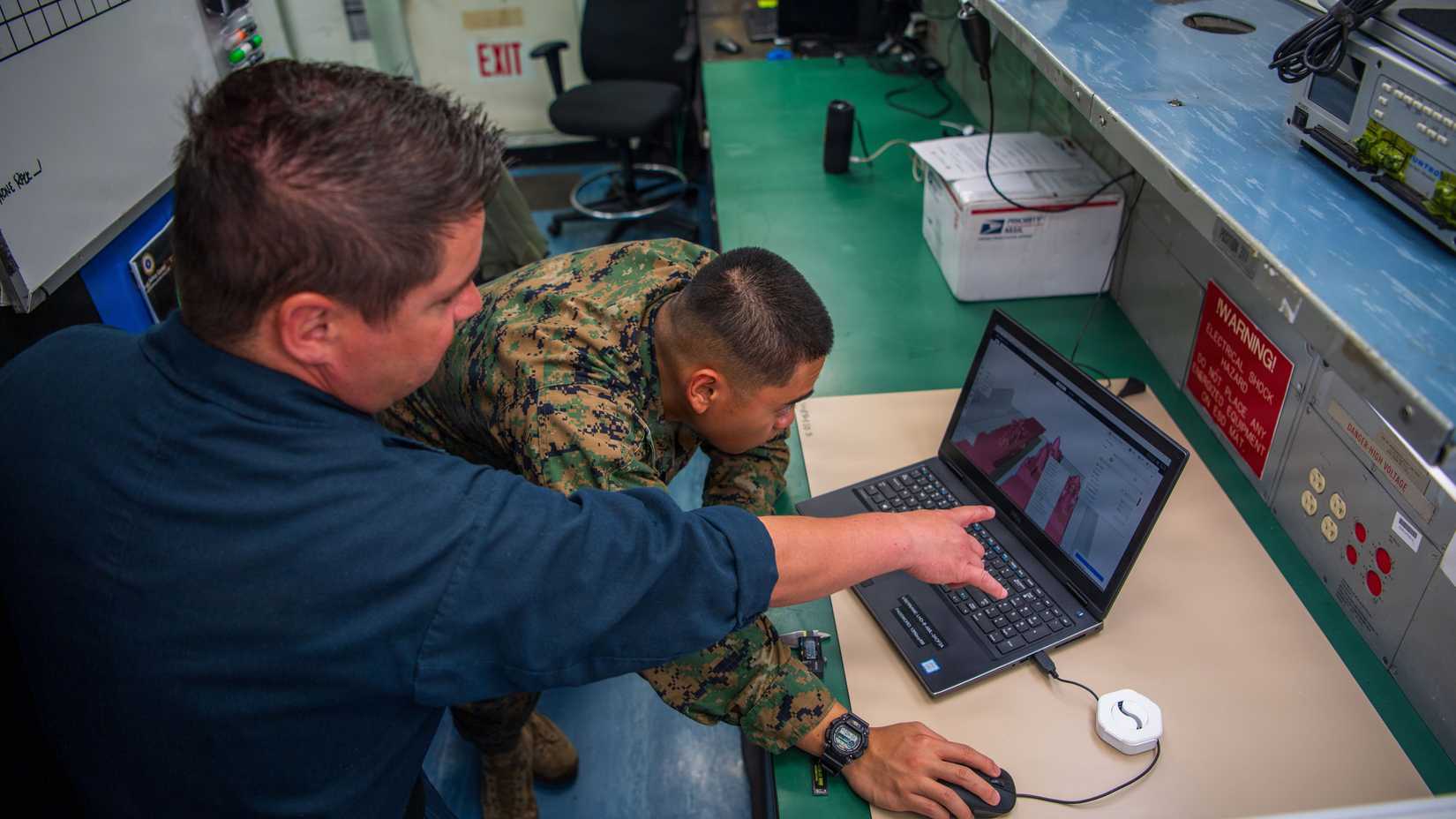
In June, the Intermediate Repair Company, 3rd Maintenance Battalion, 3rd Marine Logistics Group (MLG) put a 7-meter foam hull into the water at White Beach Naval Facility and ran both manned and unmanned operations after the Office of the Under Secretary for Research and Engineering hosted the Resilient Advance Manufacturing for Contested Envirionments (RAMFORCE).
Elsewhere, the Southeast Regional Maintenance Center (SERMC) of the Navy reverse-engineered a six-blade rotor for a chilled-water pump aboard an Arleigh Burke-class destroyer, printed four prototypes in two weeks, and installed the final version with substantial cost savings.
The prototype cost $17.63, the final part $131.21, while the conventional alternative would have cost around $316,544.16.
Read the full article here
