



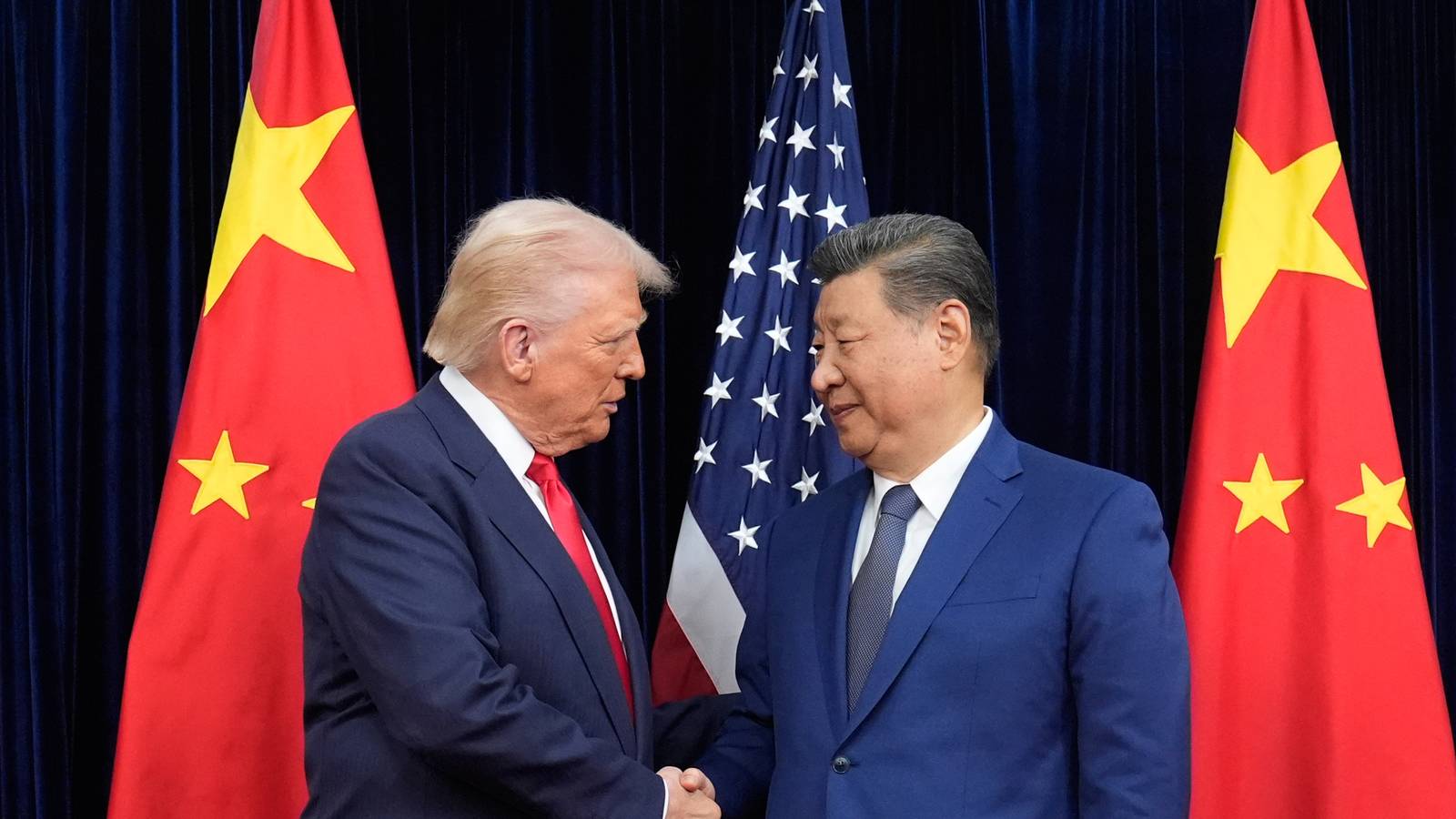

As U.S. President Donald Trump is set to meet with Chinese counterpart Xi Jinping, U.S. lawmakers are drafting legislation to deter the Chinese Communist Party and other foreign adversaries from acquiring American real estate and invading the domestic automobile industry.
Trump and Xi are slated to meet May 14-15 in talks that originally were intended to focus on tariffs and rare earth minerals, but have now expanded to envelope the global fallout of the war in Iran and China’s role in potential diplomatic relations. On Thursday, Trump told reporters “It’s going to be, I think, quite amazing. He’s been a friend of mine. I’ve gotten along with him very well over the years. We have had no problem. We’ve had no problem with China and Iran.”
Days before the anticipated meeting, U.S. lawmakers have drafted legislation to deter China’s footprint inside the United States.
Select Committee on China Chairman John Moolenaar, a Republican congressman from Michigan, introduced the Protecting U.S. Farmland and Sensitive Sites from Foreign Adversaries Act on Thursday aimed to safeguard U.S. national security and food security by closing gaps in federal oversight of foreign land acquisitions.
Foreign adversaries, in the context of the 14-page bill, include China, Cuba, Iran, North Korea, Russia and Venezuela. Moolenaar said adversaries like China have for too long been able to purchase American farmland and real estate near sensitive national security sites with limited scrutiny, posing risks to critical infrastructure, military readiness, and the resilience of the U.S. food supply.
The bipartisan bill is supported by Reps. Ashley Hinson (R-IA), Neal Dunn (R-FL), Gus Bilirakis (R-FL), Dusty Johnson (R-SD), Zach Nunn (R-IA), Nathaniel Moran (R-TX), Daniel Newhouse (R-WA), Pat Harrington (R-NC), Randy Feenstra (R-IA), Julia Brownley (D-CA), Josh Gottheimer (D-NJ), Jimmy Panetta (D-CA) and Mike Thompson (D-CA).
“This bipartisan legislation closes dangerous loopholes, presumptively bars foreign adversaries from purchasing land, and ensures the United States has the tools to stop these farmland deals before they threaten our security,” Moolenaar said in a statement shared with Military.com.
“It also implements the Trump Administration’s America First Investment Policy and USDA’s Farm Security Action Plan by giving the administration the authority needed to protect United States farmland and real estate near sensitive facilities,” he added.
Taiwan is also planned to consume some oxygen at next week’s summit, as Beijing recently iterated the importance of discussing the self-ruled island. China’s top diplomat Wang Yi told U.S. Secretary of State Marco Rubio last week that he hopes the U.S. will make the “right choices.”
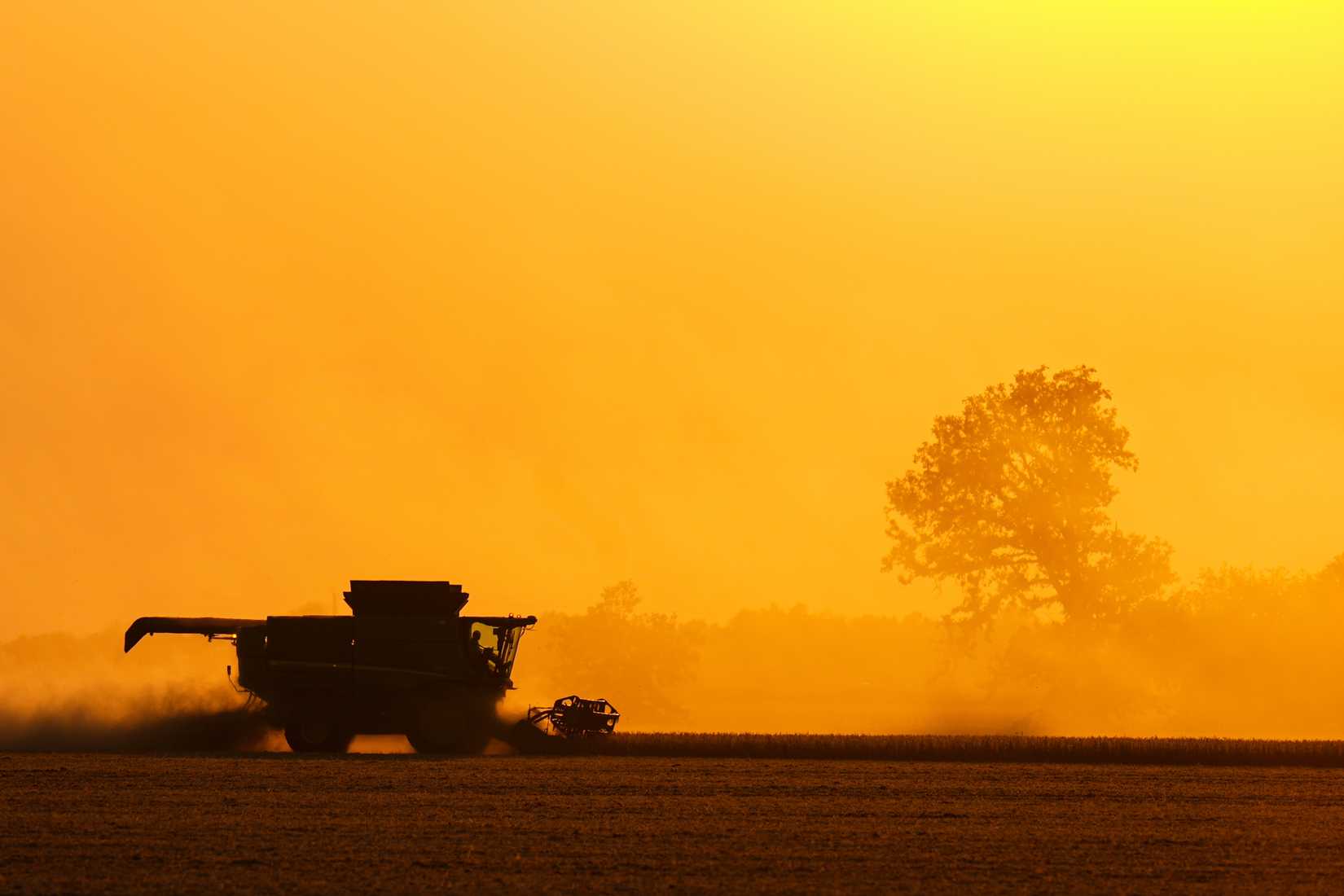
In the case of China, its U.S. farmland acquisitions are framed less in totality and more to the risks posed due to the acreage it owns.
China owned more than 277,000 acres of farmland as of 2023, according to reports, which suggest that the nation’s ownership of American agricultural land between 2010 and 2021 increased from 13,720 acres to 383,935 acres. That 383,000 number has remained steady, according to USDA reports.
Last year, Sen. Pete Ricketts (R-NE) warned of national security risks due to China owning land surrounding sensitive U.S. military grounds like the Grand Forks Air Force Base in North Dakota, and Fort Bragg in North Carolina.
The proposed legislation would ensure that the Committee on Foreign Investment in the United States (CFIUS) has the necessary jurisdiction to address real estate transactions involving foreign adversaries. It would also formally incorporate food security and agricultural biotechnology risks into CFIUS reviews, with the Secretary of Agriculture being a strong voice in approving transactions.
Also, the Protecting U.S. Farmland and Sensitive Sites from Foreign Adversaries Act would establish a new category of “elevated risk real estate transactions” that would spur mandatory review of purchases involving farmland, ports, telecommunications infrastructure, and locations in proximity to military installations and intelligence facilities.
“Foreign adversaries, led by China, have exploited gaps in federal law to acquire American land near our military bases, critical infrastructure and food supply,” Adam Savit, director for China policy at AFPI and a former senior advisor for national security at the U.S. Department of Agriculture, said in a statement shared with Military.com.
Savit said that after years of states leading on this issue, it’s time for the federal government to support broader efforts.
“Legislation is needed to close these loopholes and protect critical American infrastructure and American communities, and the provisions of this bill do just that,” he added.
Lawmakers Turn Focus to Chinese Impact on Auto Sector
Also on Thursday, Moolenaar and Rep. Debbie Dingell (D-MI) announced a plan to introduce bipartisan legislation to ban Chinese vehicles from U.S. roads.
“Every vehicle on American roads is a rolling data collection device, capturing information on location, movement, people, and infrastructure in real time, and we cannot allow Chinese vehicles or components to be a part of that system,” the lawmakers said in a joint statement shared with Military.com.
“The legislation we introduce will show bipartisan support for doing what must be done to protect the manufacturing sector, jobs, and the American people from China’s predatory trade practices and manipulative attacks on American industry,” they added.
That legislation is expected to be introduced later in May, following a Senate version late last month.
The Trump-Xi meeting will be the first time since November 2017, when Trump was in his first term, that an American president travels to Beijing. The pair last met in 2025 in Busan, South Korea.
Read the full article here
