



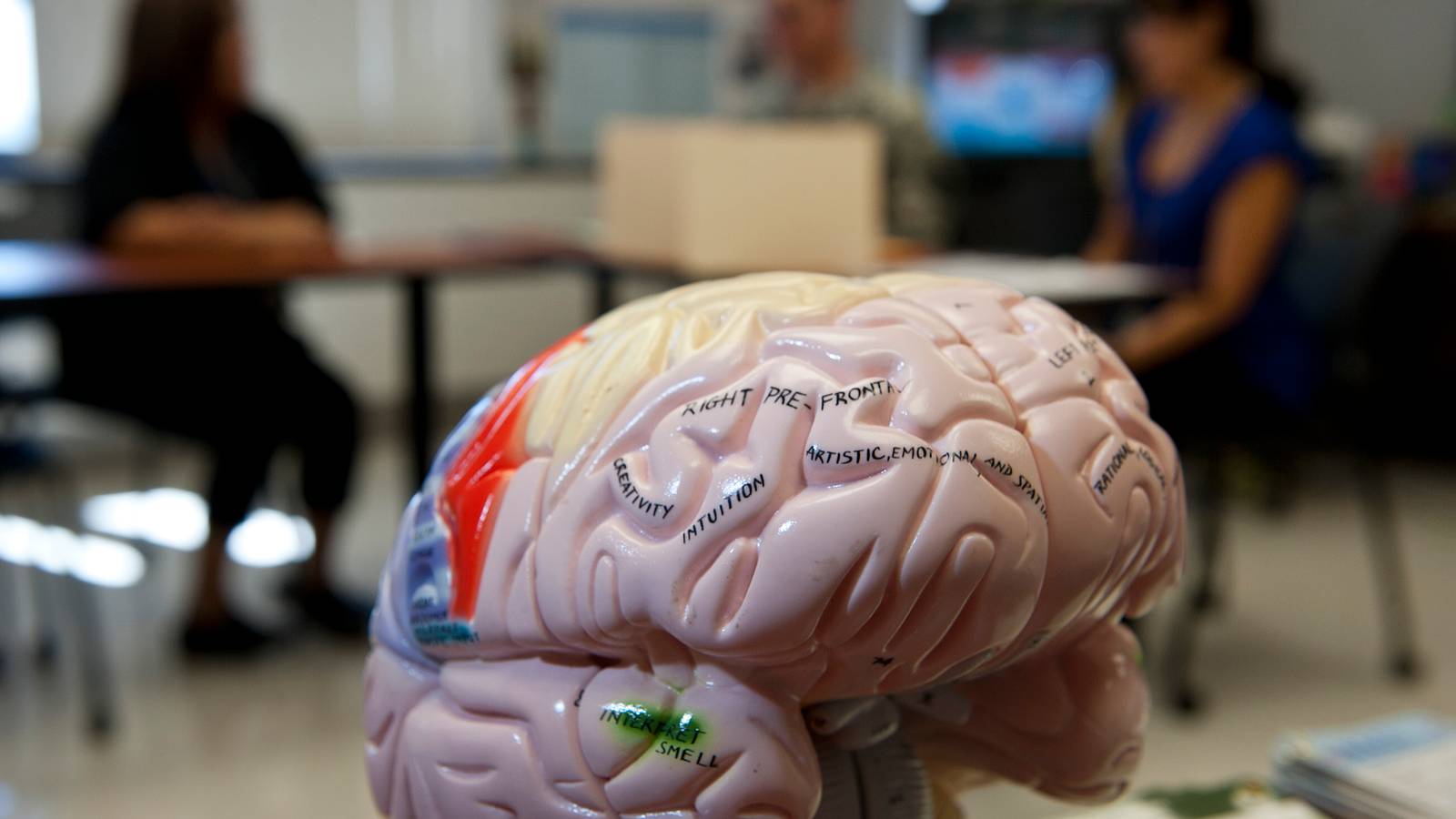

Active-duty U.S. military personnel and veterans suffering from traumatic brain injuries (TBI) and other related ailments could benefit from new federal research programs after the House authorized the creation of the so-called Blast Overpressure Task Force in its annual defense policy bill.
The House of Representatives approved its version of the Fiscal Year 2027 National Defense Authorization Act (NDAA) on Tuesday by a 216-212 vote, authorizing roughly $1.15 trillion in national security spending while establishing policy priorities for the Department of Defense (DOD) for the coming fiscal year.
The bill, which still must garner support in the Senate, includes military pay raises of up to 7%, faster health care for transitioning service members, and several reforms affecting the U.S. Air Force Academy, among other proposals.
If approved, the Department of Veterans Affairs (VA) will appoint health experts to the task force who are “involved in research regarding the mitigation and treatment of blast overpressure or blast exposure.”
These individuals would be tasked with improving how the VA provides health care and other benefits to veterans and people in the military diagnosed with TBIs, PTSD and other issues caused by blast exposure.
VA data recently revealed that the number of cases of TBI, which occurs when a sudden blow to the head causes damage to the brain, grew by 26% between 2021 and 2025, averaging more than 28,000 annual cases.
Rise Of TBI Cases
Roughly 556,502 veterans screened positive for TBI or a TBI-related diagnosis in VA medical records, or filed claims for VA disability compensation, between 2001 and 2025.
The Blast Overpressure Task Force would also align research agendas on health care and prioritize research associated with sleep therapy; blast-related gut health; mobile diagnostics; balance impairment; autonomic nervous system dysregulation and other related themes.
The task force, which would file annual reports to the Committee on Veterans’ Affairs and on Armed Services in the Senate and the House of Representatives, would be in place until September 30, 2029.
The legislation follows a different, successful TBI-based House bill that renews federal programs that support work combatting TBI.
The legislation, introduced by Rep. Frank Pallone, Jr. (D-N.J.), would reauthorize three federal programs that support TBI research, surveillance, prevention, rehabilitation and patient advocacy.
The programs, the TBI Surveillance and Registries Program, the State Grant Program, and Protection and Advocacy (P&A) Systems, were established in 1996 and expired in 2024. It heads to the Senate for approval.
But Congress also decreased spending on TBI research and treatment from $175 million in Fiscal Year 2024 to $40.5 million in FY26, according to multiple reports.
Other NDAA Bill Provisions
Elsewhere, the NDAA included one of the largest proposed military pay raises in years, providing increases ranging from 5% to 7%, depending on rank.
The legislation would also require the DOD to create a process allowing eligible service members to enroll in transitional health care within two business days after becoming eligible, speeding up their access to healthcare.
Having passed the House, the NDAA will now head to the Senate, which is expected to consider its own version of the legislation before negotiators from both chambers meet to resolve differences and produce a final compromise bill, which President Donald Trump will sign to become law.
Read the full article here
