





The Navy has failed to protect pilots from brain injuries aviators may have suffered from on fighter jets, a new congressional report has found.
The report released Tuesday by the House Oversight Committee claims that the Navy has not studied pilots to determine if the military branch has issues with brain injuries, which aviators can get from G-force turns and jumps from aircraft carriers.
Naval aviators experience severe physical stress from rapid catapult launches and aggressive landing decelerations that can cause cumulative neurological damage over time.
Failing to track these repeated deceleration forces creates a critical oversight gap that leaves pilots vulnerable to progressive cognitive and physical decline long after their service.
“Despite credible warnings, external reporting and internal awareness, the Navy has yet to determine whether the very conditions that define naval aviation may also be causing long-term harm to the pilots who endure them,” the report said. “Instead, it has relied on a system designed to respond to visible injuries, while leaving potential cumulative damage largely unexamined.”
Military.com reached out to the Navy for comment.
What Led to the New Report
In 2024, the New York Times published an investigation showing that three pilots with brain injury symptoms died by suicide within 18 months.
Concerns escalated years after when a civilian neurologist reportedly raised concerns to the service in 2020, saying he was seeing a pattern of brain injury but then stopped receiving Navy patients.
But after three career pilots who flew the Navy’s F/A-18 Super Hornet died by suicide, several Naval officers grew deeply concerned, according to internal documents reviewed by the House committee in recent years.
This sparked Rep. James Comer of Kentucky, a Republican who presently chairs the House Oversight Committee, to demand a report into the matter.
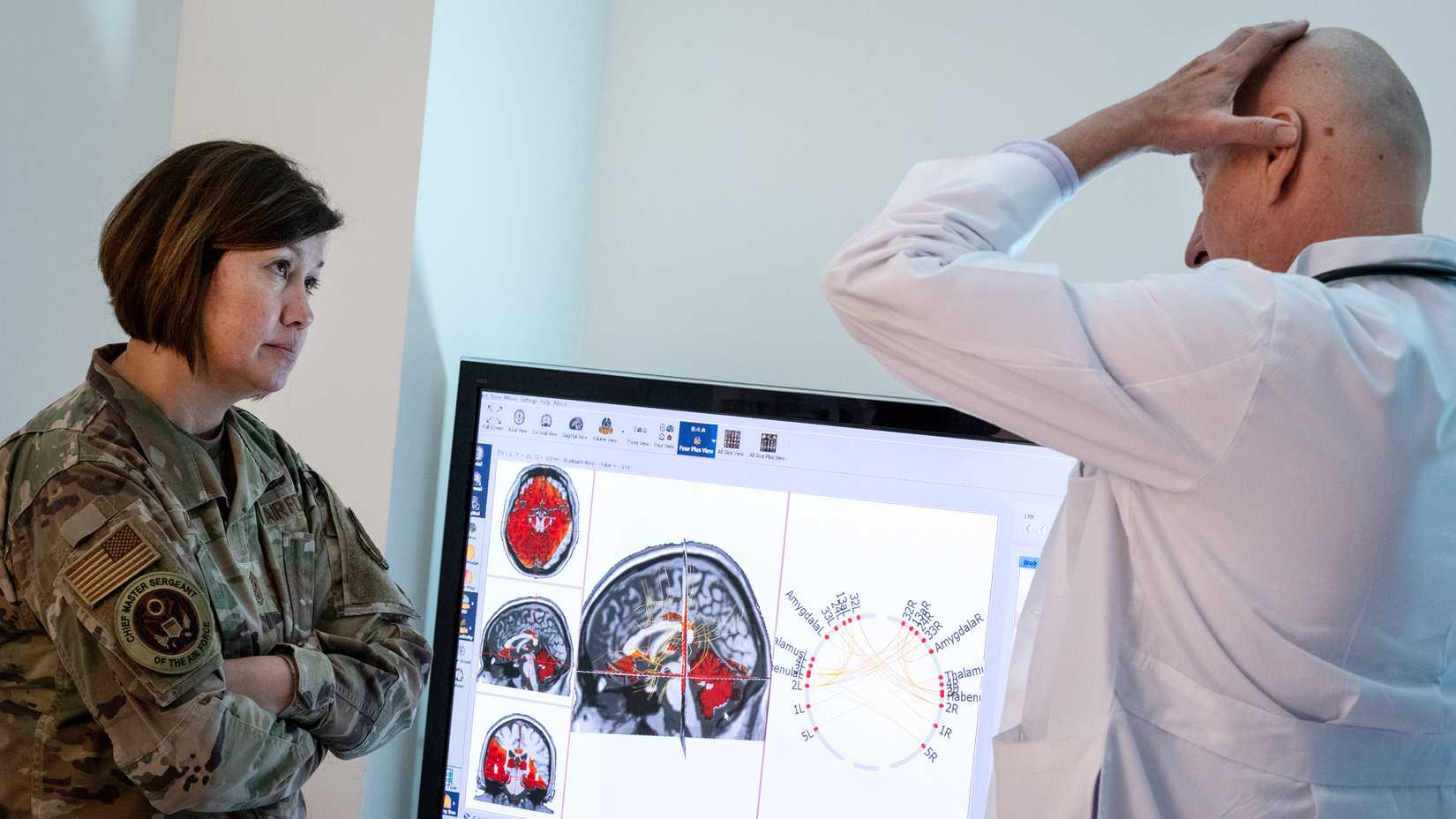
The new report published Wednesday found that the Navy had not launched a formal investigation into the extent to which fighter jets cause injuries and had not put monitoring in place to detect injuries, despite the aforementioned reporting by the Times.
It also found the Navy has also not looked at the long-term impacts of flying fighter jets.
The committee said Congress should pass legislation to make the military create a program to study and care for aviators’ brain health.
“In sum, the Navy’s response to the committee reveals a paradox: A well-funded and expansive research enterprise that has nonetheless failed to address a consequential question in aviator health,” the report said.
“Given the Navy’s substantial investment in human capital, failing to allocate comparable resources to understanding risks and protecting that investment, particularly in terms of long-term health, is unfortunate,” it added.
A U.S. Government Accountability Office (GAO) study in August found that the DOD must assess the resources needed to monitor its research into military blast exposure, a similar condition that accumulates over time when military personnel are exposed to weapons, training and other blasts.
Evidence increasingly suggests that these blasts can cause brain injuries that are linked to issues such as an increased risk of suicide and the developing of Alzheimer’s disease.
Read the full article here
