



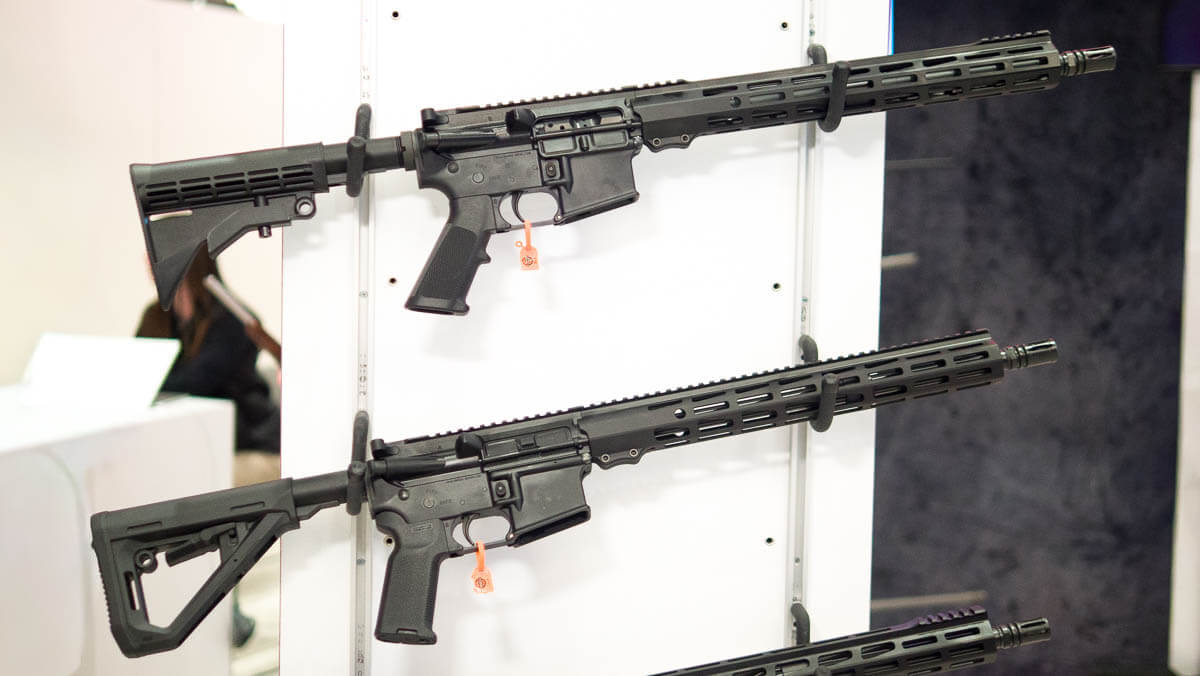

The Ruger Harrier isn’t a refresh or a cosmetic rebrand. It’s Ruger starting over on the AR platform and doing it deliberately. The Harrier comes in two configurations, and both offer more than the usual features in a quality production gun from a reputable manufacturer.
Anderson Manufacturing Roots
Last year, Ruger acquired Anderson Manufacturing’s Kentucky facility and tooling. Rather than continuing that brand or grafting parts onto existing rifles, Ruger used the move to re‑engineer its AR rifle line from the ground up.
The Harrier is the first result of that decision. It reflects Ruger taking control of tolerances, assembly, and long‑term support rather than treating the AR as a commodity product.
Tight Where It Matters
My favorite detail on the Harrier is easy to miss: an adjustable tension system on the rear takedown pin. Ruger added a user‑adjustable screw that removes upper‑to‑lower play without shims or aftermarket parts. It’s the kind of feature experienced AR owners add later, but Ruger made it standard.
The hangar has another interesting feature. Anti‑rotation tabs on the handguard index directly against the upper receiver, preventing shift under recoil or hard use. I’ve never had an issue with a handguard loosening, but someone probably has, and this idea addresses it.
SEE ALSO: Ruger Introduces Harrier Rifles, a Ground-Up Reboot of Its AR Line
Furniture Details
Ruger didn’t stop at the receiver interface. The Harrier comes with both A2 buttstock and grip or MagPul furniture. Both include QD sling sockets in the buttstock and the handguard, allowing proper two‑point sling setup without adapters or bolt‑on hardware.
The A2 stock is also a little wider than usual. Both also have M-Lok slots up the handguard, but the MagPul version includes a full-length pic rail on top.
These are small details, but together they suggest a rifle that has caught up to current configurations better than your average budget rifle.
A Subtle Fix for Safety Lever Compatibility
The lower receiver markings also show unusual care. Ruger uses a curved “FIRE” marking rather than a straight stamp. That curve aligns cleanly with both 45‑degree and 60‑degree safety levers, which means the lever always points at FIRE no matter the throw.
It’s a minor change, but it acknowledges how modern ARs can be configured today.
Core Configuration
At its foundation, the Harrier sticks to proven standards. Forged 7075‑aluminum receivers, Type III hard‑coat anodizing, a nitride‑treated barrel with a 1:8 twist, and a staked bolt carrier group form the backbone.
Where the Harrier Lands
I don’t know if it’s named for the type of slender marsh hawk of the same name, but it’s a good namesake. Ruger’s Harrier isn’t a premium billet rifle, and it’s not trying to be. Instead, it’s Ruger asserting control over the middle ground: a production AR built with tighter tolerances, better interfaces, and fewer obvious upgrade needs out of the box.
For shooters who want a solid base rifle without immediately replacing parts, the Harrier makes a convincing case.
Ruger Harrier – Key Details
- Caliber: 5.56 NATO / .223 Remington
- Receivers: Forged 7075 aluminum, Type III hard‑coat anodized
- Handguard: Free‑float, M‑LOK with anti‑rotation tabs
- Barrel: 16.1″, nitride treated, 1:8 twist
- Upper/Lower Fit: User‑adjustable tension screw
- Sling Mounts: QD points in buttstock and handguard
- Safety Markings: Curved “FIRE” compatible with 45° and 60° selectors
- Manufacturing: Hebron, Kentucky
- MSRP: $699/$749
Learn more HERE.
*** Buy and Sell on GunsAmerica! ***
Read the full article here
