



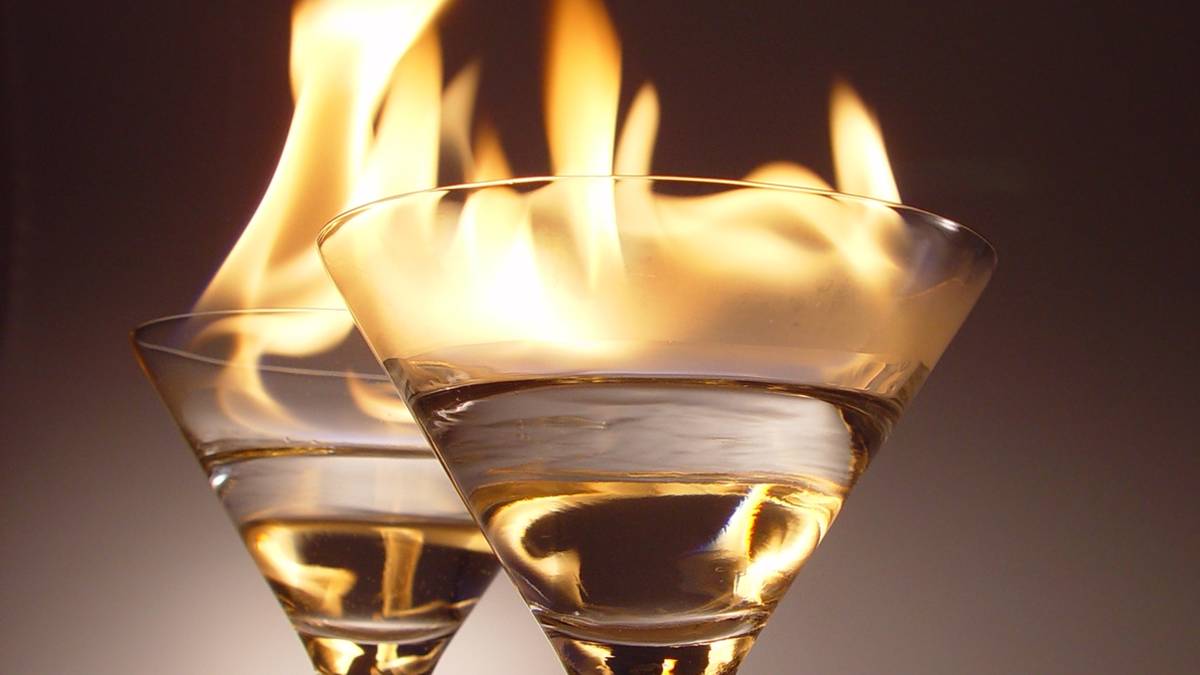

According to a recent study, most American veterans over the past decade have been drinking less. A small and welcome piece of good news buried in the sometimes anxiety-inducing health data. Binge-drinking is down, with younger veterans in particular pulling away from the bottle. Even the gap between how much men and women drink has been shrinking.
Then there is the exception. Veterans between the ages of 35 and 49 who are supposed to be past their rowdiest years and settled into careers and families are the one group whose heavy drinking is climbing.
While everyone around them drinks less, they are trending toward drinking more. A new study suggests the reason has less to do with alcohol than with the root causes that often lead to drinking.
What’s In the Study
The findings come from a peer-reviewed study published this year in the journal Drug and Alcohol Dependence Reports. It examined nationally representative federal survey data on veterans from 2016 through 2024.
Researchers drew on the Behavioral Risk Factor Surveillance System, the large annual health survey run by the Centers for Disease Control and Prevention. They then tracked how patterns of drinking shifted over those nine years.
Binge drinking stats were very optimistic. They defined this statistic as consuming enough in a single sitting to push blood alcohol to risky levels, and it declined among veterans overall. The steepest drops were found among those aged 18 to 34 and among men.
Stats on heavy drinking are where the story starts to diverge. Defined as sustained excessive consumption over time rather than in one sitting, it held steady across the whole veteran population.
However, among veterans aged 35 to 49, it rose significantly. Female veterans, meanwhile, saw their heavy drinking decline, narrowing a longstanding gap between the two sexes. In other words, the overall improvement masked a specific segment of veterans moving in the wrong direction in regard to alcohol consumption.
35 to 49
The midlife finding runs against usual patterns. Risky drinking tends to fade as people age; as the metabolism slows, the hangovers worsen, and responsibilities start piling up. For this group of veterans, that curve bent the other way.
Dr. Vytautas Vaicys, an emergency medicine physician in Dallas who has worked with former service members, said: “The research reads less like a story about alcohol than a signal about the years after service ends.”
Veterans, he told Military.com, “often struggle with life after the uniform comes off, a period when the structure and purpose of military life fall away. The ordinary milestones of adulthood, such as a career, a home, a family, have frequently been delayed by years of service.”
Heavy drinking that climbs in midlife, by that reading, is less a cause than a symptom. Instead, it appears to be a visible sign of a harder transition happening in the veterans’ lives.
Signal vs Noise
Here, the study points in that same direction. Among the factors the researchers examined, poor mental health stood out. They found what they described as a graded association between mental health and heavy drinking, meaning that the worse a veteran’s reported mental health, the more likely heavy drinking became. It was not a single threshold but a slope that worsened incrementally.
Other correlates fit the picture, as well. Tobacco use and barriers to getting care were both linked to heavier drinking. Having military-related health insurance was associated with less binge-drinking, a hint that access to care indeed makes a difference.
None of this proves that poor mental health causes veterans to drink, and the study does not claim it does. But the association is consistent with a large body of research tying alcohol misuse among veterans to post-traumatic stress, depression and the strain of readjusting to civilian life.
That is what makes the midlife number worth reflecting on. It seems not really to be a drinking statistic, bearing the hallmarks of a mental health statistic wearing a drinking statistic’s clothes.
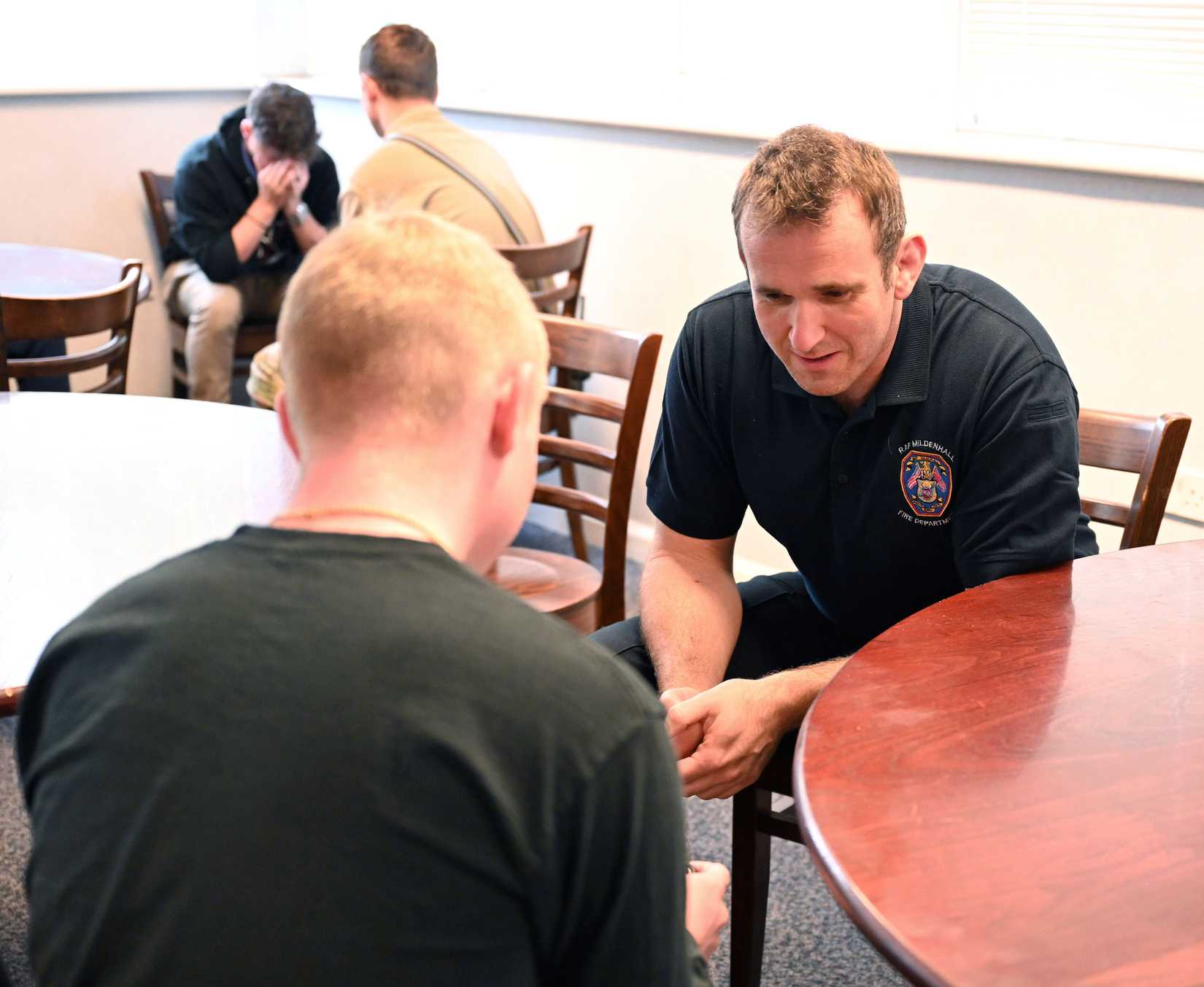
Don’t Overlook the Good
It would be a mistake to read the study as simply a bearer of grim news. The broad decline in binge-drinking, and the drop among younger veterans and women, is genuine progress, suggesting that prevention efforts as well as shifting cultural attitudes toward alcohol are reaching a large part of the veteran population.
That progress is exactly what throws the midlife trend into the spotlight. When most groups are improving, and one is not, the one left behind becomes easier to see. Thus, it becomes harder to explain away as a general feature of veteran life. Something very specific is happening to veterans in the middle.
Researchers Caution
Like any study, this one comes with limits; its authors are careful to name them. Some of the fluctuations around 2020 may reflect pandemic-related changes in drinking that the analysis was not designed to isolate. The survey’s definitions of binge and heavy drinking may not capture every pattern of use.
And the data did not include military sexual trauma or deployment history, two factors the researchers noted could shape veterans’ drinking, and that future work should examine.
What the authors do call for is sustained attention to the group the data flagged. Along with care that treats tobacco and alcohol together, responds to the different needs of men and women, and is built around an understanding of trauma. The recommendation is to stop treating the drinking in isolation, but there needs to be an epiphany on the veteran’s part first.
Hard to Start
For those who see themselves anywhere in these numbers, or even if you don’t, the main takeaway is that the drinking is often the part that shows. There are sometimes more factors at play, bubbling underneath, all worth addressing directly.
The Department of Veterans Affairs offers substance use and mental health care.
Vet Centers provide readjustment counseling to combat veterans and their families, among many other options, often with less bureaucracy than veterans expect. Some non-profits are offering assistance through fitness programs.
Veterans in crisis, or anyone worried about one, can reach the Veterans Crisis Line through online chat, or by dialing 988 and pressing 1, or by texting 838255. The line is free, confidential, and available at all hours.
The study found a trend; behind it are people carrying something quietly into middle age, at the point in life when the culture assumes the hardest part is behind them. For a meaningful number of mid-life veterans, the data suggests, it is not.
Read the full article here
