



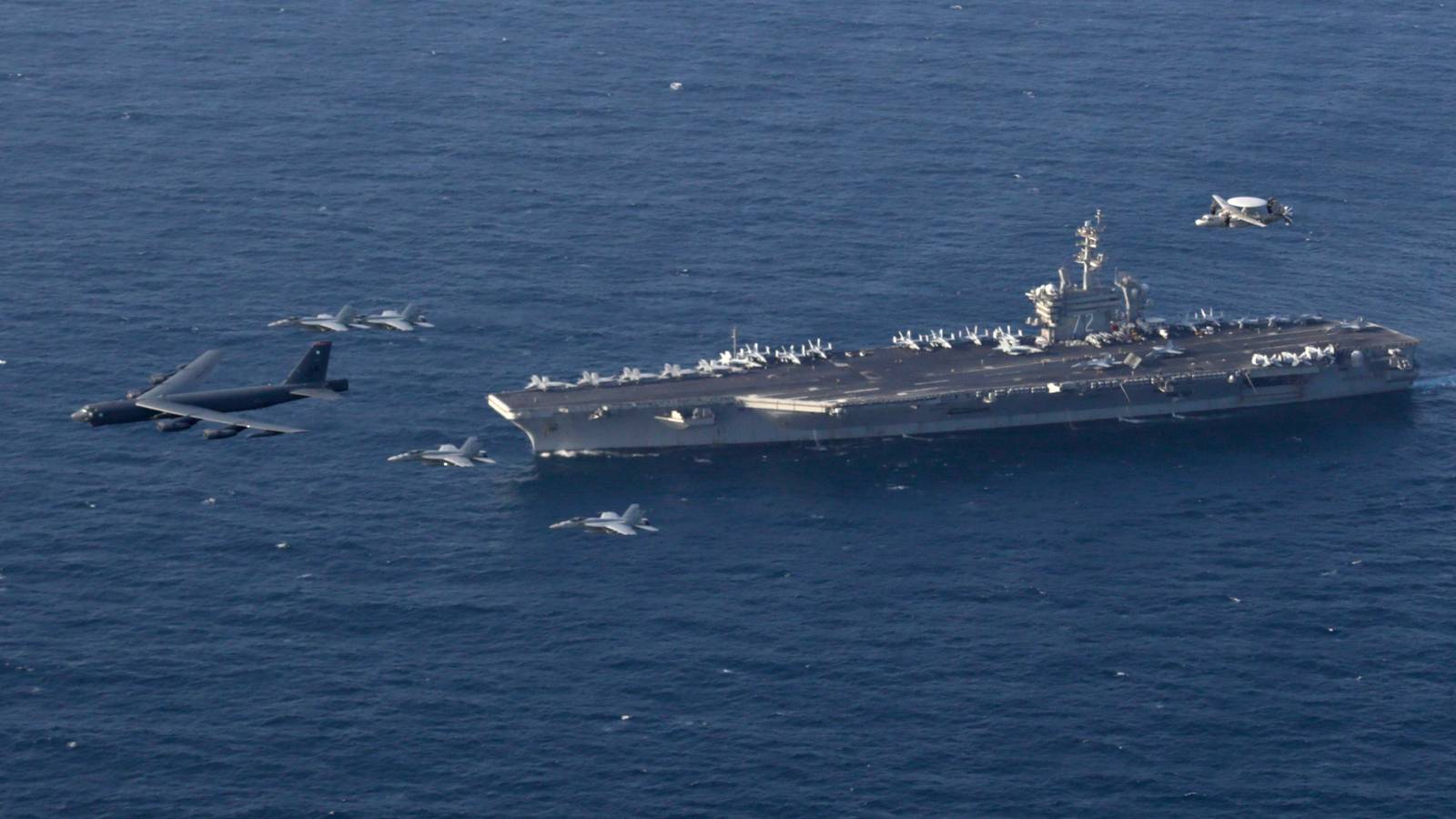

Lawmakers in Washington are demanding answers from the Navy amid reports of a mental health crisis onboard the USS Abraham Lincoln, which is involved in the U.S.’s war against Iran.
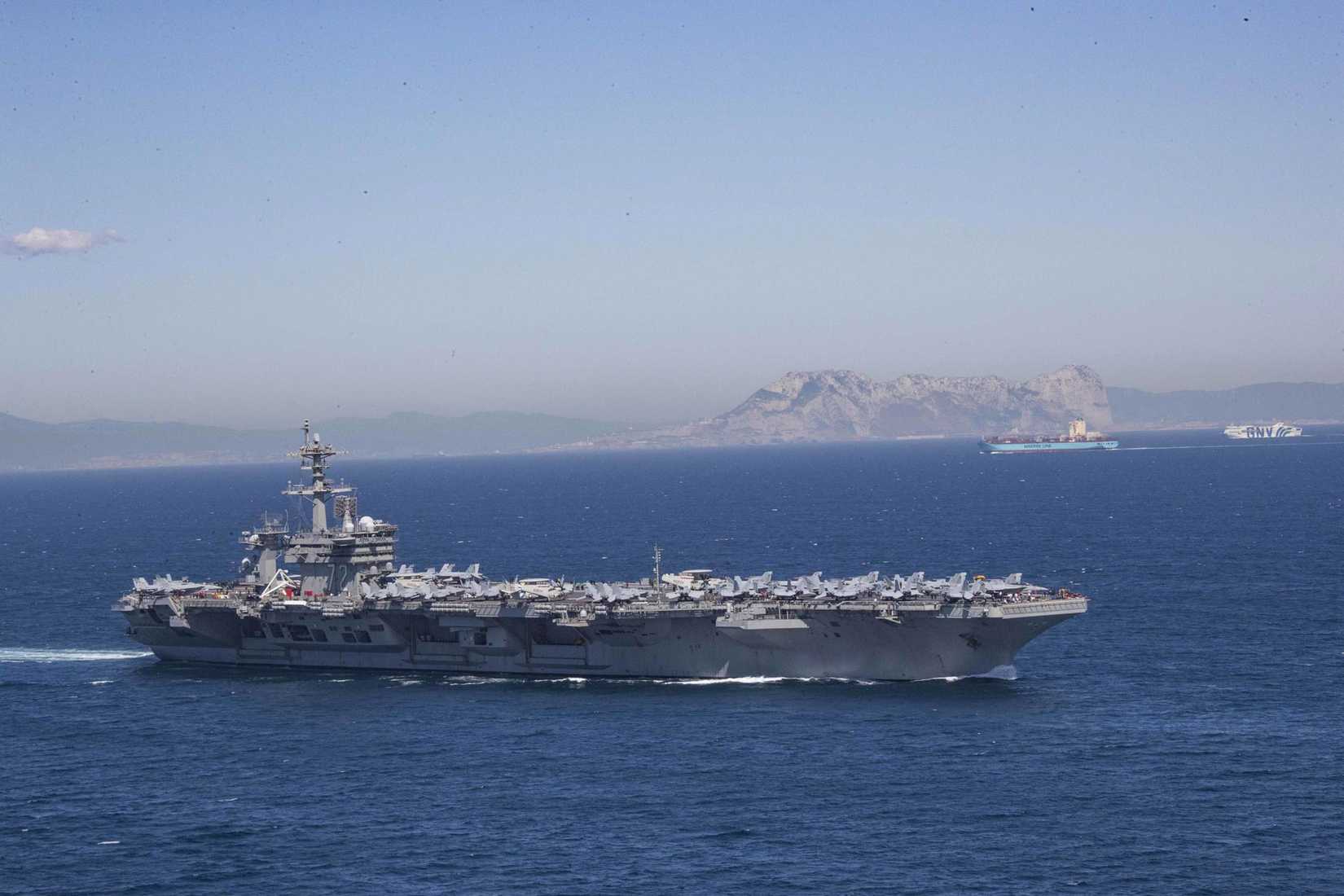
The USS Abraham Lincoln, which has 5,000 sailors and marines on board, has been at sea for nine months. It has been in combat with Iran for five months, and has spent 250 days in a row without making land—leaving those on board without the opportunity to see their families and friends.
Lawmakers reacted to multiple reports from the Navy Times and Stars and Stripes which, citing interviews with sailors’ family members, allege that sailors have made multiple attempts to jump overboard and are experiencing other issues with their mental health.
The outlets said some people aboard the ship are suffering from exhaustion, suicidal thoughts and low morale. They interviewed spouses who said their partners had prevented sailors from jumping overboard on at least one occasion.
Naval families have also said there are safety concerns, food shortages, water contamination, and disruption in the mail system on the ship, according to reports.
Military.com contacted the Navy and Department of Defense for comment.
What Lawmakers Are Saying
Sen. Richard Blumenthal (D-Conn.), a member of the Senate Armed Services Committee, wrote a letter to Defense Secretary Pete Hegseth and Acting Navy Secretary Hung Cao on Wednesday to express “serious concern” about the reports.
“There have been widespread reports of shortages of basic supplies, water contamination, plumbing issues, deteriorating mental health, deck safety concerns,” aboard the ship, he wrote in the letter, reported by CNN, as well as “disruptions in the mail system, which have caused many care packages in route to the ship to be lost in transit for months.”
Rep. Mike Levin, a Democrat who represents California’s 49th Congressional District, criticized Hegseth over the reports.
The secretary initially called reports about rationed food and moldy showers onboard that emerged in April “more fake news.”
“It’s been a week since a dozen military families shared what their loved ones are enduring aboard the USS Abraham Lincoln,” Levin wrote. “These men and women signed up to serve their country. The least their country owes them is hot water, a working toilet, and a real meal.
“Hegseth cannot even manage that, and he has the nerve to look their families in the eye and call them liars.”
Rep. Seth Moulton (D-Mass.), a Marine veteran, told CNN that the reports were “horrific” and said the House Armed Services Committee—which he is part of—will be conducting an investigation into the matter.
Navy leadership met with the family of sailors who are aboard the USS Abraham Lincoln on Thursday in San Diego, according to Stars and Stripes. They listened to the family’s stories and pledged to support those on the vessel.
A Navy official told CBS News that the “Lincoln is operating in a highly contested environment where traditional supply hubs in the Middle East were disrupted by combat actions. In response, leadership prioritized mission-critical supplies: first food, then hygiene items, then mail. Current reports from the ship confirm continuous access to clean water, functional AC, and healthy meal options.”
Iran War Continues
As sailors suffer at sea, the war with Iran continues.
Talks between the U.S. and Iran have stalled due to a diplomatic deadlock, with negotiations falling by the wayside in recent weeks while gas and grocery costs continue to increase domestically.
Patrick De Haan, head of petroleum analysis at GasBuddy, said Wednesday on X that the U.S. national gas average “is now at its highest ever level this late in the calendar year,” citing internal data, meaning that the national average has never been above $4 per gallon gal after Aug. 12 in any previous year, ever.
Tehran said Thursday the Strait of Hormuz, a key trade passage, is “under Iran’s control and management” after President Donald Trump said the U.S. has “total control” over the waterway.
Last month, Hegseth made a public pitch to Senate lawmakers to approve a $1.5 trillion defense budget. As part of his argument in favor of the major appropriation, he said not funding defense is the “greatest threat” facing the U.S.
Read the full article here
