



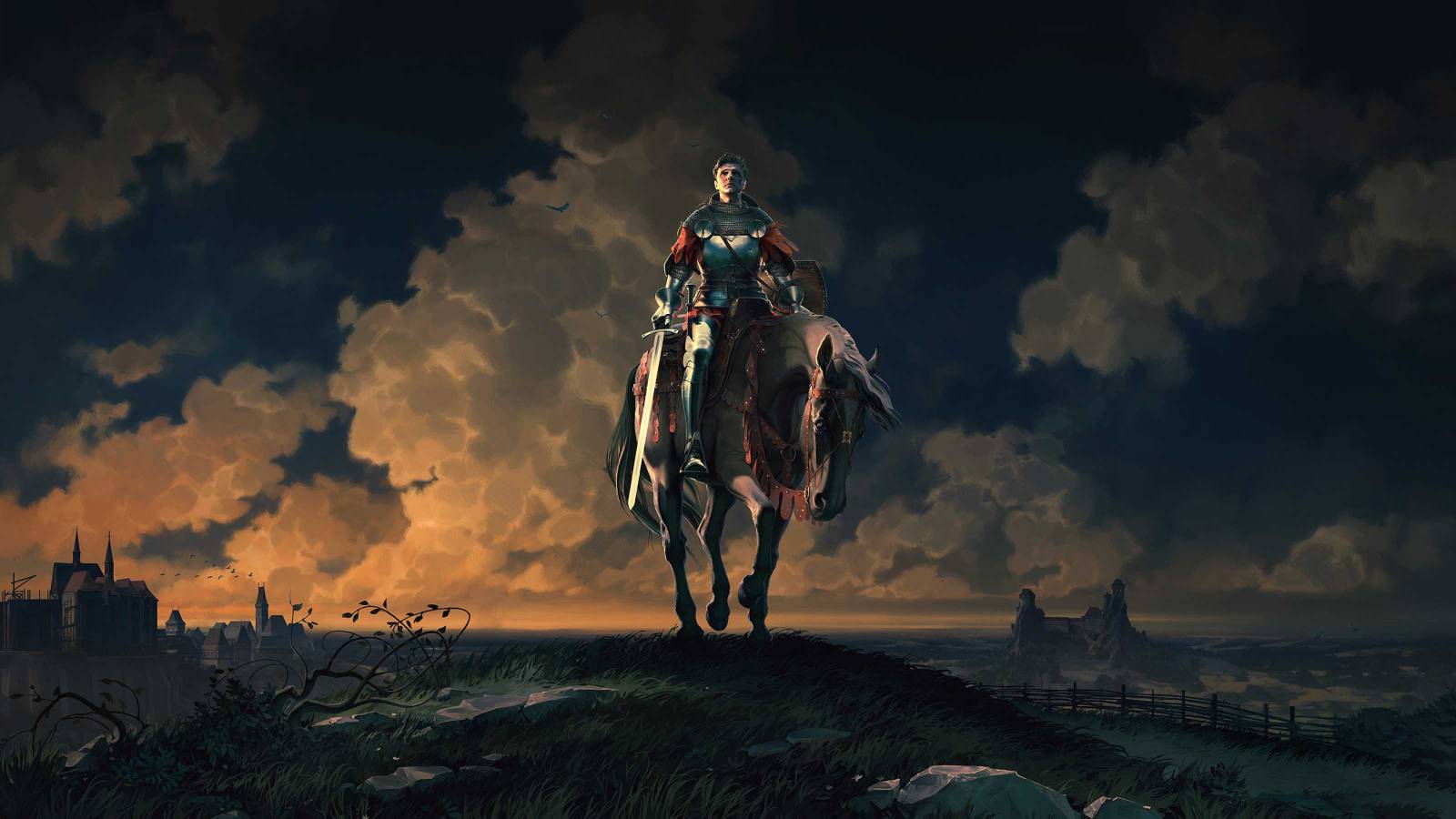

As set in stone as it is, it’s still hard to believe that Warhorse Studios announced a follow-up to Kingdom Come: Deliverance 2 last month. It makes a bit more sense given that it might not be a direct sequel, or that it wasn’t even the biggest news story of the studio’s reveal stream—the confirmation that it’s also working on an open-world Middle-earth RPG is, naturally, a bit of a showstopper. But the detail that’s hard to shake is actually unrelated to that incredibly exciting second title, and a bit more involved: the follow-up to Kingdom Come: Deliverance 2 is targeting Warhorse’s next fiscal year for release, placing it somewhere between April 2027 and March 2028.
That window would put the next Kingdom Come game in players’ hands less than three years after KCD2 launched in February 2025. On paper, that sounds like a gift from Warhorse to a fanbase it’s kept waiting before—after all, it took the studio seven years to go from the original game to its sequel. That said, a sub-three-year turnaround for a threequel that should (in theory) be bigger or better in one way or another sounds ambitious in a way that deserves a second look.
What Seven Years of Development Actually Built in Kingdom Come: Deliverance 2
For context, Kingdom Come: Deliverance 2 wasn’t some small game that just happened to take a long time to make. It nearly doubled the map size of the already ambitious, indie-developed original, earned multiple Game of the Year nominations (winning a few, too), and sold over five million copies in its first year. It truly was the product of seven years of singularly focused development, and it showed—in the layered quest design, the authentic Bohemian history on display, and the density of daily medieval life that made the world feel inhabited and involved rather than assembled.
By the numbers alone, that’s clearly a pretty stark contrast to what looks like a three-year development cycle. Warhorse Communications Director Tobias Stolz-Zwilling even acknowledged that timeline directly during the post-announcement community stream—though, credit where it’s due, his phrasing was direct enough to be disarming:
“If everything goes right, it comes next fiscal year. Which means you don’t have to wait seven years for another Kingdom Come game. That is good!”
The spirit of the statement is hard to argue with, but even so, the conditional at the start — “if everything goes right” — seems like it may end up doing a lot of work. The saving grace is probably that the studio has already built a solid foundation with the first two Kingdom Come: Deliverance games, and if it really wanted to, it could use that as a template for the next rather than building the third entry from the ground up.
Warhorse Is Also Working on an Open-World Middle-earth RPG
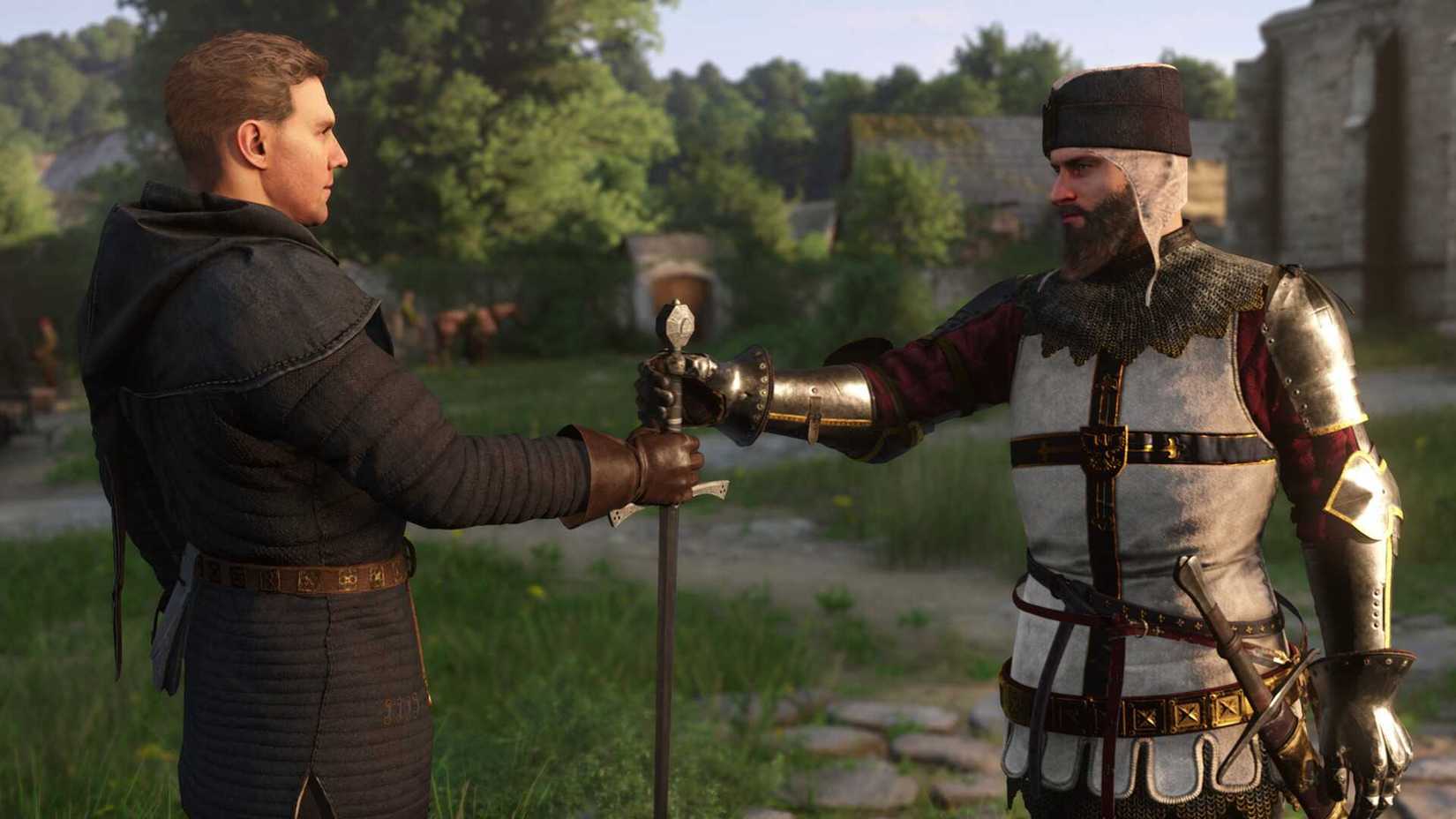
What’s more, Warhorse is simultaneously developing a fully open-world RPG set in J.R.R. Tolkien’s Middle-earth, and the last two games director, Daniel Vavra, stepped into a different role to oversee work on a film adaptation of the Kingdom Come franchise. All at once, these are ambitions that would make even the most experienced, bankrolled AAA developers nervous. Despite numerous triumphs over the years, Warhorse Studios is decidedly not that, and Stolz-Zwilling even acknowledged that “this is new for Warhorse Studios” during the same stream.
A sub-three-year turnaround for a threequel that should (in theory) be bigger or better in one way or another sounds ambitious in a way that deserves a second look.
In terms of games alone, two parallel open-world RPGs from a studio whose reputation was built on the precision and patience of its historical worldbuilding is a logistical stretch under any conditions. Warhorse has grown and evolved considerably—from around 120 employees at KCD‘s launch to close to 300 today—but raw headcount doesn’t automatically produce the kind of focused craft that made KCD2 feel as considered as it did. It isn’t just about labor either, as splitting development across two ambitious projects simultaneously means splitting or doubling down on creative direction, development practice, and so much more.
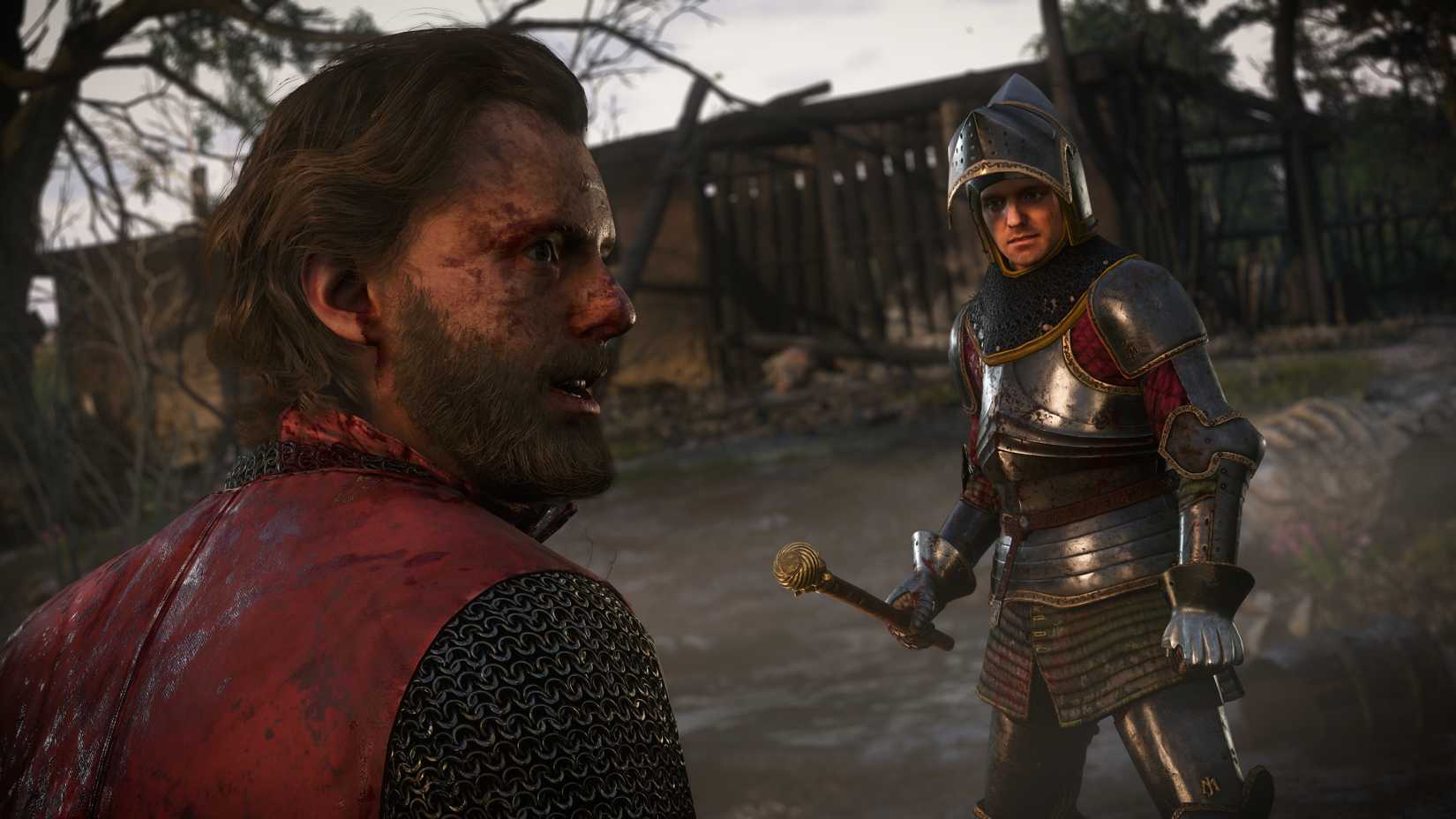
As intangible as that split can make things sound, the creative assignments behind each project make the challenges more concrete. Prokop Jirsa, who served as lead designer on KCD2, will head the new Kingdom Come title, which is a reassuring sign that someone deeply familiar with the series’ design DNA is steering it. But Viktor Bocan, KCD2‘s design director, has been moved over to lead the Middle-earth game, which means the two most senior creative architects of KCD2 are now running separate projects rather than pooling their instincts on one.
Read the full article on GameRant
This article originally appeared on GameRant and is republished here with permission.
Read the full article here
