



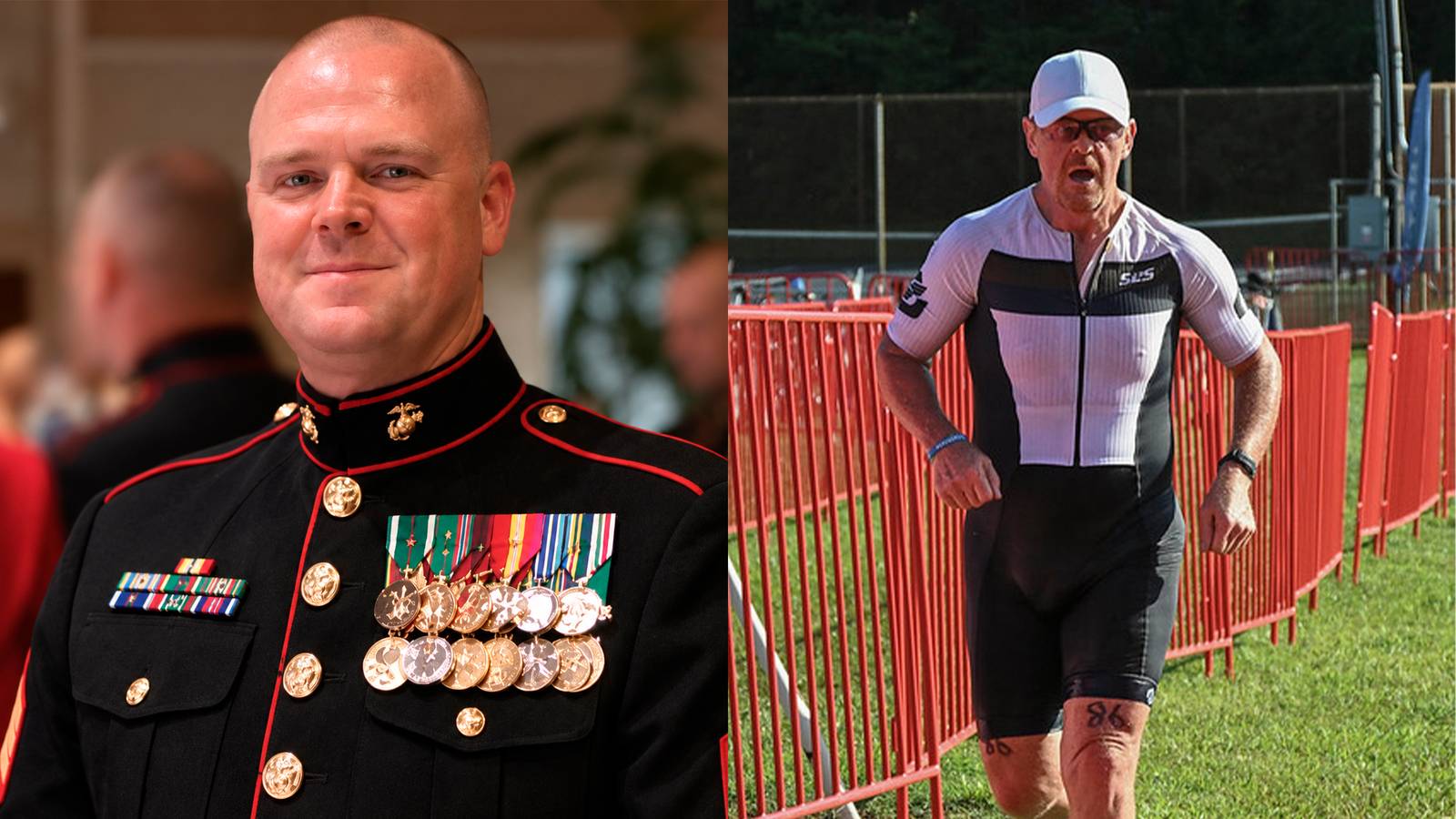

Jason Bush said that leaving military service was “rough” and “an adjustment,” leading to him gaining weight and eventually becoming 424 pounds. Following a series of mental and physical health struggles, he decided enough was enough.
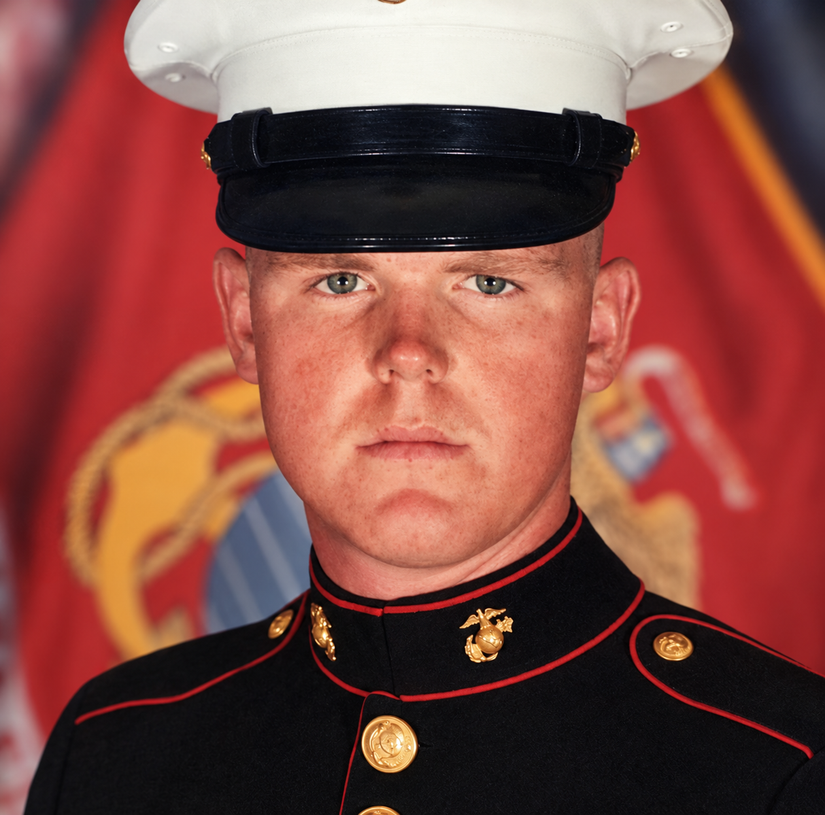
Bush, 54, of Chesapeake, Va., enlisted in the U.S. Marine Corps in 1990 and retired in August 2010. During the last couple of years of his career, he developed a hip injury that hindered the physical activity that long had been part of his life. As he put it, he “started gaining a little weight on the way out the door.”
“You spend the majority of your adult life in the military with structure and everything, and then you get out, and you got to find your way, kind of figure out how to balance everything,” Bush told Military.com. “It gets a little rough and dicey at times.”
Transitioning out of the military is difficult. The routine daily tasks, like conditioning, can easily fall by the wayside while life has other plans.
“In my case, I was eating badly. I was living a bad lifestyle,” Bush told Military.com. “I was up all night drinking, eating, not doing the right thing. You just kind of get into a spiral. And then, before I realized it, I was having some medical issues and medical problems.”
But his story has a happy ending. Not only did he lose 243 pounds overall, including approximately 200 pounds in the course of the first year of his weight-loss journey, he has also become a triathlete.
‘I Kind of Crashed the Car’
Bush works today as a program management specialist in the U.S. Coast Guard, assisting in managing all the dining facilities.
But years ago, around 2021, Bush had a weight gain he just couldn’t ignore. He described it as a buildup, exacerbated at least mentally due to having a friend who was having weight issues during the COVID pandemic.
“And he passed,” Bush said. “So, I started getting into that whole—I got to do something. About the same time, I started having medical concerns. I was having edemas in my lower extremities, so my legs were swollen up the size of watermelons through my ankles.”
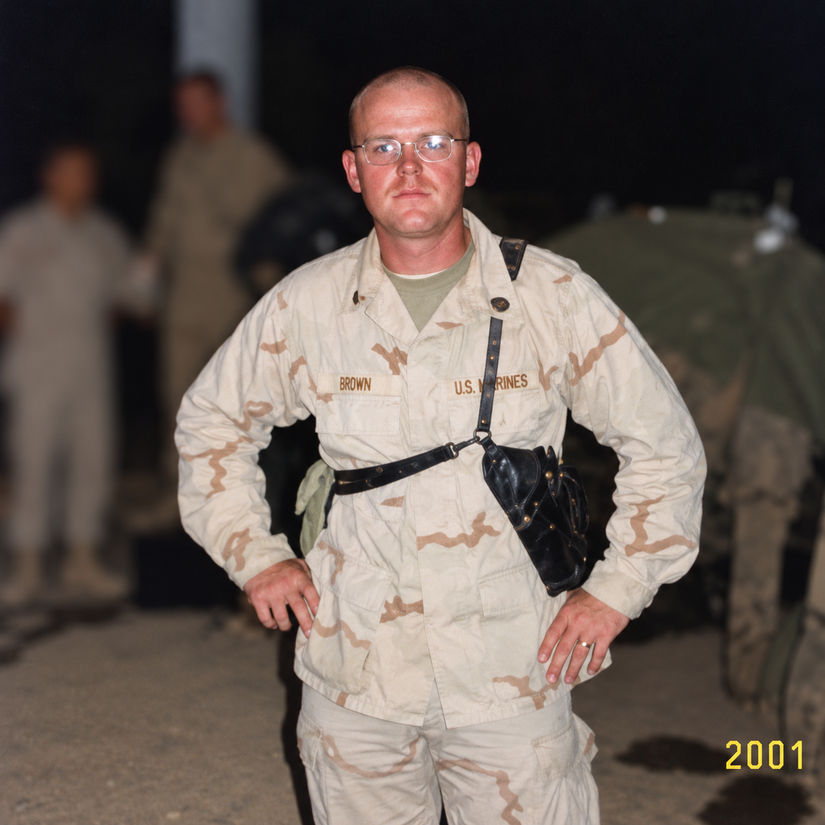
His doctor told him that the only way to alleviate such pain was to lose pounds. Bush knew it, too, evident by his lack of mobility and inability to walk up 15 steps to his apartment without stopping or breathing heavily.
This was also before GLP-1 drugs like Ozempic were commonplace. Bush didn’t want any drug-based solution anyhow, and he also didn’t want to go under the knife.
He found a program called GOLO in a magazine during one of the doctor’s appointments, which is essentially a commercial diet designed to help manage insulin resistance.
“I kind of dismissed it at first, and then I saw it a second time,” he said. “I started looking into it and actually gave it a little bit of validity and just kind of started looking into it.
“But I didn’t have an epiphany, like a lot of people talk about. I didn’t have a, like, ‘Oh my god.’ I mean, I knew I needed to lose weight. I knew I needed to become healthy. It was just a matter of doing it and setting myself to it.”
How the GOLO Plan Fit Into the Weight Loss Journey
Bush, who today weighs 185 pounds, started his GOLO plan, which he found straightforward and not restrictive.
For someone like him who enjoys cooking but not having to count ‘points’ or meal prep, it offered a balanced lifestyle that kept him full without excessive consumption.
Even he admits that aspirations of losing 40 pounds wasn’t the major intent. He just wanted to prove his own resiliency while living a lifestyle he was proud of.
“I just took the approach of, I kind of crashed the car, so I’m gonna let it drive for a second,” he said, adding that some five years later he’s still in “shock” over the effects.
There’s also a lot of self-doubt that comes with health and physical appearance. His journey was similar to countless others.
“I don’t want to go back,” he said. “I think the biggest fear that anyone who loses a substantial amount of weight and change their behaviors…is gaining it back. Like, one day I’m going to wake up and I’m going to be back to 400 pounds, wearing a 4XL shirt and wearing a size 54 pant.”
He thought about his youth as well. He went to the military at age 17 and learned how to be self-sustaining. But when he retired he admittedly lost that sense of ownership over his body.
“I think consistency is always the key in everything,” he said. “I go out and I run almost every day. There are some days that I skip. I had a string of 260 days where I was running every day.”
He tries to swim three times per week, the same with cycling. He calls it part of a broader “free-form” plan in which he doesn’t feel forced to be active or feel like someone is telling him to do something.
Becoming a Triathlete
Bush sort of became a triathlete by chance.
He started running 5Ks in 2023, some of which he completed in some 35 minutes. “I didn’t die,” he said, part of his life motto.
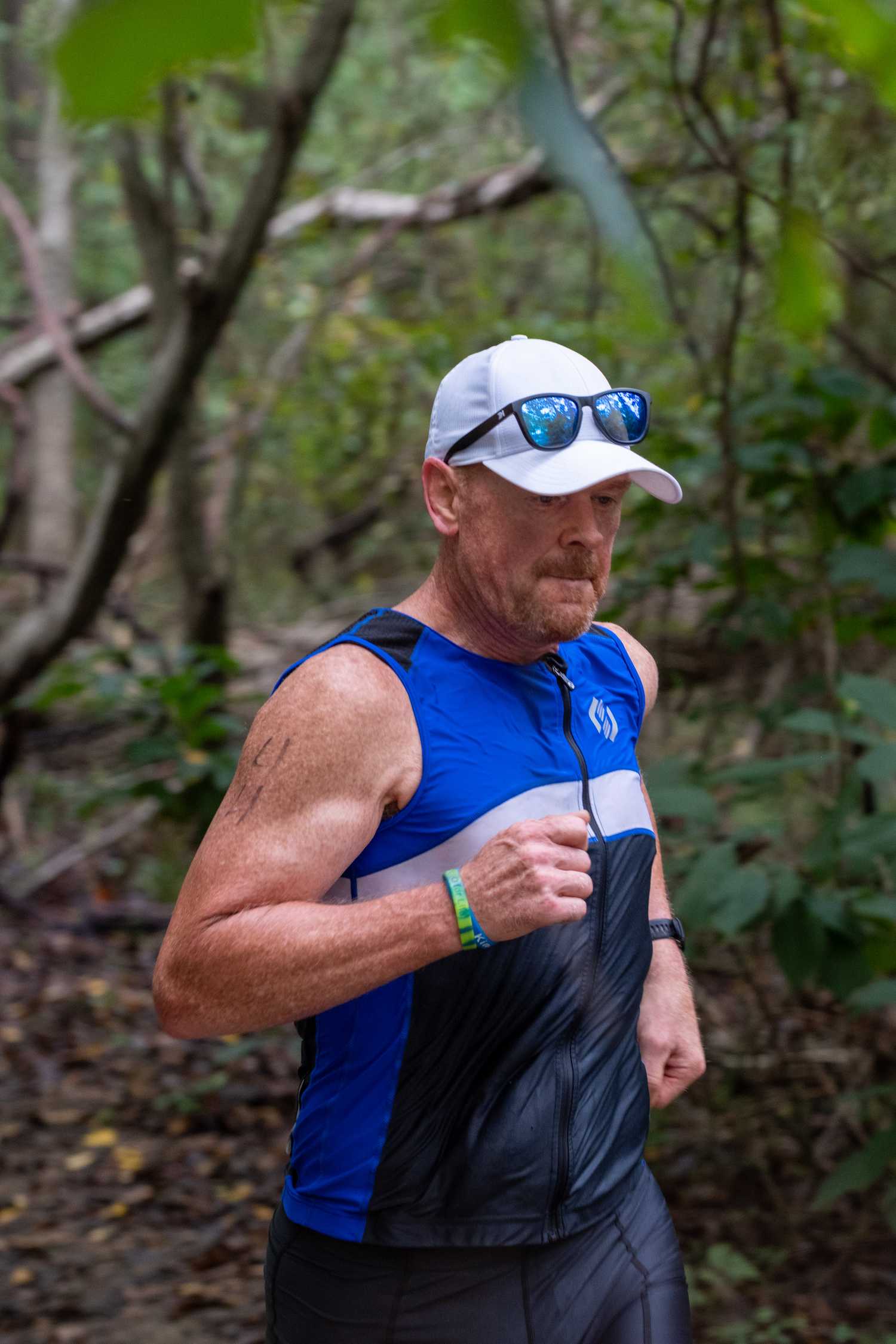
What he expected to be a one-and-done thing led to him becoming “addicted,” running nearly every weekend and longer distances to boot. He ran a 8k and 10k.
A buddy of his sent him something he originally thought was an advertisement for another 5K. But it was actually entry into a triathlon.
“It laid the the seed, and I was like, well, why not?” he said. “Why why couldn’t I do it? I figured I’d give it a chance.”
He bought a pre-owned bike and started riding, slowly progressing and not lagging in races. He made it to the middle of the pack his second ride. He reached a podium by the end of the year.
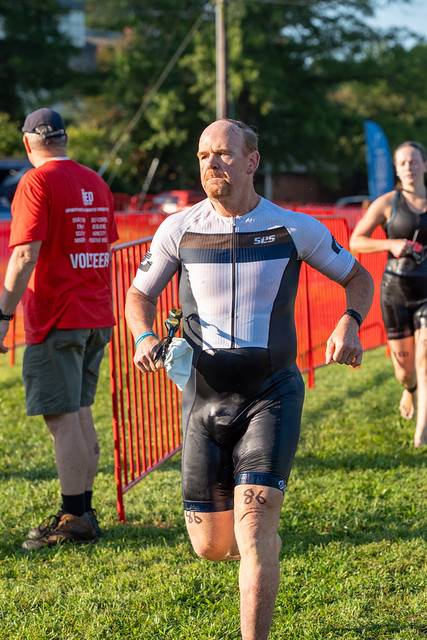
Shortly thereafter, he received correspondence to participate in the U.S.A. Triathlon in Milwaukee since he qualified with top-three finishes. In August 2026, he went “and had a great time.”
“[I] finished towards the end of my age group, but the reality is that all those people there are all people that have finished first, second or third in their age groups too, so there’s a lot of competition there,” Bush said. “But it was fun. I’m glad I got to do it.
“You know, five years ago I wouldn’t have done that. And five years ago, hell, I wouldn’t have went out of my house after I got up here—let alone drive 22 hours on the road to get to Milwaukee.”
For those who are in the shoes he once wore, Bush has a simple piece of advice: lose the things that are holding you back.
Read the full article here
