



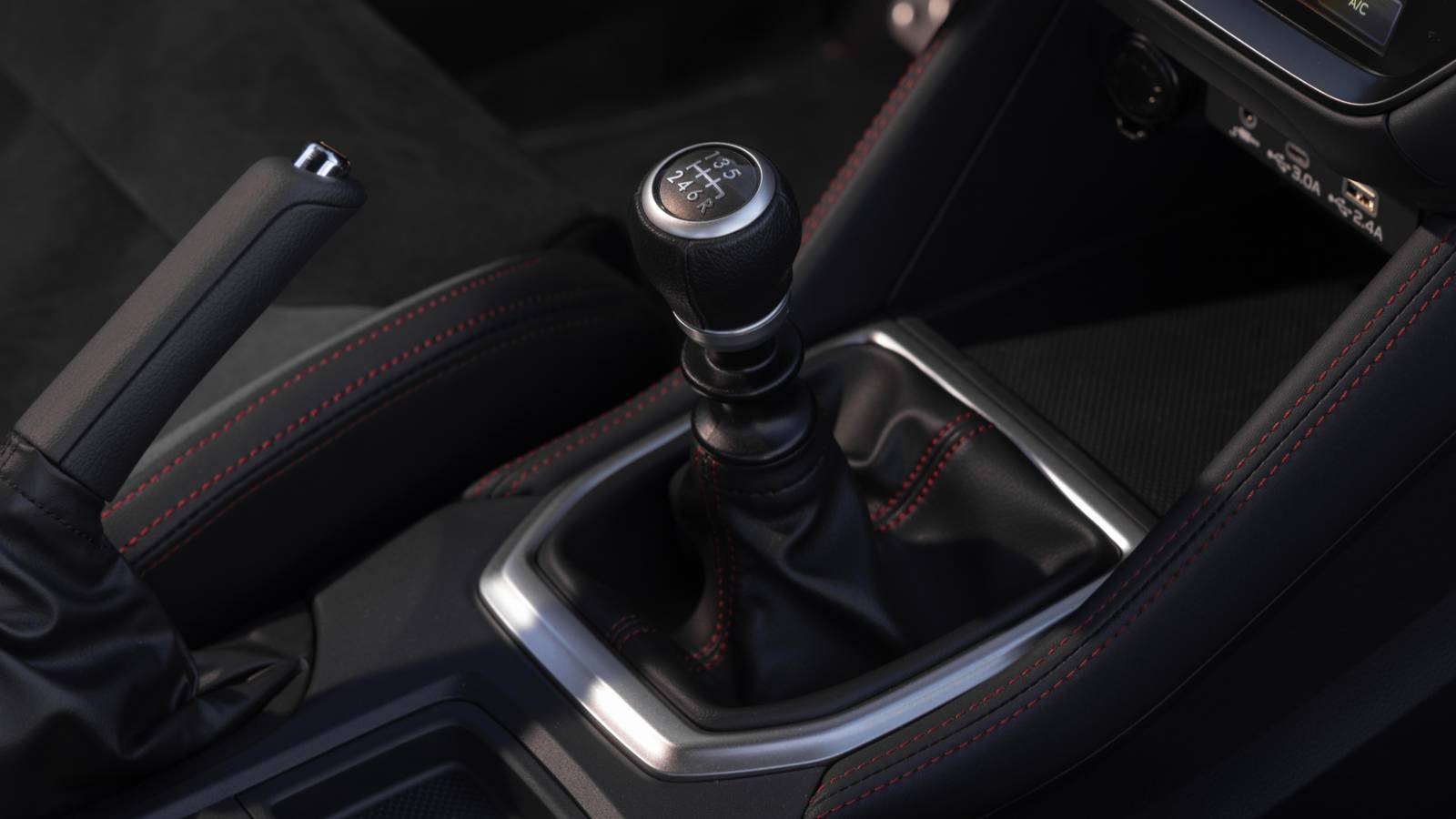

All of us at CarBuzz love the manual transmission, and odds are that if you’re reading this, you probably do, too. Why? It’s just fun! We like being more involved in operating the car and having an extra level of control over the driving experience. Plus, when we do really nail a rev-matched downshift, we feel especially satisfied. Apparently, though, driving stick isn’t just fun, it can even be good for you, and that’s coming from a famous doctor and professor in Japan.
You Actually Probably Know This Professor
The source of this story is Japan’s Best Car. The author appears to have spoken with Dr. Ryuta Kawashima. You might not be particularly familiar with his name, but his face is a different story. In the Nintendo video game series Brain Age and Dr. Kawashima’s Brain Training, you’ll find yourself face-to-low-polygon-face with the doctor. Of course, his more relevant credentials are that he has a doctorate, and he teaches at Tohoku University, where he focuses on aging and cancer and even has his own lab.
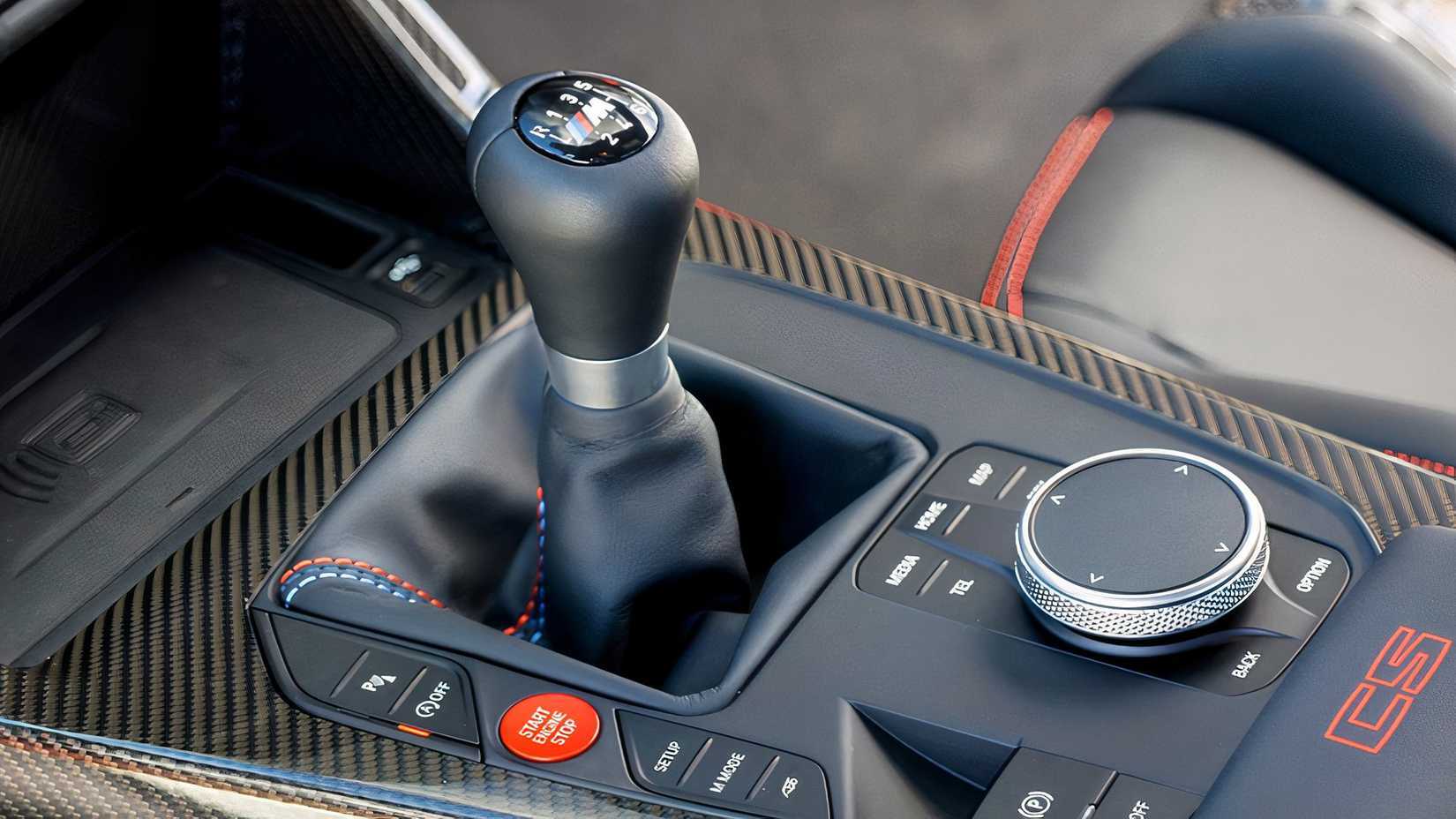
Kawashima told Best Car that using a manual transmission, whether in a car or on a motorcycle, “activates the prefrontal cortex of the brain.” He also cited some of his research that regular use can have a “significant effect on maintaining mental health and cognitive function.” It all has to do with the same reasons we find using a manual to be enjoyable: you’re more involved in the driving experience and executing somewhat complex physical actions and making decisions about when to change gears.

Unfortunately, Best Car did not highlight any specific studies from Kawashima, nor have we been able to find them ourselves. We don’t doubt the doctor, but we would love to see more detailed information, such as just how much of a difference driving stick makes. We also have other questions such as whether manually shifting automatic-transmission cars has any of the same effect.
Read the full article on CarBuzz
This article originally appeared on CarBuzz and is republished here with permission.
Read the full article here
