



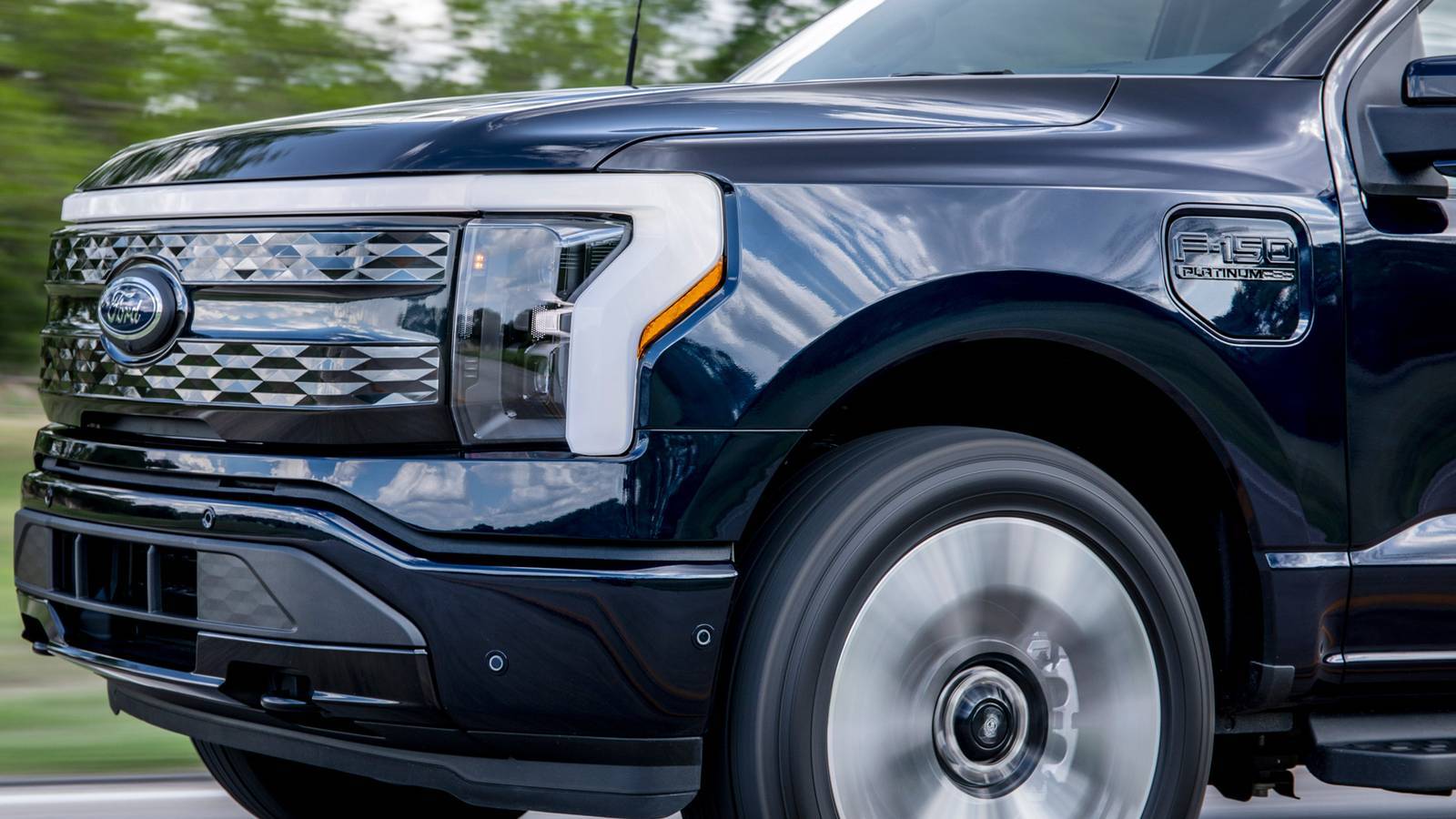

You would think that having the top-selling electric truck in the country would be awesome, right? Ford sold 27,037 examples of the F-150 Lightning last year, outselling the Tesla Cybertruck by more than 7,000 units, and more than doubling the sales numbers of the Chevy Silverado EV. While 27,037 units is nothing to sneeze at, what if you were expecting to sell 150,000 units every year? As it turns out, developing and producing a new vehicle is actually quite expensive!
Building the Rouge Electric Vehicle Center in Dearborn, Michigan, was a project that alone cost Ford close to a billion dollars before even considering research, development, design, testing, and manufacturing costs. All told, the F-150 Lightning’s failure to reach critical mass has the automaker losing around $44,000 on every unit sold. The only word for that is oof. No wonder they canned it. We have to ask, though: is this just a matter of Ford being overly optimistic about EVs, or are there other factors at play?
Ford Claimed A $19.5 Billion Write-Down While Canceling The Lightning
Without taking a firsthand look at Ford’s account books, we can’t say for certain what it cost the brand to develop and manufacture the F-150 Lightning, in monetary terms, but we know that Ford reported a $19.5 billion write-down after canceling the truck after just a few years on the market.
If you’re wondering what the heck a write-down is, it means that you’re reducing the value of an asset without totally writing it off. So, however you split it, Ford is claiming a $19.5 billion loss related to the cancellation of the Ford F-150 Lightning.
We know that the initial investment in the Rouge EV Center involved $700 million just to construct the building. Then, the brand spent another $250 million to expand the site and get it ready for production. With powertrain and tech development costs included, we’ve seen estimates ranging from $10 billion to $11 billion in total.
The $19.5 billion write-down has been attributed to three factors.
- $8.5 billion for canceled EV projects.
- $6 billion for a dissolved battery venture.
- $5 billion for program-related expenses, which basically means this is what it costs just to switch a company from EVs to hybrids. Hiring, training, rebranding, etc. It’s like the readjustment period when your office switches from Windows to Mac, but across a $56 billion multinational automotive empire.
In 2024 alone, Ford claimed it was losing $5 billion on its EV venture, which amounted to a per-vehicle loss of $44,000 for every Lightning sold in the second quarter that year.
If we divide the total $19.5 billion write-down by roughly 100,000 units sold, the final number might come out to something like $195,000 just to build a single F-150 Lightning. But, again, we’d need a closer look at Ford’s books to make anything but a guesstimate.
The Lightning Market Has Effectively Bottomed Out
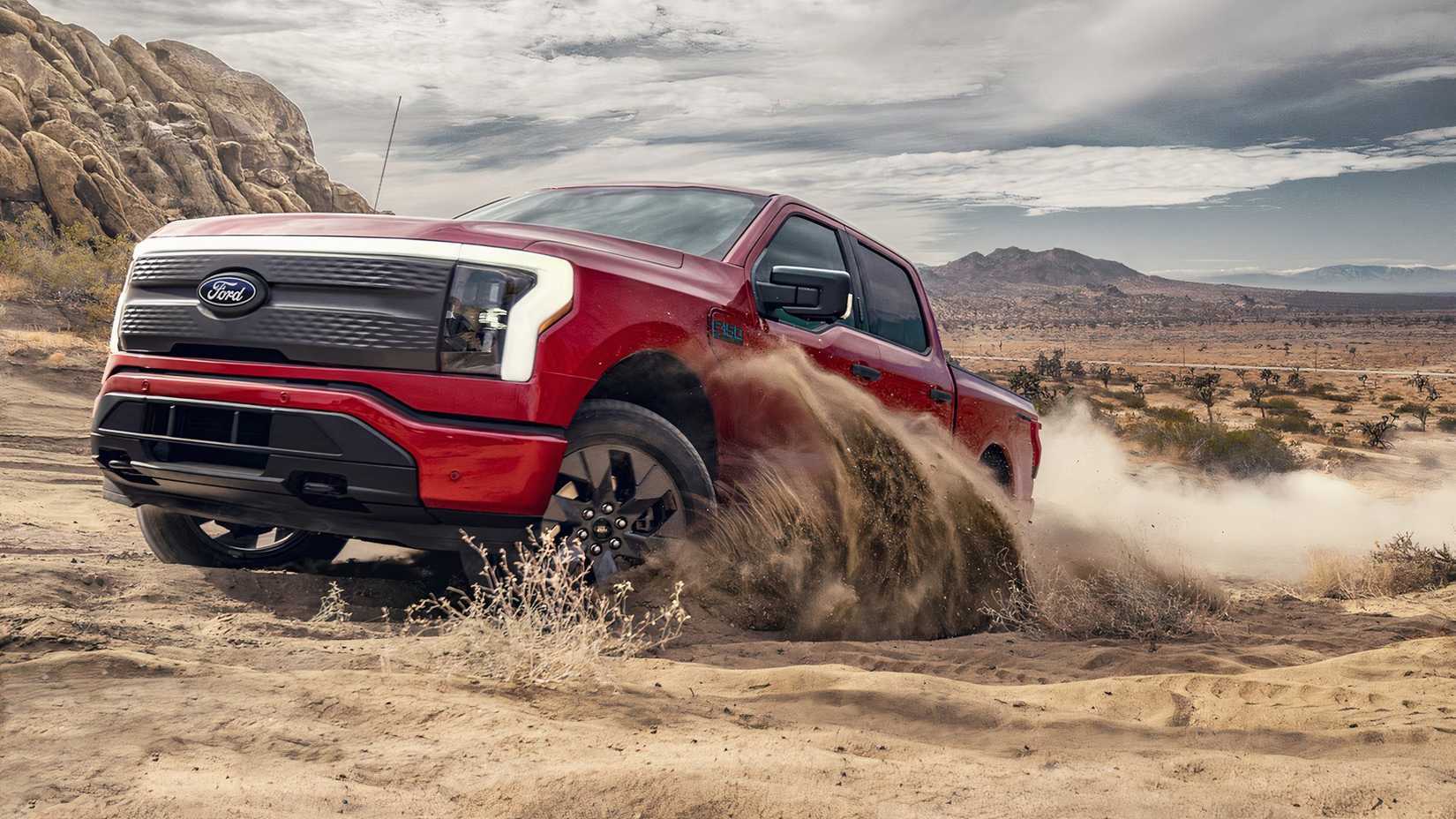
According to Yahoo, Ford EV sales plunged from the first quarter of 2025 to the first quarter of 2026 by about 70%, from 7,187 units to 2,060. At this point, it seems that most people who want an F-150 Lightning already have one.
I, for one, am thankful Ford took billions in losses to develop the Lightning, because it’s the best truck I’ve ever owned.
Maybe one of the most surprising aspects of the F-150 Lightning story is that drivers love it. The truck is reliable, capable, low-maintenance, and tows up to five tons. Plus, a person couldn’t ask for a better pickup when gas prices are through the roof. But the devotion of around 100,000 buyers doesn’t make up for nearly $20 billion in development and manufacturing costs. A rabid cult following is great for a touring rock band, but it’s cold comfort for one of the world’s biggest automakers.
It’s Not Just About EVs
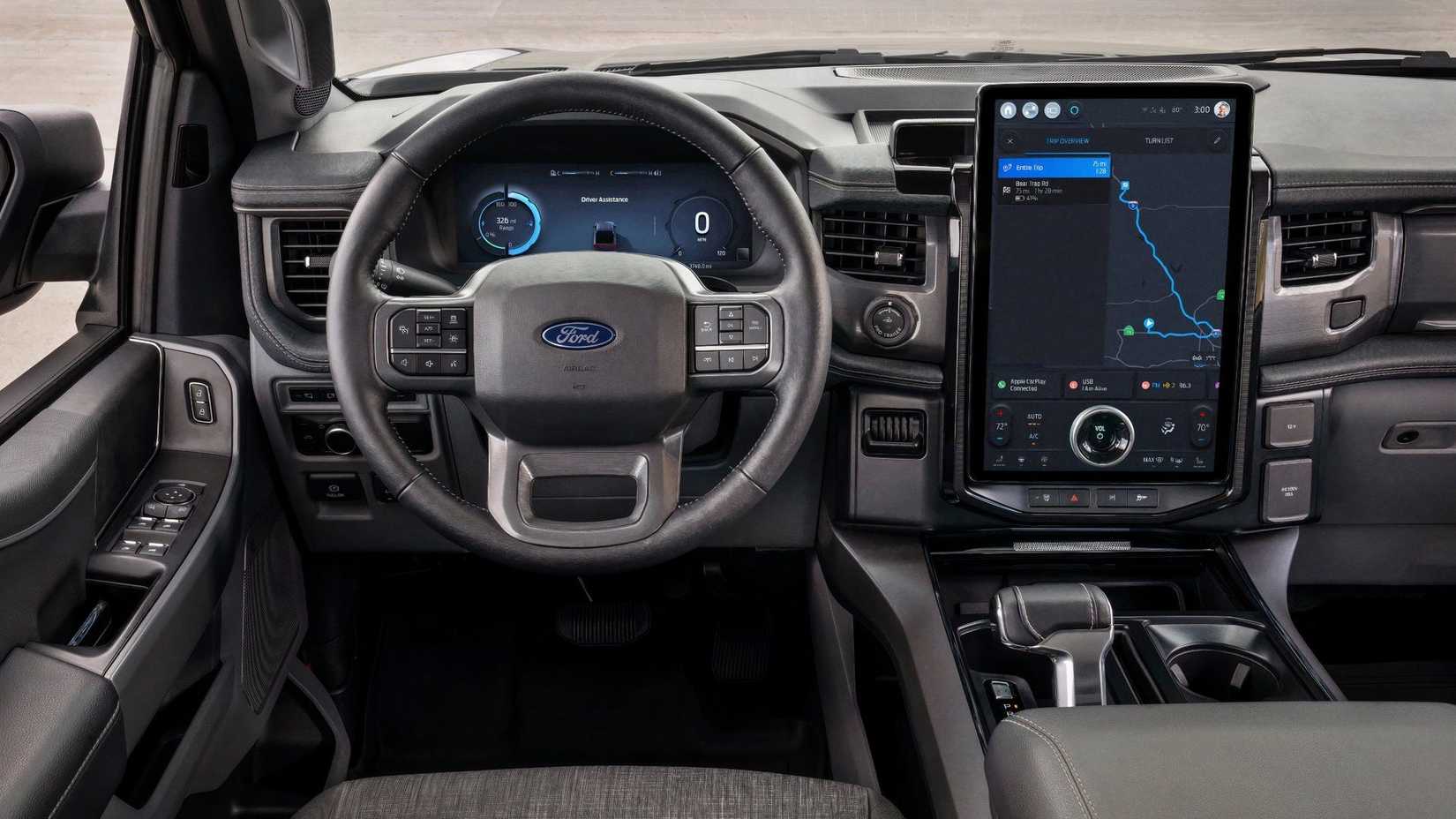
One of the key takeaways from the story of the Ford F-150 Lightning has been that Ford is losing faith in electric vehicles and is pivoting to hybrids. That’s an important point, but there’s a broader story going on here.
A 2026 Ford F-150 Lightning Platinum starts at $84,995. Add taxes, financing, and various titling and registration fees, and you’re easily spending more than $100,000.
Read the full article on CarBuzz
This article originally appeared on CarBuzz and is republished here with permission.
Read the full article here
