




The U.S. military has always trained around the weather. This has not changed. What has changed is how often the weather influences commanders’ adjustments to their mission set.
Over the past several years, record-breaking heat has changed the schedules of physical training, altered field exercises, and changed how troops operate in the field.
All over the country, from Texas to the Southeast, heat-related illness has disrupted operational readiness. Wildfires in the West, hurricanes at coastal bases, and other weather-related problems have delayed mission readiness activities. The lesson has become clear: weather is a disruptor and needs to be factored into all planning for routine operations.
Now, as the final days of summer start to wind down and winter fast approaches, attention is being brought to the forefront on how those potential problems could affect training.
On June 11, the National Oceanic and Atmospheric Administration announced that El Niño conditions had officially developed and are expected to strengthen through the fall before peaking this winter. While the effects of such an announcement can be varied in nature, El Niño provides military planners with an unusually early signal that weather patterns are going to stray from the norm.
Those in the Pentagon need to pay close attention, as military readiness depends on repetition. Units cannot simply postpone training indefinitely because conditions become unfavorable to their training and living situations. Recruits still have to qualify, combat teams still need to deploy, and this requires valuable training days.
Every lost training day creates a challenge in scheduling that ripples across the military as a whole.
Extreme Heat Is Already Changing Military Training
This summer has already been historically hot. Across much of the country, especially the South, the prolonged periods of heat have forced commanders to modify their training and work schedules.
Work-rest cycles and physical training have had to be altered to earlier hours or relocated indoors, when possible, for the safety of the troops. The Army has increasingly emphasized heat injury prevention as bases face more frequent days that exceed the safe level for hard physical labor outdoors.
Why This Winter Could Present New Challenges
Winter brings its own set of problems. Heavy snowfall closes ranges, changes convoy routes, and delays flights, which all factor into mission readiness. Flooding from winter storms can block off access roads and interrupt crucial supply lines.
Unlike combat deployments where disruption is typically expected, many installation training calendars depend on predictable access to ranges and training facilities.
With this all in mind, season forecasts need to be monitored and deserve the proper attention. In the past, El Niño winters typically proceeded with a more active southern storm track. This increases the risk of wetter conditions across the South while bringing warmer conditions to the northern parts.
The exact outcome varies across the seasonal event, but the pattern offers commanders the ability to think ahead and be proactive.
Planning Ahead Is Part of Readiness
Preparation does not require predicting the weather. It needs practical questions that can be answered in a realistic way. Can training schedules be adjusted no matter the seasonal conflict? Have alternate ranges been identified? Will maintenance operations have adequate power in case the main energy line goes down? Can units make up missed qualification periods in a timely manner?
These are questions that may be routine and mundane in nature but require proper planning and procedural attention in order to be adequately answered. When we take a look at recent history, we can see just how crucial proper planning is.
The Mission Doesn’t Stop for the Weather
After Hurricane Michael devastated Tyndall Air Force Base in 2018, much of the discussion centered on rebuilding facilities. Equally important, however, was restoring the operational tempo necessary to continue training and support missions while infrastructure recovered.
This experience reinforced a broader lesson across the military: readiness depends on operational continuity as it does on physical buildings.
This same principle can be applied to winter.
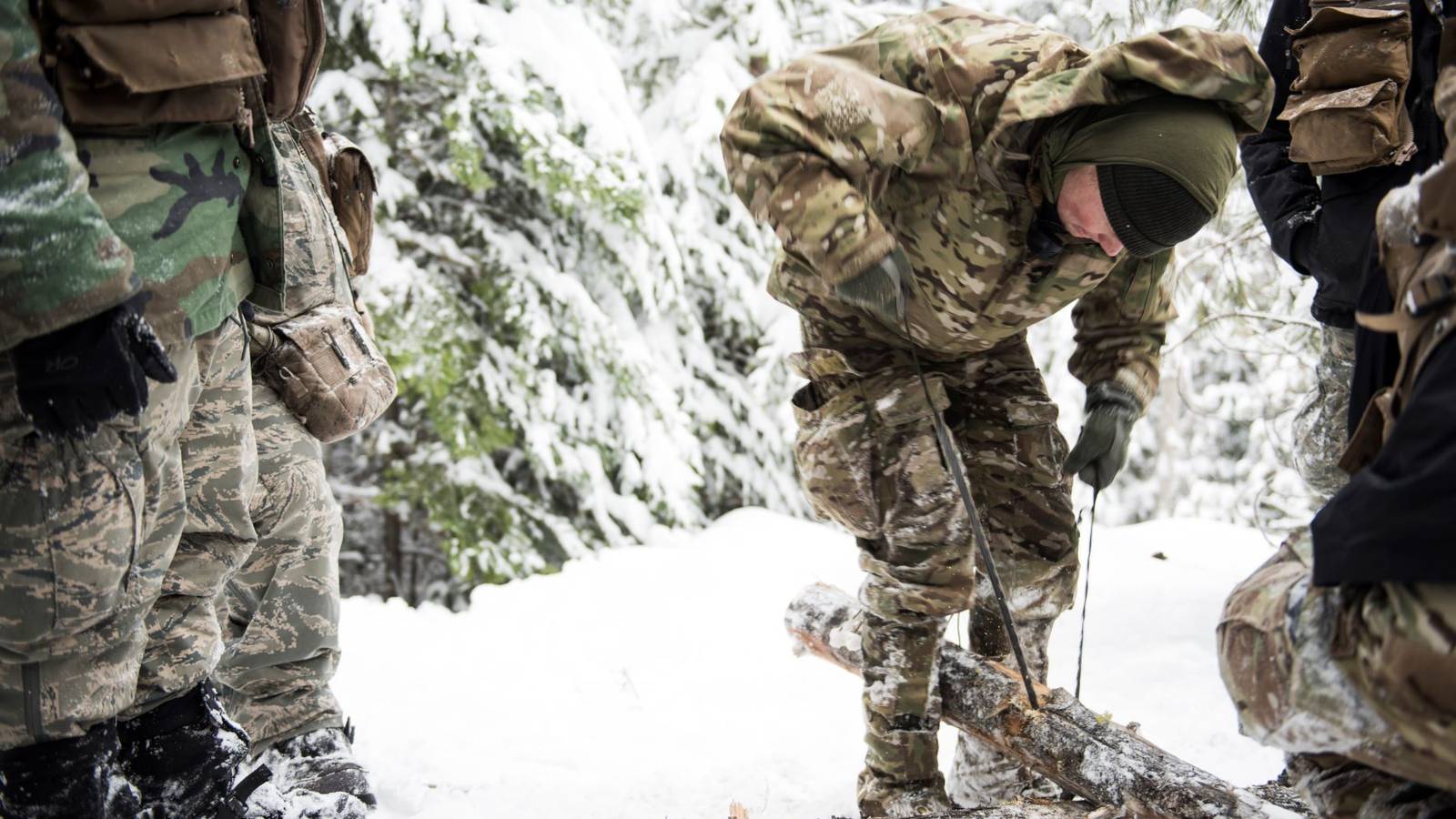
The main objective, besides keeping risk to a minimum, is to be adaptable. Cold weather training is essential for the success of many units, especially those in northern Europe, Alaska, or the Arctic.
A blizzard in the Arctic is expected and could be part of the mission. A flooded installation delays pilot qualifications and changes recruit training periods.
The good news is that the military possesses the required tools to be adaptable. The National Weather Service continues to expand its forecasting abilities, while NOAA is evolving in its ability to improve lead times for significant weather events as well.
While these advances can’t culminate in ultimate certainty, they can allow a commander to more accurately plan for the future and adapt their operational capacity.
Military leaders routinely have to deal with incomplete intelligence to complete a mission. That’s just the way the ball rolls. The same principle should be applied to weather forecasts.
Whether this winter is going to roar or be a paper tiger, training calendars have to account for potentially challenging weather conditions that can seriously disrupt the mission. Heat has become a recurring challenge; why leave the cold out of the fray?
Read the full article here
