



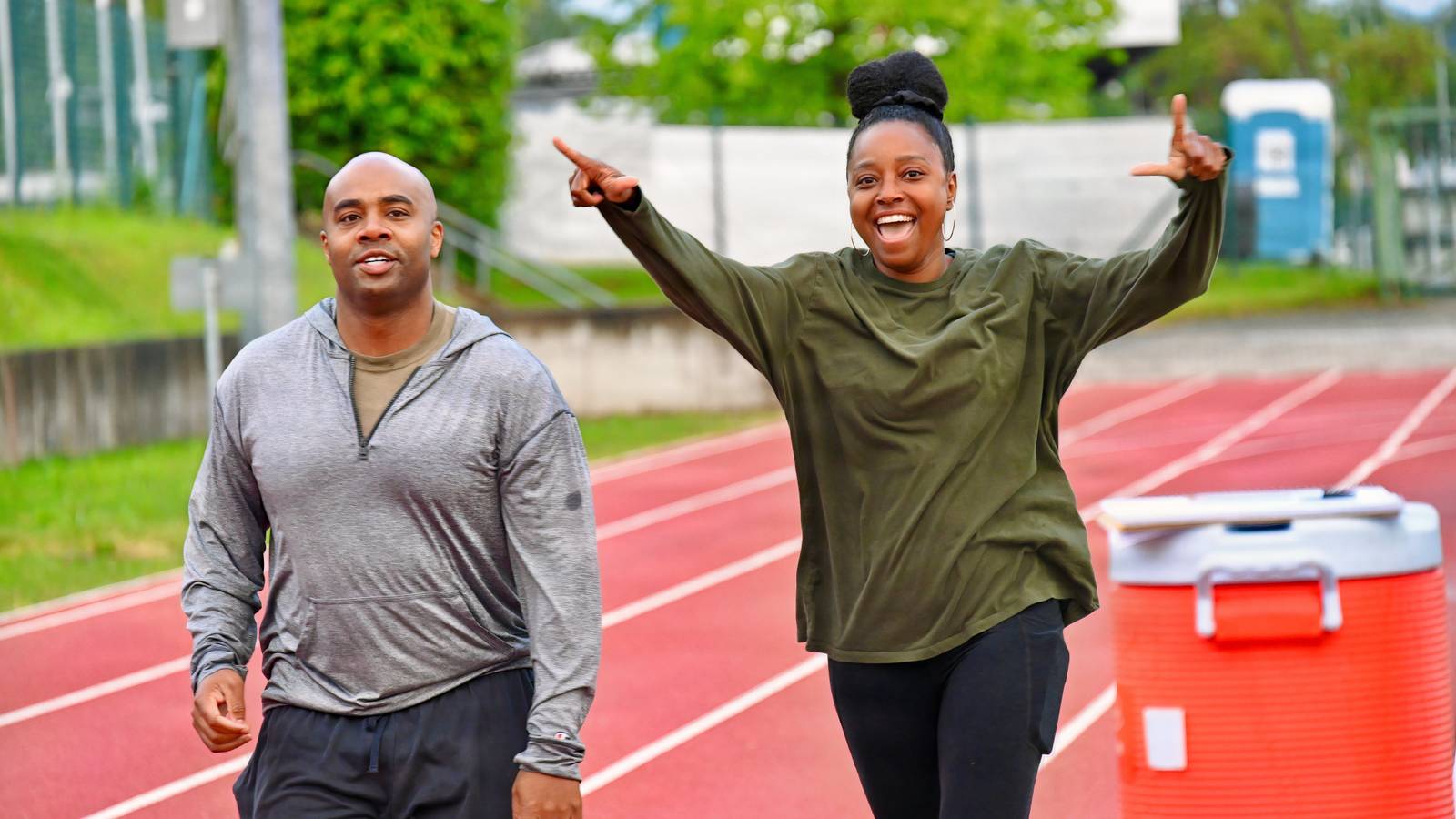

For decades, many of us starting on a fitness journey have largely focused on looking better. We have chased bigger arms, chest muscles and six-packs, counted calories to the decimal point, and measured our progress by reflecting in the gym mirror.
Now, slowly but surely, the conversation is shifting from how our bodies look to how they function. While fitness will always have people surviving the next grueling workout for aesthetic purposes and wearing summer clothes, it is not always the primary goal. It’s a nice secondary goal, yes, but fitness is also about ensuring that we can lift our groceries, move furniture, shovel driveways, rake leaves, play with our grandkids and move pain-free decades from now. It’s time to trade the short-term burn for long-term vitality and redefine what being “in shape” truly means.
Maybe it just appears to be a change from my own perspective, as we all tend to evolve over the years toward the end goal: longevity, if the fitness journey goes well. For many people, the fitness journey no longer begins in their teens and twenties with aesthetics in mind; it often begins at 42, 52 or 62, frequently with a very different set of priorities. They are trying to ease joint pain, rebuild strength, protect their health and stay active for the people and routines that matter most. In that reality, the old goal of simply looking good starts to lose its grip, especially as we age.
The younger generation also has issues with the obesity rate climbing among younger people since the 1990s. What replaces it is something deeper and more durable: the desire to feel better, perform better and live longer. The emphasis is shifting away from workouts designed solely to shrink waistlines and toward training that supports mobility, balance, stress mitigation and long-term independence. In other words, fitness is being redefined not as a cosmetic pursuit, but as a practical investment in quality of life.
Functional Fitness Offers a Future
One of the promises of functional fitness is training for the life you want to keep living. It means exercising so you can carry groceries without straining your back, climb stairs without losing your breath, play with your kids or grandkids, and stay active each decade of your life. It asks a better question than the old fitness culture ever did. It is not, “How lean am I?” Though being lean is important. But instead, it asks, “How well can I move, recover, and keep doing the things I love?” If your old ideal was to look fit, the new one is far more meaningful, and that is to become fit and healthy, to remain capable and independent.
That is where function becomes more than a buzzword. A growing body of recent research points to regular physical activity, and especially strength and resistance/cardio combination training, as one of the clearest ways to preserve mobility, balance, muscle and bone strength, and day-to-day independence as we age. Recent scientific reviews report consistent benefits in muscular strength, functional movement, fall risk reduction, and quality of life among older adults, especially when exercise programs are consistent and progressive. Fitness is not just the key to looking good; it is about helping people live longer and live better in the years they gain.
Aesthetics Can Offer Motivation, But …
Part of the reason this shift feels so overdue is that the old model of fitness was always a little too narrow. Mirror-based goals are easy to market because they are instantly visible in before-and-after pictures and scantily clad instructor videos. Selling a smaller waist, a more defined shoulder, and a lower number on the scale is easy for the typical 30-day transformation challenges. But those markers say surprisingly little about whether someone can move well, avoid injury, recover efficiently, or maintain independence over a long period of time. A body can look impressive and still be stiff, fatigued, starving or fragile in the movements that real life demands.
You can already see that new mindset taking hold in the way people train. Strength work that once seemed reserved for athletes or bodybuilders is now being embraced as basic maintenance for everyday life. Trainers are programming carries, squats, hinges, balance drills and rotational movements not because they look dramatic on social media, but because they map onto how human beings move every day.
People will always care about appearance, and there is nothing wrong with that. But appearance works best as a secondary result, not a purpose. The more durable goal is to build a body that remains useful and to develop strength that carries into daily tasks, endurance that protects energy, and mobility that keeps the body moving freely with less pain. In that framework, fitness stops being a 30-day project and becomes a long-term strategy for preserving freedom and independence. And that may be the most meaningful transformation the industry has seen in decades.
The reality is that most clients don’t fit into just one category. A person might aim to prevent injuries while also building good-looking muscles or instead begin by focusing on appearance and later recognize the value of mobility and real-life movement. Regardless, you can find all types of fitness articles at the Military.com Fitness Section for whatever goal you may have.
References: Effectiveness of exercise interventions on fall prevention in ambulatory community-dwelling older adults: a systematic review with narrative synthesis.
Want to Learn More About Military Life?
Whether you’re thinking of joining the military, looking for fitness and basic training tips, or keeping up with military life and benefits, Military.com has you covered. Subscribe to Military.com to have military news, updates and resources delivered directly to your inbox.
Read the full article here
