




Canada’s long-promised gun “buyback” is already collapsing under the weight of its own bad assumptions, and the early numbers make that painfully obvious.
After years of buildup, bureaucracy, and political chest-thumping, the federal government’s test run managed to recover 25 firearms out of an expected 200. That’s not a hiccup. That’s a face-plant. And it perfectly illustrates why this entire program was doomed from the start.
According to Citizens Committee for the Right to Keep and Bear Arms (CCRKBA), this so-called buyback is nothing more than compensated confiscation. The government didn’t own these firearms. It didn’t manufacture them. It didn’t sell them. Yet it now demands lawful owners surrender them or face criminal penalties because a bureaucrat slapped an “assault-style” label on more than 2,500 models.
Calling that a “buyback” isn’t just misleading. It’s dishonest.
CBC’s reporting confirms what gun owners have been saying all along. The program only targets legally owned, registered firearms. Not smuggled guns, not gang weapons, not black-market pistols driving violent crime in Montreal or Toronto.
In fact, the CBC report openly acknowledges the central flaw: to believe this program improves public safety, you’d have to believe licensed Canadian gun owners are responsible for rising gang violence.
They’re not.
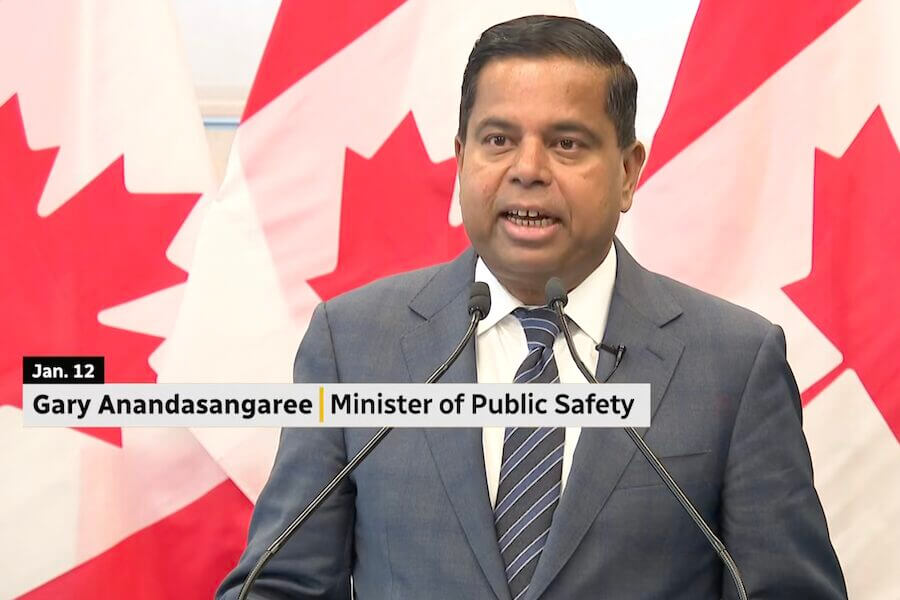
Even worse, enforcement appears optional in practice. A leaked recording caught the federal minister responsible admitting municipal police don’t have the resources to enforce the program. And that it was pushed largely to appease Quebec voters. That’s not public safety policy. That’s political theater.
And the logistics? A nightmare. Provinces are refusing to participate. Police agencies don’t want the job. The Nova Scotia pilot already failed. Yet Ottawa insists everything just needs “clarification,” as if Canadians didn’t understand the instructions well enough to surrender property they lawfully own.
Gun control advocates argue the goal isn’t stopping all crime. It’s preventing mass shootings. But even by that narrow metric, the policy makes no sense. Confiscating hunting rifles and competition firearms while illegal guns continue flowing across borders doesn’t reduce risk. It just punishes compliance.
The real message here isn’t subtle. Law-abiding gun owners saw the program for what it was and refused to play along. Twenty-five guns turned in wasn’t apathy. It was rejection.
Canada’s buyback isn’t failing because it hasn’t been explained well enough. It’s failing because it targets the wrong people, ignores real crime drivers, and treats a fundamental right like a government-issued privilege that can be bought back at a discount.
And that’s not a “step in the right direction.” It’s an expensive, embarrassing dead end.
*** Buy and Sell on GunsAmerica! ***
Read the full article here
