



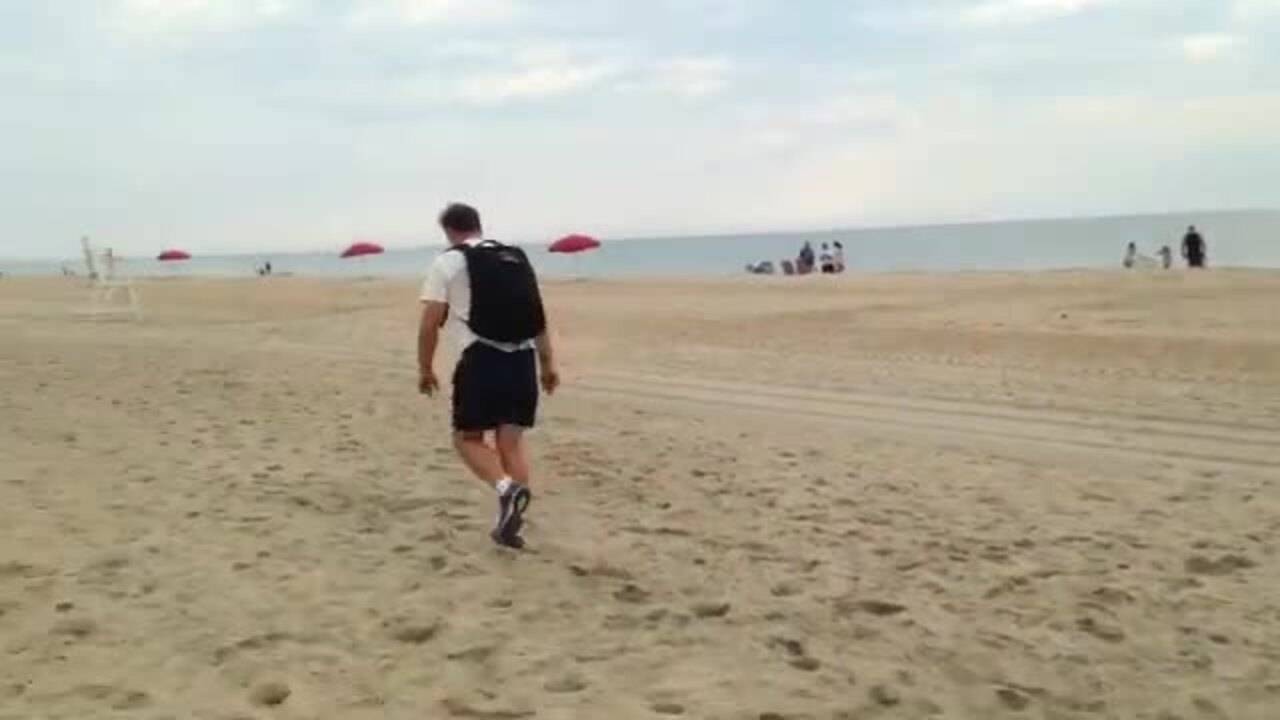

Just a backpack, tennis shoes, and a nice day (or perhaps even a rainy day) makes for a great source of exercise that has huge benefits. For those that have served, this form of exercise is more familiar than a stereotypical gym routine. It is also easily conventional.
One thing that it could help with is anxiety. There is some research that shows a connection between walking and physical activity and lowering anxiety.
Before diving into the studies, it is worth stating that any form of anxiety-inducing events is something everyone should strive to check out, as long as it works for them.
How Common is Anxiety Among Veterans?
One Department of Veterans Affairs study found elevated anxiety symptoms in 9.9% of veterans ages 50 and older. Researchers examined data from a 2006 survey of men and found no statistically significant difference between veterans and non-veterans in the same age group. The figure describes symptoms in that older group; it is not a current estimate for all veterans or a count of diagnosed anxiety disorders.
Anxiety can mean persistent worry, restlessness, difficulty sleeping or trouble concentrating. The Defense Health Agency advises people to speak with a health care provider when anxiety interferes with daily life or relationships. Its guidance also lists physical activity as one way to help manage stress and anxiety alongside other care.
Research and Movement
The strongest motivator for starting a rucking routine could be the simplest part of the exercise: walking. Recent research on exercise and anxiety has found some promising results, and studies have had different participants and boundary conditions, but a recent survey from 2025 of exercise reported that walking can moderately reduce anxiety levels. This is a very general finding, and while it is for walking in general, this could be applied to veterans and rucking.
Veteran specific research also shows some clues. In regard to walking and veteran-specific conditions. A recent study by the NIH has shown that posttraumatic stress disorder symptoms can be reduced by exercise.
PTSD and anxiety are separate conditions. This is true, and the findings from this study don’t perfectly correlate with anxiety and walking.
A small randomized pilot study of nature hiking for veterans with PTSD found the approach feasible and acceptable to participants.
Its authors said a larger trial would be needed to test outcomes and sort out the roles of physical activity, time in nature and support from the group. The hikers were not testing weighted packs.
Mission That Can Be Solo and At Your Own Pace
Rucking gives a walk something a little extra. You can just pick a road or path, pick your pace, and go one foot in front of the other. A veteran can go with a friend or explore a local trail. The route and the company make the activity easier and more enjoyable.
That sense of purpose is part of rucking’s appeal, but it remains an individual experience rather than a proven anxiety treatment. Someone might enjoy carrying a light pack. Someone else might get the same benefit from walking without one. The research available does not show that heavier is better for mental health.
There is a physical trade-off, too. The Defense Centers for Public Health warns that carrying loads can stress the body and contribute to injury. Its prevention guidance calls for reducing load and distance, adjusting equipment properly and building up gradually. Veterans with back, joint or foot problems may want to discuss a weighted walk with a clinician before trying it.
If a veteran wants to get back into rucking, the easiest way is to just go out and do a regular walk. After a while, they can slowly add weight or length to their walk as they build their endurance up. A light pack can be added without hurting themselves as well. The goal is to just get a routine and stick to it. No weight or records need to be broken.
An easy way to get active is rucking and spending time outside or walking with people. This can be a great social activity as well. These are plausible reasons it can help someone feel healthier and more robust. A pack on the back can carry relief, as some studies suggest. The pack does not need to be heavy, and the route does not need to be long. For a veteran managing anxiety, the value may lie in having a reason to step outside, move forward and do it again tomorrow.
Read the full article here
