



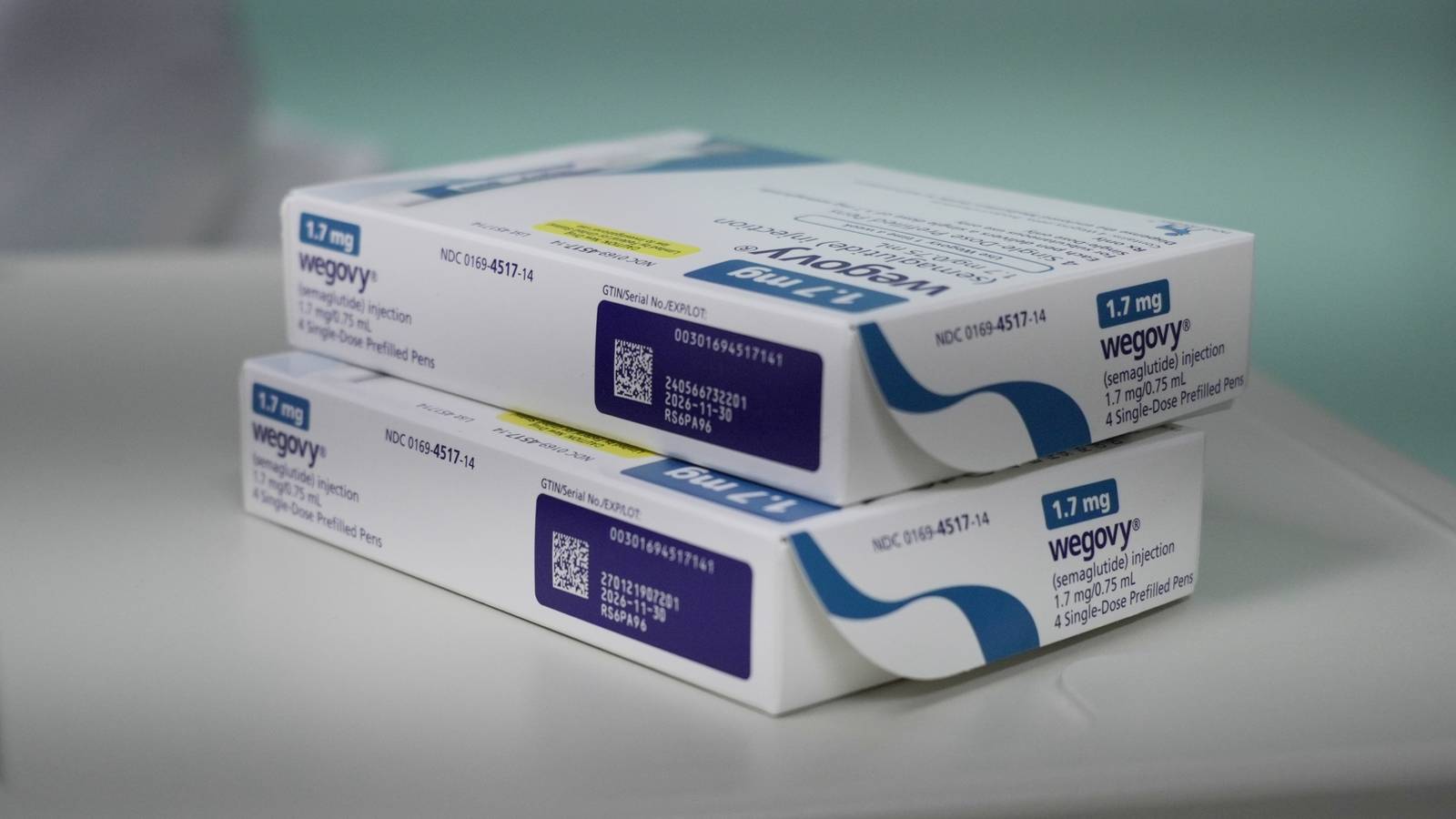

I’ve been on a GLP-1 medication for close to two years now, prescribed through the Department of Veterans Affairs, originally for obesity management. What became apparent early on was that the drug’s effects reach well beyond weight loss. My own experience with reduced alcohol cravings was part of what led me to look more closely at the research now building around GLP-1 medications and alcohol use disorder — and to ask what it might mean for a veteran population that carries a documented, disproportionate burden of both combat-related PTSD and alcohol use.
To dig into that, I spoke with Dr. Eugene Lucas, associate professor and coordinator of the Psychiatric/Mental Health Nurse Practitioner Program at Wilkes University, a board-certified psychiatric-mental health nurse practitioner with roughly a decade of experience treating veterans with PTSD and substance use disorders during a stint at the VA.
Read More: VA’s Only Drug for Treatment-Resistant Depression Requires Up to 50 Visits a Year
What the Research Actually Shows
A randomized, placebo-controlled trial published in The Lancet in May 2026 followed 108 adults with alcohol use disorder and comorbid obesity over 26 weeks. Everyone received cognitive behavioral therapy; half also received weekly semaglutide. Heavy drinking days fell by 41.1 percentage points from baseline in the semaglutide group, compared to 26.4 points with therapy alone. Lucas explained the working theory behind why a drug built for diabetes and weight management would affect drinking at all.
“The way these medications work, they act on the gut but also within the brainstem, functioning somewhat like a neurotransmitter and affecting dopaminergic tracks tied to craving and addiction,” Lucas said. “This dopaminergic effect reduces craving generally. It reduces the desire to go after substances that give you a certain feeling, and it actually affects the emotions that go along with that.”
The mechanism is better established in animal studies than in humans so far. Lucas pointed to research tracking dopaminergic pathways in rodents that showed a clear reduction in reward-system activity tied to craving — but cautioned that human-specific research confirming the same mechanism is still catching up.
Not a Cure, and Not for Everyone
Lucas was direct that semaglutide isn’t FDA-approved for alcohol use disorder, meaning any current use for that purpose is off-label. He also flagged specific side effects worth watching for, including nausea, upset stomach and, in some cases, a blunting of mood tied to the drug’s effect on the reward system itself, which he said should be reported to a provider immediately if noticed.
He also cited a separate, larger dataset: a Swedish registry study, published in the Journal of the American Medical Association, that tracked thousands of patients over roughly eight years using semaglutide and liraglutide and found a significant reduction in alcohol use over that period, even while the researchers themselves called for continued study to confirm that the effect held up.
“More than 50 percent response is considered a strong result for medications in this area, but not everyone is going to hit that mark,” Lucas said, referring to the share of patients who meet a defined improvement threshold.
Lucas was clear that response varies considerably by individual.
Where This Intersects With Combat Trauma
The clinical case for GLP-1 medications in a veteran population sharpens considerably in the context of one anecdotal finding from Lucas’s own decade working inside the VA system: Veterans with more than one combat deployment showed a consistently higher tendency to self-medicate with alcohol or drugs than those with a single deployment — across every conflict era he’s treated, from Vietnam through Iraq and Afghanistan.
“I think anyone who’s been deployed more than once to a combat zone is a good place to start research, because generally speaking, they’ve experienced more trauma than anyone else in that system,” Lucas said.
He was careful to note that a GLP-1 medication isn’t a standalone answer for combat-related alcohol use disorder. The gold standard he described from his VA experience remains a two-phase model: medication paired with trauma-focused therapy, not medication in place of it.
“The gold standard of treatment isn’t just the medication for anyone with combat-related experience,” Lucas said. “It’s a combination of the medication, therapy, and the actual therapies that address the traumatic issue itself. It’s intensive therapy that needs to happen in the beginning, and it tapers off over time.”
He described a model from his time at the VA that he believes translates well to how a GLP-1 could be introduced for veterans in acute crisis: starting in an inpatient unit — a substance abuse rehabilitation setting where a veteran can be observed for a week or so while receiving therapy and medication together, before transitioning to outpatient follow-up care.
Read More: The PACT Act Turned 4. What It’s Delivered and What’s Still to Come
What Veterans Should Take From This Right Now
Lucas was candid that the underlying research base remains thin. Many of the human trials involve small cohorts, sometimes fewer than 20 participants, and alcohol use disorder itself affects a genuinely varied population, meaning results in one study group don’t necessarily predict an individual veteran’s response.
“The majority of these studies are coming back positive, and the odds of a positive experience with this medication are considerably better than not,” Lucas said. “It’s worth trying for a couple of months, with your provider monitoring you and therapy running alongside it. It’s not something to avoid. Just go in aware that it isn’t yet well studied, even though what has been studied looks positive.”
One detail from Lucas’s own outreach is worth flagging directly: Before our interview, he called several local rehabilitation facilities to ask whether any were using GLP-1 medications as part of substance use treatment. None were, despite the drug already being available and the research trending positive. That gap — between what the emerging science suggests and what’s actually happening inside treatment facilities right now — is likely to be one of the more consequential open questions for veterans seeking this kind of care in the near term.
Veterans interested in discussing a GLP-1 medication as part of alcohol use disorder treatment should raise it with their VA provider, ideally alongside — not instead of — therapy addressing any underlying combat-related trauma.
Read the full article here
