



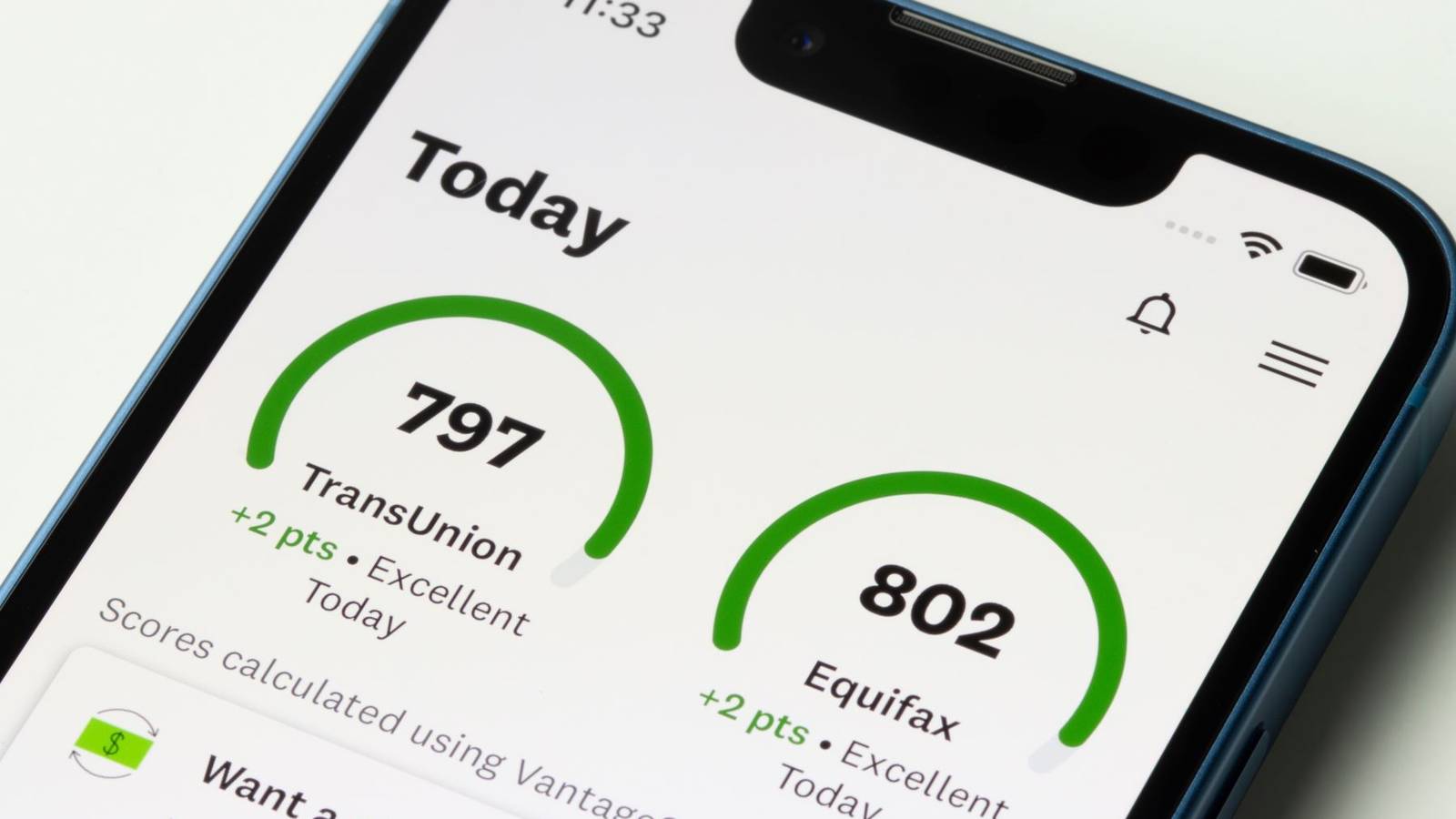

For active duty service members, a steady paycheck, on-base banking options, and a stable housing allowance provide a great foundation for building credit. But once you’ve established credit, it’s important to maintain it and improve your score over time.
This guide breaks down how credit scores work, the fastest ways to build credit on active duty, and what mistakes can cause your credit score to drop.
Key Takeaways
- Payment history matters most. Set autopay and report rent/utilities to build credit.
- Use secured cards or rent-reporting services; keep utilization under 30%.
- Avoid predatory loans, too many new accounts, and check reports regularly; use SCRA/MLA rights.
How Credit Scores Works
Your credit score is a three-digit number, usually between 300 and 850, that predicts how likely you are to repay a debt on time. Lenders, landlords, insurers, and even some employers use it to decide whether to approve you and what interest rate to offer.
Credit scores typically fall into the following ranges:
- Poor: 300 to 579
- Fair: 580 to 669
- Good: 670 to 739
- Very Good: 740 to 799
- Excellent: 800 to 850
The two most common scoring models are FICO and VantageScore, and while they weigh factors slightly differently, they rely on the same underlying data from your credit reports at the three major bureaus: Equifax, Experian, and TransUnion.
A FICO Score breaks down into five weighted factors:
- Payment history (35%): Whether you’ve paid past accounts on time. This is the single biggest factor in your FICO Score.
- Amounts owed (30%): How much of your available credit you’re using, known as your credit utilization.
- Length of credit history (15%): How long your accounts have been open, including their average age.
- New credit (10%): How many accounts you’ve opened recently and how many hard inquiries are on your file.
- Credit mix (10%): Whether you have a healthy blend of credit types, like a credit card, mortgage, or personal loan.
The Best Ways to Build Credit on Active Duty
You don’t need years of work history to start building credit. Here are some of the fastest paths to building credit during your service.
Use Secured Credit Cards
If you have no credit history, a secured credit card usually has the easiest approval. You put down a refundable deposit, typically $200 to $500, which becomes your credit limit. You use the card like a normal credit card, and the issuer reports your payment history to all three bureaus every month. After six to twelve months of on-time payments, many issuers will refund your deposit and convert the account to an unsecured card automatically.
Many military-friendly financial institutions, like Navy Federal Credit Union and USAA, offer secured credit cards that can help you start building credit fast. Another option is the MILITARY STAR Card, which builds a credit file while you shop at the commissary or exchange and typically charges no annual fee.
Once your credit score improves, you might be able to qualify for a premium travel credit card with no annual fee. For example, the Amex Platinum Card and the Chase Sapphire Reserve both waive their annual fees (normally $895 and $795) for verified active duty cardholders under the SCRA and MLA.
Looking to start building your score today? Compare secured credit options with low deposits
See Top Cards

Report Rent and Utility Payments
Most service members already pay rent, a cell phone bill, and utilities every month, but those payments don’t build credit unless someone reports them. A growing number of rent-reporting services will add your on-time rent payments to your credit file for a small monthly fee or sometimes for free through your landlord or property management company. Some utility and phone providers do the same through third-party reporting tools.
Whichever accounts you use to build credit, make sure to automate the payments. Set up autopay for at least the minimum due on every account, even the ones you plan to pay in full. A single missed payment can undo months of progress, since payment history carries the most weight in your score.
Keep Credit Utilization Low
Opening new accounts is only half the job when it comes to building credit. How you use them matters just as much, since amounts owed make up 30% of your FICO Score. That’s driven almost entirely by credit utilization, which is the share of your available credit you’re carrying as a balance at any given time.
Here are some helpful tips for keeping your credit utilization low:
- Keep utilization under 30% on every card.
- Pay your statement balance in full when you can.
- Ask your issuer for a credit limit increase every six to twelve months.
- Spread out big purchases whenever possible.
Common Credit Mistakes to Avoid
If you’re working on building or boosting your credit score, it’s important to be aware of common pitfalls. Here are some of the biggest mistakes and how to avoid them:
- High-APR auto loans. “Buy here, pay now” lots near base entrances are known for approving almost anyone, often E-1s and E-2s on their first assignment, at APRs of 20% or higher on cars worth a fraction of the loan amount. Get pre-approved through your bank or credit union before you start shopping for a car, and never sign anything the same day you test drive.
- Payday and title loans. A payday loan might sound harmless, but they can carry an APR near 400%, turning a short-term cash crunch into a long-term debt trap.
- Rent-to-own furniture and electronics. These contracts often cost two or three times more than the retail price by the time you finish paying, and most don’t report to the credit bureaus, so you get none of the credit-building benefits.
- Too many new accounts at once. Opening several retail store cards or personal loans in a short period of time drags down your credit score through hard inquiries and a lower average account age.
- Ignoring your credit reports. You’re entitled to a free copy of your credit report from each bureau every week at AnnualCreditReport.com. Skipping this makes it easy to miss errors or fraud that could impact your credit score.
Military Protections Against Predatory Lending
Two federal laws exist specifically to protect servicemembers from predatory rates. The Servicemembers Civil Relief Act (SCRA) caps interest at 6% on debt you took out before entering active duty, including credit cards, auto loans, and private student loans. To use it, send your lender a written request along with a copy of your activation orders.
The Military Lending Act (MLA) caps the Military Annual Percentage Rate (MAPR) at 36% on credit opened during active duty, including credit cards, payday loans, and installment loans, and it applies automatically with no paperwork required. It also bans mandatory arbitration clauses and prepayment penalties on covered credit.
If a lender near base is offering rates that ignore these caps, that’s a red flag worth reporting to the Consumer Financial Protection Bureau (CFPB) or your installation’s legal assistance office.
How Deployments and PCS Can Affect Credit History
Deployments and PCS orders don’t directly lower your credit score, but the disruption around these moves can hurt your score by accident. Here are some of the biggest risks you might face:
- Address changes can cause missed mail. A bill that gets lost in the mail can turn into a late mark on your credit report, which can stay there for up to seven years.
- Overseas assignments don’t stop your accounts from reporting. A U.S.-issued card or loan keeps reporting to the bureaus no matter where you’re stationed, so payments still need to go out on time.
- New local accounts at every duty station can add up. Opening a car loan or a store card at every PCS shortens your average account age and adds hard inquiries.
- Joint accounts with a spouse or partner tie your credit together. Make sure whoever stays back has a plan to keep shared bills current while you’re gone.
Before you deploy or head out on an extended school or unaccompanied tour, take these precautions:
- Set up autopay on every account.
- Consider an active duty alert instead of, or in addition to, a credit freeze.
- Give a trusted person power of attorney (POA) for financial matters.
- Check your credit reports before you leave and again when you return.
Credit Score Targets by Financial Milestone
Below is a general guide to where your credit score should be at certain milestones. Treat these as general benchmarks, not guarantees. Lenders also weigh your income, debt-to-income ratio, and Basic Allowance for Housing (BAH) when they underwrite a loan, so a strong score is necessary but not always sufficient on its own.
|
Milestone |
Typical Target Score |
Why It Matters |
|---|---|---|
|
Approval on a starter or secured card |
No score required |
Building your first credit file |
|
Auto loan at a competitive rate |
670+ |
Prime borrowers get meaningfully lower APRs than near-prime or subprime borrowers, who can pay two to three times more in interest |
|
Renting an apartment off base |
620+ |
Most landlords and property managers look for fair to good credit before approving a lease |
|
VA loan for your first home |
580 to 620+ |
The VA doesn’t set a minimum score, but most VA lenders require a median score of at least 620 |
|
Best rates on a conventional mortgage |
740+ |
Scores in the very good to exceptional range unlock the lowest available mortgage rates |
|
Approval for premium travel cards |
700+ |
Issuers reserve their top-tier cards for applicants with established, well-managed credit |
FAQ
What Credit Score Do I Need to Buy a Car on Active Duty?
If you’re shopping for a car, aim for a minimum credit score of 670. But keep in mind that a higher credit score almost always means paying a lower interest rate. If you can get your score above 670 before you purchase a vehicle, it could save you a significant amount of interest over the life of the loan.
Can the SCRA Lower My Credit Card Interest Rate?
Yes, if the debt was opened before you entered active duty. The SCRA lets you request a reduction to 6% on pre-service credit cards, auto loans, and other qualifying debt. Send your lender a written request and a copy of your orders, and any interest charged above 6% has to be forgiven (not just deferred) for as long as you’re on active duty.
Does a PCS or Deployment Hurt My Credit Score?
Not directly, but the disruption around a move or deployment creates the conditions for accidental damage, mainly missed payments from delayed mail or a lapse in account access. Set up autopay before you go, and your score should hold steady or keep improving through a PCS or deployment.
Should I Freeze My Credit Before Deploying?
It depends on how much protection you want. A credit freeze blocks anyone, including you, from opening new credit until you lift it. An active duty alert is another option that tells lenders to verify your identity before approving new credit and lasts for one year. Many service members choose the active duty alert for deployments since it offers solid protection without the hassle of lifting a freeze if you need credit while you’re away.
Read the full article here
