




1x
David Cyr thought he was going to lunch.
Instead, a fellow Army first sergeant walked him into an education center, sat him down with a college adviser and changed the trajectory of his life.
Cyr had spent years focused on his Army career while largely putting his education on hold. That day, however, he walked out of the education center as a college student.
Looking back, Cyr considers it one of the most consequential moments in his educational journey.
“Unless he had forced me to sign up for college, I may have just kept kicking the can down the road until it was just too late,” Cyr said.
Years later, Cyr is still a student. But he’s also helping other service members and veterans avoid waiting as long as he did.
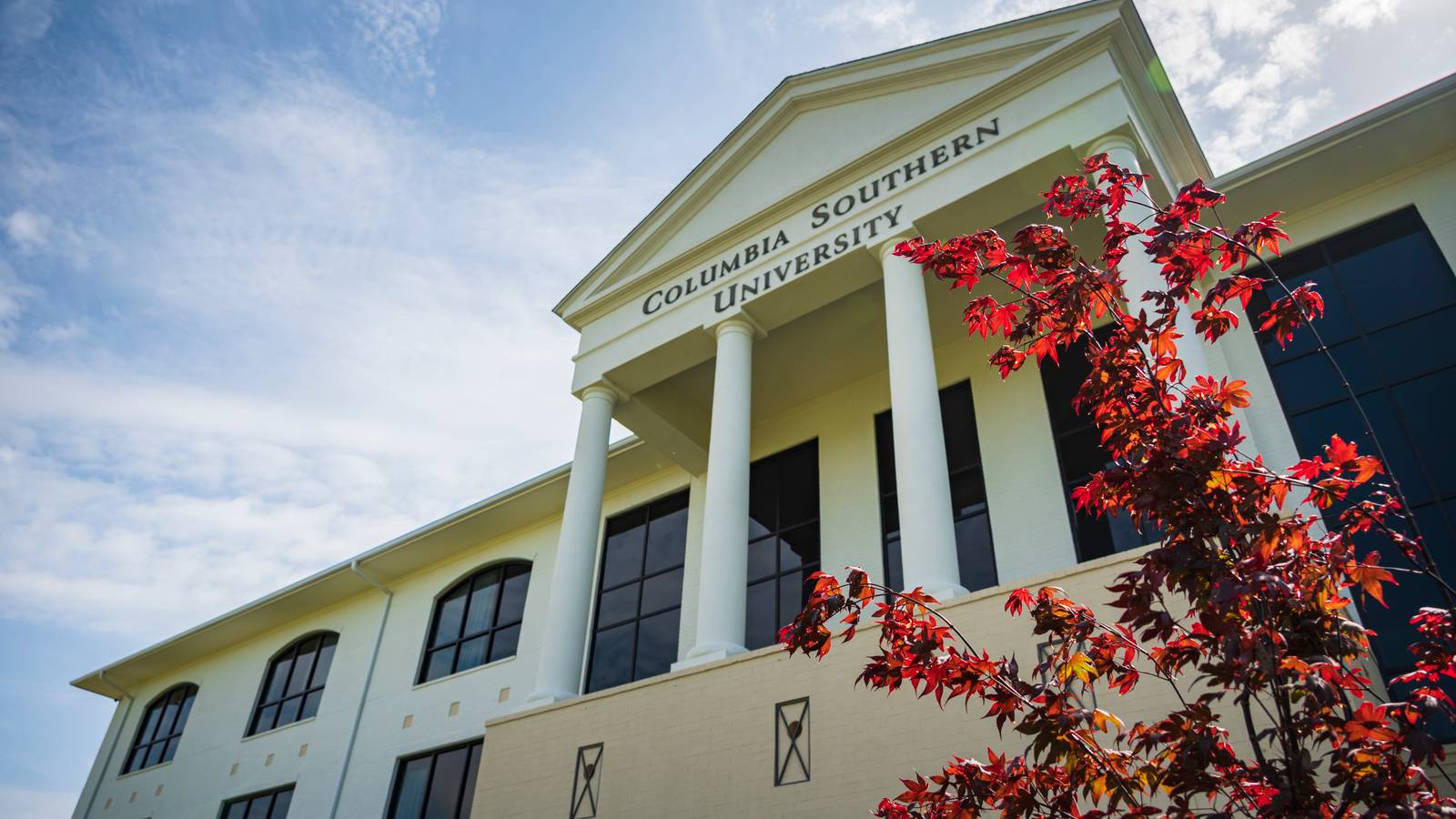
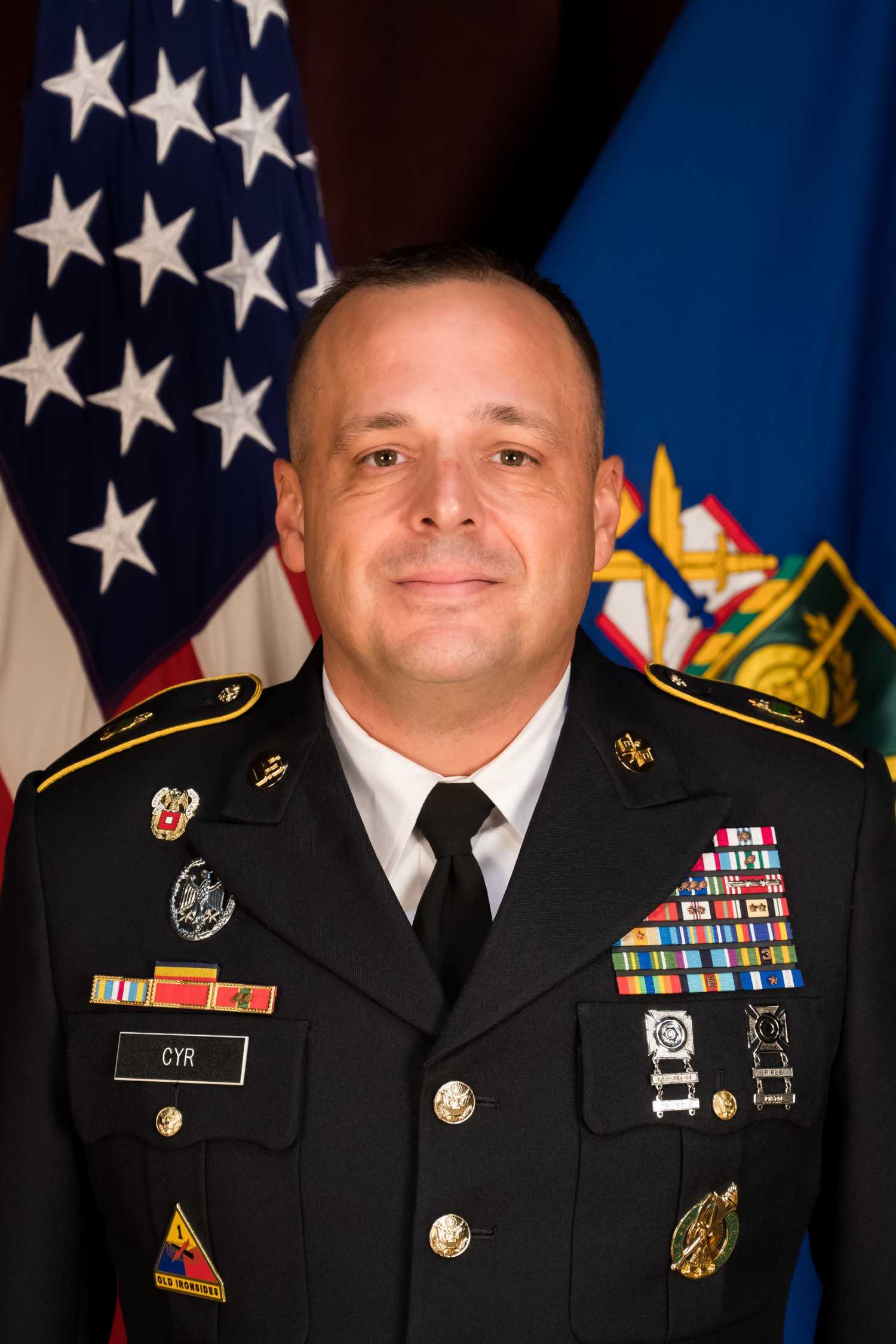
The Army veteran now works at Columbia Southern University, or CSU, where he serves as a strategic military outreach adviser while pursuing a doctorate in education with a focus on curriculum and instruction.
His experience on both sides of the university, as a veteran helping military-connected students and as a student himself, has given him a perspective on a question many service members eventually face: What do I want to do when the military is over? For Cyr, the answer took years to emerge.
Finding a New Direction Late in an Army Career
Cyr joined the Army in 1999 almost by accident. His father, who had served in the Army himself, gave Cyr’s number to a recruiter. Cyr was working at a pizza restaurant at the time and, by his own admission, “stagnating.”
He met with the recruiter. Roughly three weeks later, he was headed to basic training.
Cyr became a signal soldier and spent much of his career working in information technology and Army signal organizations. Along the way, he also became an Army recruiter and experienced an unusual full-circle moment: He returned to recruit from the same station where he had joined the Army and was assigned to the high school he had attended.
Eventually, his career took him to the Sergeants Major Academy. There, another opportunity changed his trajectory.
Cyr entered a fellowship that allowed him to pursue a master’s degree in education through Penn State World Campus before returning to teach at the academy.
That’s when something clicked.
“I was over 40 years old at the time, but that’s when I learned what I wanted to be when I grew up,” Cyr said.
He wanted to work in higher education.
But even with a clearer picture of his future, Cyr would soon learn another lesson familiar to many military families: A carefully constructed transition plan can change quickly.
A Two-Year Transition Plan Became Four and a Half Months
Cyr believed he had time.
He had an approved retirement and expected to have roughly 24 months before leaving the Army. Then a serious back injury forced him to reconsider his timeline.
After talking with his doctor, the transition he expected to have two years to navigate suddenly had to happen in just over four and a half months.
“That was a big deal for me,” Cyr said.
The experience now shapes how he thinks about education and military transition and why he encourages service members to think about their future before separation is staring them in the face.
Cyr eventually found his way to Columbia Southern University through another veteran in his professional network who told him about an employment opportunity there.
CSU wasn’t a university Cyr had previously considered for his own education. But as he researched the institution while preparing to apply for the job, he began studying its degree programs, accreditation and approach to online education. He came away wishing he’d discovered it earlier.
Today, Cyr occupies an unusual position. He’s a CSU employee working with military-connected students, but he’s also experiencing the university from the student’s side while working toward his doctorate.
“I like the fact that I understand the university from both sides of the fence,” Cyr said.
That dual perspective matters when the student on the other end of the conversation is trying to balance college with the unpredictability of military life.
Building College Around Military Life
Cyr understands that problem firsthand.
When he began pursuing his own education while serving, he chose online courses because he didn’t want to be tied to a physical classroom. He needed to be able to complete schoolwork late at night or early in the morning without asking the Army to accommodate his academic schedule.
He also deployed three times while enrolled in college. Those experiences inform his work at CSU today.
The university is fully online and offers degree programs ranging from the associate level through doctoral programs, along with certificates and other educational options. CSU also features the College of Space, Intelligence, and Military Operations, which offers degree programs aligned with skills many service members develop during their careers. These programs can help bridge your military experience with future professional opportunities. Its course structure also allows students to work ahead after meeting certain requirements, something Cyr said can be valuable when a student knows work, travel or family obligations are approaching.
CSU also offers 11 start times throughout the year, giving students another opportunity relatively quickly if military or personal demands require them to temporarily put school on hold.
But Cyr believes one of the university’s most important resources for military-connected students isn’t a course or scheduling option. It’s another person who understands military life.
‘They’re Not Going About the Process Alone’
CSU’s military outreach team includes veterans and military retirees who have firsthand experience navigating many of the same systems its military-connected students use.
“We’ve used tuition assistance. We’ve used GI Bill. We’ve used veterans rehab and education assistance programs,” Cyr said.
According to Cyr, the relationship doesn’t necessarily end once a prospective student reaches the admissions office.
A military outreach representative can remain connected to the student as admissions and financial aid specialists become involved, giving the student someone familiar with military life to contact when a deployment, permanent change of station or another disruption occurs.Our students, especially our military-connected students, whether they’re currently serving, they’re veterans, or if they’re family members of those, they’re not going about the process alone, Cyr said.For veterans or service members concerned about returning to a classroom after years away, CSU also offers resources including writing and math tutoring. New students complete an orientation designed to familiarize them with the online learning environment and resources they’ll use during their courses.
Cyr’s advice to someone who doubts whether they can succeed academically is straightforward: Don’t try to do everything at once.
“Start with one class, and don’t try to push the envelope too fast,” he said. Learn the technology. Figure out how to participate in an online course. Use the tutoring and student support resources available. And reach out to instructors when help is needed.
But before any of that, Cyr believes service members should answer a bigger question.
Start With the End State
Ask Cyr whether a service member should go to college, and his answer doesn’t begin with a university or degree. It begins with a destination.
“What do you want to do when you grow up?” Cyr asks the service members and veterans he counsels.
Before selecting a degree program, he said, they should define what he calls their “desired end state” and work backward.
A degree might be necessary to get there. But it might not.
The better answer could be an industry certification, additional work experience or another educational pathway. Even when talking with prospective CSU students, Cyr said his priority is helping them determine what actually serves their goals.
At the end of the day, it’s about seeing service members and veterans and their families get the right education pathways that meet their needs, Cyr said, and not just an education pathway that is just fodder for a resume or a CV.
It’s advice shaped by his own experience.
Cyr spent years building an Army career before education became a major part of his plan. He discovered a passion for higher education later in his military career, then watched a planned two-year transition shrink to a matter of months.
Today, he’s still working toward his own desired end state, earning a doctorate while helping other military-connected students think about theirs.
And if there’s something he’d like them to do differently than he did, it’s to begin that process earlier.
“Define your desired end state before you do anything else,” Cyr said. “And then you have to backwards plan from there.”
If you’re exploring education options for active-duty military service members, CSU offers pathways designed to fit your schedule and goals. To learn more, view our online programs.
Disclaimer:
Multiple factors, including prior experience, geography, and degree field, affect career outcomes. CSU does not guarantee a job, promotion, salary increase, eligibility for a position, or other career growth. Testimonials may not reflect the experience of all CSU students.
Any reference to United States Department of Defense (DoD) personnel, products or services does not constitute or imply endorsement by the DoD.
GI Bill® is a registered trademark of the U.S. Department of Veterans Affairs. More information about education benefits offered by VA is available at the official U.S. government website.
Read the full article here
