



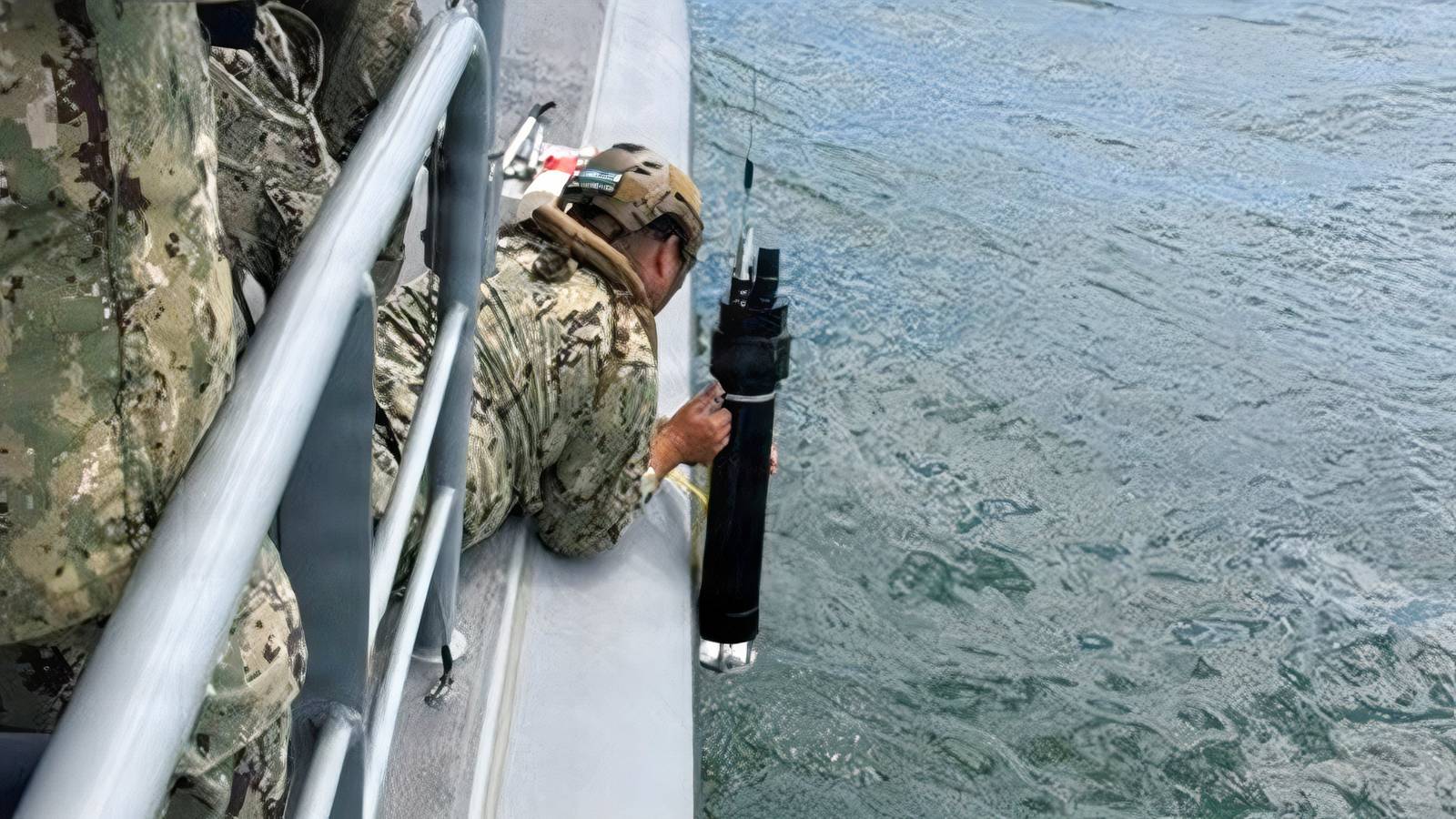

The Army, Navy and Space Force have completed the first test at sea of an experimental electronic warfare system designed to disrupt navigation data used by enemy precision weapons.
The maritime version of “Hammer of the Gods” was tested off Southern California in mid-July during Project Convergence-Capstone 6, the Army’s largest experiment involving emerging battlefield technology.
The military said the counter-positioning, navigation and timing system was successfully deployed, controlled and recovered during the test. The Army has not disclosed the system’s range, contractor, cost or anticipated fielding date. It also has not said whether the experiment disrupted live signals or used a controlled test network.
First Hammer of the Gods Test at Sea
Hammer of the Gods is a portable electronic warfare emitter built to operate with a low electromagnetic signature near the forward edge of military operations, according to the Army.
Land-based versions have appeared in military exercises during the past two years. The mid-July experiment marked the maritime variant’s first test at sea.
The test included support from U.S. Space Forces Pacific and Naval Base San Diego. An image released with the Army’s account shows a Navy sailor operating the system, although officials did not identify the vessel or explain where the equipment was installed.
Lt. Col. Darrin Hall, chief of modeling, simulation and integration for U.S. Space Forces Pacific, said the test showed the system could operate during real-world maritime missions and extend its reach through a resilient mesh network.
The experiment also examined whether the joint force could combine space, cyber and conventional military capabilities while operating in a contested electromagnetic environment.
Why PNT Disruption Matters to Troops
Positioning, navigation and timing data allows military units to locate themselves, coordinate communications and guide weapons toward targets. GPS is the best-known source, although PNT includes other systems that provide location and precise timing.
Modern long-range artillery, guided missiles, cruise munitions and uncrewed platforms may depend on that information during a mission. Disrupting it can reduce accuracy or force a weapon to rely on less precise backup methods.
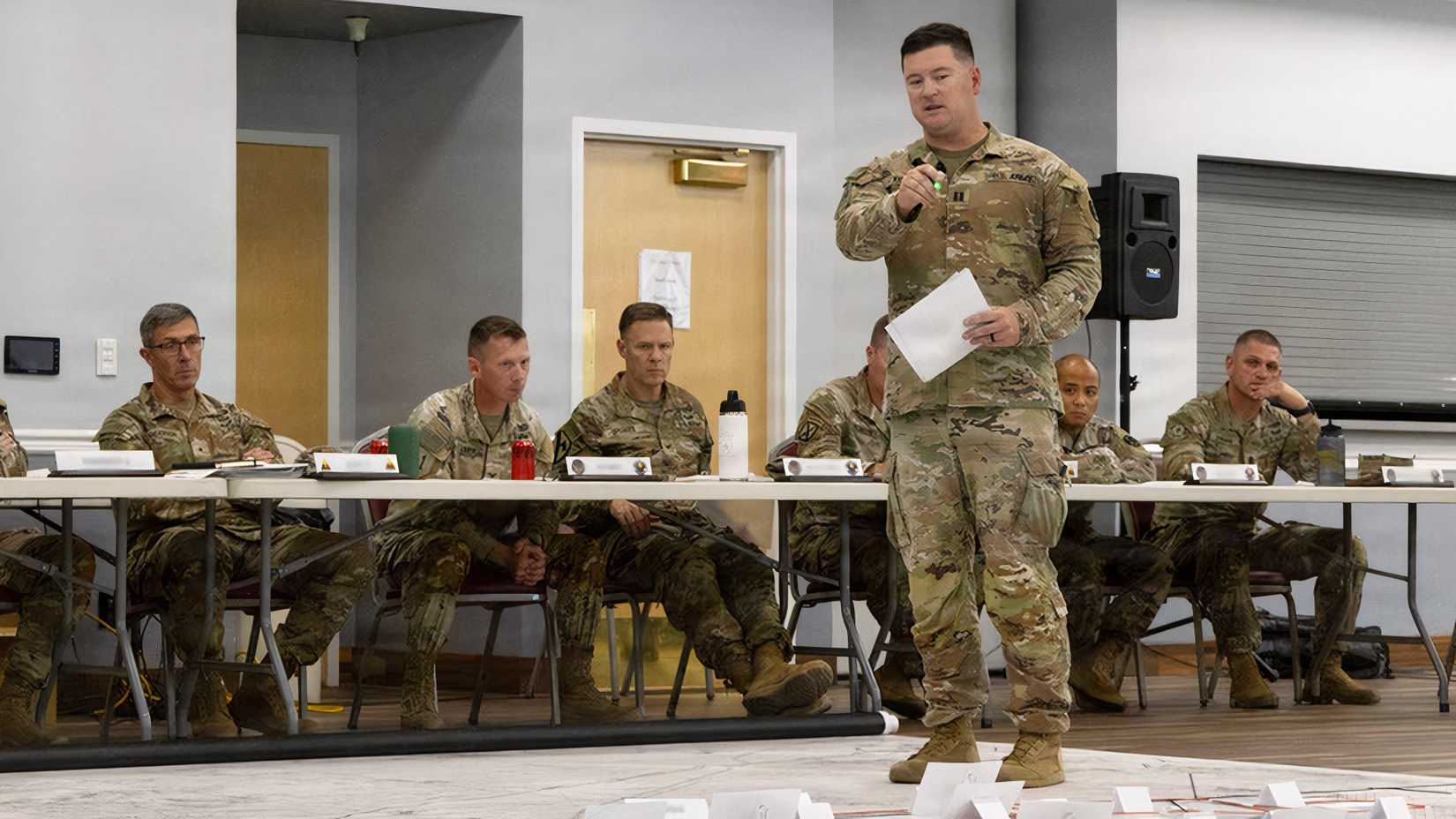
“Positioning, Navigation and Timing is the foundation of modern military operations,” Hall said.
The Army said lost or unreliable PNT data can delay missions, cause weapons to miss targets and increase the risk of collateral damage. Hammer of the Gods is intended to help U.S. forces interfere with an adversary’s access to that information while commanders test ways to keep American forces connected.
That creates a difficult technical problem. U.S. troops also rely heavily on GPS and related services. An electronic warfare system must produce the intended effect without disabling nearby friendly equipment or interfering with civilian navigation.
The Army’s announcement did not explain how Hammer of the Gods separates friendly and enemy signals, how wide an area it can affect or what safeguards were used during the test.
Test Could Shape Army Buying Decisions
Hammer of the Gods was one of more than 100 emerging technologies included in Project Convergence-Capstone 6, a 10-day experiment conducted primarily at Fort Irwin, California.
The event placed soldiers from the 4th Infantry Division alongside troops from Australia, Canada, New Zealand and the United Kingdom. The Army used the exercise to test its Next Generation Command and Control architecture and collect feedback from service members operating new equipment under field conditions.
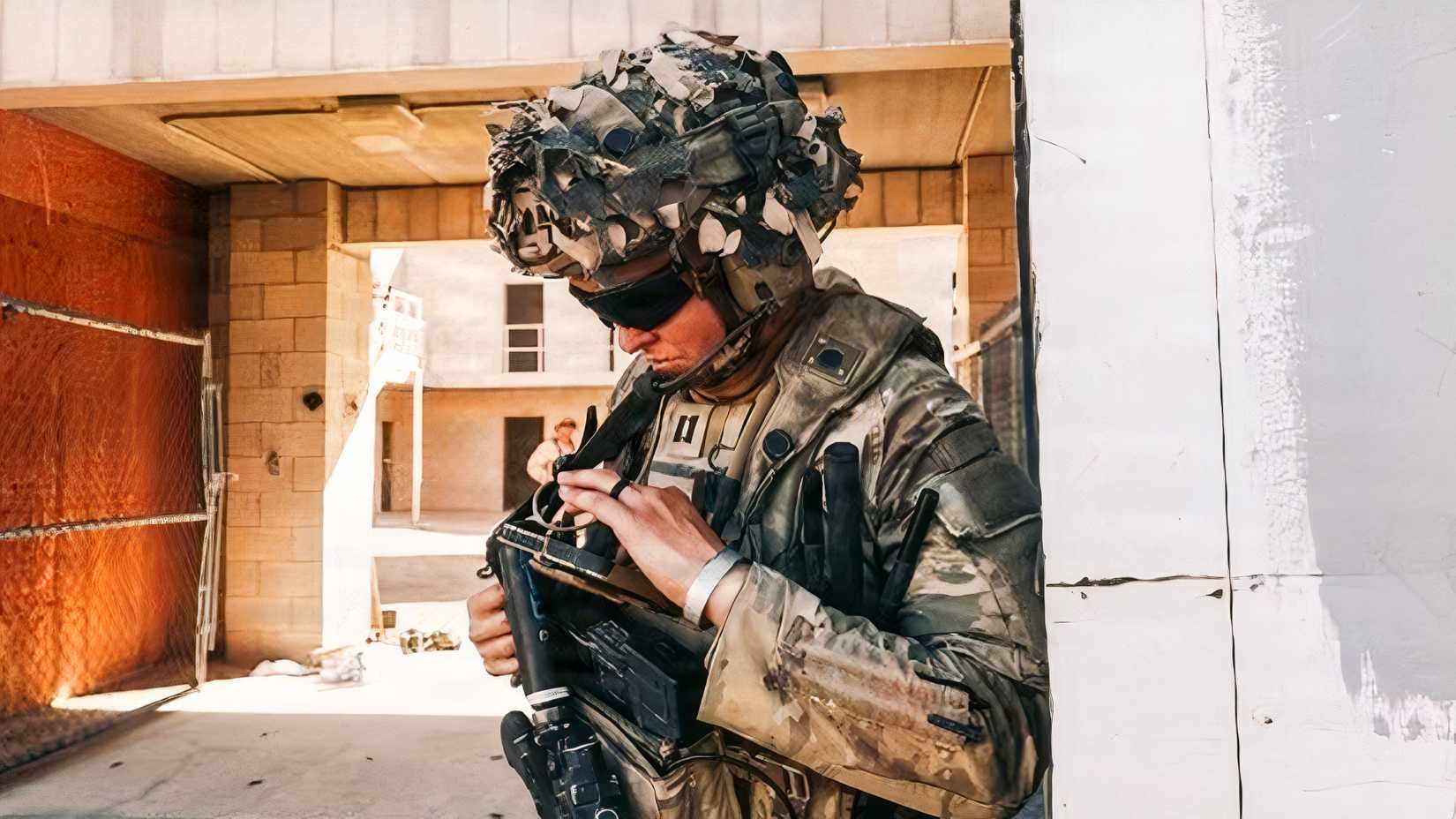
Army officials said data gathered during PC-C6 will inform future acquisition decisions. That does not guarantee Hammer of the Gods will become a formal program or reach operational units.
The service has not identified who would operate the system if it is fielded, how many personnel it requires or whether it would belong primarily to Army electronic warfare formations, Space Force units or joint teams.
Officials also have not released performance results from the maritime test beyond saying the system was deployed and recovered successfully.
Those unanswered questions will determine whether Hammer of the Gods becomes equipment used by troops or remains one of the many experimental systems tested during Project Convergence.
Read the full article here
